5 Herbs with Scientifically Proven Benefits
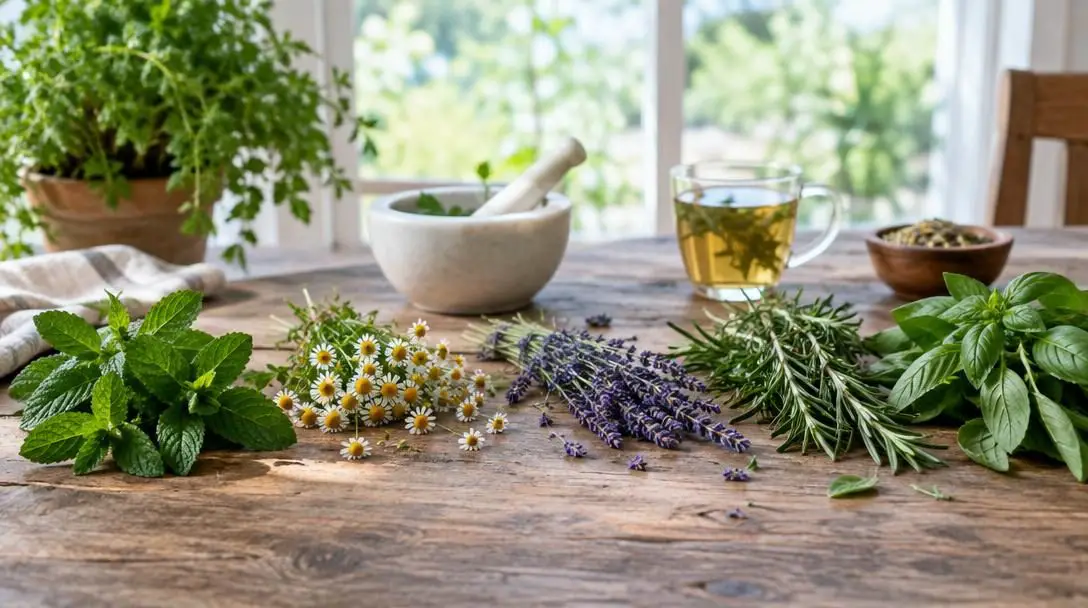
For thousands of years, civilizations around the globe have turned to botanical remedies to nourish their bodies, soothe ailments, and promote long-term vitality. Long before the advent of modern pharmaceuticals, traditional healers relied entirely on wild botanicals, cultivated gardens, and dried plants. From ancient Egypt, China, Greece, and Rome, historical archives demonstrate that botanical medicine served as the cornerstone of early healthcare, where daily meals, tonics, and broths were carefully prepared to both sustain life and prevent sickness.
Today, interest in traditional remedies is experiencing a major clinical resurgence. As contemporary wellness culture places greater emphasis on natural living, people increasingly look to enhance their health without depending solely on synthetic options. Researchers have actively investigated these historical traditions, discovering that everyday kitchen spices and garden plants harbor potent bioactive chemical compounds capable of supporting cellular health, easing digestion, and fortifying the immune system.
Key takeaways
- Scientific research confirms that bioactive plant compounds found in common culinary herbs provide measurable physical and cognitive benefits.
- Sage and rosemary deliver potent support for neurological health and allergy-related upper respiratory irritation.
- Peppermint and turmeric target gastrointestinal spasms and systemic inflammation through distinct molecular pathways.
- Echinacea offers preventive and therapeutic immune defense, reducing the risk of catching a cold by more than half.
The biological mechanisms of traditional botanicals
The human body constantly navigates physiological challenges, including oxidative stress, environmental toxins, cellular breakdown, and chronic systemic inflammation. Culinary and medicinal plants produce secondary metabolites—complex organic compounds evolved to protect the flora from pests, ultraviolet radiation, and microbial pathogens. When humans consume these plants, their bioactive molecules interface directly with biological pathways, cell receptors, and neurotransmitter systems.
Modern clinical interest centers on understanding how these historical botanicals influence metabolic markers, calm immune hyperactivity, and support organ systems. Rather than viewing herbal traditions as antiquated folklore, contemporary science evaluates the precise chemical constituents that make these plants dependable therapeutic tools.
Five science-backed herbs for daily wellness
Integrating medicinal plants into everyday life does not require exotic ingredients or complex laboratory preparations. The following five herbs are widely available, thoroughly researched, and proven to deliver distinct physiological advantages.
Sage
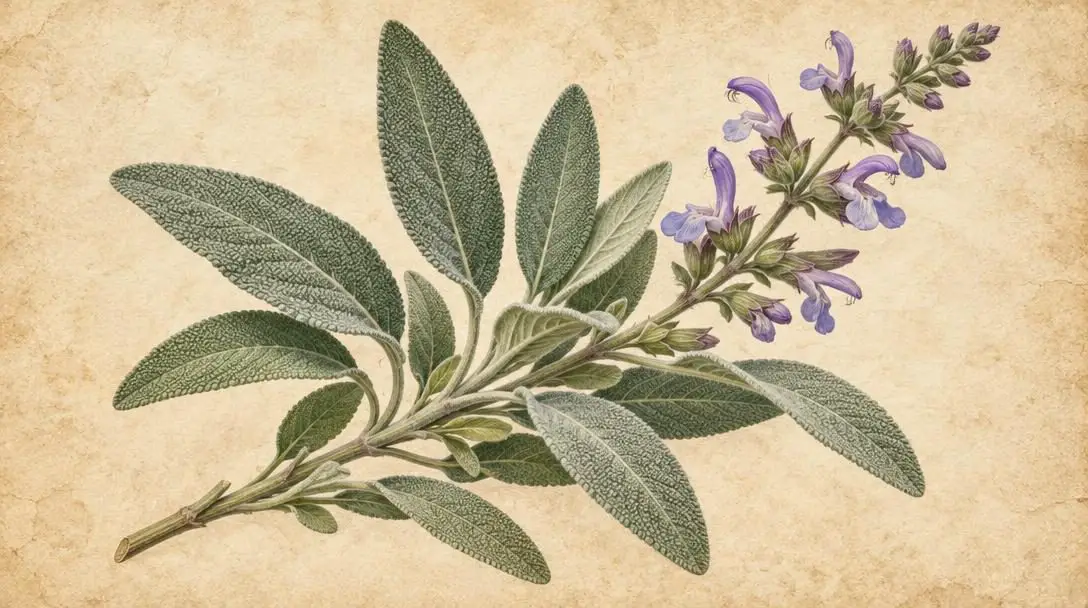
- Scientific name: Salvia officinalis
- Historical origin: Celebrated therapeutic herb since antiquity, surging in the Middle Ages
- Key actions: Supports memory, cognitive function, blood sugar balance, and cholesterol management
Known scientifically as Salvia officinalis, sage has been revered as a therapeutic staple since ancient times, reaching widespread acclaim across Europe during the Middle Ages. Its botanical title stems directly from the Latin verb salvere, which translates to "to save" or "to heal." While modern home cooks appreciate sage primarily as a warm, earthy seasoning for holiday feasts and hearty winter dishes, its biological activity reaches far deeper into human physiology.
Contemporary clinical trials show that sage holds significant value for the brain, helping to improve cognitive performance and sharpen memory retention. Bioactive constituents in the leaves interact directly with neurotransmitter systems responsible for processing information, focus, and recollection. Beyond neurological benefits, scientific evaluations demonstrate that sage can assist in managing chronic inflammation, lowering elevated blood sugar levels, and optimizing cholesterol profiles, thereby offering protective value for metabolic and cardiovascular well-being.
Peppermint
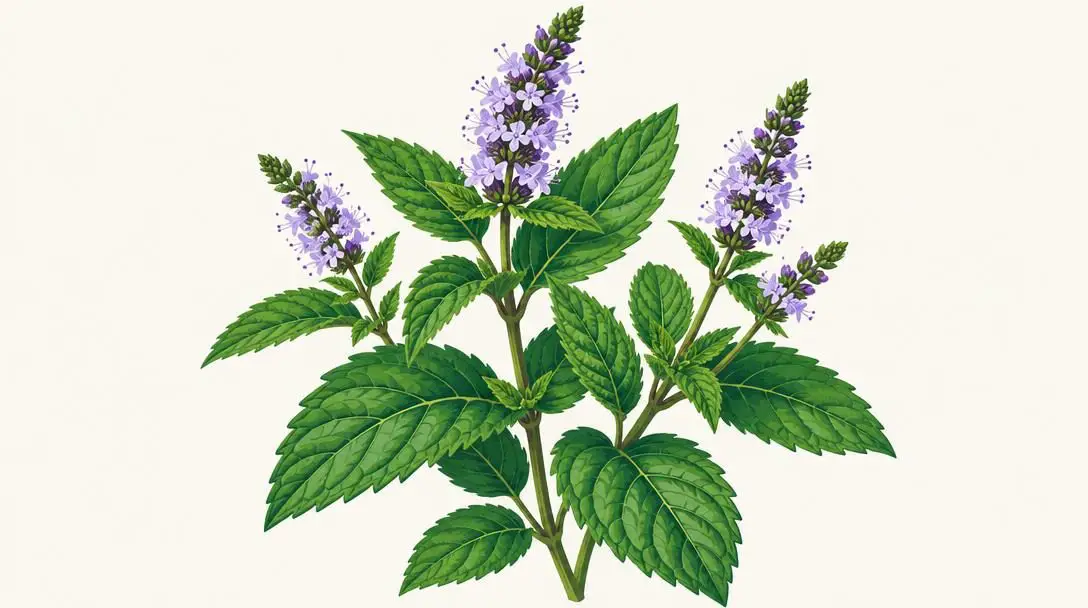
- Primary components: Volatile essential oils
- Key actions: Eases gastrointestinal spasms, bloating, and post-surgical nausea
- Target conditions: Irritable bowel syndrome (IBS) and digestive distress
Peppermint possesses a celebrated history in traditional folk remedies and modern therapeutic aromatherapy alike. The invigorating fragrance of the plant comes from its volatile aromatic oils, which carry substantial pharmacological properties. When digested or inhaled, these essential oils interface directly with smooth muscle tissue lining the human gastrointestinal tract.
In clinical trials focusing on functional gut disorders, peppermint has proven especially effective at relieving pain associated with irritable bowel syndrome (IBS). The active oils work by soothing and relaxing the smooth muscle fibers within the colon, which prevents painful spasms, promotes smoother digestion, and facilitates the release of trapped intestinal gas to diminish abdominal bloating. Additionally, peppermint provides profound antiemetic effects, demonstrating notable success in quelling nausea, particularly among post-surgical patients and women recovering from C-section deliveries.
Turmeric
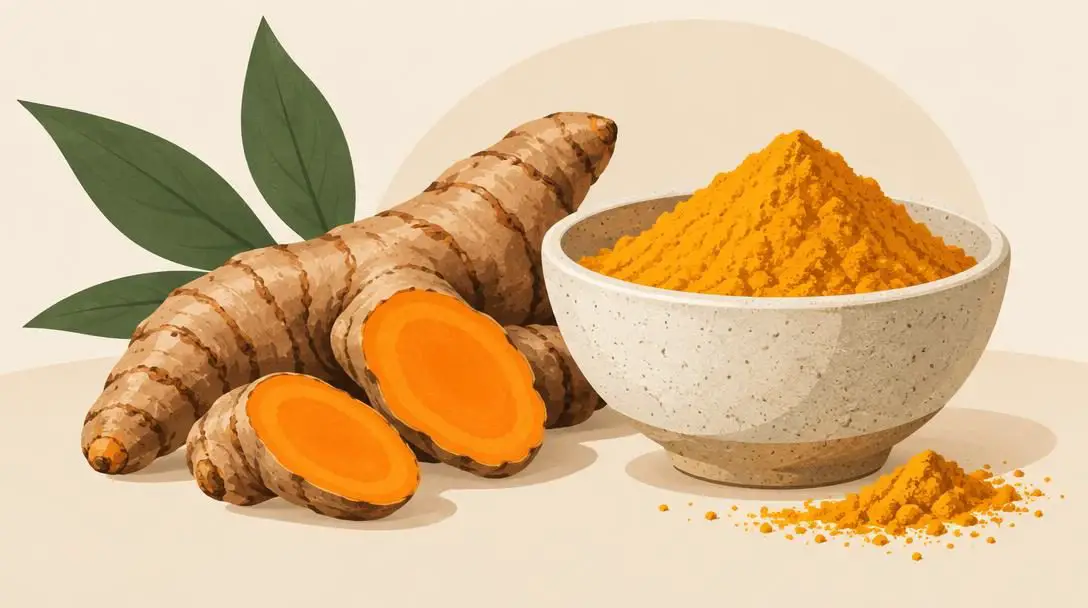
- Key constituent: Curcumin
- Traditional use: Ancient Indian medicinal system and culinary spice
- Target conditions: Rheumatoid arthritis, uveitis, conjunctivitis, and wound repair
A cornerstone of traditional healing in India for centuries, turmeric is famous worldwide for imparting a vibrant golden-yellow hue to rich curries. Within clinical botany, however, turmeric is treated as a multifaceted therapeutic powerhouse. Historically and in modern investigations, it has been utilized to treat conditions as varied as urinary tract infections, liver disorders, chicken pox, small pox, skin cancer, and open wounds.
The vast majority of turmeric's therapeutic potency is attributed to curcumin, a polyphenol with extraordinary biological strength. Curcumin serves as an aggressive free-radical scavenger, neutralizing the unstable molecules that trigger cellular breakdown and chronic tissue degradation. Furthermore, curcumin is a world-class anti-inflammatory agent capable of rivaling the strength of standard pharmaceutical medications without producing harsh systemic side effects. Its anti-inflammatory capacity makes it an effective tool for addressing painful joint swelling in rheumatoid arthritis, as well as complex ocular inflammation like conjunctivitis (pink eye) and uveitis.
Curcumin functions as a potent anti-inflammatory that rivals the strength of synthetic pharmaceuticals without their harsh side effects.
Rosemary
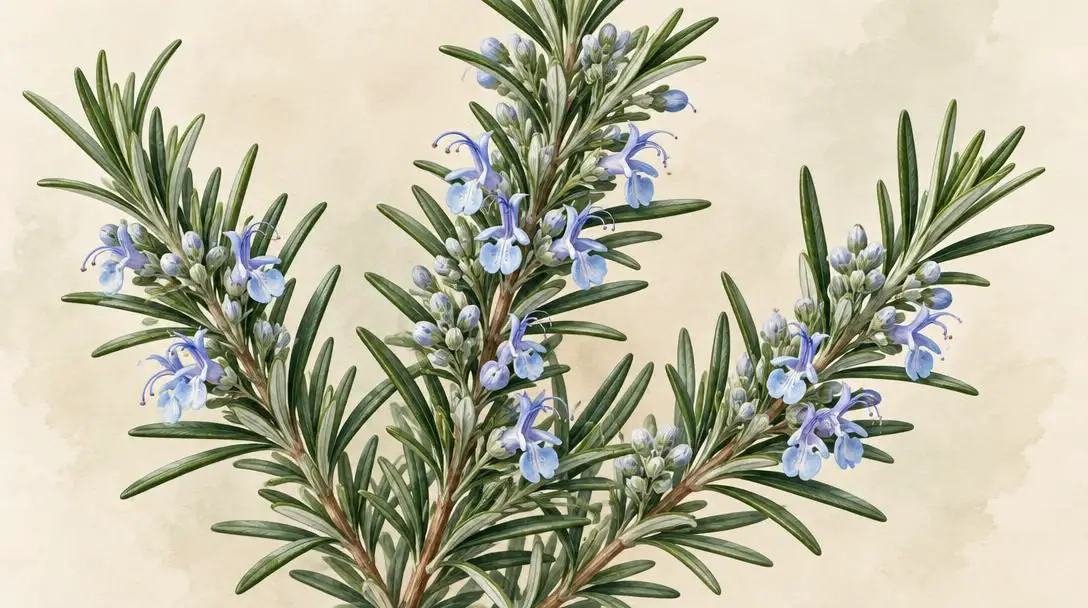
- Active compound: Rosmarinic acid
- Primary benefit: Mitigating seasonal allergies and environmental sensitivities
- Clinical targets: Nasal passage inflammation, congestion, and runny nose
Characterized by its needle-like foliage and woodsy, pine-forward aroma, rosemary is an essential culinary seasoning across the Mediterranean. Beyond imparting robust flavor to roasted vegetables and savory meats, rosemary functions as an effective natural therapeutic for individuals dealing with seasonal respiratory irritation and environmental hypersensitivities.
The herb's main therapeutic driver is rosmarinic acid, a polyphenolic compound known for its anti-inflammatory and immunomodulating actions. Clinical findings show that rosmarinic acid directly suppresses hyperactive allergic responses. By dampening the inflammatory pathway triggered by airborne allergens, regular dietary consumption of rosemary helps clear blocked nasal passages, minimizes chronic sinus congestion, and calms an irritated, runny nose during seasonal pollen shifts.
Echinacea

- Common name: Purple coneflower
- Indigenous heritage: Native North American botanical medicine
- Documented impact: Reduces cold risk by over 50% and shortens duration by 1.5 days
Echinacea, widely recognized by its vibrant purple coneflower petals, stands as evidence that potent medical compounds can be gathered straight from ordinary garden borders. Native to the plains and woodlands of North America, echinacea was prized for generations by Native American healers as an indispensable remedy for acute illnesses and bodily wounds. Today, it ranks among the most studied natural defenses against seasonal respiratory viruses.
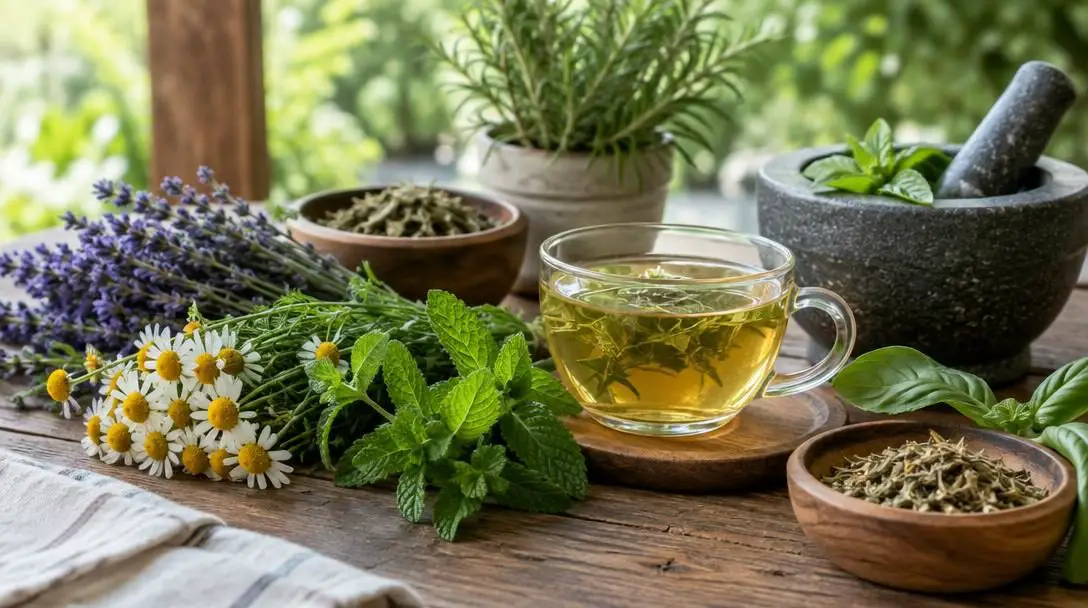
Modern clinical research highlights dramatic immune benefits: taking echinacea can decrease an individual's statistical risk of developing a standard cold by more than 50 percent. When an upper respiratory infection does break through, taking echinacea helps shorten the duration of the illness by approximately one and a half days. Its healing reach also extends well beyond the common cold; researchers have documented its positive influence in managing migraines, treating bodily pain, lowering elevated blood sugar levels, reducing systemic inflammation, and easing feelings of anxiety.
Comparing the five botanicals at a glance
Each of these five plants engages distinct biological mechanisms. The table below outlines how their primary constituents and clinical actions compare across everyday wellness applications.
| Herb | Key Active Compound | Primary Therapeutic Focus | Common Delivery Methods |
|---|---|---|---|
| Sage | Salvia neurotransmitter modulators | Cognition, memory, blood sugar, cholesterol | Infused teas, culinary seasoning, extracts |
| Peppermint | Volatile aromatic oils | Digestive spasms, IBS pain, bloating, nausea | Brewed teas, essential oil inhalation, capsules |
| Turmeric | Curcumin | Systemic inflammation, joint pain, eye health | Powdered spice, concentrated tablets, extracts |
| Rosemary | Rosmarinic acid | Seasonal allergies, nasal congestion, sinus relief | Fresh culinary herb, dried spice, infusions |
| Echinacea | Active coneflower polysaccharides | Cold prevention, reduced illness duration, anxiety | Tinctures, tablets, liquid extracts, teas |
Practical methods for using medicinal herbs
Transitioning from botanical theory to daily practice is straightforward. You do not need expensive laboratory equipment or complicated preparation methods to enjoy the physiological rewards of these plants. Following a structured approach makes it easy to integrate them into daily routines.
- Season your meals generously: Incorporate fresh and dried culinary herbs directly into your cooking routine. Fold chopped rosemary into roasted root vegetables, potato dishes, fresh salads, slow-cooked stews, and hot vegetable soups. Stir dried sage into bean purees, grain bowls, and roasted winter squash. Whisk golden turmeric into egg scrambles, spiced rice, and homemade vegetable or lentil curries.
- Prepare focused botanical teas: Water extraction represents one of humanity's oldest herbal methods. Steep whole dried peppermint leaves in freshly boiled water to relieve abdominal fullness or calm an unsettled stomach. Brew ready-made echinacea tea at the very first indication of a tickling, scratchy throat, or steep fresh sage leaves to create a soothing, warm infusion.
- Select standardized supplements for acute goals: While culinary use provides reliable baseline maintenance, specific therapeutic applications often demand higher botanical concentrations. When combating seasonal viral exposure with echinacea, or managing persistent joint discomfort with curcumin, turn to standardized commercial extracts, tinctures, or tablets to achieve clinical-strength doses.
- Cultivate a home kitchen garden: Planting your own botanicals guarantees ready access to potent leaves and blooms. Plant purple coneflower (echinacea) in outdoor garden beds for seasonal harvesting. Maintain potted containers of hardy rosemary and sage on a sunny porch or kitchen windowsill to ensure fresh sprigs are always within reach while preparing meals.
Mistakes to avoid when taking herbal remedies
Although botanical therapies are plant-derived and generally well tolerated, improper use can diminish their effectiveness or create unnecessary physiological complications. Keep these common missteps in mind:
- Assuming natural means unlimited: Bioactive plant chemicals exert strong physical effects. Ingesting unrestrained quantities of potent extracts, essential oils, or concentrated pills can stress the liver and kidneys. Always adhere strictly to recommended package instructions and serving sizes.
- Waiting too long to deploy immune botanicals: Waiting until a viral cold has fully overwhelmed your respiratory system severely limits the power of echinacea. The herb functions most effectively as a proactive shield that cuts contraction risk, or as an early intervention administered at the first sign of symptoms to shorten illness duration.
- Consuming turmeric without fat: Isolated curcumin has notoriously low bioavailability, meaning the human digestive tract struggles to absorb it efficiently into the bloodstream. Always combine turmeric with dietary fats—such as cooking it with olive oil, coconut milk, or full-fat broths—to ensure optimal intestinal absorption.
- Ignoring individual plant sensitivities: Plants belong to expansive botanical families that can cause allergic reactions in sensitive people. Monitor how your system reacts when introducing a new botanical, especially if you have known plant allergies.
Frequently asked questions
How does echinacea help prevent and shorten common colds?
Clinical research demonstrates that echinacea can lower your risk of catching a cold by more than 50 percent by stimulating immune pathways. If an infection has already started, taking echinacea promptly can reduce the total duration of the illness by roughly one and a half days.
Can peppermint assist with digestive conditions other than indigestion?
Yes. Peppermint contains volatile oils that soothe and relax the smooth muscles lining the colon. This antispasmodic action helps ease the severe abdominal pain and cramping of irritable bowel syndrome (IBS), aids the transit of gas to relieve bloating, and calms nausea, including post-surgical and post-cesarean nausea in women.
Why is curcumin considered as effective as some pharmaceutical medications?
Curcumin, the primary bioactive compound found in turmeric, is a potent anti-inflammatory and free-radical scavenger. It directly suppresses major inflammatory cascades responsible for joint pain in rheumatoid arthritis and inflammatory eye conditions like uveitis, offering substantial relief without the harsh systemic side effects linked to some synthetic medications.
How does rosemary relieve seasonal allergy symptoms?
Rosemary contains rosmarinic acid, an active compound proven to moderate hyperactive immune reactions to airborne environmental triggers. By calming the underlying inflammatory response, rosmarinic acid reduces nasal congestion, clears blocked sinus passages, and relieves a runny nose.
Do I need to take supplements, or is cooking with these herbs enough?
Generous culinary use provides steady, long-term health maintenance for herbs like sage, rosemary, and turmeric. However, acute issues—such as using echinacea to fight an impending cold or utilizing curcumin for clinical joint inflammation—often require the higher, standardized concentrations found in teas, tinctures, and tablets.
The bottom line
Enhancing your long-term health does not require complicated routines or costly synthetic solutions. The natural world offers an accessible medicine cabinet, supported by thousands of years of traditional practice and affirmed by modern laboratory research. Plants like sage, peppermint, turmeric, rosemary, and echinacea contain sophisticated biological mechanisms that reduce inflammation, soothe digestion, protect brain function, and bolster immune resistance.
Whether you choose to clip fresh rosemary for roasted vegetables, simmer turmeric in nourishing broths, steep peppermint leaves after a heavy dinner, or take echinacea at the onset of a winter chill, medicinal herbs offer a safe, delicious, and clinically grounded approach to total body wellness.