5 fun and creative craft projects using printable coloring pages for kids and adults
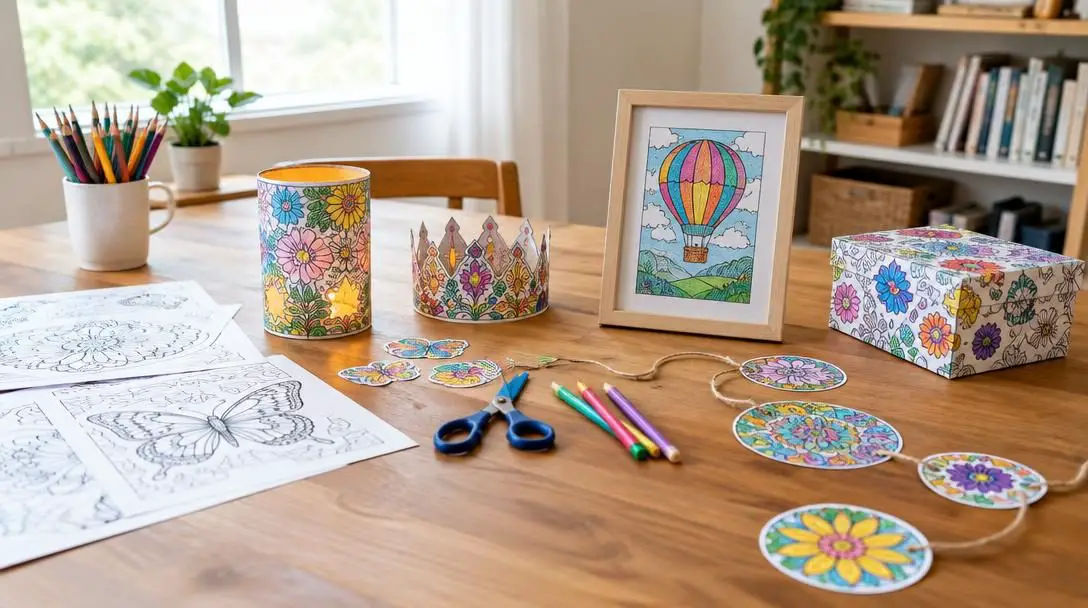
Craft projects provide an engaging way to pass the time and unwind, and printable coloring pages offer a versatile foundation for making inventive, practical items. Rather than letting finished coloring sheets sit hidden away inside folders or discarded in the recycling bin, crafters of all ages can transform them into custom keepsakes, stationery, games, and home decor. Flat sheets of patterned paper can readily become tactile objects that bridge the gap between quiet coloring sessions and hands-on construction.
By pairing basic craft room supplies like scissors, glue, tape, cardboard, and laminating sheets with your favorite designs, you can explore artistic techniques that add dimension, durability, and practical utility to your work. Whether you are planning a fast weekend project with young children or tackling an intricate, mindful piece for yourself, digital coloring pages supply an accessible, flexible starting canvas for any maker.
Key takeaways
- Repurposing finished coloring pages transforms flat line art into durable keepsakes, interactive games, and functional stationery.
- Reinforcing paper with heavy cardstock, cardboard backing, or clear laminating sheets prevents bending, tearing, and smudging.
- Crafting with printable sheets follows three distinct phases: selecting and printing, coloring and texturing, and assembling the physical structure.
- Choosing the correct adhesives, such as dry glue sticks or double-sided tape, prevents unsightly paper wrinkles and ink bleeding.
The evolution and mechanics of crafting with coloring pages
Coloring sheets have long been a core element of childhood education and play, celebrated for helping young learners build fine motor skills, hand-eye coordination, and color recognition. In recent years, however, coloring has moved far beyond kindergarten classrooms. The global surge in adult coloring books highlighted the activity as a practical way to manage daily stress, promote mindfulness, and indulge in creative expression without the pressure of drawing a composition from scratch.
Digital printing has expanded the craft even further. Instead of purchasing bulky bound books filled with illustrations you might never complete, printable downloads allow you to curate specific themes, adjust line art to custom sizes, and print directly onto specialized media. This adaptability makes printable pages an exceptional raw material for mixed-media crafts. The printed outlines establish the structure, freeing you to concentrate on color harmony, blending, and physical fabrication.
Transforming flat sheets of paper into tactile craft items bridges the gap between passive coloring and hands-on making.
Working successfully with printable pages requires an understanding of how three stages interact:
- Design selection and printing: Matching the scale, line weight, and orientation of the digital file to your planned object ensures proper proportions before any ink touches paper.
- Coloring and embellishment: Applying media like colored pencils, alcohol markers, gel pens, or crayons allows you to tailor palettes to match a room's interior decor, a seasonal holiday, or a gift recipient's tastes.
- Physical construction: Cutting, scoring, adhering, and sealing delicate sheets onto sturdier substrates turns fragile paper into resilient objects designed for repeated handling.
Five creative craft projects using printable coloring pages
The following five projects demonstrate how printable sheets can be adapted into diverse items ranging from pocket-sized reading accessories to wall displays and family games.
DIY Bookmarks
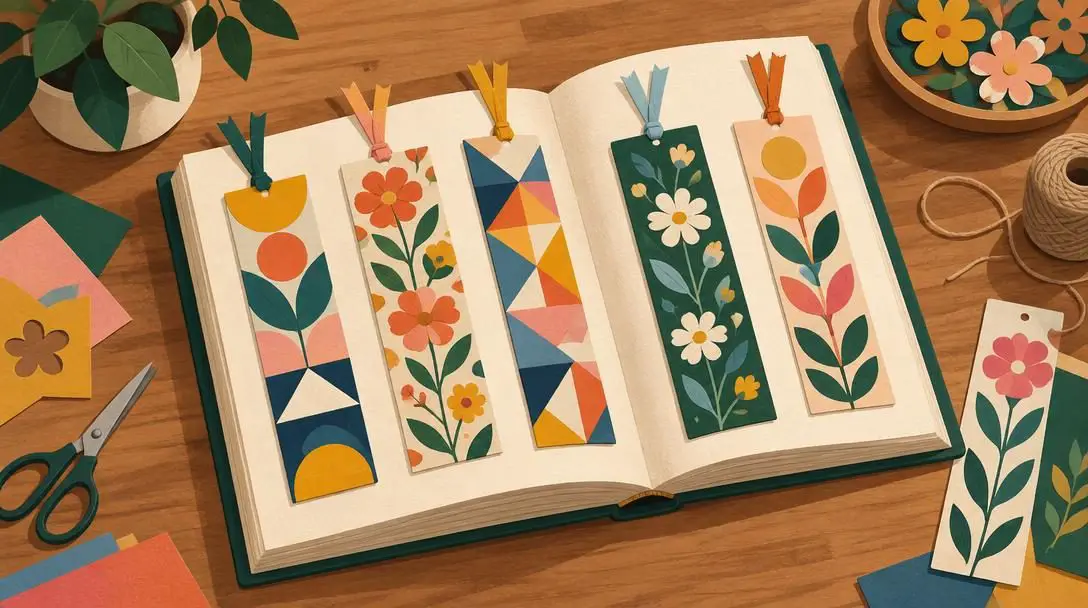
- Standard Dimensions: Approximately 2 inches wide by 6 to 7 inches long
- Recommended Backing: Cardboard backing or thermal lamination
- Best Designs: Vertical motifs, repeating patterns, floral vines, and geometric mandalas
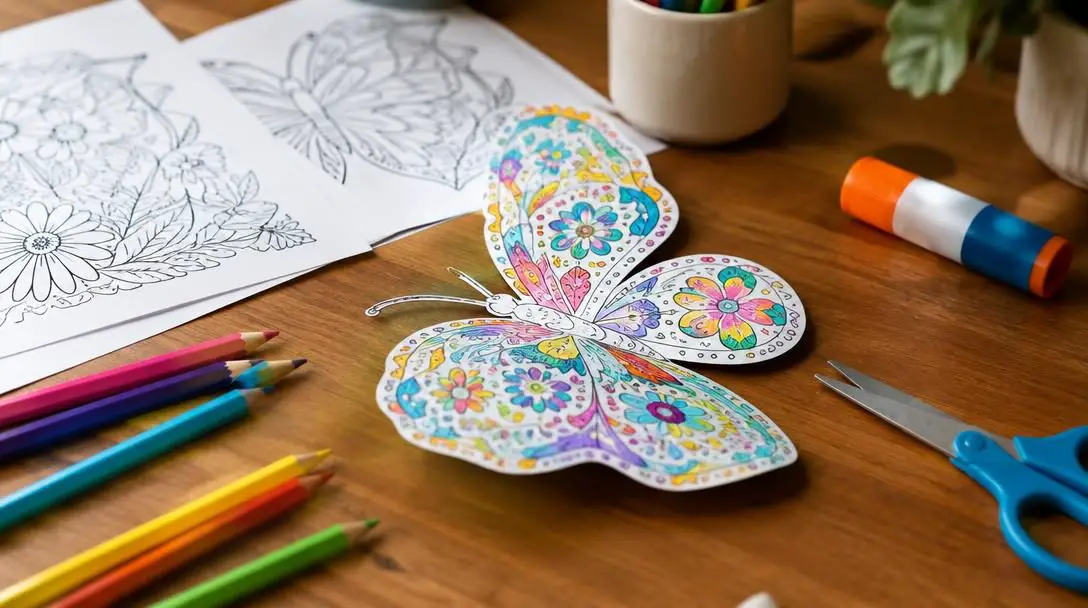
Bookmarks are a practical and charming addition to any reader's collection, serving as personalized gifts or reading incentives for children. Narrow, vertically oriented designs work best within the dimensions of standard books. While two by six or seven inches represents the standard bookmark profile, you can easily modify these proportions to fit pocket paperbacks, daily planners, or large hardcovers. Because bookmarks endure friction between pages and frequent finger handling, reinforcing the paper is essential. Gluing the finished colored strip onto cardboard provides structural stiffness, while sealing it with laminating film protects the colored pigment from moisture, creasing, and smudged ink.
Customized Greeting Cards
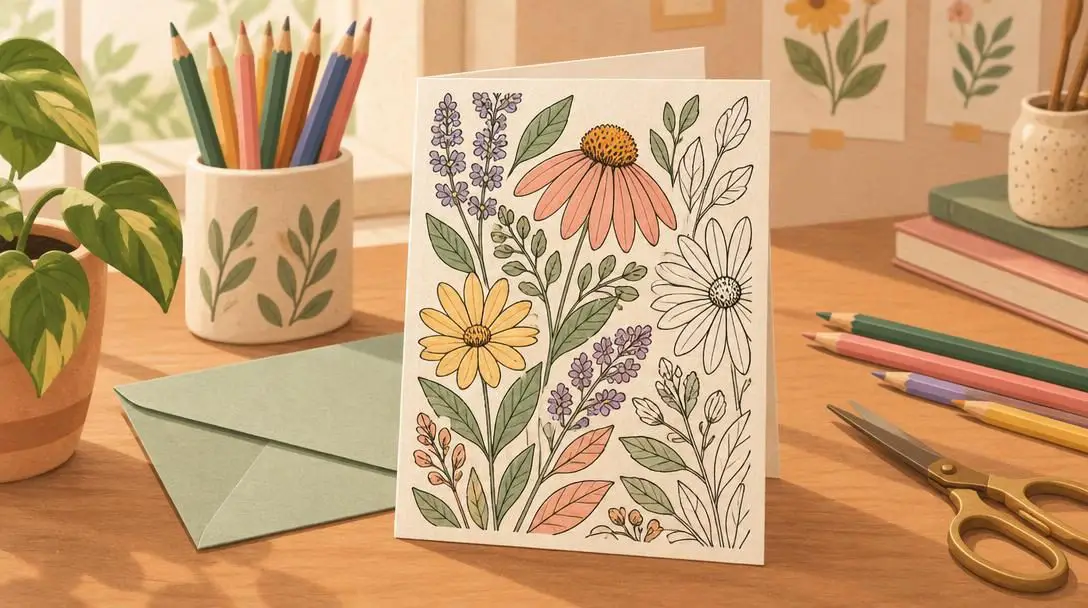
- Base Options: Full folded printed sheet or cut elements mounted to a card base
- Occasion Types: Birthdays, seasonal holidays, anniversaries, or non-seasonal nature notes
- Key Advantage: Thoughtful, handmade correspondence with customized color palettes
Handmade stationery carries personal warmth that store-bought alternatives rarely match. Printable coloring designs provide an ideal front panel for customized greeting cards. You can print designs tailored directly to specific celebrations—such as birthdays, winter holidays, or graduations—or select year-round motifs like botanicals, abstract patterns, and celebratory scenes. Once colored, you can fold a full-page design in half or trim individual elements to mount on top of pre-folded blank card blanks. Adding a handwritten note inside completes a bespoke card that reflects the time and care invested in making it.
Decorative Wall Art
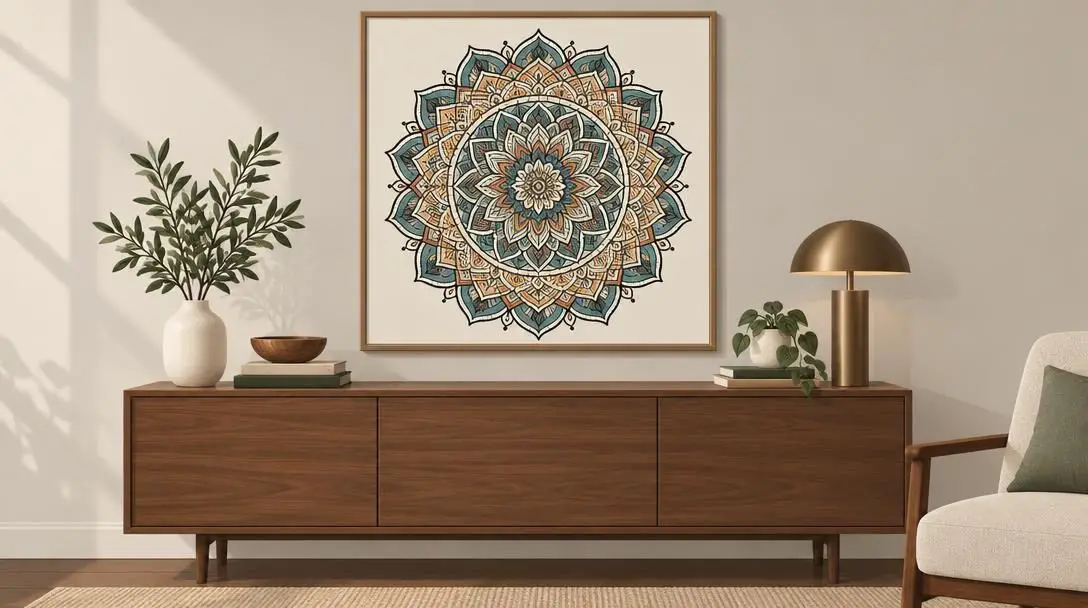
- Substrate Options: Rigid cardboard backing or stretched artist canvas
- Finishing Touches: Picture frames paired with protective mat boards
- Design Aesthetics: Monochromatic minimalist palettes or vibrant contrasting hues
Transforming coloring sheets into framed wall art provides an affordable way to decorate bedrooms, playrooms, and home offices. Complex adult coloring sheets, such as intricate mandalas or botanical studies, look strikingly sophisticated when rendered in carefully considered color schemes. For a modern, minimalist room, a monochromatic palette works well, while bright, saturated tones bring cheerful energy to a child's space. After completing the coloring, secure the paper to cardboard or canvas using glue or tape to eliminate ripples. Placing the mounted work inside a standard picture frame with a clean mat board elevates the page into an eye-catching display piece.
Fun Puzzles
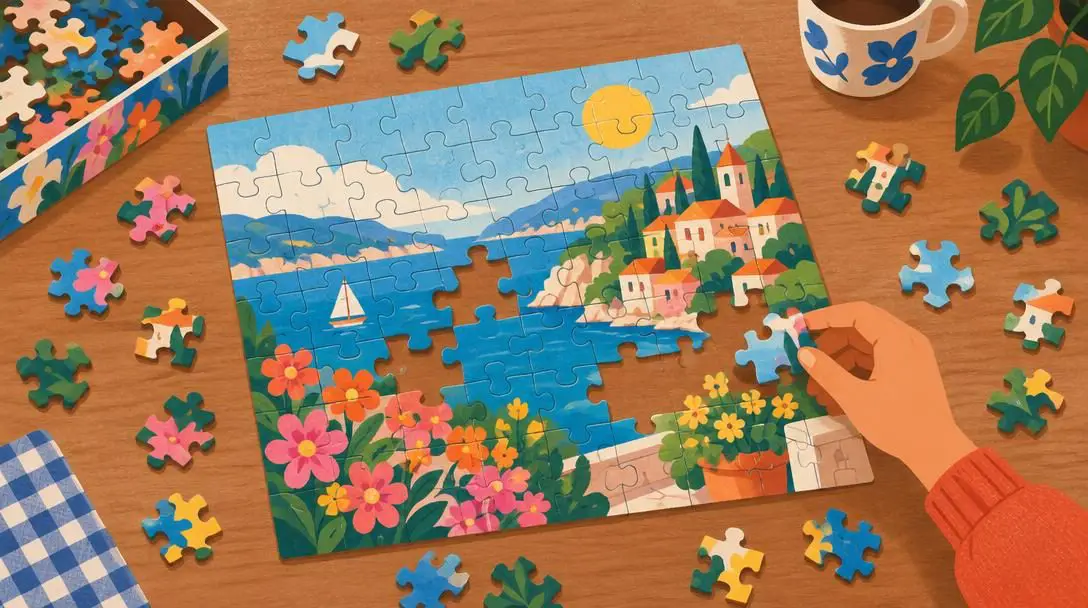
- Cutting Tools: Sharp household scissors or a hobby craft knife
- Difficulty Levels: Large geometric blocks for children; interlocking tabs for adults
- Protective Treatment: Clear lamination against surface oils, spills, and edge wear
Custom puzzles combine the relaxing focus of coloring with the mental stimulation of problem-solving. This project works across skill levels because the cutting pattern dictates the difficulty. For toddlers and young children, cutting a completed picture into large squares, rectangles, or triangles creates an approachable matching game. For older children and adults, sketching interlocking jigsaw tabs on the back of the sheet before cutting with a craft knife delivers a challenging puzzle. Laminating the sheet before cutting is especially helpful here, as puzzle pieces experience substantial handling and edge friction that would otherwise fray bare paper.
Creative Collages
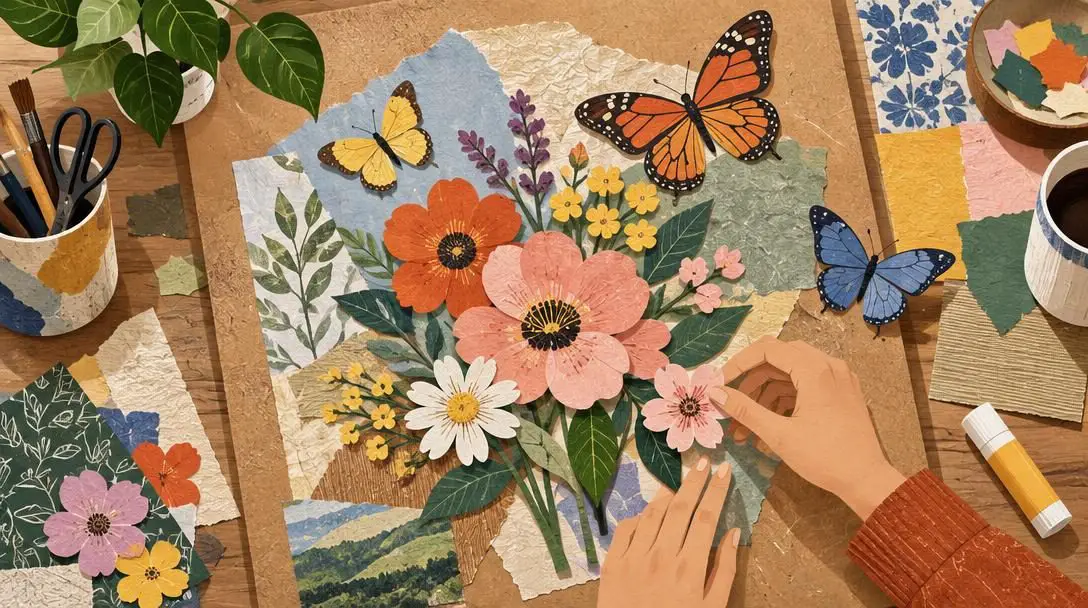
- Core Method: Fussy-cutting selected motifs and layering onto a base
- Complementary Media: Background watercolor washes, patterned paper, and fabric scraps
- Base Substrates: Heavy cardboard or sturdy mixed-media paper
Collage projects are ideal for salvaging favorite sections of completed pages or repurposing sheets where only a portion of the illustration was colored. Crafters can cut out individual figures, floral clusters, animal motifs, or geometric shapes and arrange them across a fresh substrate. Layering these cut-outs alongside fabric scraps, decorative paper strips, and hand-drawn borders creates dynamic depth and visual texture. Moving elements around prior to gluing lets you experiment with balance, scale, and composition before locking down the final arrangement.
Project comparison at a glance
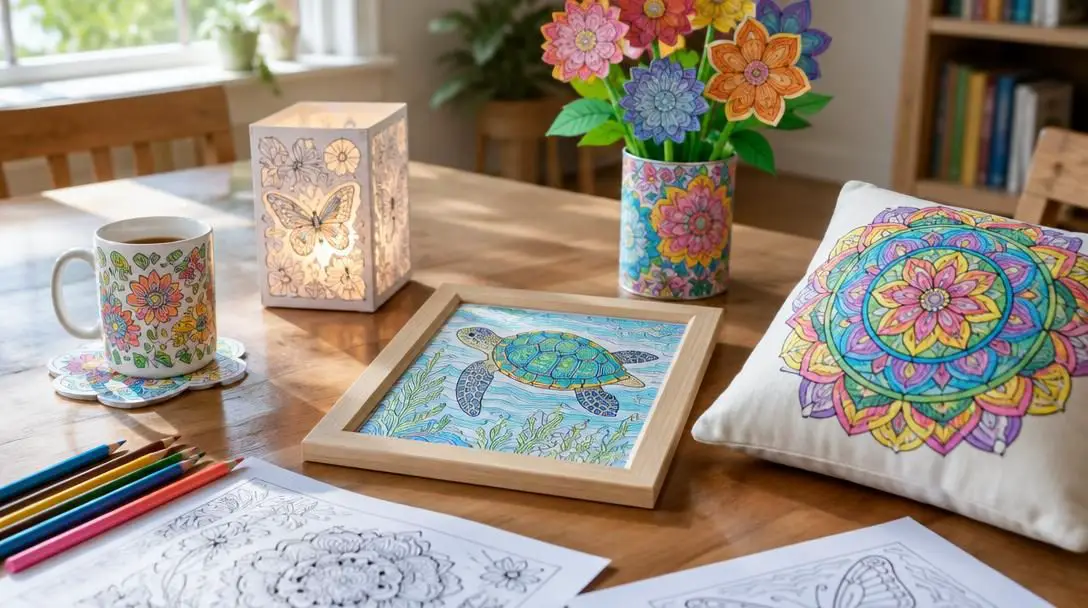
Each craft project requires specific materials and levels of reinforcement to achieve the best results. The table below outlines the primary materials, recommended durability treatments, and best uses for each option.
| Project | Key Base Material | Reinforcement Method | Recommended User | Primary Benefit |
|---|---|---|---|---|
| DIY Bookmarks | Printed coloring strip | Cardboard backing or lamination | All ages and readers | Quick, practical everyday accessory |
| Customized Greeting Cards | Folded paper or blank card base | Heavy cardstock backing | Card makers and correspondents | Personalized, thoughtful postal keepsakes |
| Decorative Wall Art | Full-size coloring sheet | Cardboard, canvas, and glass frame | Home decorators and adult colorists | Affordable, customized interior decor |
| Fun Puzzles | Heavy printed sheet | Dual-sided lamination | Children and puzzle enthusiasts | Two-in-one coloring and cognitive activity |
| Creative Collages | Assorted cut-out coloring elements | Rigid cardboard backing sheet | Mixed-media crafters and kids | Resourceful use of paper scraps and motifs |
A step-by-step guide to assembling coloring page crafts
Maintaining an orderly workflow ensures your finished crafts look clean, flat, and professional. Follow these six steps to carry your project from initial digital file to finished piece.
- Workspace preparation: Clear a flat, level work area with ample lighting. Assemble your tools, including sharp scissors, a craft knife, a self-healing cutting mat, adhesives, ruler, backing cardboard, and chosen coloring media.
- Paper selection: Determine the structural demands of the final item. While standard copy paper works for wall art mounted behind glass, printing directly onto heavier cardstock simplifies construction for cards, bookmarks, and puzzles.
- Coloring and ink setting: Complete your illustration using your preferred tools, such as colored pencils, markers, or crayons. Allow all wet inks, markers, and gel pen highlights to dry thoroughly before proceeding to prevent smudges.
- Measuring and cutting: Use a metal ruler and a sharp craft knife or precision scissors to trim clean borders, cut bookmark panels, fold card blanks, or divide puzzle pieces.
- Backing and adhesion: If securing paper to cardboard or canvas, spread adhesive thinly and evenly from the center out toward the margins. Smooth the sheet with a plastic scraper or clean palm to prevent air pockets and wrinkles.
- Sealing and finishing: Apply clear self-adhesive film or run the piece through a thermal laminator for bookmarks and puzzles. For wall art, secure the backing clips and mount the piece behind glass in a frame.
Common mistakes to avoid when crafting with printed sheets
While paper crafts are approachable for beginners, a few common procedural missteps can compromise the quality and longevity of your finished projects. Keep these watchpoints in mind:
- Applying liquid glues heavily: Wet school glues saturate standard printer paper quickly, resulting in warped surfaces, rippling, and blurred printer ink. Choose dry glue sticks, double-sided craft tape, or thin, even layers of craft adhesive instead.
- Cutting paper before coloring: Trimming small bookmark strips or individual puzzle tiles before coloring makes the paper awkward to hold steady, increasing the risk of creased corners and ripped edges. Always complete the coloring stage on the intact sheet before cutting.
- Skipping ink drying times: Pigments in gel pens, alcohol markers, and inkjet printers need time to cure. Handling paper or applying laminating film over damp ink smears fine linework across the page.
- Using dull cutting blades: Dull scissors and worn utility blades drag against paper fibers, leaving jagged, frayed edges. Work with fresh blades over a self-healing mat to ensure crisp cuts.
- Neglecting edge margins on laminated pieces: Trimming laminating plastic flush against the paper's raw edge breaks the melted thermal seal. Leave a border of roughly one-eighth of an inch of clear plastic around all sides to lock out moisture and prevent peeling.
Expanding your crafting repertoire
Once you are comfortable with these five core projects, consider experimenting with specialized papers and mixed-media techniques. Running linen-textured paper or heavyweight watercolor stock through your printer imparts rich texture to greeting cards and framed art prints. You can also mix coloring media by layering wax-based colored pencils over alcohol marker base coats, or adding fine details with metallic and opaque white gel pens.
Furthermore, finished coloring cut-outs can be integrated into everyday functional items beyond this list. Try adhering custom colored motifs to journal covers, wooden storage bins, decorative gift tags, or decoupage trays. With an abundance of printable illustrations available across every conceivable theme, your coloring sheets can serve as an endless supply of craft materials.
Frequently asked questions
Can I use regular copy paper for all of these projects?
Standard copy paper works well for wall art that will be framed behind glass or for collages adhered to cardboard. However, for items subjected to frequent bending or handling—such as bookmarks, greeting cards, and puzzles—printing directly onto cardstock or reinforcing copy paper with a cardboard backing is strongly recommended.
What is the best way to prevent paper from wrinkling when glued?
To avoid ripples, use dry adhesives like double-sided tape, adhesive tape runners, or glue sticks rather than runny liquid glues. When using liquid craft paste, apply a micro-thin layer with a brush and smooth the paper outward from the center using a bone folder or plastic card.
How can I make puzzle pieces durable enough for repeated play?
Laminating the colored sheet with thermal laminating pouches or clear self-adhesive contact paper before cutting makes the pieces water-resistant and tear-proof. Using a sharp craft knife on a cutting mat ensures the edges remain crisp and lock together neatly.
Can I use water-based markers without bleeding through the paper?
Standard copy paper absorbs water-based marker ink quickly, which can cause bleeding and fiber pilling. If you plan to use saturated markers, print your coloring sheets on heavy paper or cardstock rated at 65 pounds or higher to keep lines sharp.
What dimensions work best for handmade bookmarks?
A standard bookmark is typically around two inches wide by six or seven inches long. This size fits comfortably within standard paperbacks and hardcovers without sliding completely inside or protruding excessively from the pages.
The bottom line
Printable coloring pages are far more than disposable coloring exercises. With a few basic crafting tools and simple reinforcement techniques, you can repurpose finished pages into personalized bookmarks, custom greeting cards, stylish wall decor, engaging puzzles, and layered collages. Embracing these projects lets you enjoy the calming benefits of coloring while creating functional, attractive objects that brighten your living space and daily routines.