5 Highest Grossing Chinese Films
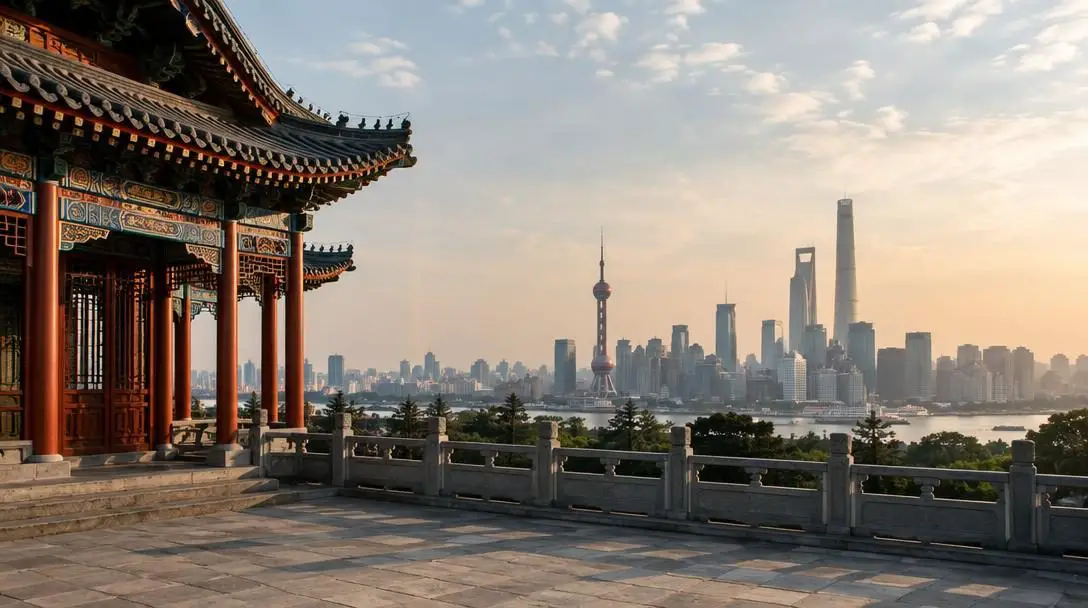
For decades, international theatrical distribution networks treated the Chinese market as a secondary territory. Despite the nation's vast geographic footprint and massive population, domestic studios rarely produced high-budget commercial spectacles, and foreign studios made little concerted effort to cater to Chinese viewers. Domestic movie theater infrastructure remained limited, preventing local productions from competing on the commercial scale established by Hollywood blockbusters.
The dawn of the 21st century sparked a historic turnaround, establishing China as a film industry heavyweight whose domestic box office competes directly with any theatrical market in the world. Backed by expanded production budgets, cutting-edge digital effects, and a rapidly expanding domestic theater network, local filmmakers now deliver massive commercial hits across war history, contemporary action, animated fantasy, time-travel comedy, and ambitious science fiction.
Key takeaways
- The five highest-grossing Chinese films have each generated between $700 million and $913 million at the worldwide box office.
- High-earning Chinese productions can recover substantial budgets and break worldwide box office records almost entirely through domestic ticket sales.
- Box office dominance spans diverse storytelling genres, from classical literary folklore adaptations to hard sci-fi and personal family drama.
- Key creative figures frequently operate as multi-hyphenates, writing, directing, and starring in their own record-setting productions.
At a Glance: The Top-Earning Chinese Releases
The top tier of the Chinese theatrical box office showcases a broad variety of production budgets, creative directors, and genres. The table below outlines how these five record-setting pictures compare across earnings, financial investments, and launch windows.
| Film Title | Release Year | Domestic Box Office (RMB) | Global Box Office (USD) | Production Budget (USD) |
|---|---|---|---|---|
| The Battle at Lake Changjin | 2021 | ¥5.77 billion | $913 million | $200 million |
| Wolf Warrior 2 | 2017 | ¥5.68 billion | $874 million | $30.1 million |
| Hi, Mom | 2021 | ¥5.40 billion | $805 million | $59 million |
| Ne Zha | 2019 | ¥5.00 billion | $742 million | $20 million |
| The Wandering Earth | 2019 | ¥4.60 billion | $700 million | $50 million |
The 5 Highest-Grossing Chinese Films
These five productions mark the pinnacle of commercial box office performance in Chinese cinematic history. Together, they demonstrate the market's creative breadth, showcasing historical combat recreations, modern soldier adventures, introspective maternal comedy, computer-animated mythology, and large-scale planetary survival.
The Battle at Lake Changjin

- Box Office: ¥5.77 billion ($913 million US)
- Production Budget: $200 million US
- Release Year: 2021
- Key Creatives: Chen Kaige, Dante Lam, Tsui Hark, Wu Jing, Jackson Lee
Holding the all-time theatrical earnings record in China, The Battle at Lake Changjin earned ¥5.77 billion (approximately $913 million US). Produced with an unprecedented budget of $200 million US, the historical combat epic represents the most expensive film production ever mounted in China. The project combined the talents of three acclaimed filmmakers—Chen Kaige, Dante Lam, and Tsui Hark—who shared directorial duties to stage its complex, large-scale battle sequences.
Starring Wu Jing alongside Jackson Lee, the story delivers a dramatized account of the Battle of the Chosin Reservoir during the Korean War. The production relied heavily on practical staging, thousands of extras, and intense battlefield choreography. Its overwhelming financial performance prompted an immediate theatrical sequel released in February 2022, despite the original movie receiving a lukewarm critical reception outside its domestic market.
Wolf Warrior 2

- Box Office: ¥5.68 billion ($874 million US)
- Production Budget: $30.1 million US
- Release Year: 2017
- Key Creatives: Wu Jing (Director, Co-writer, Producer, Lead Actor)
Ranking second with ¥5.68 billion ($874 million US), Wolf Warrior 2 was produced on a modest budget of $30.1 million US, generating one of the most profitable runs in box office history. The project was steered almost entirely by martial arts star Wu Jing, who served as co-director, co-writer, co-producer, and primary protagonist.

Serving as a narrative continuation of the 2015 action title Wolf Warrior, the film follows former special forces operative Leng Feng. Following a discharge and time spent in a military prison, Leng Feng relocates to an unnamed region in Africa. When a violent rebellion erupts, he is thrust back into action, protecting local civilians and frontline medical workers from mercenary forces. The title garnered predominantly positive reviews and earned Wu Jing major industry honors, including Best Actor at the Huading Awards.
Hi, Mom
- Box Office: ¥5.40 billion ($805 million US)
- Production Budget: $59 million US
- Release Year: 2021
- Key Creatives: Jia Ling (Writer, Director, Lead Actor)
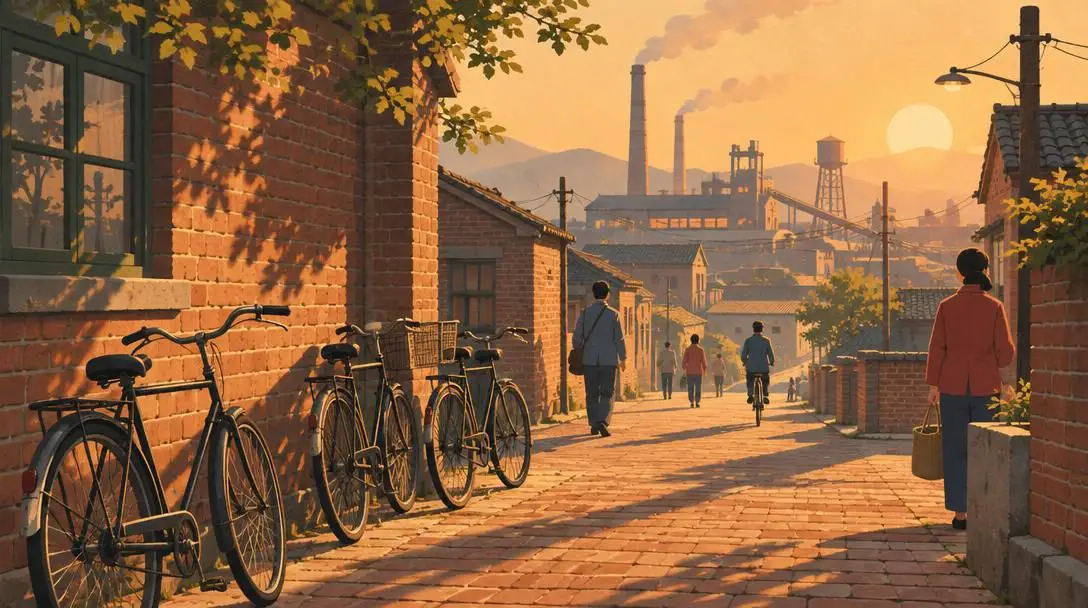
Claiming the third spot on the box office charts, Hi, Mom accumulated ¥5.4 billion ($805 million US) against an estimated production budget of $59 million US. The comedy-drama was written, directed by, and stars performer Jia Ling, who drew direct inspiration from her own life and relationship with her late mother.
The narrative focuses on Jia Xiaoling, a young woman grief-stricken after her mother suffers a fatal car accident in the year 2001. Xiaoling is unexpectedly transported through time to 1981, where she befriends the younger incarnation of her mother. Hoping to grant her parent a more prosperous and fulfilling future, Xiaoling orchestrates various schemes to pair her mother with a wealthier, more promising husband, wrestling with the bittersweet realization that altering her mother's destiny could erase her own existence.
Ne Zha

- Box Office: ¥5.00 billion ($742 million US)
- Production Budget: $20 million US
- Release Year: 2019
- Key Creatives: Yu Yang (Writer and Director)
The fourth highest-grossing release, Ne Zha, took in ¥5 billion ($742 million US) while operating on a lean production budget of $20 million US. The full 3D computer-animated feature was written and directed by Yu Yang, adapting its mythical lore from the classical 16th-century novel Investiture of the Gods, published during the 1500s.
The film reimagines the mythological deity Ne Zha as an outcast child born from a cursed orb, who must struggle against social prejudice and preordained destiny to protect the very community that fears him. Upon theatrical launch, Ne Zha temporarily set the record as the highest-grossing film in Chinese history and secured its place as one of the top-grossing computer-animated titles worldwide. Its technical execution earned widespread critical praise domestically and internationally, eventually entering consideration for the Academy Award for Best Animated Feature.
The Wandering Earth

- Box Office: ¥4.60 billion ($700 million US)
- Production Budget: $50 million US
- Release Year: 2019
- Key Creatives: Liu Cixin (Original Short Story Author)
Completing the top five is The Wandering Earth, an epic science fiction release that earned ¥4.6 billion ($700 million US) against a budget of $50 million US. The screenplay was adapted from a short story written roughly two decades prior by renowned author Liu Cixin.
Set in a catastrophic future where our expanding sun threatens to consume the solar system, human civilization constructs thousands of massive planetary thrusters to push Earth toward a neighboring star system. The high-stakes plot follows a coalition of astronauts, engineers, and ground operatives working to keep the planet on course amid orbital hazards. Marked by advanced visual effects, the production proved that Chinese cinema could execute hard science fiction at a world-class level. The property expanded its audience reach when streaming platform Netflix secured international digital distribution rights, and an official sequel was approved soon after.
China now operates a self-sustaining commercial film ecosystem where domestic blockbusters can clear $800 million primarily from home audiences.
Drivers Behind the Chinese Blockbuster Era
The staggering commercial returns generated by these five productions highlight structural developments within the broader film industry. Several key factors explain how these domestic projects generate historical earnings:
- Unmatched domestic market capacity: While Western tentpoles historically required worldwide distribution to recoup $100 million-plus budgets, the Chinese market is large enough to support $800 million-plus gross receipts almost entirely from domestic ticket sales.
- Expanding production scales: Budgets have steadily risen toward Hollywood benchmarks. A film like The Battle at Lake Changjin spent $200 million US to stage elaborate, multi-director battle scenes featuring tens of thousands of extras and complex digital rendering.
- The influence of multi-hyphenates: Leading creative talent frequently manages writing, producing, directing, and starring responsibilities on the same title. Wu Jing guided Wolf Warrior 2 across all four roles, while Jia Ling wrote, directed, and led Hi, Mom.
- Blending classical heritage with modern spectacle: Screenplays frequently combine digital blockbuster techniques with recognizable national literature or historical milestones. Ne Zha retooled a story originating in the 1500s, while The Wandering Earth visualized Liu Cixin's speculative short fiction.
- Broader international streaming exposure: Although box office revenue remains largely domestic, streaming agreements—such as Netflix acquiring The Wandering Earth—give global audiences direct home access to major Chinese releases.
Common Pitfalls When Analyzing Chinese Cinema
When tracking box office trends and evaluating modern releases from the region, critics and viewers frequently fall victim to several common misconceptions:
- Equating domestic box office with international acclaim: High domestic earnings do not always translate to praise from foreign reviewers. The Battle at Lake Changjin and its 2022 sequel broke national box office records despite receiving a largely lukewarm critical response overseas.
- Overlooking budget-to-gross efficiency: Not every blockbuster demands nine-figure spending. Ne Zha ($20 million budget) and Wolf Warrior 2 ($30.1 million budget) produced exceptional return-on-investment ratios that far outpaced traditional Western tentpoles.
- Assuming foreign markets depend on Hollywood: The belief that international box office health relies exclusively on American imports is outdated; Chinese blockbusters routinely dominate their home markets without creative or financial backing from Western studios.
- Disregarding ancient literary origins: International viewers often view animated releases purely as original high-concept fantasies, missing their historical foundations in texts such as the 1500s novel Investiture of the Gods.
- Treating audience taste as monolithic: Box office rankings reveal varied demographic interests, rewarding everything from somber time-travel dramas like Hi, Mom to high-concept speculative sci-fi like The Wandering Earth.
How to Explore Contemporary Chinese Cinema
Viewers interested in engaging with the country's high-earning theatrical catalog can follow these structured steps to build an informed viewing experience.
- Sample multiple distinct genres: Avoid treating Chinese cinema as a single uniform category. Pair a modern military action film like Wolf Warrior 2 with an animated literary adaptation like Ne Zha, or contrast the historical scope of The Battle at Lake Changjin with the grounded, comedic tone of Hi, Mom.
- Investigate original source literature: Deepen your perspective by reading the written foundations of these productions. Look into Liu Cixin's original short story for The Wandering Earth or explore Investiture of the Gods to understand the mythological context underpinning Ne Zha.
- Utilize mainstream streaming platforms: Check popular video-on-demand libraries to watch these films with subtitles or dubbing; for example, Netflix secured digital rights for The Wandering Earth following its worldwide theatrical success.
- Track prominent multi-hyphenate filmmakers: Follow individual directors and performers across different genres. Exploring Wu Jing's career tracks the martial-arts action of the Wolf Warrior franchise into the historical combat scale of The Battle at Lake Changjin.
- Follow franchise timelines in order: Many record-breaking releases belong to serialized universes. Watch 2015's Wolf Warrior prior to viewing Wolf Warrior 2, and explore the February 2022 follow-up to The Battle at Lake Changjin to see how studios maintain narrative momentum.
Frequently asked questions
What is the highest-grossing Chinese movie of all time?
The Battle at Lake Changjin holds the all-time record, earning ¥5.77 billion (approximately $913 million US) after its 2021 theatrical release.
Which Chinese blockbuster had the highest production budget?
The Battle at Lake Changjin is the most expensive production in Chinese cinema history, carrying an estimated production budget of $200 million US.
Did any of the top five films receive Academy Award consideration?
Yes. The 2019 computer-animated film Ne Zha received formal consideration for the Academy Award for Best Animated Feature following its critical and commercial success.
Who directed the time-travel comedy Hi, Mom?
Hi, Mom was written, directed by, and stars comedian Jia Ling, who adapted her personal experiences with her late mother into the $805 million hit.
Where can international viewers stream The Wandering Earth?
The Wandering Earth was acquired for worldwide digital distribution by Netflix following its $700 million theatrical run, making it accessible on the platform with subtitles.
The bottom line
The rise of these five record-breaking films demonstrates how rapidly China's theatrical industry has evolved from an overlooked market into a global production powerhouse. By pairing immense domestic theater capacity with ambitious budgets, classical cultural adaptations, and versatile multi-hyphenate filmmakers, these productions have rewritten global box office records. As technical capabilities advance and franchise expansions continue to debut, Chinese cinema will remain a formidable commercial force on the world stage.