5 Household Necessities You Can Easily Make Yourself!
Economic shifts, rising inflation, and worries about a slowing economy are leading many households to rethink their everyday spending habits. When costs climb across the board, balancing a family budget usually comes down to making conscious choices and identifying clear personal priorities. Rather than cutting out small daily luxuries—such as enjoying your favorite Starbucks Cold Foam—you can easily offset costs by looking under your kitchen sink. Many common retail cleaning products carry high markups primarily due to fancy packaging, aggressive branding, and heavy shipping costs, even though their active chemical components are remarkably basic.
Taking control of your home maintenance supplies lets you produce functional substitutes for pennies using pantry staples you likely already keep on hand. Core ingredients such as vinegar, baking soda, and borax form the backbone of numerous commercial cleaners and maintenance formulas. You do not need a background in advanced science or high school chemistry to put these reliable materials to work. Learning how to craft these everyday supplies allows you to conserve funds, eliminate needless commercial products from your shopping cart, and maintain a functional, clean home on your own terms.
Key takeaways
- Commercial cleaners often carry steep retail markups despite relying on simple, low-cost active ingredients.
- Everyday household staples like vinegar, baking soda, borax, and rubbing alcohol provide powerful chemical and physical cleaning actions.
- Five versatile home necessities can be mixed in minutes to strip laundry odors, eliminate weeds, clean glass, wipe down surfaces, and freshen carpets.
- Allowing homemade carpet fresheners to dry fully and adhering to proper liquid dilution ratios prevents common cleaning mishaps.
- Auditing recurring purchases allows homeowners to replace expensive commercial sprays with pantry-based alternatives permanently.
How Everyday Pantry Ingredients Work
Understanding why simple pantry items are so capable helps explain why they have remained household favorites for generations. The primary ingredients mentioned across these DIY recipes rely on straightforward chemical and physical mechanisms to clean, deodorize, and break down unwanted grime. Rather than depending on synthetic fragrances and stabilizing agents, these basic solutions harness natural acidity, alkalinity, and physical evaporation to achieve professional-grade results across the house.
Vinegar is a mild acid that works effectively to dissolve minerals, cut through tough soap scum, and neutralize alkaline odor molecules. Its natural acidity also makes it hostile to unwanted plant growth in garden beds and walkways. When balanced with water, vinegar easily cuts through residue on reflective surfaces without leaving cloudy deposits behind.
Baking soda, formally known as sodium bicarbonate, acts as a gentle, mildly alkaline abrasive. Because it is alkaline, it works wonders at neutralizing acidic odors, including the strong sweat smells associated with teenage perspiration and athletic wear. When combined directly with an acid like vinegar, baking soda reacts rapidly, producing bubbling carbon dioxide gas that helps physically lift grime, dirt, and trapped residues out of woven fabrics.
Borax is another naturally occurring mineral compound. As an alkaline salt, it boosts overall cleaning power, aids in breaking down stubborn soils, and assists in neutralizing persistent smells trapped deep within household fibers. When paired with absorbing powders like baking soda and aromatic elements like lemon zest, it helps draw out trapped odors and dry residues from deep within carpet piles.
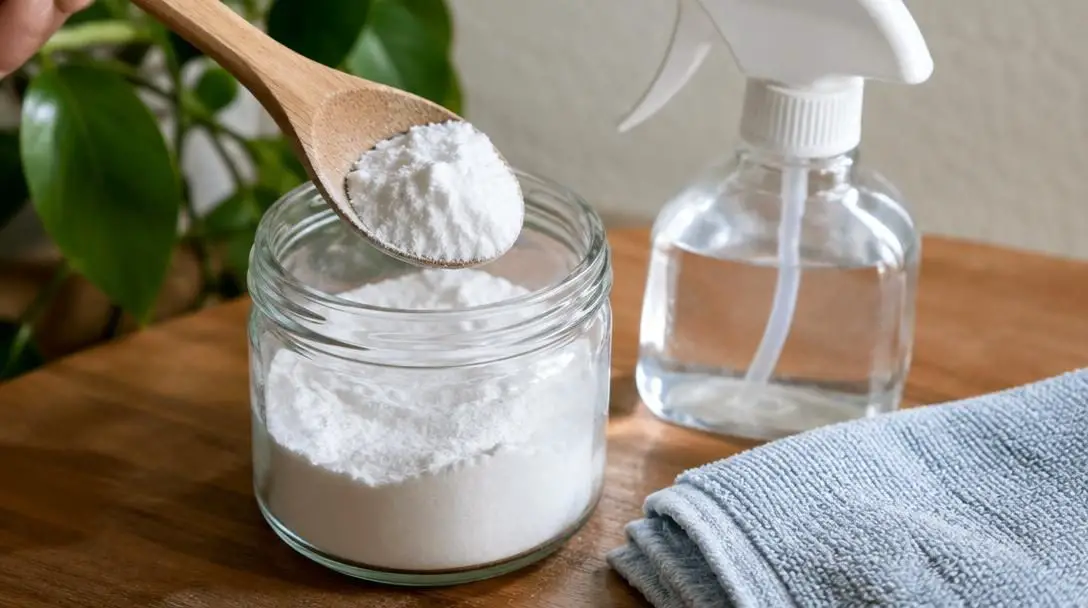
Rubbing alcohol provides rapid evaporation. When added to water and vinegar, it significantly lowers the overall drying time of the solution. This rapid action prevents liquid droplets from lingering on smooth glass and mirrors long enough to produce visible streaks or water spots.
Many common retail products carry high markups primarily due to fancy packaging, branding, and shipping costs, even though their primary active components are remarkably basic.
Household DIY Recipes at a Glance
Before mixing your own solutions, review the core components, applications, and preparation requirements for each formula. Each recipe uses accessible ingredients to replace a standard retail product.
| Recipe Name | Primary Ingredients | Primary Use Case | Key Benefit |
|---|---|---|---|
| Clothing Stain and Odor Stripper | Baking soda, vinegar, warm water, Dawn dish soap | Washable clothing and athletic gear | Eliminates deep sweat smells and hormonal odors |
| Straight Vinegar Weed Killer | Undiluted white vinegar | Walkway cracks, patio pavers, garden weeds | Non-toxic foliage control without manual digging |
| Streak-Free Glass Cleaner | Water, rubbing alcohol, vinegar | Mirrors, windows, and glass table tops | Fast evaporation leaves surfaces clear of residue |
| Simple All-Purpose Cleaner | Equal parts water and vinegar | Countertops, routine wipe-downs, utility messes | Replaces multiple single-room commercial sprays |
| Citrus Carpet Freshener | Baking soda, borax, fresh lemon zest | Carpets, rugs, and high-traffic floor areas | Absorbs stubborn odors without artificial perfumes |
Five Household Necessities You Can Make Yourself
Clothing Stain and Odor Stripper
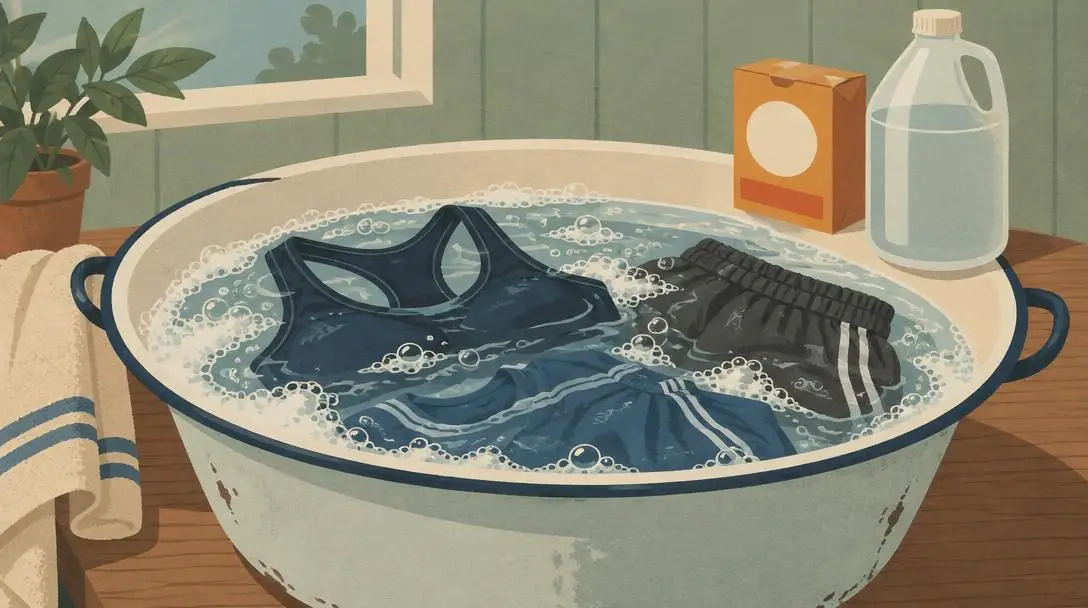
- Active agents: Baking soda, vinegar, warm water
- Optional additive: Dawn dish soap
- Treatment duration: 1 to 2 hours of soaking
- Best application: Workout garments and teenage clothing
Commercial stain removers and specialized odor-eliminating laundry sprays are notoriously expensive. Parents of active teenagers frequently struggle with strong, hormonal underarm smells that seem permanently trapped in performance fabrics and synthetic weaves. Standard laundry cycles often fail to break down these stubborn body oils. This simple soaking method strips stubborn sweat stains and intense odors out of washable clothing using a fizzy chemical reaction that releases embedded debris from textile fibers.
- Place the affected, noxious garments into a clean sink fitted securely with a drain stopper.
- Generously sprinkle baking soda directly over the stained and smelly sections of the fabric.
- Add vinegar liberally over the baking soda layer, observing the mixture as it vigorously bubbles and fizzes across the cloth.
- Pour warm water into the sink until the garments are fully submerged, adding a touch of Dawn dish soap if desired.
- Allow the clothes to soak in the solution undisturbed for an hour or two.
- Drain the water from the sink and thoroughly rinse the garments with fresh, clean water.
- Place the rinsed items directly into your regular machine wash cycle to finish cleaning.
Straight Vinegar Weed Killer
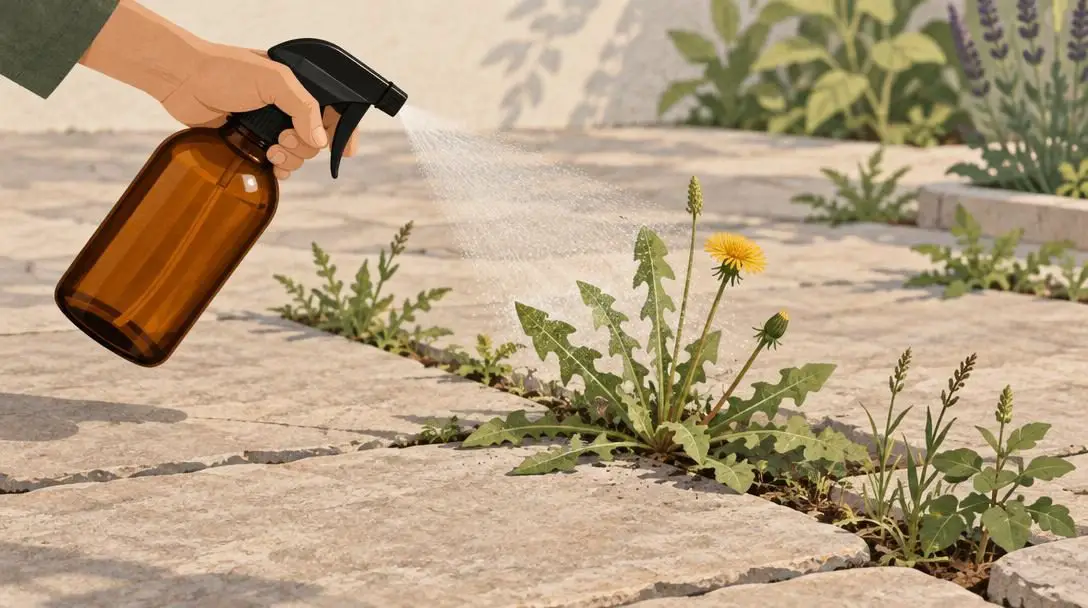
- Active agents: Straight white vinegar
- Dilution needed: None
- Target areas: Patio cracks, paver joints, stubborn roots
- Application tool: Clean spray bottle or garden applicator
Pulling weeds by hand can cause significant back strain and joint discomfort, especially when dealing with stubborn, deep-rooted growth sprouting in difficult places like gravel driveways and patio joints. Furthermore, many commercial chemical herbicides are expensive and introduce harsh synthetic toxins into your backyard ecosystem. Straight vinegar offers a direct, inexpensive alternative that targets unwanted foliage without the high price tag or environmental concerns of commercial weed treatments.
- Pour straight, undiluted vinegar directly into a clean spray bottle or garden applicator.
- Identify the problem areas where you cannot easily pull or dig out the roots of the weeds.
- Spray the straight vinegar generously over the foliage and base of the targeted weed.
- Observe the weed over the following days as the vinegar takes effect, desiccating the plant tissue so weeds do not stand a chance.
Streak-Free Glass Cleaner
- Active agents: Water, rubbing alcohol, vinegar
- Ratio: 2.5 cups water, 0.5 cup alcohol, 1 tbsp vinegar
- Key property: Rapid evaporation time
- Surfaces: Windows, mirrors, glass table tops
Store-bought window and glass sprays often contain artificial blue dyes and heavy synthetic fragrances that contribute nothing to the actual cleaning process. In many cases, these commercial formulations leave behind a hazy film that attracts dust soon after wiping. By combining a single tablespoon of vinegar with plain water and rubbing alcohol, you create a reliable spray that cuts through oily fingerprints, smudges, and dirt while evaporating almost instantly.
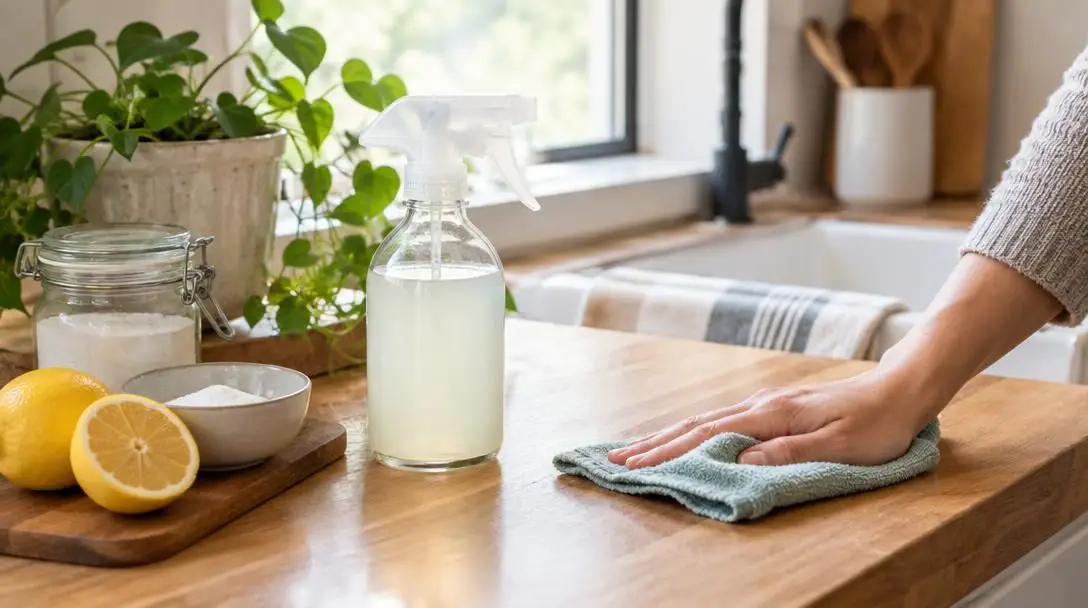
- Obtain a standard, clean spray bottle suitable for household liquids.
- Measure out two and a half cups of water and pour it directly into the bottle.
- Add one-half cup of rubbing alcohol to the water.
- Add one tablespoon of vinegar to complete the formula.
- Gently swirl or shake the bottle to ensure the rubbing alcohol, water, and vinegar are thoroughly combined.
- Spray the solution lightly onto your mirrors, windows, or glass table tops.
- Wipe the surface down using a clean microfiber or lint-free cloth just as you would with any store-bought glass cleaner.
Simple All-Purpose Cleaner
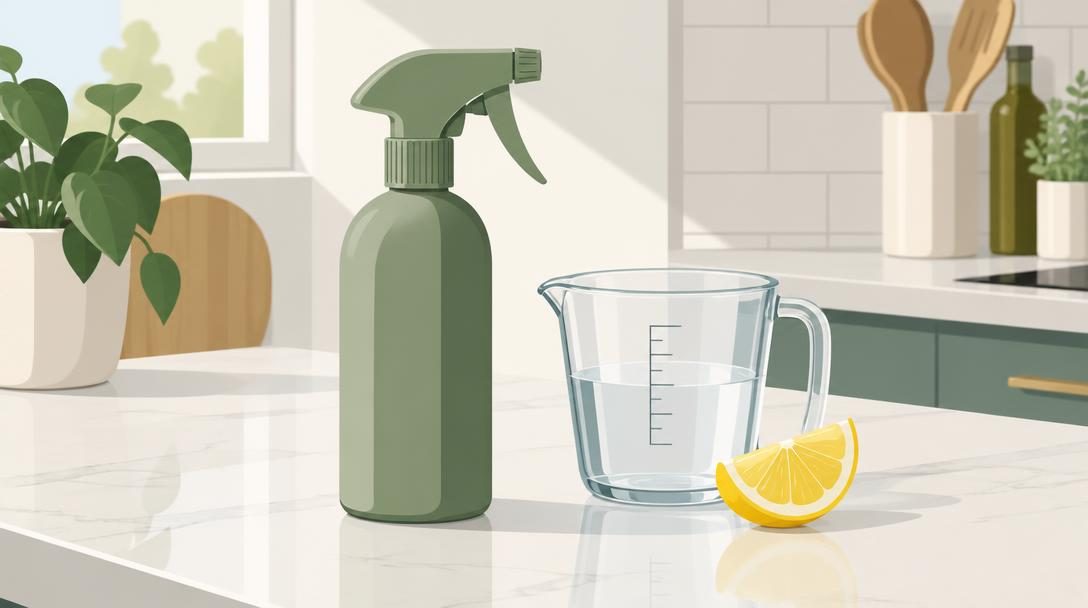
- Active agents: White vinegar, plain water
- Ratio: 1:1 equal parts mixture
- Storage: Standard durable spray bottle
- Application: Daily spills, kitchen wipe-downs, bathroom utility
Many households end up with cluttered cabinets full of specialized commercial sprays designed for single rooms or specific surface types. In reality, maintaining multiple distinct bottles is unnecessary for routine daily messes. A balanced mixture of water and vinegar serves as a dependable, multi-surface solution capable of handling daily spills, kitchen grease, and routine wipe-downs across your home without relying on harsh fumes or expensive packaging.
- Find an empty, durable spray bottle suitable for regular household cleaning.
- Measure equal parts of plain water and white vinegar, such as one cup of water mixed with one cup of vinegar.
- Secure the spray nozzle tightly and shake the bottle gently to blend the two liquids evenly.
- Keep the spray bottle readily accessible in your kitchen, bathroom, or utility area.
- When dirt or a daily mess appears, apply the spray directly onto household surfaces and wipe clean as needed.
Citrus Carpet Freshener
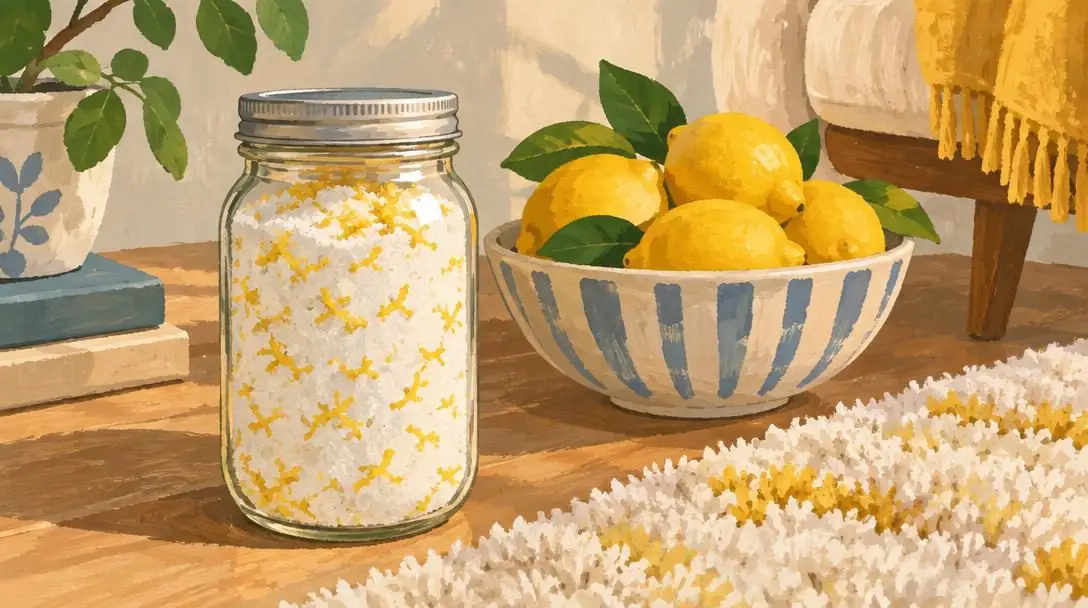
- Active agents: Baking soda, borax, fresh lemon zest
- Ratio: 2 cups baking soda, 1 cup borax, 2 tsp zest
- Drying requirement: Air-dry completely before storage
- Container: Clean glass mason jar
Carpets and large area rugs naturally trap dirt, foot traffic debris, pet dander, and ambient household odors deep inside their fibers. Instead of purchasing powdered carpet treatments packed with artificial scents and chemical carriers, you can prepare a custom dry blend using baking soda, borax, and fresh lemon zest. The alkaline powders absorb trapped moisture and odors, while the natural oils in the citrus zest leave behind a light, clean aroma without artificial perfuming agents.
- Measure two cups of baking soda and pour it into a wide mixing bowl.
- Add one cup of borax to the bowl alongside the baking soda.
- Grate a fresh lemon to collect approximately two teaspoons of fine lemon zest, and add it to the dry powders.
- Stir the mixture thoroughly with a fork or whisk to distribute the lemon zest evenly through the powders.
- Leave the mixture uncovered and let it sit undisturbed until any residual moisture from the fresh citrus zest has completely evaporated.
- Transfer the thoroughly dried mixture into a clean mason jar for long-term storage.
- When carpets or rugs need deodorizing, sprinkle the citrus freshener evenly across the surface.
- Wait several minutes to give the powder time to absorb loose dirt and trapped odors.
- Vacuum the carpet thoroughly to lift away both the powder and the absorbed odors.
Crucial Mistakes to Avoid With Homemade Cleaners
While preparing homemade cleaning supplies is straightforward, avoiding standard missteps ensures your DIY products remain safe for household materials and deliver consistent results. Simple ingredients carry active properties that require proper handling and dilution.
- Storing damp carpet powder: If you transfer your carpet freshener into a sealed mason jar before moisture from the lemon zest has fully evaporated, the mixture may clump together or develop mold. Always ensure the zest is completely dry before sealing the container.
- Improper dilution of glass cleaner: Using too much vinegar in your glass spray can leave light streaks and film behind on reflective surfaces. Follow the recipe carefully by keeping vinegar to a single tablespoon alongside the water and rubbing alcohol.
- Skipping the soak time on clothing: When stripping stubborn odors from fabrics, draining the sink too quickly reduces the effectiveness of the treatment. Allow garments to soak for the full one to two hours so the baking soda, vinegar, and warm water have enough time to loosen deeply embedded body oils.
- Applying weed killer indiscriminately: Because straight vinegar acts aggressively against plant life by drying out foliage, spraying it carelessly will damage desirable lawn grass, perennial flowers, or garden plants. Focus your spray directly on the specific weeds you wish to eliminate.
- Failing to test surface compatibility: Vinegar is an acid, which means it should not be applied indiscriminately to all materials. Delicate surfaces, such as natural unsealed stone or marble, can etch or dull when exposed to acidic liquids, so it is always sensible to check your surface material before cleaning.
Frequently asked questions
Can I use homemade all-purpose cleaner on marble or granite?
Vinegar is an acid, which means it should not be applied indiscriminately to all materials. Delicate surfaces like natural unsealed stone or marble can react poorly to acidic liquids, so verify your counter material and avoid using vinegar-based sprays on acid-sensitive stone.
Why does the glass cleaner recipe call for rubbing alcohol?
Rubbing alcohol provides rapid evaporation. When combined with water and a tiny dab of vinegar, it dramatically reduces drying time, preventing liquid droplets from resting on mirrors and glass long enough to leave visible streaks.
How long should garments soak in the odor-stripping bath?
Garments should soak in the sink bath for a full one to two hours. Skipping or shortening the soak time reduces the ability of the baking soda, vinegar, and warm water mixture to loosen stubborn hormonal sweat odors trapped in fabric weaves.
Why must the lemon zest dry completely before sealing the carpet freshener?
Fresh citrus zest carries natural moisture. If you seal the mixture in a mason jar while damp, the powders can clump together or encourage mold growth. Leaving the blend open to air dry ensures a free-flowing powder suitable for long-term storage.
Does straight vinegar kill weed roots or just the leaves?
Straight vinegar acts directly on unwanted foliage and plant bases where manual digging is difficult. Spraying it undiluted over targeted weed leaves and crowns creates an effective barrier to unwanted growth by breaking down plant tissue over the following days.
The bottom line
Once you experience the cost savings and convenience of these five core preparations, you can evaluate how to further streamline your home cleaning routines. Take inventory of the cleaning products you currently buy on a recurring basis. Notice how many commercial formulations rely on the same fundamental base ingredients you now keep in your pantry.
By maintaining a steady supply of vinegar, baking soda, borax, and rubbing alcohol, you can easily replenish your bottles as soon as they run empty without having to make a special trip to the store. Select the recipes that best match your family's everyday needs and lifestyle. Whether you need to eliminate laundry smells from active teenagers, clear stubborn weeds from your patio pavers, or keep your windows clear and bright, these simple home solutions offer a sensible, affordable path forward. Once you get comfortable mixing these essentials, keep exploring other basic household items you can replace—and remember that chances are, your next useful DIY recipe will probably feature vinegar!