5 Insider Secrets to Score Your Favorite Artist’s Concert Tickets
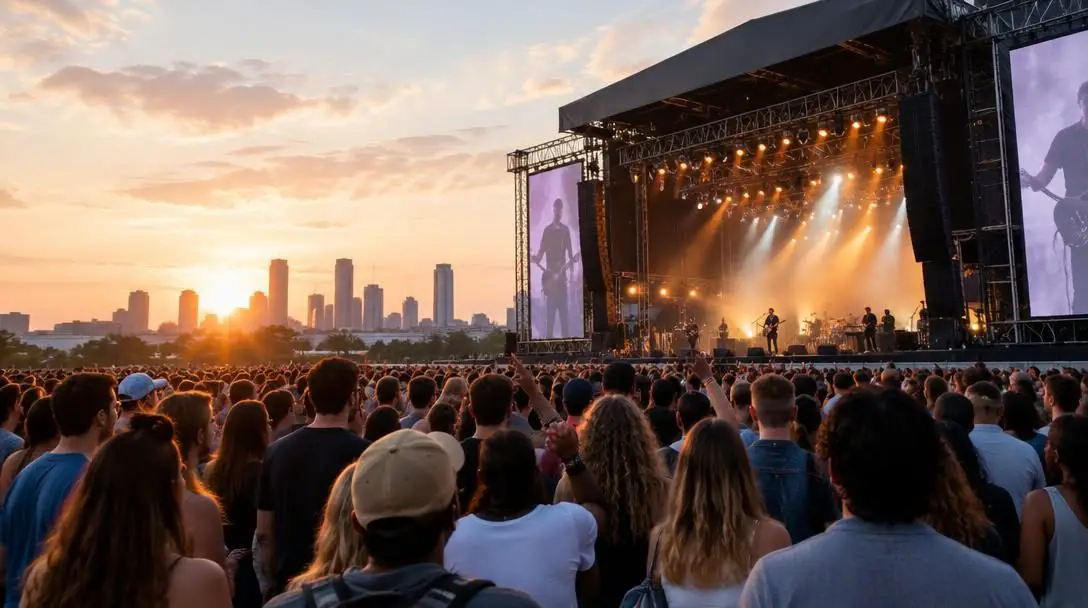
Attending a live concert by a favorite artist is one of the most thrilling experiences a music fan can have. Yet for anyone who has watched a digital countdown drop to zero only to see every seat vanish in an instant, securing admission can feel nearly impossible. As arena and stadium tours command intense cultural attention, obtaining seats requires far more than casual browsing on a Friday morning.
The modern concert ticketing ecosystem is governed by algorithmic queuing, strict timing windows, and tiered inventory allocations that favor organized buyers. By understanding the inner mechanics of digital queues, pre-sale allocations, and checkout operations, fans can move past the frustration of rapid sellouts and significantly increase their odds of landing face-value seats.
Key takeaways
- Most arena and stadium seats are distributed through early access tiers, leaving only a fraction of total capacity for general sales.
- Fan clubs, venue newsletters, and social channels distribute pre-sale access codes that bypass general public competition.
- Using separate internet connections across multiple devices improves your probability of getting an early queue placement.
- Manual browser refreshes inside digital waiting rooms will reset your queue position and send you to the back of the line.
- Production holds and added tour dates offer secondary opportunities to purchase tickets at face value if the initial drop sells out.
Behind the Box Office: Why Popular Concerts Sell Out in Minutes
When an artist announces an arena, amphitheater, or stadium tour, the overall capacity of the venue often appears enormous on paper. A typical professional sports arena can host between 15,000 and 20,000 attendees, while major athletic stadiums accommodate 50,000 to 80,000 patrons or more. However, the quantity of tickets actually available to the general public during an initial sale is only a fraction of that total capacity.
Before standard buyers ever see an interactive seating chart, significant portions of the venue are carved out for specialized groups. Promoters, touring artists, record labels, and corporate tour sponsors routinely hold large blocks of premier inventory. In addition, high-tier VIP package deals, credit card partnerships, and specialized fan allocations take precedence. By the time the general on-sale window arrives, thousands of eager fans are left scrambling for a heavily reduced inventory pool.
By the time the general on-sale window officially opens, thousands of potential ticket buyers are left competing for a small fraction of the venue's total capacity.
At the exact instant tickets drop, digital ticketing platforms must manage monumental surges in web traffic. Automated programs, independent commercial ticket brokers, and legions of dedicated fans all hit the checkout infrastructure simultaneously. Because modern ticketing systems process inventory in real time, thousands of seats are reserved and transferred into checkout carts in a matter of seconds. Without early access codes or a rigorous purchase plan, fans entering the general on-sale window face an uphill battle against overwhelming competition.
Pre-Sales and Access Tiers: How Early Drops Function
Pre-sales are restricted sales windows scheduled days or hours before the general public on-sale event. Tour promoters and ticketing companies implement pre-sales to accomplish several objectives: they reward core fan demographics, stress-test their server infrastructure under controlled traffic loads, and gauge real-time audience demand before opening general inventory.
Access to these restricted sales is almost always gated behind specific requirements. Depending on the tier, purchasers must submit a unique pre-sale password, use an individualized single-use link, or possess a registered account associated with an authorized subscriber list. These credentials come from specific channels, including official fan clubs, social media distributions, and local venue marketing blasts. Tapping into each channel gives you multiple opportunities to buy tickets before the broad market even gains access.
To keep web traffic manageable during high-profile releases, ticketing platforms route buyers through virtual waiting rooms. These digital holding pens aggregate prospective buyers before the official on-sale time and assign randomized queue spots once the sale opens. Navigating these systems requires patience, digital discipline, and an understanding of how web sessions interact with ticketing platforms.
5 Insider Secrets to Score Your Favorite Artist's Concert Tickets
Securing coveted seats requires planning ahead rather than relying on luck. By applying the five established insider strategies outlined below, you can bypass common bottlenecks and dramatically increase your likelihood of attending the show.
Join the Fan Club
Official artist fan clubs remain one of the most reliable methods for securing early ticket access. Many major touring performers maintain dedicated fan organizations that provide exclusive pre-sale access before any inventory is offered to the broader market. In many cases, joining an artist's official club is completely free, while others may offer paid membership tiers that include priority ticketing access alongside other perks.
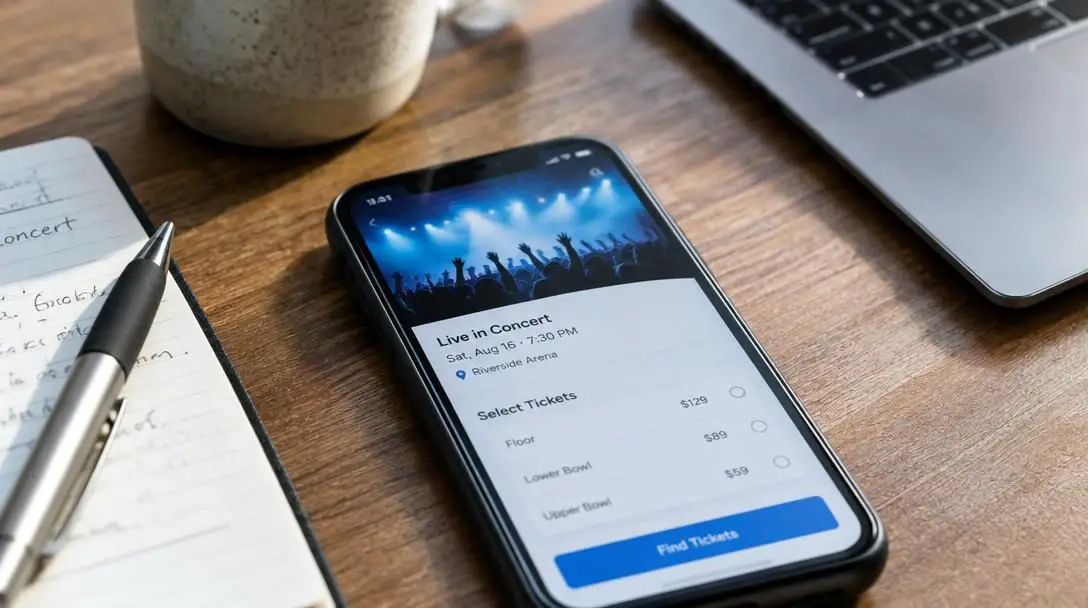
Beyond earlier purchase windows, fan club members are frequently eligible for exclusive promotions, special merchandise packages, and potential meet-and-greet opportunities with the artist. Prospective buyers should explore the artist's official website and verify their membership well before tour dates are announced, ensuring they receive all pre-sale instructions and verification codes ahead of time.
Follow Your Favorite Artist on Social Media
Social media platforms serve as the primary direct-to-consumer communication pipeline for musicians and their management teams. Major touring acts routinely share sudden tour updates, surprise dates, and exclusive pre-sale codes across their official accounts on platforms like Twitter, Instagram, and Facebook.
Because social media posts can be distributed instantly, artists often drop spontaneous pre-sale passwords or direct links exclusively for their social followers. Monitoring these accounts closely ensures you receive notifications the moment a tour leg is expanded or an unannounced pre-sale window is revealed.
Sign Up for Venue and Ticketing Company Emails
While artist channels receive significant attention, local concert venues and primary ticketing operators maintain their own specialized marketing newsletters. Registering for email alerts from both the specific venue hosting the event and the authorized ticketing company operating the box office provides an invaluable competitive edge.
These email newsletters regularly include unique venue pre-sale codes, early bird ticketing notices, and special seating announcements that are completely separate from artist fan club drops. Because venue pre-sales often experience less traffic than national artist drops, they frequently provide some of the best opportunities to secure prime lower-bowl and floor seating.
Use Multiple Devices and Internet Connections
Severe network congestion is the leading cause of failed transactions during major ticket releases. When hundreds of thousands of users access a ticketing portal simultaneously, individual browser sessions can freeze, time out, or fail to load checkout forms. To counter this, buyers should deploy multiple devices operating across independent internet connections.
The most effective strategy involves running one session on a home computer connected to standard broadband or Wi-Fi, and a second session on a mobile smartphone operating exclusively on a cellular data connection. Because each device uses a distinct IP address, you create two separate opportunities to gain a favorable position in the virtual queue without triggering automated bot-detection filters.
Be Ready to Buy When Tickets Go on Sale
The most crucial secret to landing concert tickets is flawless operational readiness when the timer reaches zero. Because high-demand tour inventory can disappear within minutes, hesitating or fumbling for account credentials will almost certainly result in an empty cart.
Buyers must set calendar reminders for the exact on-sale time, verify their login details beforehand, and keep their preferred payment methods directly on hand. Treating the purchase window with urgency and being prepared to complete the checkout flow without delay makes the difference between securing seats and missing out entirely.
Comparing Primary Pre-Sale and Ticket Channels
Different access channels offer distinct benefits depending on the artist, the venue, and the size of the tour. Evaluating the characteristics of each access tier helps buyers determine where to focus their preparation efforts before tickets go on sale.
| Access Channel | Primary Benefit | Access Requirement | Typical Notice Period |
|---|---|---|---|
| Artist Fan Club | Earliest ticket window and exclusive packages | Club membership registration or code | Days before general announcement |
| Artist Social Media | Real-time alerts and surprise passwords | Following official verified profiles | Hours to days prior to drop |
| Venue Newsletters | Local pre-sales with lower digital traffic | Email subscription to the arena or hall | 24 to 48 hours before sale |
| Ticketing Platforms | Direct access to official primary inventory | Verified account profile and valid billing | Promotional emails prior to launch |
Step-by-Step Strategy for On-Sale Day
Executing a successful ticket purchase requires structured preparation before the sale begins. Following a methodical pre-launch routine prevents technical delays and helps you navigate digital waiting rooms with minimal friction.
- Audit your digital subscriptions: Confirm your active registration in the artist's fan club, verify that you follow their official accounts on Twitter, Instagram, and Facebook, and check your email inbox for active newsletters from the host venue and the ticketing provider.
- Set up and verify your ticketing account: Access your primary ticketing account at least 24 hours prior to the sale. Confirm that your password works, update your contact email, and verify that your default payment cards and billing addresses are saved correctly in your digital wallet.
- Set precise calendar alerts: Program an alarm on your phone or calendar for 10 to 15 minutes prior to the scheduled launch time. This buffer gives you sufficient time to settle at your workstation, organize your browser tabs, and eliminate ambient distractions.
- Configure your hardware and networks: Power up your desktop or laptop on your standard home Wi-Fi network, and unlock your smartphone running solely on cellular mobile data. Verify that both devices can load the platform smoothly.
- Locate and copy your access codes: Open the email or fan club portal containing your pre-sale password or unique entry link. Copy the code into an open text document or clipboard tool so you can paste it instantly without mistyping under pressure.
- Enter the waiting room early: Navigate to the event's ticketing page 10 to 15 minutes before the on-sale time to join the pre-queue waiting room. Once admitted to the interactive seat selector, choose your desired seats immediately and finalize payment without delay.
Critical Mistakes to Avoid During High-Demand Drops
Even seasoned concertgoers can walk away empty-handed due to minor missteps during checkout. Avoiding these frequent traps will keep your purchase process running smoothly from the moment you join the queue to the final confirmation page.
- Refreshing the virtual queue: Once you enter a digital waiting room, the page is programmed to advance automatically. Manually refreshing your browser resets your unique session token, dumping you out of line and placing you behind thousands of other prospective buyers.
- Failing to log in ahead of time: Postponing your account login until after you select your seats is a critical error. Temporary seat holds are governed by strict timers; dealing with a forgotten password or multi-factor authentication prompt while the clock runs will cause your reservation to expire.
- Searching with overly narrow seat criteria: When thousands of transactions occur every second, searching exclusively for a single row or specific seat numbers often leads to cart conflicts. Selecting the broader category of acceptable seating increases your likelihood of checking out before inventory sells out.
- Ignoring secondary communication folders: Important pre-sale codes and direct entry links frequently end up in spam, junk, or promotional email filters. Check these secondary folders well before launch day so you do not miss critical access codes.
- Using the same network across all devices: Connecting multiple laptops, phones, and tablets to the exact same Wi-Fi router can cause ticketing security software to flag your home IP address as bot activity. Always place secondary devices on independent cellular connections to keep your sessions safe.
- Hesitating during the reservation window: Ticketing platforms generally grant users a brief checkout window of only a few minutes. Spending this time re-evaluating price tiers or debating sightlines will cause the reservation timer to lapse, releasing your seats back to the public pool.
What to Do If the Show Sells Out: Secondary Releases and Tour Expansions
If you execute every strategy and the event still sells out immediately, all hope is not lost. The lifecycle of a major concert tour remains fluid between the initial launch date and the evening of the performance, creating several alternative routes to secure face-value admission.
First, keep a watchful eye on official ticketing feeds as the concert date draws near. In the final weeks and days leading up to the show, tour management and production teams finalize the physical layout of the stage, including lighting towers, audio mixing consoles, and camera platforms. Once these production sightlines are confirmed, venues frequently release production holds—seats originally withheld from public sale that are suddenly deemed safe and unobstructed. These surprise drops are sold directly through primary ticketing channels at standard face-value rates.
Second, stay engaged with the artist's social media platforms and fan club community. When initial tour dates in a major metropolitan market sell out within minutes, promoters frequently add second or third performances to the tour itinerary. Because you are already an active subscriber to fan club newsletters and social accounts, you will be in the first wave of buyers notified when supplemental shows and pre-sales are announced.
Finally, exercise extreme caution if you choose to explore secondary ticket platforms. Always utilize verified, established resale platforms that offer authentic ticket guarantees, and steer clear of direct, unverified peer-to-peer money transfers on social forums. High-demand entertainment events attract fraudulent schemes, making verification and platform security essential for every transaction.
Frequently asked questions
Does joining an artist's fan club guarantee a concert ticket?
Joining an artist's fan club grants you early access to pre-sale ticket allotments, but it does not guarantee a seat. Because pre-sale inventory is limited and many fans participate, seats can still sell out before every member completes a purchase.
Why is it better to use both Wi-Fi and cellular data when buying tickets?
Using one device on home Wi-Fi and a second device on cellular data creates two distinct network connections with separate IP addresses. This setup doubles your opportunities to secure an early queue spot without triggering security mechanisms that flag multiple requests from the same network.
What should I do if the digital queue page appears to freeze?
Avoid manually refreshing the browser. Queue pages are designed to update dynamically, and manual refreshes can break your session token and reset your place in line. Allow the page to load automatically unless the platform displays an explicit error message prompting a restart.
What are venue pre-sales, and how do they differ from fan club sales?
Venue pre-sales are organized directly by the hosting arena or theater rather than the artist's management. They typically occur after the fan club window and require a password distributed via the venue's email list, often featuring less buyer competition than national artist pre-sales.
What are production holds, and when do they become available?
Production holds are blocks of seats withheld by promoters until stage dimensions, audio rigs, and sightlines are finalized inside the venue. These tickets are typically released back to the general public through the primary ticketing platform in the weeks or days immediately preceding the show.
The Bottom Line
Securing tickets to high-profile concerts in an era of hyper-compressed digital sales requires proactive organization, technical preparation, and strategic timing. The days of simply opening a browser tab at the exact moment a tour goes on sale are over; today's successful concertgoers rely on early access channels, structured device management, and disciplined checkout execution.
By leveraging artist fan clubs, tracking verified social announcements, signing up for venue newsletters, and maintaining separate network connections, you position yourself far ahead of the average ticket buyer. When the drop arrives, stay calm, avoid refreshing your queue position, and be ready to finalize your transaction immediately. With a clear plan in place, you can bypass the stress of the digital box office and secure your place in the crowd.