
Score Big Savings on Your Next Grocery Haul with These 5 Tips

For most households, food represents one of the largest recurring expenses alongside housing and transportation. Because grocery purchases happen every week or several times a month, small price increases can quietly erode a household budget over time. Supermarkets are intentionally engineered to encourage impulse spending, deploying strategic store layouts, eye-catching endcap displays, and enticing packaging to fill your cart. Without a clear system, it is remarkably easy to overspend at the checkout counter.
Trimming your grocery bill does not require you to compromise on nutrition or sacrifice the quality of the meals you prepare for your family. By adopting structured shopping habits and understanding retailer economics, you can reliably reduce your food costs while still enjoying wholesome, satisfying dishes. Regaining control of your spending begins with five fundamental shopping techniques designed to fit seamlessly into everyday life.
Key takeaways
- Drafting and strictly following a detailed shopping list prevents costly impulse purchases.
- Planning weekly meals around shared ingredients and batch cooking sharply cuts down on food waste.
- Checking weekly sales circulars and stacking coupons allows you to plan menus around discounted items.
- Purchasing non-perishable staples and freezer-friendly meats in bulk lowers your per-unit costs when managed carefully.
- Comparing prices across retailers and digital apps ensures you never overpay for basic household goods.
Five Essential Strategies to Lower Grocery Costs
Supermarkets design their shopping environments to influence what you put in your cart before you even realize you are spending money. Countering these retail strategies requires taking a disciplined approach before setting foot in the aisles. Implementing these core methods will help you stretch your grocery dollars while maintaining a balanced diet.
| Strategy | Primary Benefit | Best Applied To | Key Consideration |
|---|---|---|---|
| Make a shopping list | Eliminates impulse buys | Entire shopping trip | Requires strict discipline to avoid off-list items |
| Plan weekly meals | Minimizes ingredient spoilage | Perishable goods and produce | Schedule recipes that share overlapping ingredients |
| Shop the weekly sales | Lowers baseline ingredient costs | Seasonal produce and proteins | Match manufacturer coupons to weekly circular discounts |
| Buy in bulk | Reduces cost per unit | Dry goods, grains, and meats | Avoid buying more than you can store or consume before expiration |
| Compare store prices | Finds the best retail margins | Pantry staples and high-cost items | Use apps and websites rather than assuming one store is cheapest |
Make a Concrete Shopping List
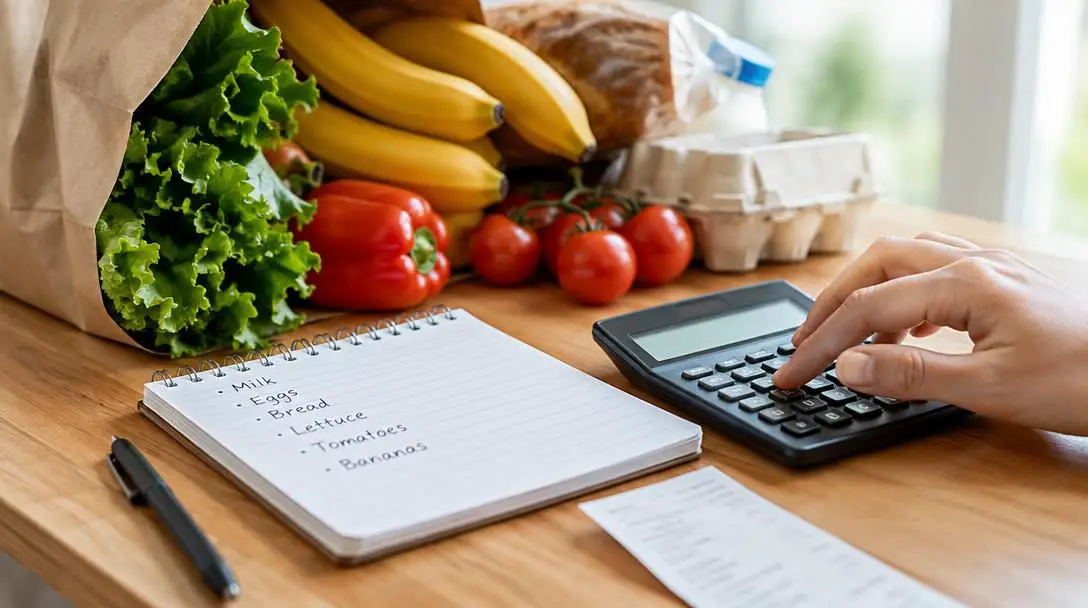
Heading into the supermarket without a list is like embarking on a road trip without a map; you will likely lose your way and spend substantially more money than you intended. A clear, well-organized shopping list serves as a boundary that keeps you anchored to what your kitchen truly requires. When you browse the aisles without a plan, spontaneous cravings and retail promotions dictate your selections, causing your total bill to climb rapidly. To make this tactic work, write down the exact items you need, keep the paper or digital list in your hand throughout your trip, and make a firm commitment not to deviate from it.
Plan Your Weekly Meals
Meal planning is one of the most effective tools for keeping food spending under control. When you outline your menu for the week ahead, you purchase only the items necessary for specific recipes, which prevents unnecessary purchases and drastically reduces food waste. A smart meal plan maximizes ingredient utility: if a recipe requires half a bunch of celery or a portion of fresh herbs, choose another meal later in the week that consumes the remainder so nothing wilts in your refrigerator crisper drawer. Furthermore, planning allows you to cook larger batches and freeze the leftovers, converting an evening of cooking into several affordable meals later on.
A bulk purchase only saves money if the food is eaten before it reaches its expiration date.
Shop the Weekly Sales and Stack Coupons
Timing your shopping around retail markdown schedules is a proven way to drive down spending. Most grocers update their weekly sales circulars regularly, offering steep discounts on selected proteins, seasonal produce, and packaged goods. Instead of deciding what to cook in a vacuum, review the store ad first and construct your meals around the featured sale items. To maximize your savings even further, look for manufacturer coupons or digital store coupons that align with those sale prices. Stacking promotional discounts with coupon markdowns ensures you pay the lowest possible baseline price for your groceries.
Buy Shelf-Stable Staples and Meat in Bulk
Package sizing has a direct impact on unit economics. Buying in bulk is often substantially cheaper per ounce or per pound because packaging, transportation, and marketing costs are reduced across larger quantities. Shelf-stable dry goods such as rice, dry beans, pasta, and whole-grain cereal are ideal candidates for bulk purchases because they have long shelf lives and will not spoil in the pantry. You can also purchase larger family packs of meat at a discounted per-pound rate, portion them into meal-sized bags, and freeze them for future meals. However, purchasing in bulk demands caution: buying perishable goods that expire before you can consume them completely wipes out any initial savings.
Compare Prices Across Stores and Apps
A common shopping mistake is assuming that a single supermarket always offers the lowest prices on everything. In reality, retail pricing varies widely across different departments; a store known for inexpensive dairy may set significantly higher prices on produce, meats, or specialty pantry staples. Taking the time to compare prices across local markets ensures you receive genuine value. You can compare product prices without driving to multiple locations by using price comparison apps and checking digital store inventories online. Evaluating your options beforehand reveals which grocers offer the best everyday value for your staple purchases.
Step-by-Step Guide to Executing Your Shopping Run
Lowering your food expenses does not have to be complicated, but it does require following a structured process from start to finish. Transforming these tips into routine habits ensures lasting savings across every grocery trip.

- Review the weekly sales circulars and digital coupon offerings from your preferred local grocers to identify top discounts on produce, meat, and pantry items.
- Draft a weekly menu built around those discounted items, choosing recipes that utilize overlapping ingredients to minimize leftover waste.
- Audit your refrigerator, freezer, and pantry to see what ingredients you already have on hand, incorporating those items into the weekly menu before buying more.
- Compile a precise, categorized shopping list containing exact quantities, and resolve to buy only the items written down.
- Check grocery price comparison apps or store websites for your highest-cost items to verify which store offers the best unit prices.
- Navigate the grocery store with your list in hand, steering clear of promotional endcaps and aisles that hold items not on your agenda.
- Portion and store your purchases as soon as you get home, dividing bulk meats into freezer bags and storing produce properly to prolong freshness.
Common Traps That Drain Your Food Budget
Even conscientious shoppers can fall into everyday habits that quietly drive up their supermarket totals. Recognizing these pitfalls makes it far easier to keep your budget intact.
- Wandering aisles without a written list: Browsing without a defined plan invites impulse buys that accumulate quickly at the checkout stand.
- Letting bulk purchases spoil: Buying massive quantities of food that reaches its expiration date before consumption turns your intended savings into pure waste.
- Assuming one store is always cheapest: Sticking exclusively to one retailer without comparing prices across competitors often means overpaying in specific categories.
- Ignoring circulars and promotions: Choosing recipes without checking current store sales leaves you paying top dollar for full-price ingredients.
- Cooking single meals without a leftover plan: Preparing unique meals every single night increases ingredient variety and raises the likelihood that half-used jars and fresh herbs will spoil.
- Shopping on an empty stomach: Entering a supermarket hungry weakens willpower, making snacks and convenience foods significantly harder to resist.
Sustaining Your Savings for the Long Term
Consistency is key when managing a household budget, and refining your shopping routines over time produces steady financial gains. After practicing these techniques for several weeks, evaluate your progress by reviewing your receipts. Checking your monthly totals will demonstrate how small changes—such as planning meals around sales and cutting food waste—leave meaningful funds in your pocket without altering the quality or nutritional standard of your family's meals.
To support this routine, establish organized home storage systems. Maintain dedicated space in your freezer for pre-portioned bulk meats and batch-cooked meals. Keep your pantry neat so that staples like beans, grains, and pasta are clearly visible, preventing duplicate purchases of items you already own. Keeping your favorite grocery apps organized on your phone makes comparing unit prices and clipping digital coupons quick and convenient.
Frequently asked questions
How does making a list prevent overspending?
A shopping list creates clear boundaries for your trip. Supermarket layouts and promotional displays are specifically arranged to tempt you into making unplanned purchases; having a written inventory keeps your focus on what you actually need and stops costly impulse buys.
What should I do if a bulk item is cheaper per unit but too large to eat quickly?
Only buy large quantities if the item is shelf-stable, like rice, beans, or pasta, or if it can be safely frozen. For instance, you can buy family packs of meat at a lower per-pound cost, portion them out into meal-sized bags at home, and freeze them for future weeks before their expiration date.
How can I plan meals without buying too many different ingredients?
Select recipes that share common produce, dairy, or pantry staples. If one meal requires a portion of fresh herbs, celery, or sour cream, schedule another meal that uses the remaining amount so no single fresh ingredient is left to spoil in the refrigerator.
Are grocery price comparison apps really worth the effort?
Yes. Prices on staples vary substantially between grocery stores, and no single store is cheapest across every department. Checking apps or retailer websites allows you to quickly spot where your most expensive items are priced lowest without having to physically travel between stores.
What is the easiest way to combine sales and coupons?
Start by reviewing the weekly grocery store ad to find which proteins and pantry goods are discounted. Then, search through digital store coupons or manufacturer coupons for matching products to stack your savings on top of the already reduced sale prices.
The bottom line
Trimming your grocery expenses does not require extreme couponing or sacrificing the nutritional quality of your meals. By adopting proactive habits—such as organizing your trips with a list, planning menus around sales circulars, capitalizing on bulk unit pricing, and comparing local store costs—you can systematically reduce what you spend at the checkout counter. With thoughtful preparation and consistent routines, you can stretch your food dollars, eliminate unnecessary kitchen waste, and keep more money in your household budget every month.