5 LGBTQ+ Musicians Who Changed Music
The LGBTQ+ community has exerted a profound and lasting influence on the modern music industry, reshaping how global audiences experience, interpret, and value sound. Throughout history, trailblazing performers have brought their lived realities into recording studios and stadium stages, demonstrating that genuine personal authenticity and massive commercial triumph can thrive together.
Historically, stepping forward with a non-heteronormative identity carried severe commercial and social risks, from radio blackouts to widespread public ostracization. Despite these steep systemic barriers, queer musicians reimagined vocal arrangements, stagecraft, and genre boundaries, driving a continuous cultural transformation toward broader creative freedom and social acceptance.
Key takeaways
- LGBTQ+ musicians have continually dismantled creative barriers across rock, pop, hip-hop, R&B, and funk.
- Public authenticity from influential artists has transformed industry standards and expanded commercial opportunities for future creators.
- Groundbreaking releases like Queen's "Bohemian Rhapsody" and Janelle Monáe's "Make Me Feel" provided defining anthems for queer identity and cultural empowerment.
- Understanding queer music history requires examining how personal storytelling directly fuels musical innovation across different social eras.
Pioneering artists at a glance
Across multiple generations and stylistic disciplines, queer creators have expanded the vocabulary of popular music while challenging entrenched social paradigms.
| Artist | Key Works Highlighted | Musical Spheres | Historical Milestone |
|---|---|---|---|
| Freddie Mercury | "Bohemian Rhapsody" | Classic rock, operatic rock | Brought unapologetic bisexuality and theatrical mastery to global stadium stages. |
| Elton John | "Your Song", "Rocket Man", "Tiny Dancer" | Pop, piano rock | Came out as gay in the 1980s and championed representation for people with AIDS. |
| Frank Ocean | "Channel Orange", "Thinkin' Bout You", "Novacane" | Contemporary R&B, progressive pop | Came out as bisexual in 2012, setting a precedent for candor in modern pop music. |
| Lil Nas X | "Old Town Road" | Hip-hop, country fusion | First Black and gay man featured on the Forbes 30 Under 30 annual list. |
| Janelle Monáe | "The ArchAndroid", "Make Me Feel" | Soul, funk, art-pop | Forged queer concept albums exploring liberation, gender, and personal identity. |
Five influential LGBTQ+ musicians who changed the game
Modern musical diversity exists largely because individual visionaries dared to dismantle commercial conventions. The following five artists redefined popular performance and opened vital creative avenues for subsequent generations.
Freddie Mercury
- Primary Role: Lead vocalist of Queen
- Signature Musical Element: Expansive vocal range and flamboyant stage presence
- Prominent Track: "Bohemian Rhapsody"
- Identity Milestone: Openly embraced bisexuality during an era of intense social taboo
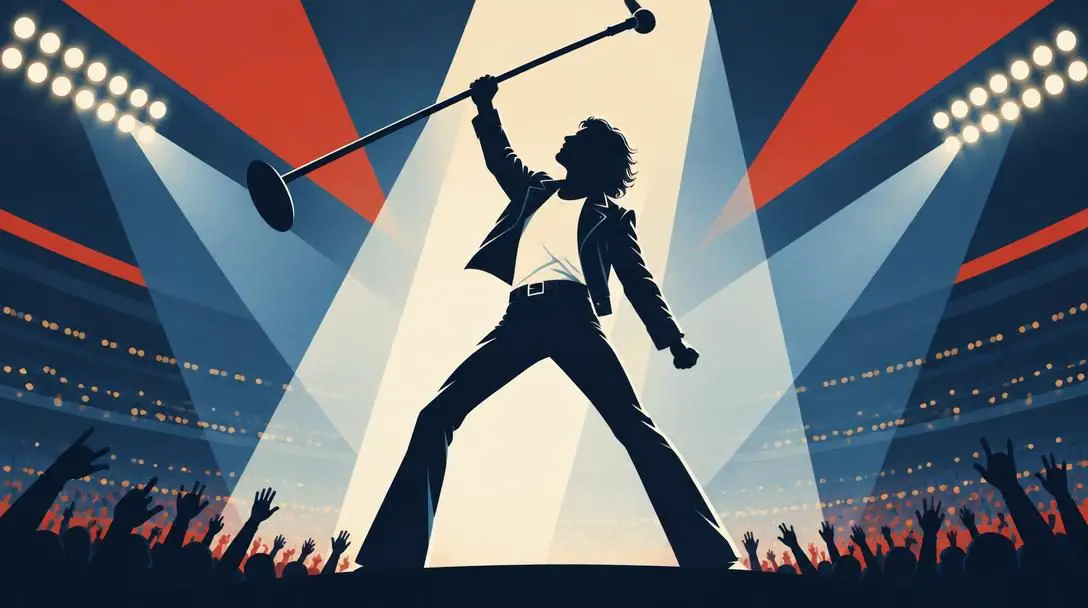
Freddie Mercury remains one of the most electric performers in music history. As the dynamic frontman for the rock band Queen, Mercury earned worldwide renown through his four-octave capabilities, operatic vocal arrangements, and magnetic stadium presence. His theatrical stage personas and flamboyant visual aesthetic permanently elevated the standard of rock performance.
Mercury maintained an open posture regarding his bisexuality during a historical period when non-heterosexual identities faced deep public hostility. His fierce, unapologetic presence provided a foundational blueprint for queer expression in rock. The enduring masterpiece "Bohemian Rhapsody" emerged as a towering anthem of queer defiance, showcasing how boundary-pushing composition could achieve unprecedented global commercial longevity.
Elton John
- Career Span: Multiple decades of pop and rock dominance
- Signature Hits: "Your Song", "Rocket Man", "Tiny Dancer"
- Historical Era: Came out as gay during the 1980s
- Advocacy Focus: High-profile support and cultural representation for people with AIDS
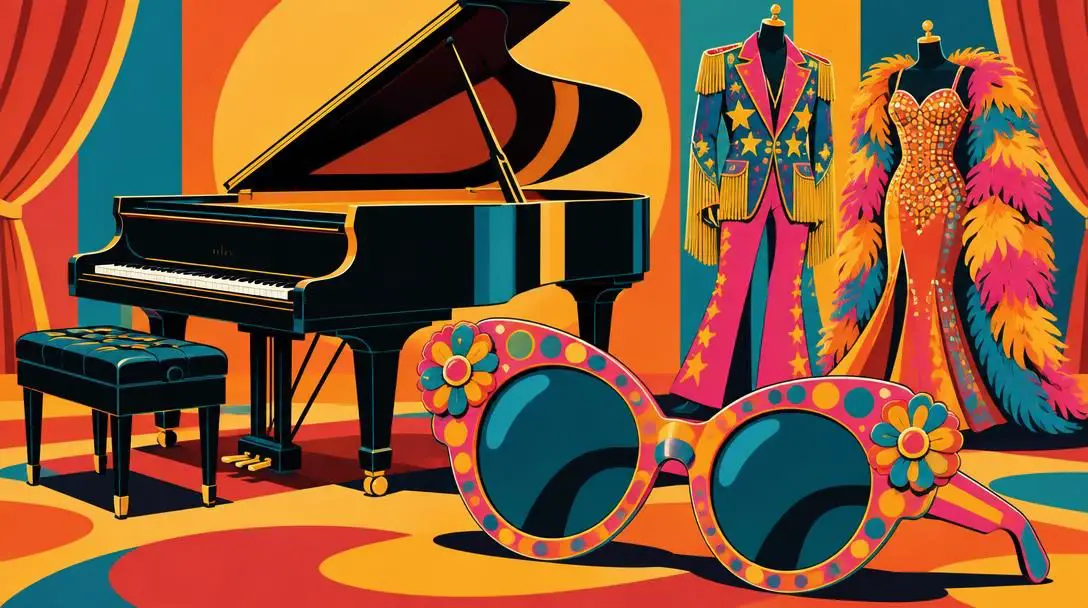
Few catalogs in contemporary pop and rock match the breadth and commercial resonance achieved by Elton John. Across consecutive decades, his intricate melodic instincts and virtuosic piano arrangements produced foundational hits such as "Your Song," "Rocket Man," and "Tiny Dancer." His visual spectacle—defined by extravagant eyewear, intricate costumes, and infectious showmanship—redefined mainstream entertainment expectations.
John came out as gay during the 1980s, an era characterized by intense cultural backlash and institutional neglect surrounding the emerging AIDS crisis. By choosing transparent authenticity, he helped dismantle entrenched industry barriers for LGBTQ+ performers seeking to live openly without sabotaging their careers. His ongoing public visibility provided critical advocacy and compassionate representation for marginalized communities, including individuals living with AIDS, cementing his position as a transformational cultural leader.
Frank Ocean
- Breakthrough Projects: "Channel Orange", "Novacane", "Thinkin' Bout You"
- Public Milestone: Came out as bisexual in 2012
- Creative Focus: Narrative vulnerability and genre diversity in contemporary pop
Frank Ocean introduced an inventive sonic architecture to contemporary popular music, relying on atmospheric instrumentation, non-linear lyrical structures, and exceptional vulnerability. Early records such as "Novacane" and the chart-climbing single "Thinkin' Bout You" highlighted his gift for turning deeply personal emotional experiences into universal, cinematic narratives.
With the arrival of his critically acclaimed debut studio album Channel Orange, Ocean demonstrated that introspective artistic nuance could conquer mainstream pop markets. When he came out as bisexual in an open letter in 2012, the announcement was met with widespread acclaim from listeners and industry peers. Ocean's artistic trajectory underscored the vital importance of diversity in music, proving that radical creative honesty can transform the commercial mainstream.
Personal authenticity and artistic innovation consistently reinforce one another, transforming personal struggle into universal cultural progress.
Lil Nas X
- Breakthrough Year: 2019 with the hybrid single "Old Town Road"
- Genre Disruption: Country music mixed with hip-hop
- Industry Recognition: First Black and gay man featured on Forbes 30 Under 30
- Cultural Mission: Challenging rigid archetypes of traditional masculinity
Lil Nas X took the global music ecosystem by storm in 2019 with "Old Town Road," an unconventional hybrid of country and trap-infused hip-hop that obliterated chart records and became a viral cultural phenomenon. While the single occupied the peak of global music charts, the young rapper publicly came out as gay, demonstrating uncommon courage at the absolute height of his commercial ascension.
This landmark declaration established him as the first openly gay Black man named to the prestigious Forbes 30 Under 30 list. Rather than minimizing his sexuality to preserve a cautious mainstream appeal, Lil Nas X deliberately weaponized visual fashion, surreal internet literacy, and bold video concepts to interrogate traditional codes of masculinity. In doing so, he created a high-visibility sanctuary for young people who feel isolated, carving out vital queer space within hip-hop culture.
Janelle Monáe
- Key Release: "The ArchAndroid"
- Signature Anthem: "Make Me Feel"
- Core Disciplines: Singer-songwriter, record producer, actress
- Artistic Themes: Queer empowerment, liberation, and identity
Janelle Monáe has forged an extraordinary artistic path as a multifaceted singer-songwriter, producer, and actress. Bursting into wider public recognition with her ambitious concept album The ArchAndroid, Monáe showcased an eclectic, genre-defying sonic palate that integrated orchestral funk, classic soul, psychedelic rock, and futuristic pop into a unified theatrical experience.
Publicly identifying as queer, Monáe anchors her extensive creative output to radical themes of liberation, bodily autonomy, and self-actualization. Her critically revered track "Make Me Feel" stands as a shimmering queer anthem that celebrates pansexual desire and interrogates the intersection of gender and sexuality. Through relentless visual discipline and inventive songwriting, Monáe continues to broaden the possibilities of representation across multiple media formats.
How musical representation works to reshape culture
The cultural impact generated by pioneering musicians reaches far beyond individual chart achievements or streaming records. When an artist steps forward into the public sphere with an authentic identity, it triggers a chain reaction across listeners, media outlets, and industry institutions.
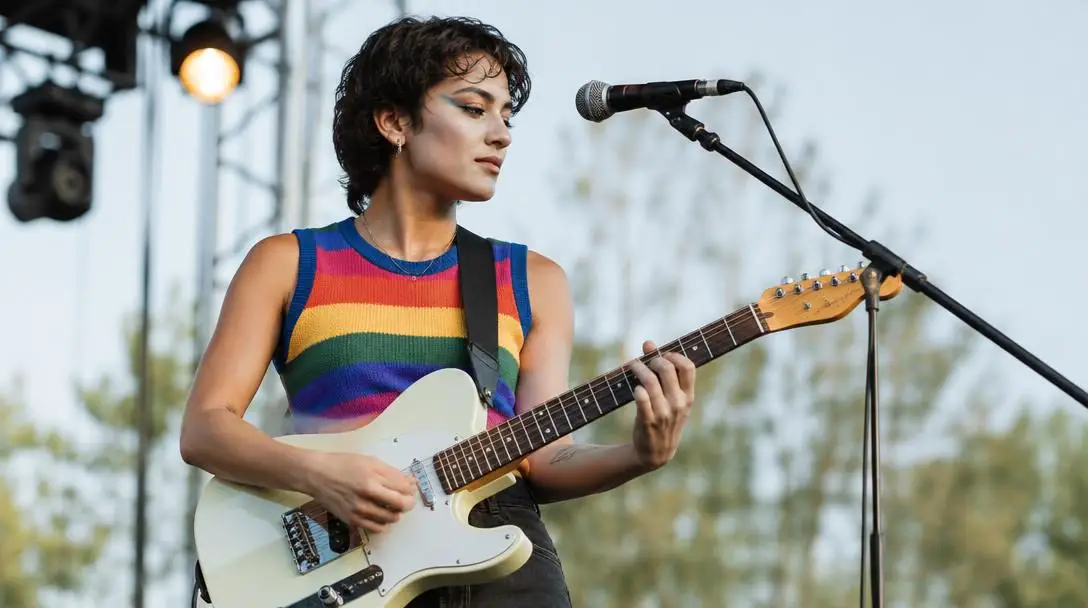
Visibility validates personal experience on an international scale. For listeners navigating marginalization, hearing anthems like "Bohemian Rhapsody" or "Make Me Feel" provides tangible confirmation that their feelings, struggles, and desires are worthy of artistic elevation. Engaging with candid work by artists like Frank Ocean or Lil Nas X normalizes diverse narratives in mainstream media spaces that were previously homogeneous, building empathy among broad audiences.
Furthermore, representation induces meaningful structural changes within corporate boardrooms. Record labels, booking agencies, radio networks, and streaming curators operate primarily on commercial incentives. When openly queer artists secure critical acclaim and historic chart placements, they permanently alter the financial calculations of industry executives. Gatekeepers learn that contemporary listeners actively embrace authenticity, easing structural barriers for the next wave of performers.
Steps for exploring and supporting LGBTQ+ musical legacies
Listeners, educators, and music fans seeking a more comprehensive appreciation of these artists can adopt several intentional listening and research habits.
- Engage with complete album projects: Move past standalone streaming singles to experience full-length projects such as Queen's vintage studio catalog, Janelle Monáe's The ArchAndroid, or Frank Ocean's Channel Orange to understand how long-form narratives address liberation and identity.
- Trace genre evolutions across eras: Analyze how contemporary creators actively dismantle stylistic boundaries, observing how Lil Nas X combined rural country and hip-hop to contest rigid traditional aesthetics.
- Investigate historical and social contexts: Contextualize albums within the specific eras that birthed them, such as examining Elton John's 1980s work alongside the public health crisis of HIV/AIDS, or Freddie Mercury's 1970s stadium work during early post-Stonewall social shifts.
- Champion platforms supporting diverse voices: Actively support independent publications, public community radio networks, and historical archives that document underrepresented musical pioneers, ensuring these essential archives remain visible to future generations.
Mistakes to avoid when discussing LGBTQ+ music history
Analyzing queer musical contributions requires rigorous historical accuracy and cultural sensitivity. Enthusiasts and critics often encounter several conceptual pitfalls:
- Treating the community as a monolith: Assuming that all LGBTQ+ creators adhere to a unified aesthetic or philosophical approach diminishes their individuality. The hard-rock operatics of Freddie Mercury, the piano-pop balladry of Elton John, the hip-hop irreverence of Lil Nas X, and the avant-garde funk of Janelle Monáe represent vastly distinct artistic traditions.
- Overlooking historical timing: Judging an artist's personal choices without recognizing their specific era leads to flawed critiques. Coming out in the 1980s carried radically different social and health-related hazards than coming out in the internet-driven media landscapes of 2012 or 2019.
- Separating artistic innovation from identity: Dismissing an artist's personal authenticity as merely biographical trivia undermines their work. For performers like Monáe, Ocean, and Mercury, queer identity serves as the creative engine behind their compositional arrangements, lyrical metaphors, and stage presence.
- Assuming the fight for representation is finished: Celebrating modern milestones should never lead to the mistaken assumption that industry inequities have disappeared. While major strides have occurred, ongoing vigilance and proactive advocacy remain necessary to guarantee fair access across all genres.
Frequently asked questions
Why is "Bohemian Rhapsody" considered an important queer anthem?
Beyond its genre-defying mix of opera and hard rock, "Bohemian Rhapsody" captures a profound sense of defiance and emotional complexity. Performed by Freddie Mercury, the song's theatrical refusal to conform to conventional pop song structures mirrored his unapologetic presence as an artist who lived outside rigid social boundaries.
How did Elton John's career impact public health awareness?
During the 1980s, when the AIDS epidemic was heavily stigmatized and ignored by many institutions, Elton John publicly came out as gay and used his worldwide fame to support individuals with AIDS, helping generate vital cultural visibility, resources, and compassion for the community.
What made Lil Nas X's coming-out moment historically unique?
Lil Nas X came out as gay in 2019 while his breakthrough hit "Old Town Road" was actively holding the number-one spot on global music charts. Making this public declaration during the absolute zenith of a breakout commercial record was historic, especially within hip-hop and country genres where traditional masculinity had long held sway.
What musical genres did Janelle Monáe blend on "The ArchAndroid"?
On her debut studio album The ArchAndroid, Janelle Monáe combined a rich mixture of soul, funk, and pop, uniting these traditional Black musical traditions with expansive, futuristic art-pop arrangements to explore themes of empowerment and freedom.
How does representation within the music industry create lasting change?
Representation operates on two fronts: it offers vital cultural visibility that validates marginalized listeners, and it demonstrates commercial viability to record executives, prompting labels and distributors to invest in diverse talent without requiring artists to hide their true identities.
The bottom line
The history of modern music is inextricably intertwined with the bravery, creativity, and resilience of LGBTQ+ pioneers. Artists such as Freddie Mercury, Elton John, Frank Ocean, Lil Nas X, and Janelle Monáe did not simply achieve individual stardom—they fundamentally transformed the sonic grammar and cultural values of their respective eras.
By celebrating these achievements, listening deeply to complete bodies of work, and supporting platforms that elevate underrepresented perspectives, audiences play an active role in nurturing a vibrant, inclusive creative community. As musical styles continue to blend and evolve, this rich legacy guarantees that personal truth will remain an enduring catalyst for modern artistic innovation.