5 Maverick Jazz Musicians You Need to Know About
For more than a century, jazz has captivated listeners worldwide by refusing to remain a static museum piece. Rather than being frozen in time, the art form thrives because its foundational framework is built on continuous evolution, spontaneous reinvention, and daring artistic exploration. While newcomers sometimes assume the genre reached its creative zenith decades ago, contemporary performers actively prove that the music remains as bold, culturally vital, and rebellious as ever.
A dynamic cohort of modern visionaries is dismantling rigid stylistic boundaries to carry the music forward into the contemporary era. By blending distinct regional folk traditions, incorporating hip-hop production and electronic soundscapes, and pushing instrumental technique into unexpected territories, these practitioners are actively transforming modern sonic landscapes. Five singular musicians stand at the forefront of this creative renaissance.
Key takeaways
- Modern jazz remains a dynamic, evolving discipline driven by cross-genre experimentation rather than strict historical re-creation.
- Contemporary visionaries blend acoustic foundations with electronic textures, hip-hop production, progressive rock, and international folk traditions.
- Groundbreaking artists use custom instrumental techniques, polyrhythms, and unconventional arrangements to challenge standard song forms.
- Navigating innovative music becomes vastly more rewarding when listeners approach albums as unified conceptual statements rather than collections of radio singles.
At a glance: Five mavericks transforming modern jazz
The contemporary scene features artists from diverse geographic regions and instrumental disciplines, each bringing a unique compositional philosophy to the bandstand. The following overview highlights the primary focus, key recordings, and signature styles of five essential creators.
| Musician | Primary instruments | Hometown / Origin | Notable recordings | Signature sonic elements |
|---|---|---|---|---|
| Kamasi Washington | Saxophone | Los Angeles, California | The Epic, Heaven and Earth | Cinematic soul and funk fusions, expansive choirs, large horn arrangements |
| Esperanza Spalding | Acoustic bass, electric bass, vocals | Portland, Oregon | Radio Music Society, Emily’s D+Evolution | Agile bass grooves, soaring vocal melodies, theatrical jazz and neo-soul blend |
| Christian Scott aTunde Adjuah | Trumpet | New Orleans, Louisiana | Stretch Music, Ancestral Recall | Electronic trumpet treatments, hip-hop sensibilities, complex polyrhythmic percussion |
| Tigran Hamasyan | Piano, vocals | Armenia | Mockroot, An Ancient Observer | Armenian folk motifs, heavy progressive rock rhythms, rapid polyrhythmic keyboard work |
| Mary Halvorson | Electric guitar | Brookline, Massachusetts | Meltframe, Code Girl | Unconventional pedal modulation, microtonal pitch bends, avant-garde angular harmonies |
Visionary artists reshaping the contemporary scene
These five individuals refuse to merely replicate the phrasing of past masters. By expanding the technical parameters of their instruments and engaging in deep cross-genre dialogue, they represent the expansive potential of progressive creative music.
Kamasi Washington
- Origin: Los Angeles, California
- Key instruments: Tenor saxophone, composition, bandleading
- Essential albums: The Epic, Heaven and Earth
- Breakthrough milestone: Key contributor to Kendrick Lamar’s To Pimp a Butterfly
Saxophonist, composer, and bandleader Kamasi Washington emerged as a central figure in modern music after his monumental contributions to Kendrick Lamar’s critically celebrated 2015 release, To Pimp a Butterfly. That landmark collaboration introduced Washington's muscular horn playing to an expansive global hip-hop audience, reigniting mainstream curiosity in forward-thinking acoustic music.
Following that high-profile milestone, Washington quickly affirmed his creative authority as an independent leader with the release of his ambitious triple-disc debut, The Epic, followed by the sprawling, multi-layered collection Heaven and Earth. His music represents a grand, cinematic collision of traditional jazz, orchestral soul, and driving funk. Grounded in memorable melodies and lush harmonic backdrops, Washington’s compositions often employ expansive ensembles, dynamic horn sections, and extensive solo explorations. His works simultaneously evoke deep mid-century spiritual traditions and the vibrant urban energy of contemporary southern California.
Esperanza Spalding
- Origin: Portland, Oregon
- Key instruments: Acoustic upright bass, electric bass, lead vocals
- Essential albums: Radio Music Society, Emily’s D+Evolution
- Historic honor: First jazz musician to win the Grammy Award for Best New Artist (2011)
Bassist, singer, and composer Esperanza Spalding made international music history in 2011 when she became the first jazz practitioner ever to win the prestigious Grammy Award for Best New Artist. Rather than resting on the commercial prestige of that historic victory, Spalding has persistently challenged herself to stretch across creative mediums, vocal registers, and conceptual boundaries.
Her catalog balances radio-friendly warmth with extraordinary technical rigor. On works like Radio Music Society, Spalding masterfully bridges the gap between intricate instrumental improvisation and infectious neo-soul rhythms. Later, with the theatrical, high-concept release Emily’s D+Evolution, she introduced distorted guitars, theatrical staging, and narrative character work into her sonic identity. Defined by her nimble, syncopated basslines, acrobatic vocal deliveries, and rich harmonic interplay, Spalding’s output expands the boundaries of modern music while preserving an organic acoustic center.
Christian Scott aTunde Adjuah
- Origin: New Orleans, Louisiana
- Key instruments: Trumpet, production, composition
- Essential albums: Stretch Music, Ancestral Recall
- Stylistic approach: Stretch Music, electronic sonic processing, layered African rhythms
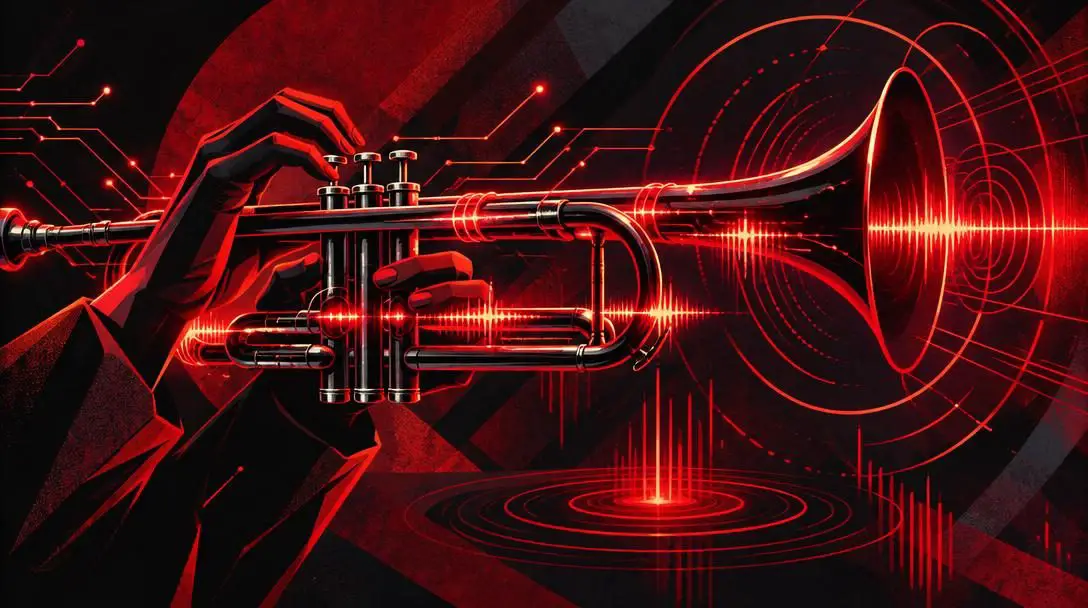
Trumpeter, composer, and producer Christian Scott aTunde Adjuah draws deeply from the cultural lineages of his hometown of New Orleans while fearlessly expanding the modern trumpet's sonic vocabulary. Recognizing that artistic survival requires continual modernization, Adjuah pioneered a conceptual design known as "Stretch Music," an approach that stretches the conventions of traditional jazz to accommodate hip-hop, trap beats, soul, and world music.
Through landmark albums such as Stretch Music and Ancestral Recall, Adjuah incorporates electronic effects pedals, digital processing, and specialized mute designs to alter the harmonic timbre and breath textures of his brass instrument. His tracks feature complex polyrhythmic percussion, layered time signatures, and intense improvisational dialogues. By balancing reverence for his ancestral brass heritage with contemporary production techniques, Adjuah has built a vital bridge between centuries-old ceremonial music and the future of electronic composition.
Tigran Hamasyan
- Origin: Armenia
- Key instruments: Piano, synthesizer, vocals
- Essential albums: Mockroot, An Ancient Observer
- Early breakthrough: Won the Thelonious Monk International Jazz Piano Competition at age 18
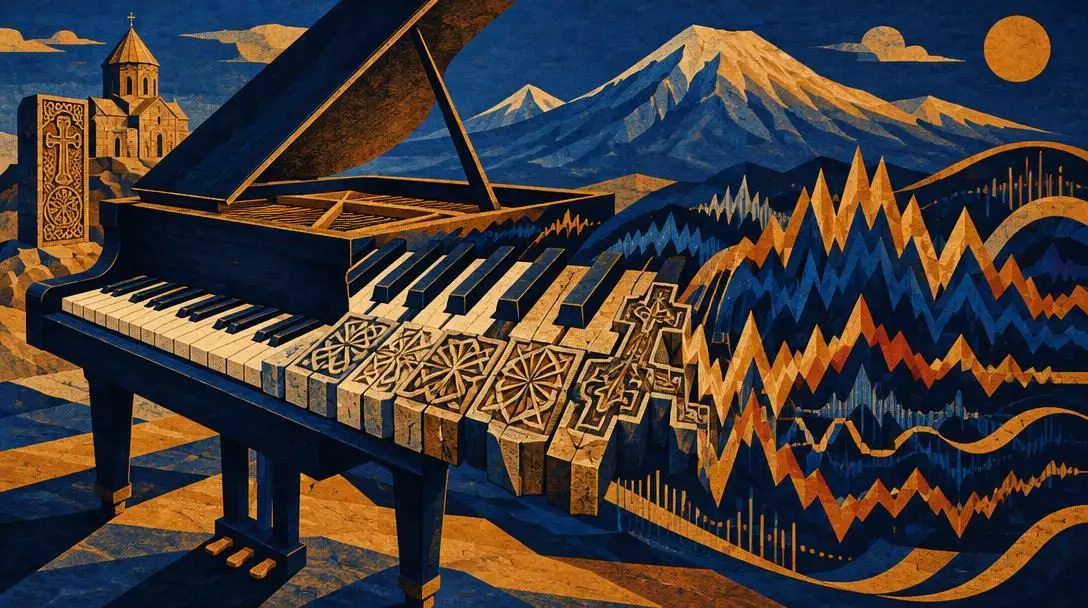
Armenian pianist and composer Tigran Hamasyan stunned the international music community when he won the prestigious Thelonious Monk International Jazz Piano Competition at just eighteen years old. In the years following that early triumph, Hamasyan developed one of the most distinctive compositional signatures in modern instrumental music, welding centuries-old regional traditions to cutting-edge Western improvisation.
Hamasyan’s discography, highlighted by the kinetic ensemble powerhouse Mockroot and the reflective, minimalist solo effort An Ancient Observer, explores the intersection of traditional Armenian folk modes, classical romanticism, and the rhythmic aggression of progressive rock and metal. His signature arrangements feature rapid-fire, interlocking polyrhythms, soaring falsetto vocal lines, and dazzling acoustic keyboard mechanics. Hamasyan constructs a sound that feels both ancient and futuristic, establishing a musical aesthetic that resonates across traditional jazz audiences and heavy rock enthusiasts alike.
Mary Halvorson
- Origin: Brookline, Massachusetts
- Key instruments: Electric guitar, composition
- Essential albums: Meltframe, Code Girl
- Stylistic hallmarks: Pitch-delay pedals, angular harmonies, avant-garde improvisation
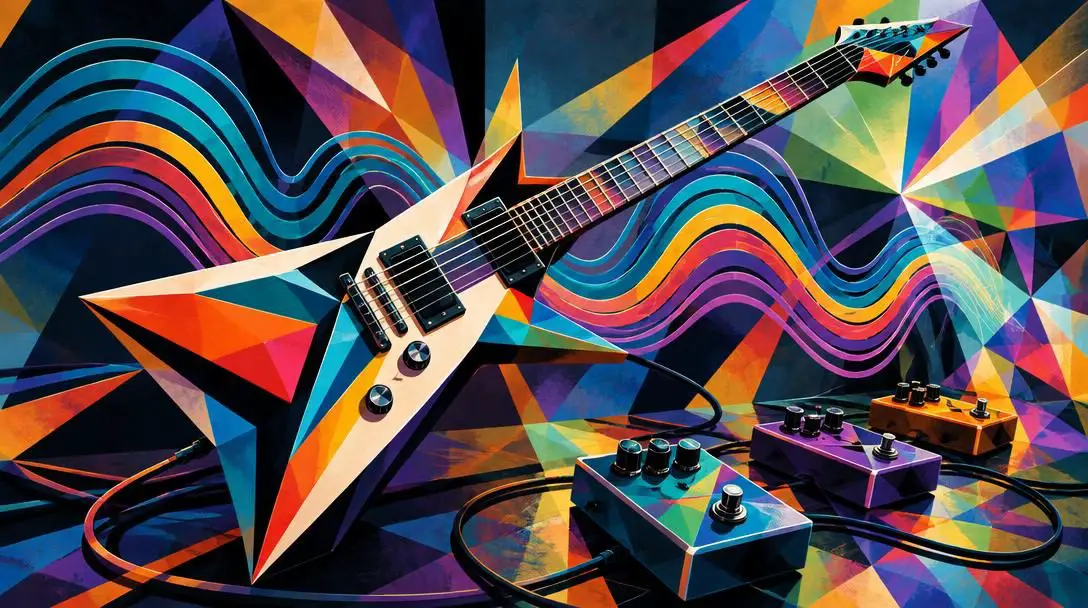
Guitarist and composer Mary Halvorson has long stood as an iconoclastic presence within modern avant-garde and creative music circles. Based in the fertile experimental music scene, Halvorson has received immense critical praise for her inventive, completely idiosyncratic approach to the electric guitar, an instrument with a deep jazz history that she has managed to completely rethink.
Through ambitious projects like her solo statement Meltframe and her genre-defying ensemble effort Code Girl, Halvorson rejects smooth, conventional chord melody in favor of striking, angular note choices, sudden harmonic pivots, and disorienting microtonal pitch bends generated via custom delay and modulation pedals. Her writing intersects the traditions of free improvisation, contemporary chamber music, and avant-garde jazz. By refusing to soften the challenging edges of her musical voice, Halvorson remains one of the most influential innovators of modern instrumental technique.
True tradition in jazz does not mean copying the past; it means adopting the relentless curiosity, courage, and expressive freedom that created the past in the first place.
The evolution of boundary-pushing sound
To fully grasp the achievements of modern creators, one must recognize that restless transformation has always been the central engine of the genre. Jazz was born in the late nineteenth and early twentieth centuries as an extraordinary synthesis of African and European musical traditions, shaped by the cultural movements, resilience, and lived realities of African American communities. From its origins, the style rejected complacency, thriving on improvisation, expressive vocalized phrasing, and powerful syncopation.
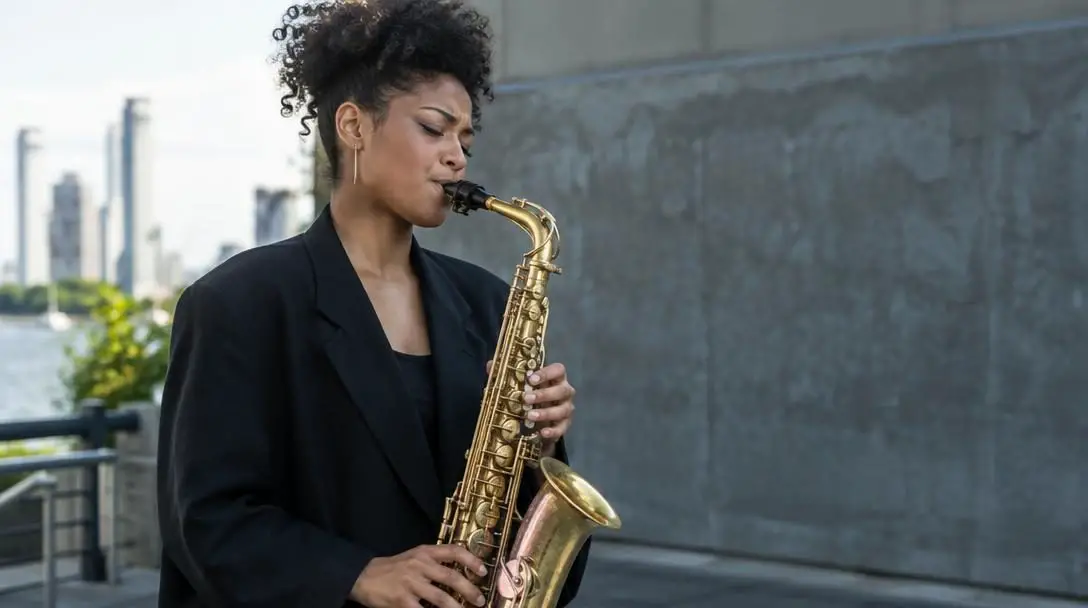
Each defining era of the music emerged because visionary players actively rebelled against existing formulas:
- Early collective improvisation in New Orleans gradually adapted into the polished, tightly arranged sections of big band swing.
- Swing-era commercial formulas provoked the bebop revolution of the 1940s, driven by blistering tempos, asymmetric melodies, and dense harmonic structures.
- Bebop complexity was subsequently reimagined during the modal revolution of the late 1950s, allowing soloists to explore expansive scales and emotional space over minimal chord shifts.
- Acoustic purity burst wide open during the late 1960s and 1970s through jazz fusion, as artists integrated rock amplification, synthesizers, and funk grooves.
Today’s innovators do not view these historical chapters as isolated, rigid movements to be immaculately preserved. Instead, they treat the entire continuum of recorded sound as an open palette. Washington borrows the monumental brass arrangements of spiritual jazz and blends them with modern urban production. Adjuah honors New Orleans parade traditions through the lens of digital audio workstations. In doing so, modern performers prove that preservation is not about standing still; it is about keeping the original spark of discovery alive.
How modern improvisation and genre blending work
The musical choices made by contemporary artists can sound intricate or unconventional on initial exposure, but they rest on deliberate artistic decisions and exacting technical execution. Recognizing these musical mechanics helps unpack the listening experience:
- Expansive harmonic frameworks: Rather than adhering to conventional chord progressions, modern composers use altered modes, microtonal inflections, and chromatic tension. While Halvorson challenges expectations through angular dissonance, Spalding weaves intricate voice-led progressions that shift fluidly through multiple keys.
- Polyrhythms and shifting meters: Rhythm serves as the primary engine for modern innovation. Composers like Hamasyan utilize interlocking meters, setting contrasting time signatures against one another to build hypnotic, shifting physical momentum. Adjuah complements this approach by embedding hip-hop cadences beneath brass melodies.
- Dynamic long-form improvisation: Solo sections in contemporary compositions function as narrative arcs rather than simple displays of technical agility. Soloists manipulate space, volume, and timbre to construct elaborate musical journeys that eventually cycle back to the core theme.
- Electronic manipulation and studio craft: Electronics are no longer treated as an afterthought or a novelty. Modern leaders employ signal processors, digital samplers, and custom pedals directly on the bandstand, using audio technology as an expressive instrument equal to the trumpet, piano, or guitar.
Practical steps for exploring contemporary jazz
Approaching modern creative music can feel intimidating given the sheer volume of eclectic releases available. Following a structured listening approach allows you to appreciate these adventurous soundscapes with greater confidence.
- Begin with crossover collaborations: If you are comfortable with contemporary hip-hop or R&B, start by listening to crossover projects like Kendrick Lamar's To Pimp a Butterfly before transitioning directly into Kamasi Washington's expansive solo debut, The Epic.
- Focus your ears on an individual instrument: Complex ensemble arrangements can initially feel overwhelming. Pick one specific element to follow across an entire track, such as Esperanza Spalding's driving basslines or Mary Halvorson’s pedal-driven guitar motifs, observing how it shapes the surrounding band.
- Engage with full album statements: Modern jazz masters routinely conceptualize albums as unified artistic statements rather than disconnected singles. Set aside uninterrupted time to listen to complete projects like Tigran Hamasyan’s An Ancient Observer or Christian Scott aTunde Adjuah’s Stretch Music.
- Track personnel and guest credits: Contemporary players operate in close, highly collaborative communities. When you find an album you appreciate, read the liner notes to identify the guest vocalists, drummers, and producers; tracking these musicians across projects is the fastest way to discover other creative innovators.
- Experience live performances: Because spontaneous interaction is the core heartbeat of the genre, hearing modern music performed in an intimate club, concert hall, or festival environment provides a visceral understanding of bandstand chemistry that no studio recording can fully replicate.
Common mistakes when listening to innovative artists
Listeners accustomed to standard commercial genres often bring rigid expectations to modern jazz, which can cause unnecessary frustration. Avoiding these frequent missteps will significantly improve your musical journey:
- Assuming jazz is a historic artifact: Believing that the genre ceased producing meaningful artistic revolutions decades ago cuts listeners off from one of the most inventive and daring communities in contemporary art.
- Demanding instantaneous melodic resolution: Innovative compositions deliberately employ harmonic tension, microtonal dissonances, and complex phrasing before resolving. Dismissing a piece within its opening seconds prevents you from experiencing powerful emotional payoffs.
- Dismissing electronic textures as inauthentic: Purists often argue that acoustic purity is essential to genuine creative expression. In reality, the integration of synthesizers, electronic soundboards, and custom effects continues a long legacy of technical curiosity that has defined jazz since the dawn of amplification.
- Listening passively in noisy environments: Dense, polyrhythmic compositions contain subtle textural details that easily get lost through low-quality speakers or amid background distractions. Highlighting quiet nuance requires focused, active listening.
Frequently asked questions
Where should a newcomer to modern jazz begin listening?
A natural starting point is Kamasi Washington’s The Epic or Esperanza Spalding’s Radio Music Society. Both recordings balance accessible, soulful hooks and memorable grooves with deep harmonic sophistication, making them inviting entry points for listeners transitioning from neo-soul, R&B, or hip-hop.
How do modern artists incorporate hip-hop and electronic production into jazz?
Innovators like Christian Scott aTunde Adjuah utilize electronic effects processors directly on traditional instruments while designing rhythm sections around hip-hop grooves, trap hi-hat patterns, and layered African percussion, seamlessly joining street-level beats with acoustic trumpet improvisation.
Why do artists like Mary Halvorson use pitch-bending guitar effects?
Mary Halvorson incorporates custom delay and pitch-modulation pedals to dismantle predictable guitar phrasing. By introducing unexpected microtonal bends and dissonant intervals, she injects surprise, emotional edge, and avant-garde tension into her compositions.
How does Tigran Hamasyan combine traditional folk music with jazz?
Tigran Hamasyan incorporates centuries-old Armenian folk scales, sacred melodic motifs, and traditional time signatures directly into a modern framework, often pairing those ancient regional elements with the complex polyrhythms and heavy drive of progressive rock alongside intricate acoustic piano soloing.
Are these modern jazz albums meant to be heard as singles or full albums?
Most contemporary visionary musicians design their recordings as cohesive, conceptual long-form albums. While individual tracks remain enjoyable on their own, listening to an entire record from beginning to end allows you to appreciate the thematic narratives, textural shifts, and dynamic arcs intended by the composer.
The bottom line
The contemporary music world is filled with exceptional creators proving that jazz has never been more vibrant, adventurous, or globally inclusive. Far from a nostalgic genre bound to historical archives, modern music represents a fertile playground where international folk traditions, hip-hop production, avant-garde guitar aesthetics, and classical mastery freely collide. By setting aside rigid genre expectations and exploring the expansive catalogs of innovators like Kamasi Washington, Esperanza Spalding, Christian Scott aTunde Adjuah, Tigran Hamasyan, and Mary Halvorson, you will discover an inspiring sonic landscape where curiosity, craft, and daring imagination continue to thrive.