
5 Most Iconic Guitars of All Time and Their Famous Owners
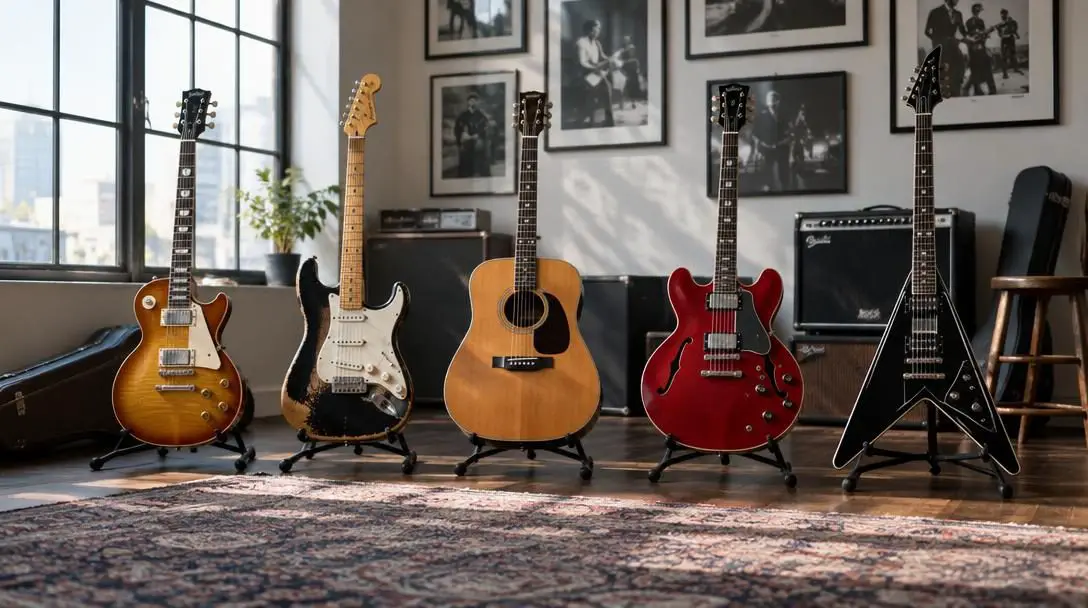
Electric guitars represent some of the most recognizable and enduring symbols in modern music history. Across decades of creative evolution, genres ranging from rock and heavy metal to blues and country have carved out their sonic identities around specific instruments. Certain models have transcended their status as mere tools of the trade to become cultural icons in their own right, celebrated for their distinct aesthetics, groundbreaking construction, and unforgettable tonal qualities.
A closer examination of the five most legendary electric guitars reveals how these designs developed and showcases the deep artistic connections forged with the celebrated musicians who brought them to life on stage and in the studio. From solid-body balance to radical geometric contours, these instruments transformed recorded music.
Key takeaways
- Iconic models like the Les Paul, Stratocaster, Telecaster, Flying V, and Gibson SG defined the sound of modern rock, blues, and country.
- The distinct acoustic and magnetic qualities of single-coil and humbucker pickups establish the core sonic voice of each guitar.
- Legendary players such as Jimi Hendrix, Slash, Angus Young, and Keith Richards forged deep musical identities around their primary axes.
- Selecting the right classic guitar requires balancing pickup responsiveness, ergonomic body contours, and proper mechanical maintenance.
The Five Legendary Instruments and Their Masters
The golden era of electric guitar engineering yielded designs so fundamentally sound that they remain industry standards more than a half-century after their introduction. Each instrument approached the challenge of amplified sound with a distinct philosophy, creating tonal signatures that shaped entire musical movements.
The Les Paul
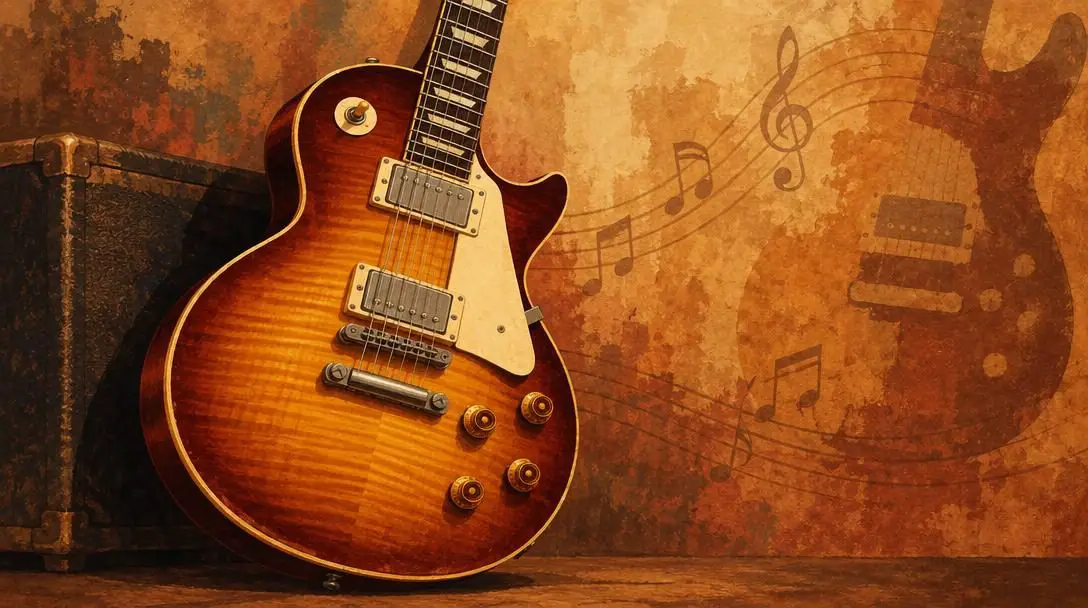
- Inventor: Lester William Polsfuss
- Introduction Era: 1950s
- Notable Owners: Jimmy Page, Slash
- Pickup Configuration: Dual humbuckers
Named after its inventor, Lester William Polsfuss, the Les Paul stands among the most iconic and widely recognized instruments in musical history. The origins of this legendary solid-body guitar trace back to the 1950s, a period during which it quickly achieved widespread popularity among rock and blues guitarists seeking warmth and power.
Its rich, warm tone has made it an enduring favorite for expressive lead solos, while its dense solid-body construction prevents unwanted acoustic feedback and facilitates powerful sound amplification. Famously championed by rock royalty such as Jimmy Page of Led Zeppelin and Slash of Guns N’ Roses, the Les Paul’s impact across the global music industry cannot be overstated. It served as the foundational voice for countless classic rock anthems, relying on dual humbuckers to deliver singing sustain that effortlessly drives tube amplifiers into rich harmonic saturation.
The Stratocaster
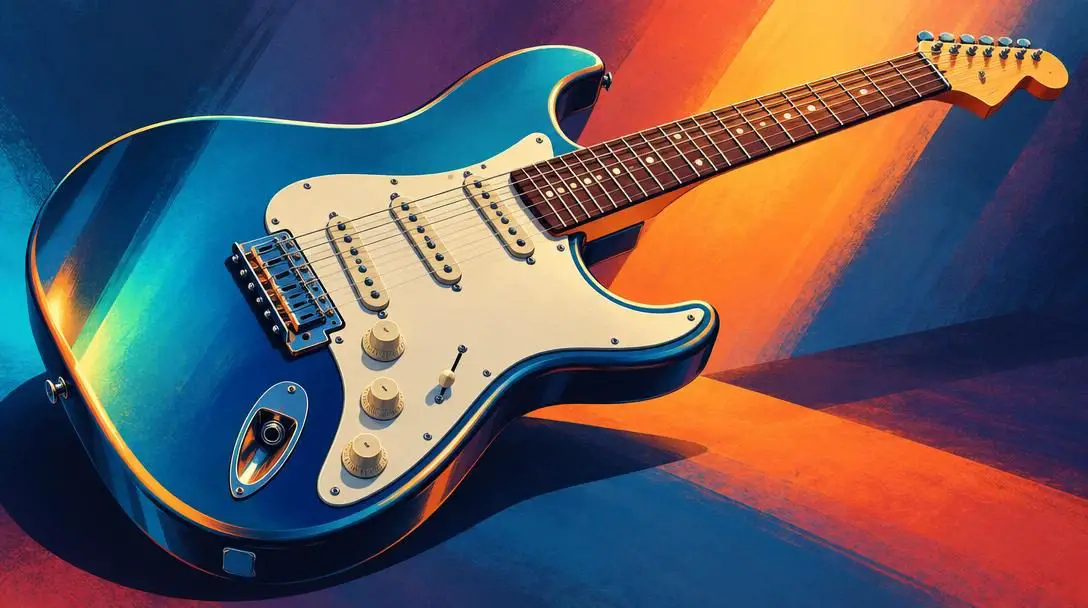
- Inventor: Leo Fender
- Introduction Era: 1950s
- Notable Owners: Jimi Hendrix, Eric Clapton
- Pickup Configuration: Triple single-coils
Another monumental instrument to grace concert stages around the world is the Stratocaster. Invented by Leo Fender in the 1950s, the Stratocaster features a sleek, streamlined design paired with a distinct sonic profile that has established it as one of the most widely used electric guitars ever built. Its unique voice is an essential component of classic rock, funk, and electric blues arrangements.
The Stratocaster was famously owned and pushed to its artistic limits by luminaries such as Jimi Hendrix and Eric Clapton. A major part of the instrument's enduring appeal lies in its electronics: the use of single-coil pickups combined with the ability to alter tone via its selector switch provides an expansive range of tonal possibilities. This dynamic flexibility allows musicians to easily tailor their frequencies, moving from bell-like rhythm chimes to biting, piercing solo runs with the flick of a switch.
The Telecaster
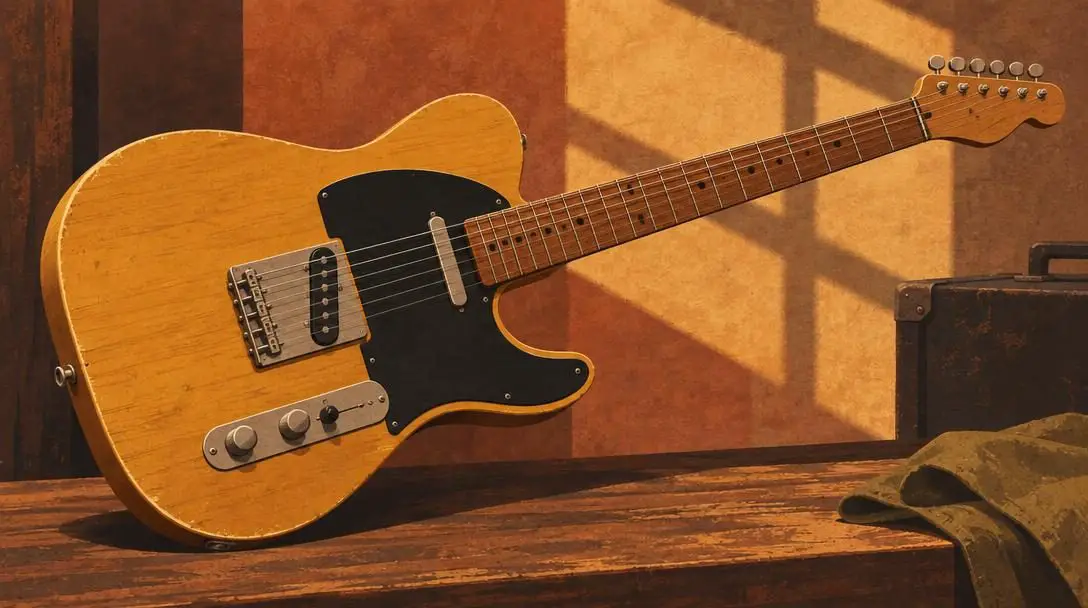
- Primary Distinction: First mass-produced solid body
- Sonic Character: Bright, cutting twang with clear sustain
- Notable Owners: Bruce Springsteen, Keith Richards
- Primary Genres: Country, rock and roll, punk
The Telecaster is universally recognized as an unyielding workhorse guitar that has appeared on countless seminal recordings throughout the history of modern music. Designed with a simple, straightforward layout, this instrument has remained a top choice for players across diverse musical landscapes, spanning everything from traditional country pickers to aggressive punk rock outfits.
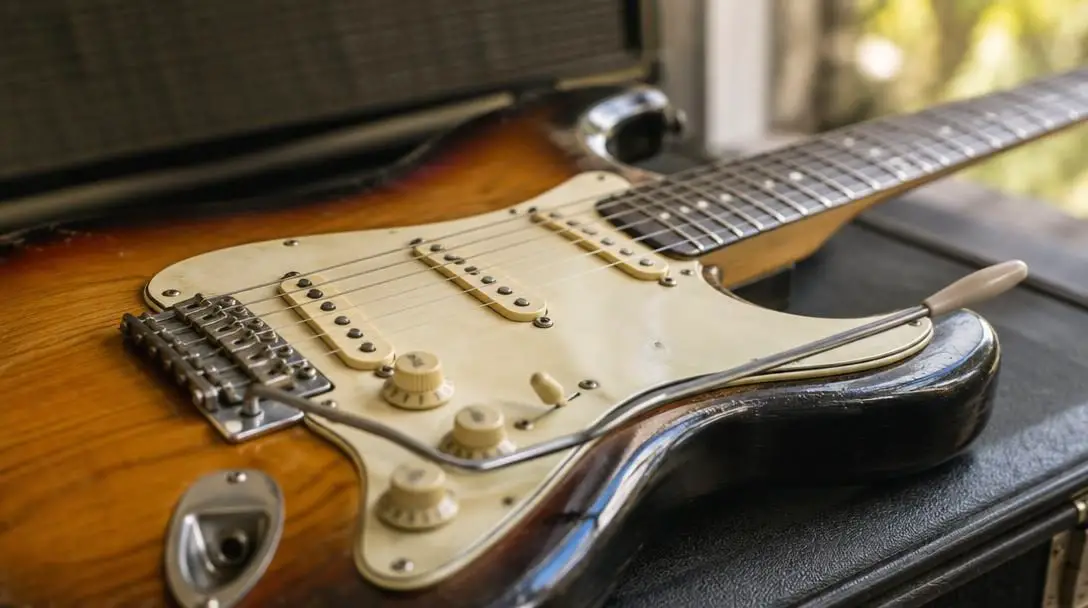
Renowned artists such as Bruce Springsteen and Keith Richards are two prime examples of legendary musicians who have famously owned and performed with the Telecaster across world tours. The instrument is celebrated for its signature twangy character, a sonic hallmark that directly contributed to the historical evolution of country music. At the same time, the Telecaster's exceptional clarity, immediate attack, and sustained ring have made it an indispensable fixture within the realm of rhythm-driven rock and roll.
The Flying V
- Manufacturer: Gibson
- Introduction Year: 1958
- Notable Owners: Albert King, Jimi Hendrix
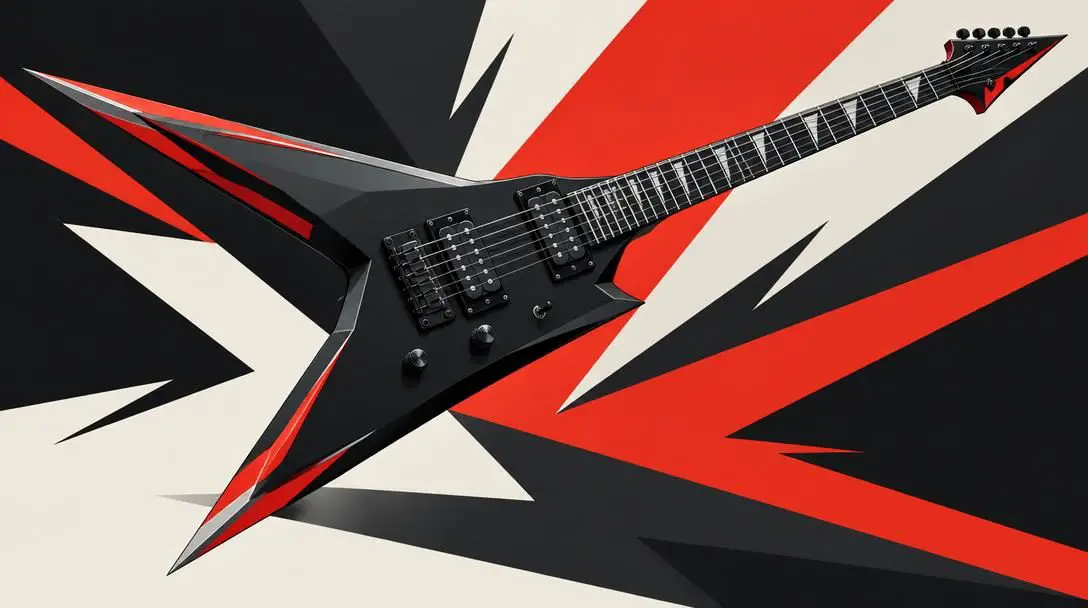
- Body Geometry: Radical inverted-V layout
Among the most radical and instantly recognizable guitars ever conceived is the Flying V. Originally introduced by Gibson in 1958, its sharp, futuristic design was initially met with widespread skepticism by traditionalists within the music world. However, this early hesitation soon gave way to massive popularity as adventurous players realized the sonic potential hidden behind its outrageous visual presentation.
Famously owned and embraced by blues icon Albert King as well as rock pioneer Jimi Hendrix, the Flying V carved an unmistakable legacy into popular culture. The guitar utilizes dual humbucker pickups, which deliver a thick, powerful, and punchy output. This sonic weight turned the Flying V into a beloved weapon of choice for hard rock and heavy metal guitarists seeking cutting-edge visual flair alongside aggressive tonal authority.
The Gibson SG
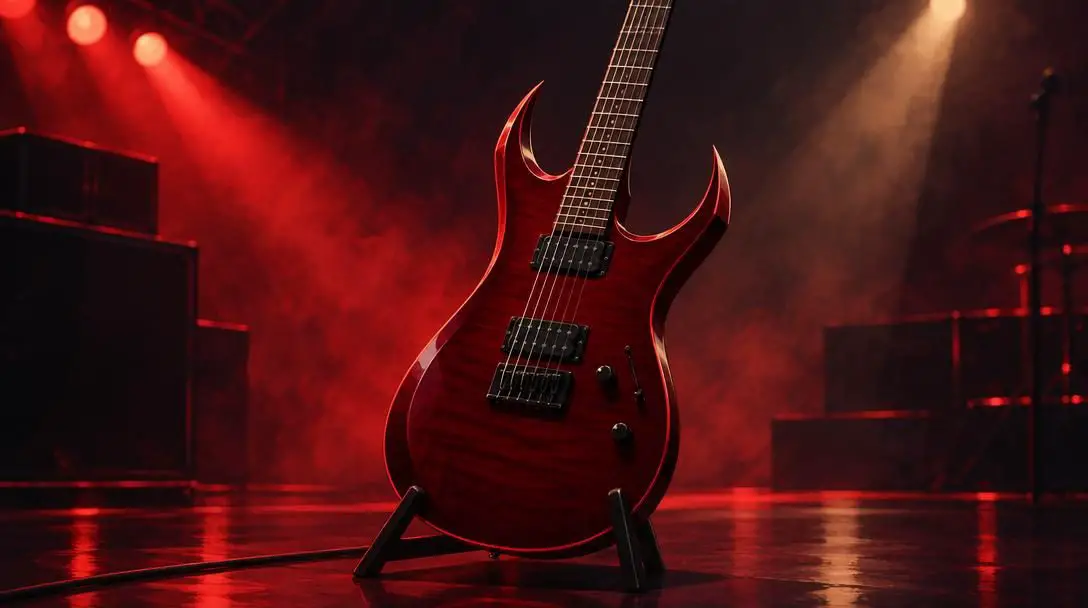
- Distinguishing Feature: Double-cutaway "devil horns"
- Body Profile: Ultra-thin solid mahogany
- Notable Owners: Angus Young, Tony Iommi
- Pickup Type: High-output humbuckers
The Gibson SG is widely considered by artists and historians to be one of the greatest electric guitars ever produced. Instantly identifiable by its sleek, devil-horned double-cutaway design, the instrument matches its menacing appearance with an intensely powerful sonic output that has endeared it to generations of hard rock and heavy metal musicians.
Famously owned and wielded on worldwide stages by Angus Young of AC/DC and Tony Iommi of Black Sabbath, the SG’s profound influence on heavy music cannot be overstated. With exceptional flexibility as both a rhythm machine and a soaring lead instrument, the guitar has remained a constant staple of stadium rock. Its ability to produce endless distortion sustain, driven by its high-output humbucker pickups and lightweight, resonant body, yields an unparalleled sonic signature heard on generations of celebrated albums.
At a Glance: Legendary Models Compared
Each of these five instruments approaches tone and playability from a distinct mechanical perspective. The table below outlines how their designs and components compare across key attributes.
| Guitar Model | Origin Era | Pickup System | Prominent Champions | Primary Sonic Attributes |
|---|---|---|---|---|
| Les Paul | 1950s | Dual Humbuckers | Jimmy Page, Slash | Warm, thick sustain; full low-end; singing lead voice |
| Stratocaster | 1950s | Triple Single-Coils | Jimi Hendrix, Eric Clapton | Bell-like chime; glassy attack; exceptional frequency versatility |
| Telecaster | 1950s | Dual Single-Coils | Bruce Springsteen, Keith Richards | Punchy twang; bright trebles; unyielding clarity |
| Flying V | 1958 | Dual Humbuckers | Albert King, Jimi Hendrix | Aggressive midrange; high-gain punch; bold attack |
| Gibson SG | 1960s | High-Output Humbuckers | Angus Young, Tony Iommi | Biting crunch; raw sustain; mid-focused projection |
How Electric Guitars Work to Create Their Signature Sounds
Understanding the vast sonic differences between these legendary instruments requires looking into the fundamental physics and electronic components that govern guitar design. Unlike acoustic instruments, an electric guitar produces volume through magnetic interaction, tonewood resonance, and internal wiring rather than a hollow acoustic soundbox. Striking a metal string produces a mechanical vibration that disturbs a localized magnetic field, generating a faint electrical voltage that travels out to an external amplifier.

The internal components that govern these legendary tones include several critical structural choices:
- Single-Coil Pickups: As utilized on guitars like Leo Fender's Stratocaster, a single-coil pickup features a single wire-wrapped bobbin positioned around magnetic pole pieces. This arrangement yields a bright, bell-like, and highly detailed sound. Through pickup selector switching, guitarists select individual units or blended combinations, providing the cutting versatility needed to cut through dense band mixes.
- Humbucker Pickups: Standard on models like the Les Paul, the Flying V, and the Gibson SG, humbuckers link two magnetic coils wired out-of-phase with opposing magnetic polarities. This physical structure cancels ambient 60-cycle electrical hum and interference while delivering a warmer, louder, and thicker signal that naturally pushes amplifiers into singing overdrive.
- Body Construction and Resonance: The physical format directly governs natural sustain. Solid-body builds, exemplified by the Les Paul, eliminate hollow cavity feedback at high stage volumes. This allows vibrating strings to ring out continuously through the wood, generating rich, prolonged sustain.
- Switching and Potentiometers: Onboard potentiometer knobs controlling volume and tone, working in tandem with pickup selectors, allow players to shape high-frequency rolloff directly on the instrument, enabling quick transitions between rhythm work and lead solos.
True musical tone always originates in the hands of the artist through pick attack, nuanced vibrato, and dynamic finger control.
Practical Steps for Choosing and Playing an Iconic Guitar
Aspiring and experienced players looking to capture the timeless tones of icons like Slash, Jimi Hendrix, Keith Richards, or Angus Young must carefully evaluate their specific artistic needs. Selecting the right instrument requires balancing physical ergonomics with electronic features.
- Identify Your Core Musical Style: Match the guitar build directly to your target musical genre. If you intend to play high-gain heavy metal rhythms similar to Tony Iommi, an instrument equipped with humbuckers and deep sustain like a Gibson SG or Flying V is the premier option. If your repertoire leans toward punchy punk or bright country twang, the focused clarity of a Telecaster is ideal.
- Evaluate Body Ergonomics and Weight: Solid-body electrics feature drastically diverse physical profiles. A traditional Les Paul is often notably heavy due to its thick solid-body construction, whereas a Gibson SG presents an ultra-thin, lightweight body profile. Test instruments both standing with a shoulder strap and seated to verify physical comfort.
- Test the Pickup Configuration: Play test instruments through an amplifier to directly compare the snap of single-coil bobbins against the punch of dual-coil humbuckers. Determine which electronic architecture best complements your natural pick attack and playing touch.
- Inspect the Neck Profile and Upper Fret Access: Navigate the entire length of the fretboard. Guitars like the Gibson SG feature body joints that grant effortless physical reach to the highest frets for complex lead runs, while vintage-spec models may have chunkier neck profiles that offer hand support when holding bar chords for extended sets.
- Perform a Complete Mechanical Setup: Following any guitar acquisition, adjust the truss rod relief, bridge saddle heights, and string intonation. A proper mechanical setup ensures comfortable string action above the fretboard and maintains accurate pitch across every register.
Common Mistakes Musicians Make with Classic Guitar Designs
Even historically significant guitar models can underperform if their design eccentricities and physical demands are misunderstood. Players can avoid significant frustration by dodging these frequent errors:
- Fighting Natural Single-Coil Hum: Vintage-style single-coil pickups inherently pick up electromagnetic interference from stage lighting, monitors, and transformers. Expecting single-coil instruments to remain entirely silent under heavy distortion without external noise gates leads to constant frustration.
- Assuming One Guitar Perfectly Replicates Every Sound: While instruments like the Telecaster and Les Paul are exceptionally versatile, magnetic physics imposes boundaries. Expecting a single-coil bridge pickup to naturally match the thick, compressed low-end punch of Angus Young's SG ignores fundamental electronic realities.
- Neglecting Seated Ergonomics: The Flying V possesses one of the most celebrated shapes in rock history, but its pointed wings make it virtually impossible to balance casually on a player's knee in a standard seated position. Overlooking how an instrument handles during everyday seated practice can disrupt regular rehearsal routines.
- Leaving Onboard Controls Permanently Maxed: Leaving guitar potentiometers permanently set at maximum volume and tone limits your sonic palette. Virtuosos like Eric Clapton and Jimmy Page regularly rolled their tone and volume knobs down slightly to eliminate harshness, clean up grit, and uncover nuanced lead textures.
- Over-Amplifying to Compensate for Poor Technique: Cranking external electronic distortion effects to artificially simulate sustain often covers up the nuanced natural resonance of a solid-body guitar. Musicians should focus on developing hands-on mechanical control over string vibration to extract authentic musical sustain.
Refining Your Complete Guitar Rig
Acquiring an instrument modeled after one of the five most iconic guitar designs is only the initial step in constructing an unforgettable sound. To realize the full potential of these instruments, a player must consider how the guitar interacts with the entire performance chain.
The dialogue between a guitar's output pickups and an amplifier's preamp stage shapes the exact point where a clean note transitions into musical overdrive. Matching a high-output humbucker with a dynamic tube amp yields authentic hard rock bite, while pairing a bright single-coil with an open, high-headroom amplifier delivers striking string separation. In addition, signal line integrity is critical: substandard or overly long instrument cables act as low-pass filters, shaving off the sparkling treble response that characterizes guitars like the Stratocaster and Telecaster.
Frequently asked questions
What is the main sound difference between a Les Paul and a Stratocaster?
The primary difference stems from their pickup systems and body design. The Les Paul uses dual humbuckers and a dense mahogany body to produce a thick, warm, and sustain-heavy sound with strong mid-range and low-end frequencies. The Stratocaster utilizes three single-coil pickups, producing a brighter, chime-like tone with distinct high-end clarity and glassy attack.
Why is the Telecaster considered such a durable workhorse guitar?
The Telecaster features a simple, straightforward solid-body construction with minimal moving parts, an integrated fixed bridge, and durable onboard electronics. This utilitarian design allows it to withstand heavy touring and aggressive playing while maintaining tuning stability and clear, reliable tone across multiple genres.
How does a humbucker pickup cancel electronic hum?
A humbucker links two separate wire coils wound with reverse polarity and opposing magnetic alignments. When ambient electromagnetic interference strikes both coils equally, the identical out-of-phase noise signals cancel each other out, eliminating common 60-cycle hum while retaining the string's musical signal.
Why did the Gibson Flying V take time to find mainstream success?
Introduced in 1958, the Flying V's radical, geometric arrow shape was considered too aggressive and futuristic for the conservative music market of the late 1950s. It was only after blues and rock pioneers like Albert King and Jimi Hendrix showcased its powerful humbucking tone that mainstream players embraced it.
What makes the Gibson SG particularly well-suited for hard rock lead playing?
The Gibson SG features an ultra-thin, lightweight body with deep double-cutaway horns that join the neck at the highest frets. This physical architecture allows players unobstructed physical access to the upper register, while high-output humbuckers generate rich harmonic sustain for solos.
The bottom line
The enduring status of the Les Paul, Stratocaster, Telecaster, Flying V, and Gibson SG is no accident of marketing. These historic instruments achieved legendary status through an ideal convergence of revolutionary mechanical design, versatile electronics, and masterclass musicianship. By understanding how each guitar translates string vibration into electrical energy, modern players can select the right instrument to develop their own signature artistic voice.