5 Major US Cities With The Coldest Winters
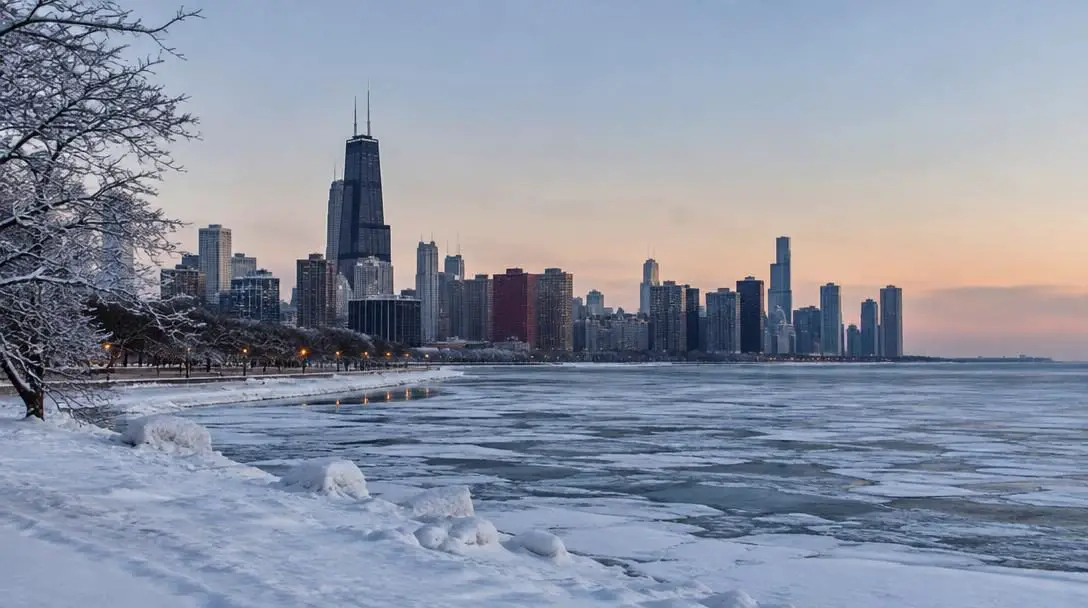
While sun-drenched coastal hubs like San Diego, Miami, and Honolulu attract millions seeking year-round warmth, a completely different reality unfolds across America's northern tier. In these higher latitudes and continental interiors, hundreds of thousands of residents reside in bustling metropolitan areas where sub-zero temperatures, howling winds, and heavy snowstorms shape everyday existence for months at a time.
Far from simply enduring the seasonal freeze indoors, communities in these frigid northern outposts have embraced their severe climates. From historic trading posts to modern economic and academic centers, cities like Fairbanks, Fargo, Duluth, Anchorage, and Madison demonstrate how deliberate winter preparation and rich cultural traditions transform hostile winter landscapes into thriving cold-weather hubs.
Key takeaways
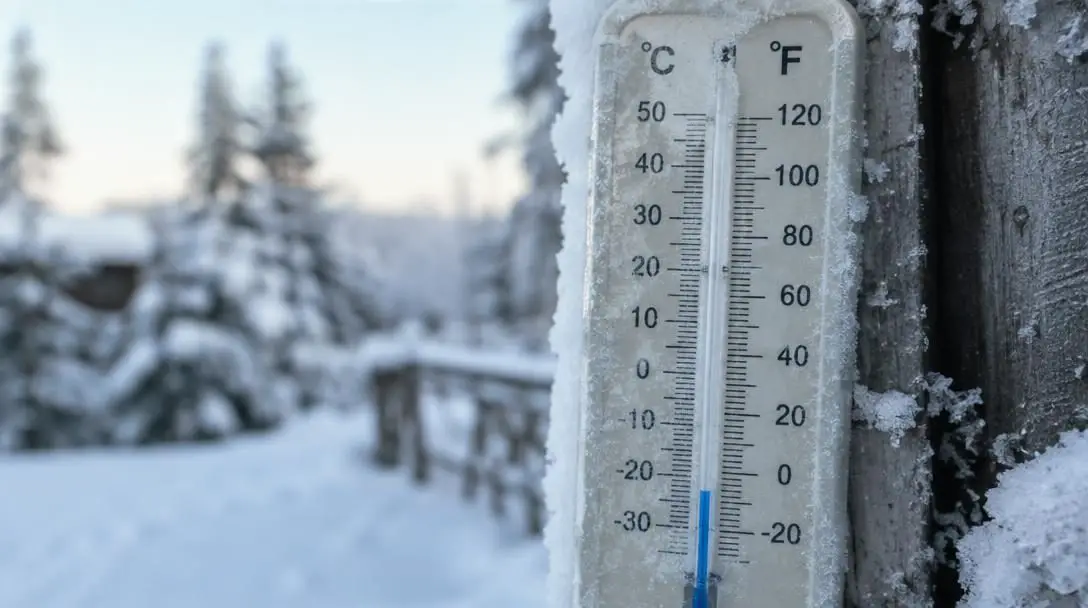
- Fairbanks, Alaska, ranks as the coldest major city in the nation, boasting an average winter low of -17°F and an all-time record low of -66°F.
- Upper Midwest and Alaskan hubs rely on continuous residential heating, redundant power systems, and vehicle winterization to survive severe seasonal chills.
- Northern European heritage deeply informs regional winter comfort, particularly in cities like Fargo where hearty cold-weather cuisine fuels daily life.
- Proactive winter habits—including structured garment layering, skin protection, and specialized vehicle care—are vital to staying safe during sub-zero cold snaps.
At a glance: America's coldest urban centers
To understand the severity of winter in these metropolitan areas, it helps to examine their typical seasonal lows alongside their historic records. The following table highlights the climate figures and defining characteristics established across historical meteorological records.
| City | Average Winter Low | Historical Record Low | Date of Record Low | Notable Landmark or Feature |
|---|---|---|---|---|
| Fairbanks, Alaska | -17°F | -66°F | January 1934 | "The Golden Heart of Alaska" |
| Duluth, Minnesota | 2°F | -41°F | January 1885 | World's only all-freshwater aquarium |
| Fargo, North Dakota | 3°F to 8°F (Yearly) | -39°F | February 1996 | Historic Fargo Theatre & Red River Zoo |
| Anchorage, Alaska | 13°F | -38°F | February 1947 | Glacier cruises & thriving artist community |
| Madison, Wisconsin | 14°F | -37°F | January 1951 | Olbrich Botanical Gardens & State Capitol |
The 5 coldest major cities in the United States
The coldest urban hubs in the country are situated across the interior north and the Upper Midwest. Driven by continental air masses and high latitudes, these five cities combine extreme meteorological patterns with vibrant local cultures and resilient civic infrastructures.
Fairbanks, Alaska
- Average Winter Low: -17°F
- Record Low: -66°F (January 1934)
- Population: Approximately 33,000 residents
- Nickname: The Golden Heart of Alaska
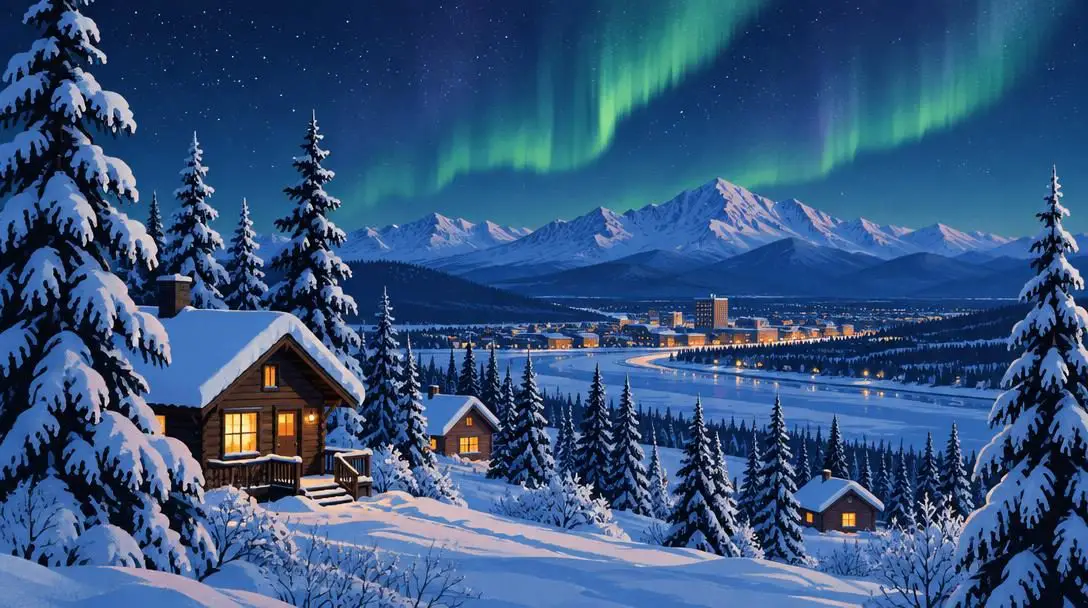
Sitting deep in the Alaskan interior, Fairbanks holds a reputation as the coldest city in the United States. With a population of roughly 33,000 residents, the city endures relentless seasonal deep freezes where the average winter low plunges to -17°F, alongside a modest overall yearly low of 18°F. The most extreme cold snap on local record occurred in January 1934, when the thermometer plummeted to an astonishing -66°F.
Despite these daunting numbers, community life remains remarkably active. Rather than staying trapped inside, locals use thermal garments, layered technical wear, and continuous heating systems to safely participate in outdoor pastimes. The city serves as a hub for dog sledding, intricate ice sculpting competitions, snowmobiling, ice fishing, and snowshoeing across pristine winter expanses.
Fargo, North Dakota
- Yearly Average Low: 3°F to 8°F
- Record Low: -39°F (February 1996)
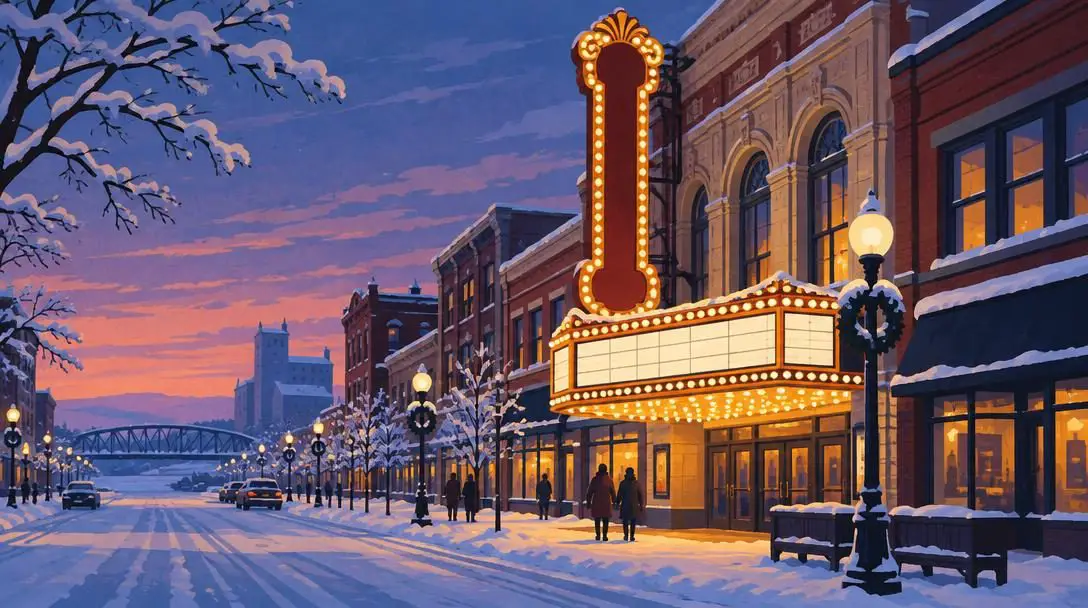
- Key Attractions: Red River Zoo, Fargo Theatre, Fargo Air Museum
Fargo serves as an emblem of the fierce, biting winter chill found throughout the northern plains of the American Midwest. Surrounded by flat prairies that offer little defense against howling arctic winds, Fargo experiences average yearly lows hovering between 3°F and 8°F. In February 1996, the city documented its all-time record low of -39°F during an intense regional cold snap.
Fargo's historical character shines through prominent regional institutions like the historic Fargo Theatre, the Fargo Air Museum, and the Red River Zoo. Furthermore, the city's significant Northern European population has woven lasting culinary traditions into everyday winter life. Residents maintain comfort and warmth during extended cold spells by preparing and sharing hearty heritage meals, including Spaetzle, Schnitzel, Kuchen, Bavarian Pretzels, and hot Pierogies.
Duluth, Minnesota
- Average Winter Low: 2°F
- Record Low: -41°F (January 1885)
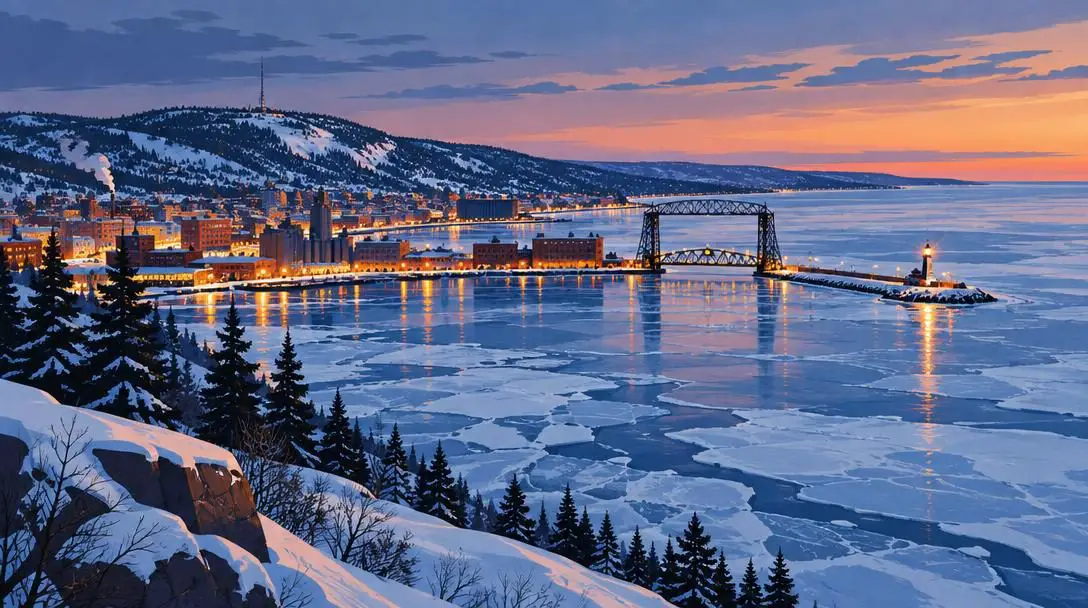
- Distinct Feature: Duluth Superior Harbor & all-freshwater aquarium
Positioned on the rocky western tip of Lake Superior, Duluth pairs picturesque Midwestern beauty with raw winter power. Lake-effect moisture and northern winds produce sustained cold throughout the season, driving average winter low temperatures down to 2°F. The city's coldest moment in history was logged during the deep winter of January 1885, when the mercury dipped to -41°F.
Duluth thrives around its maritime heritage, anchored by the busy Duluth Superior Harbor and the distinction of hosting the world's only entirely freshwater aquarium. Living securely along the lakeshore requires strict attention to cold-weather precautions: residents routinely bundle up to safeguard core body temperatures, avoid even brief skin exposure during negative wind chills, and keep home survival packs equipped with secondary heating sources.
Anchorage, Alaska
- Average Winter Low: 13°F
- Record Low: -38°F (February 1947)
- Seasonal Economy: Glacier cruises, state park tours, local arts
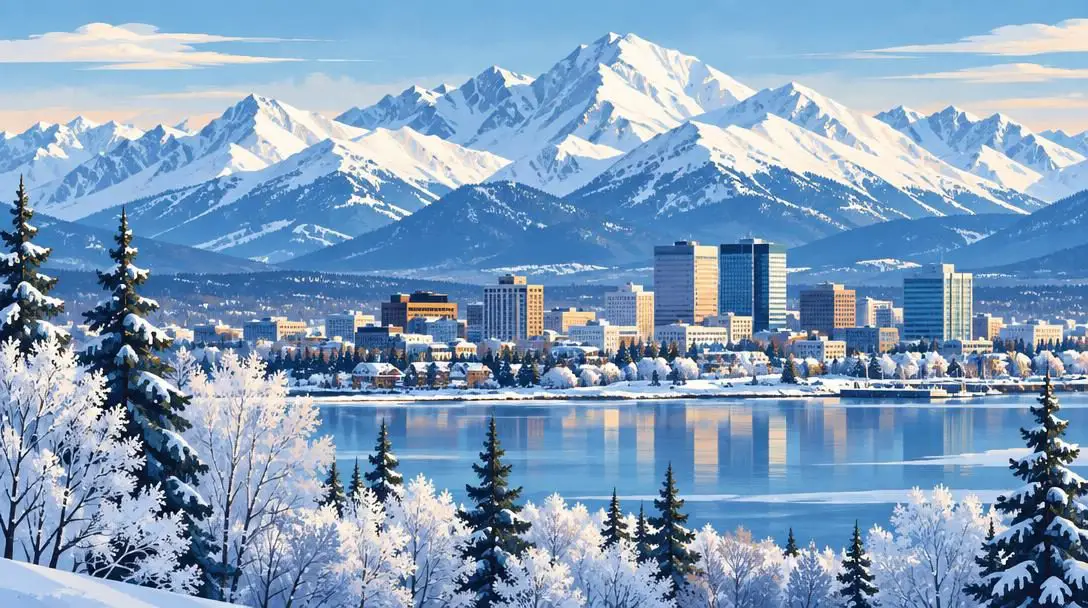
While Alaska is celebrated internationally as the "Land of the Midnight Sun," its largest urban center faces long, dark, and chilly winter seasons. Anchorage experiences average winter low temperatures around 13°F, with its historic benchmark cold snap occurring in February 1947 at -38°F. Although coastal proximity tempers its climate compared to the deep interior of Fairbanks, the city's sub-arctic location still brings sustained freezing conditions.
Far from dampening city life, Anchorage maintains a dynamic winter economy and cultural scene. Tourists and locals bundle up for winter glacier cruises, explore extensive trails within neighboring state parks, and book guided wildlife outings. Simultaneously, the city's vibrant network of resident artists, galleries, and cultural centers keeps urban social life energetic all winter long.
Madison, Wisconsin
- Average Winter Low: 14°F
- Record Low: -37°F (January 1951)
- Popular Landmarks: Olbrich Botanical Gardens, Henry Vilas Zoo
Affectionately known as "Mad Town," the state capital of Wisconsin unites a bustling university atmosphere, government center, and traditional Midwestern winter climate. Madison posts an average winter low temperature of 14°F. In January 1951, the city experienced its sharpest drop on record when temperatures plunged to -37°F.
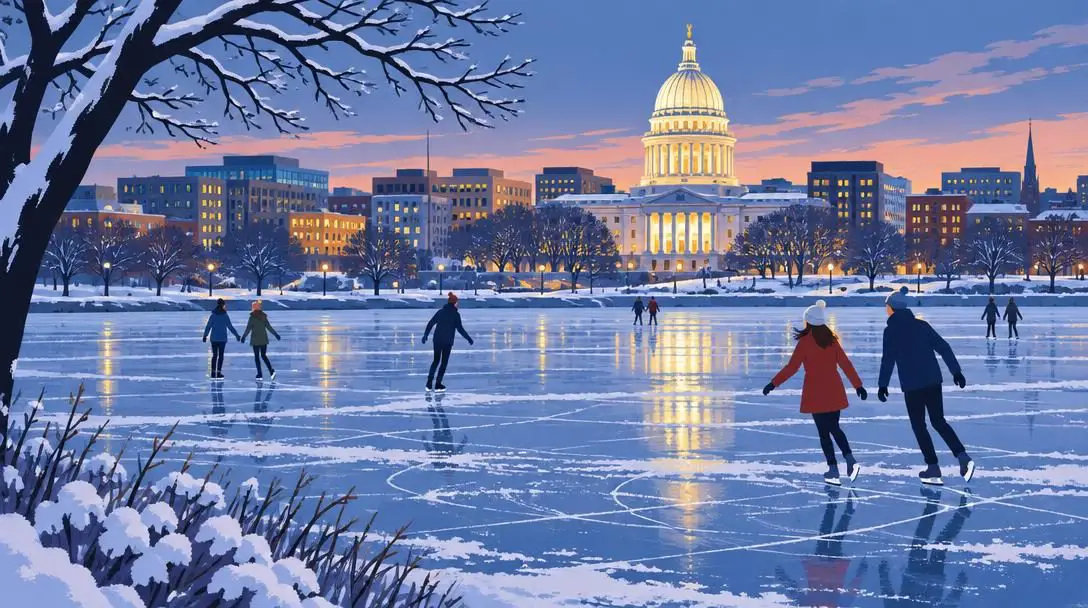
Madison balances its severe weather through civic celebrations and robust outdoor recreation. Residents frequently ice skate across frozen lakes, race down popular sledding hills, and gather at the Memorial Union Terrace and Henry Vilas Zoo. During the winter holidays, thousands venture out to view the elaborate lighting displays around the state capitol, which prominently features a towering Christmas tree, before warming up with the state's famous hot cheese curds.
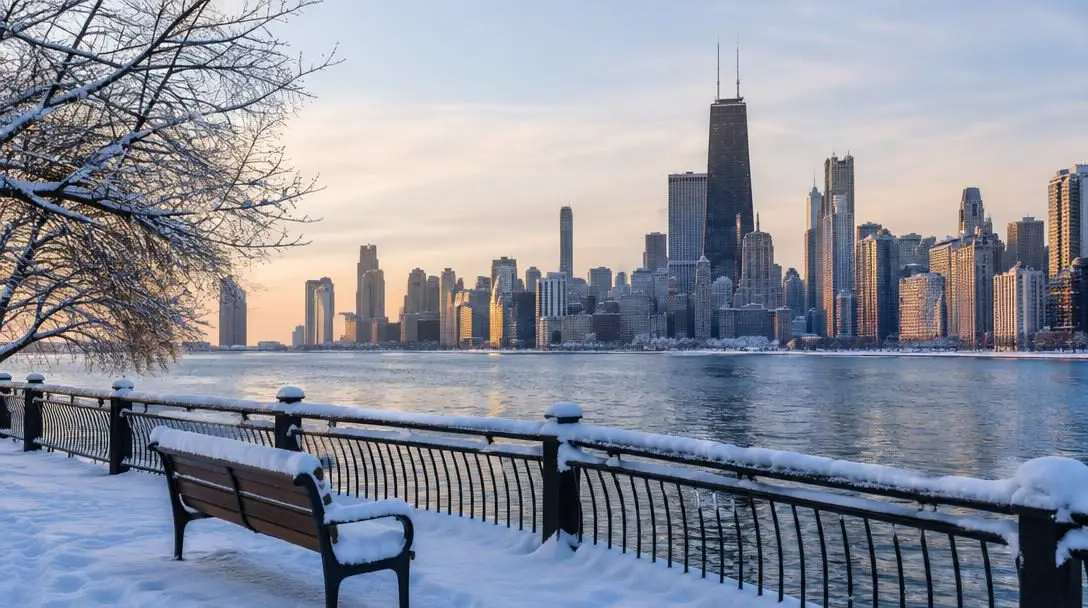
Far from retreating into isolation during sub-zero weather, northern communities actively cultivate vibrant outdoor traditions, festive civic gatherings, and rich seasonal food cultures.
How extreme cold environments affect daily operations
Operating a household or workplace in regions prone to sub-zero temperatures requires understanding how deep cold alters materials, mechanical systems, and human physiology. When ambient temperatures drop well below 0°F, heat transfers rapidly away from any surface that is warmer than the surrounding air. For the human body, this means internal core temperature regulation becomes an immediate priority, as uninsulated skin loses heat in minutes.
Structural demands are equally intense. Residential heating systems in Fairbanks, Duluth, and Fargo must run around the clock to compensate for severe thermal transfer through roofs, foundations, and exterior siding. Because primary furnace systems can be pushed to their mechanical limits during extended cold snaps, maintaining redundant or secondary heating options is an essential standard of homeownership.
Mechanical transportation faces separate hurdles. Vehicle motor oils thicken, battery chemical reactions slow down drastically, and tire rubber hardens when temperatures collapse toward negative figures. Drivers in these northern regions rely on specialized winter-grade fluids, block heaters, and battery tenders to ensure vehicles remain operational and safe on icy roadways.
Essential habits for navigating sub-zero winters
Whether visiting for winter recreation or moving permanently to a northern hub, adopting reliable winter survival routines ensures you stay mobile, comfortable, and safe throughout the freezing months.
- Implement a structured three-tier layering system. Begin with a synthetic or merino wool base layer designed to pull perspiration away from your skin. Add an insulating middle layer—such as a thick fleece or wool sweater—to trap heat, and top it with a windproof, heavily insulated outer jacket.
- Seal off all exposed skin. When venturing out into sub-zero weather, wear thermal beanies, insulated neck gaiters, and high-performance mittens rather than gloves, ensuring that wrists, necks, and faces are entirely shielded from wind exposure.
- Assemble comprehensive emergency survival packs. Keep dedicated kits inside your home and vehicle containing thick thermal blankets, chemical hand warmers, non-perishable food items, flashlights, extra batteries, and portable secondary warmth sources.
- Service residential heating equipment early. Schedule professional maintenance on furnaces, boilers, and chimneys in the autumn months before freezing weather arrives, and verify that auxiliary heat sources are clean and operational.
- Inspect vehicle readiness for deep freezes. Test the strength of your car battery, flush radiator systems with sub-zero rated antifreeze, install cold-weather windshield wiper fluids, and pack heavy-duty jumper cables or a portable battery jump pack.
- Fuel your body with nutrient-dense meals. Take inspiration from regional culinary staples by incorporating calorie-rich, warm comfort foods like Spaetzle, Pierogies, and Schnitzel to sustain your energy during prolonged cold spells.
Common winter mistakes to avoid in freezing climates
Severe seasonal drops leave very little margin for error. Avoiding common cold-weather mistakes protects you from dangerous thermal exposure, sudden travel delays, and costly property damage.
- Leaving skin uncovered during brief outings: Many individuals assume quick trips to the car or mailbox do not require cold-weather accessories. In places like Duluth and Fairbanks, exposed ears, cheeks, and fingers can suffer from rapid heat loss in a matter of minutes.
- Heading outdoors without checking local forecasts: Venturing into parks, frozen lakes, or highway corridors without consulting up-to-date wind chill charts can result in being caught unprepared in fast-moving blizzards or severe temperature plunges.
- Relying on a single unbacked heat source: Depending entirely on a single municipal gas line or central furnace without a secondary heating plan leaves households vulnerable during power grid interruptions or mechanical failures.
- Wearing a single bulky coat over light clothing: Putting a heavy parka over a simple cotton t-shirt traps sweat and makes it impossible to regulate your temperature as you move between freezing streets and overheated stores.
- Neglecting drafts and insulation gaps at home: Failing to seal gaps around window frames, basement doors, and exterior entryways creates continuous cold drafts that dramatically inflate utility bills and strain heating units.
- Traveling without emergency roadside supplies: Driving along open Midwestern or Alaskan corridors without cold-rated emergency blankets, battery boosters, and emergency provisions can leave you stranded in life-threatening conditions during sudden breakdowns.
Frequently asked questions
Which US city has recorded the lowest temperature in history?
Among the major cold-weather cities featured, Fairbanks, Alaska, holds the record with an extraordinary reading of -66°F, which occurred in January 1934.
Why does Fargo experience such severe cold despite being in the contiguous US?
Fargo sits deep within the flat continental interior of North America, where arctic air masses sweep down from the polar north without mountain ranges or coastal maritime buffers to moderate the cold, leading to historical drops as low as -39°F.
How does Lake Superior influence the winter climate of Duluth?
While Lake Superior provides a picturesque backdrop, its maritime presence brings severe winds and lake-effect snow, keeping winter average low temperatures around 2°F and contributing to historical records down to -41°F.
What types of activities do residents enjoy during sub-zero winters?
Residents across these cities participate in a wide variety of cold-weather traditions, including ice fishing, snowmobiling, ice sculpting, dog sledding, snowshoeing, and ice skating on frozen neighborhood lakes.
What foods are traditionally eaten to cope with freezing Midwest winters?
In cities like Fargo and Madison, traditional, hearty comfort foods such as Pierogies, Schnitzel, Spaetzle, Bavarian Pretzels, Kuchen, and hot cheese curds provide the dense calories and warmth needed during extended cold snaps.
The bottom line
Living in or visiting America's coldest cities requires respect for the natural environment, disciplined preparation, and an investment in proper winter gear. Destinations like Fairbanks, Fargo, Duluth, Anchorage, and Madison prove that sub-zero temperatures do not prevent cities from thriving. By planning ahead, maintaining vehicles and homes, and embracing regional winter traditions, residents and visitors alike transform severe seasonal freezes into rewarding, memorable adventures.