5 Most Sublime Animated Movies

When Walt Disney released Snow White and the Seven Dwarfs in 1937, critics and industry observers openly doubted whether audiences possessed the patience to sit through a full-length cartoon. In the more than ninety years since that milestone, animated cinema has systematically dismantled those initial reservations. Rather than remaining an experimental novelty or a vehicle confined strictly to slapstick shorts, the format has expanded across international borders and artistic movements to become one of the most expressive storytelling engines in modern culture.
Today, animation operates not as a narrow genre geared solely toward children, but as an expansive medium capable of tackling any emotional register or philosophical inquiry. From psychological investigations of the unconscious mind to solemn historical documentaries and vast science-fiction parables, five landmark films stand out for their extraordinary aesthetic ambition, technical ingenuity, and enduring narrative impact.
Key takeaways
- Animated cinema functions as an unlimited artistic medium rather than a child-oriented genre, embracing complex themes like wartime trauma and psychoanalysis.
- Technical choices such as simulated optical physics, Adobe Flash cutouts, and hand-painted backgrounds directly dictate emotional resonance.
- Pioneering filmmakers demonstrate that animation can achieve emotional realism and spatial depth that live-action filmmaking cannot replicate.
- Understanding sublime animation requires appreciating the delicate equilibrium between dynamic motion, environmental design, and quiet, contemplative pacing.
At a glance: Five landmark achievements in animation
| Film | Key Creative Figures | Distinct Visual Signature | Central Narrative Focus |
|---|---|---|---|
| Paprika | Director Satoshi Kon, Animator Masashi Ando | Fluid, borderless transitions between waking life and subconscious dreams | Psychiatric investigation into a stolen dream-recording device |
| Waltz With Bashir | Writer, Director, and Actor Ari Folman | Stark Adobe Flash cutout animation with surreal, drifting textures | Investigative documentary exploring war trauma and suppressed memory |
| Wall-E | Produced by Pixar Animation Studios | Simulated real-world cinematography, lens distortions, and focal shifts | A solitary robot's cosmic search for connection and ecological renewal |
| Sleeping Beauty | Background Stylist and Painter Eyvind Earle | Formal, highly decorative hand-painted medieval landscapes | Classical fairy tale concerning a malevolent curse and an enchanted sleep |
| Spirited Away | Director Hayao Miyazaki | Lush, hand-drawn environmental worldbuilding paired with contemplative pauses | A young girl's journey through a mysterious spirit bathhouse |
The five most sublime animated films
Each of the following selections showcases how deliberate stylistic choices elevate animated filmmaking into an unforgettable visual encounter, proving that visionary craft can transcend conventional storytelling borders.
Paprika
- Director: Satoshi Kon
- Key Animator: Masashi Ando
- Source Material: 1993 novel by Yasutaka Tsutsui
- Release Year: 2006
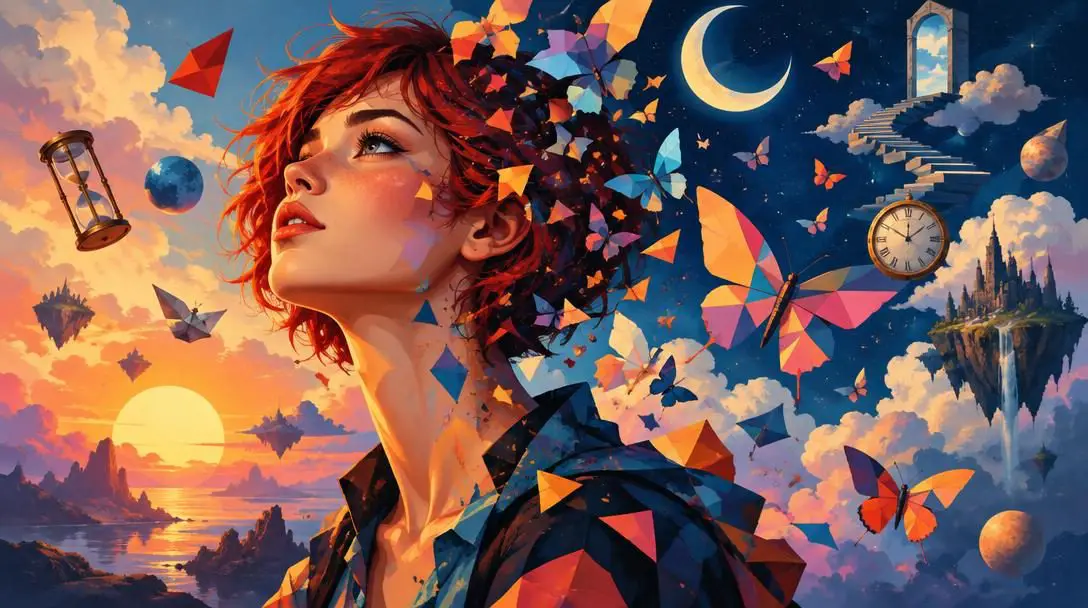
Based on the 1993 novel by Yasutaka Tsutsui, this 2006 masterpiece directed by Satoshi Kon plunges headfirst into the labyrinth of human psychology. The narrative centers on Dr. Atsuko Chiba, a research psychiatrist who helps pioneer an experimental therapeutic device capable of entering the dreams of her patients. When a prototype of this revolutionary technology is stolen, the structural barrier separating the waking world from the subconscious mind begins to fracture, causing chaotic, hallucinatory imagery to bleed into physical reality.
To avert disaster, Dr. Chiba assumes her vibrant alter-ego, the titular dream-detective Paprika. Working in close collaboration with renowned animator Masashi Ando, Kon brings this conceptual crisis to life through astonishing, seamless transitions. Unlike live-action cinema, which often relies on visible digital cuts or jarring practical effects to signal altered mental states, Paprika renders the shift between dreams and reality entirely borderless, pulling the viewer through an ever-escalating parade of cultural artifacts, subconscious fears, and surreal philosophical musings.
Waltz With Bashir
- Writer, Director, and Lead: Ari Folman
- Visual Medium: Adobe Flash cutout animation
- Core Subject: 1982 Lebanon War and suppressed trauma
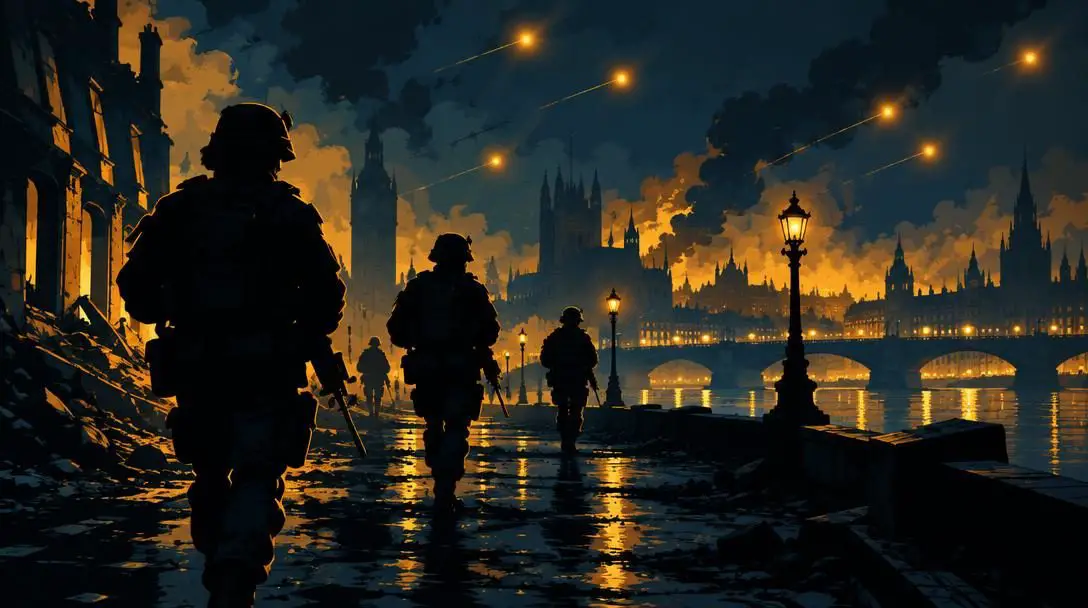
Written, directed by, and starring Ari Folman, Waltz With Bashir is an extraordinary documentary that pushes animated storytelling into unchartered non-fiction territory. The film revolves around Folman's realization that he has completely repressed his memories of serving as a nineteen-year-old Israeli infantry soldier during the conflict in Lebanon, including his proximity to devastating wartime massacres. Determined to recover his missing past, Folman sets out to interview former comrades, journalists, and clinical psychologists.
Instead of relying on conventional talking-head interviews or scarce archival footage, Folman constructs the film entirely through stylized Adobe Flash cutouts. This aesthetic choice provides a flat, surreal, and floating visual dynamic that acts as an accurate surrogate for the unstable architecture of memory itself. By using animation to bridge the void left by post-traumatic stress disorder, the film captures internal emotional truths that literal camera recordings often fail to convey.
Wall-E
- Production Studio: Pixar Animation Studios
- Key Visual Innovation: Mimicked physical camera lenses and optical focus
- Primary Themes: Solitude, ecological revitalization, and human connection
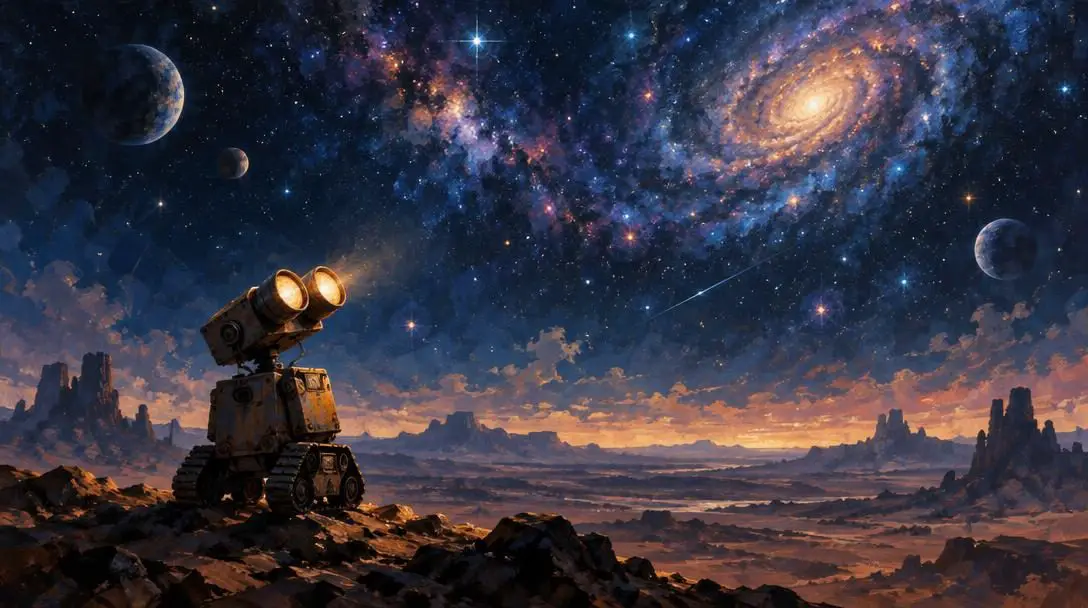
While mature psychological studies and wartime memoirs demonstrate the medium's dramatic breadth, Pixar's Wall-E shows how accessible, multi-generational storytelling can achieve equal visual refinement. The film introduces viewers to a derelict, trash-choked Earth abandoned by humanity, where a single, small trash-compacting robot continues his daily operational loop in quiet solitude. His existence shifts dramatically upon the arrival of an advanced, sleek reconnaissance probe, prompting a cosmic pursuit that ultimately sets humanity on a path back toward their home planet.
What elevates the film to sublime status is its unprecedented dedication to photographic realism within a fully synthetic environment. Rather than exploiting the limitless, frictionless perspectives typical of computer graphics, the filmmakers intentionally simulated the optical behavior, focal distortions, lens flares, and subtle imperfections of physical movie cameras. This commitment to simulated cinematography grounds the metallic protagonist in a believable, tangible space that heightens the emotional resonance of his galactic romance.
Sleeping Beauty
- Stylistic Lead: Eyvind Earle
- Production Technique: Traditional hand-painted cel animation
- Narrative Focus: Classical European fairy tale
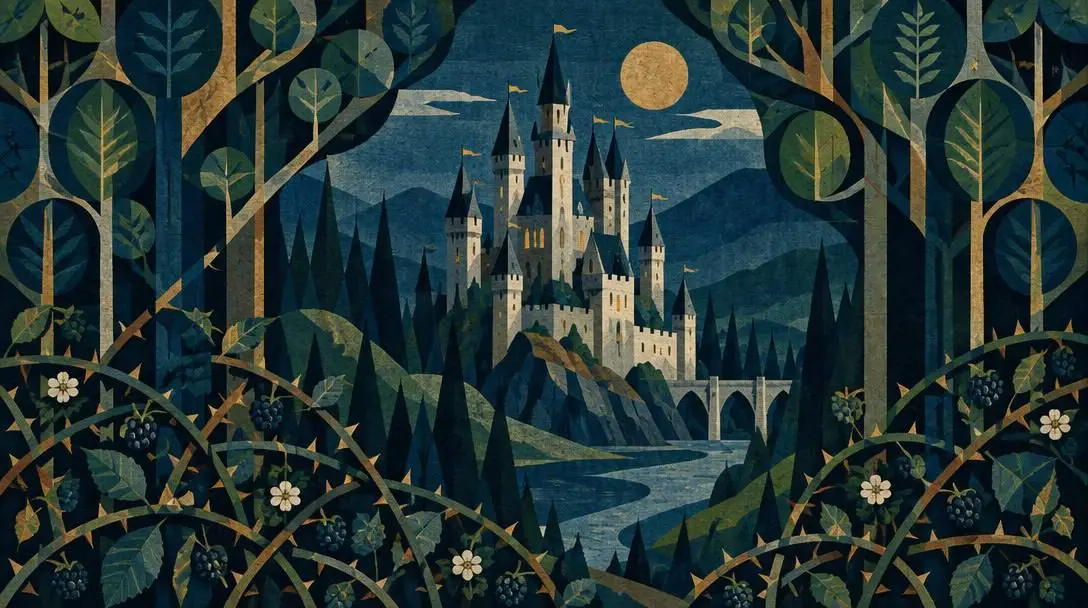
Produced decades before the advent of computer-generated imagery, this Disney classic demonstrates the heights achievable through uncompromising manual craft. The familiar narrative traces the tragic curse cast upon a young princess on her sixteenth birthday, sentencing her to a century of enchanted slumber that can only be broken by a prince's kiss. While the story draws on timeless folklore, the film's artistic brilliance stems from an extraordinary aesthetic gamble.
Background artist and stylist Eyvind Earle fundamentally redefined the look of animated feature filmmaking by pairing medieval tapestry motifs with sleek mid-century graphic design. Earle produced backgrounds so intricate, atmospheric, and formally rigorous that every frame resembles an illuminated museum gallery piece. The sweeping horizontal landscapes, sharp geometric foliage, and rich color palettes set a visual benchmark for traditional animation that remains unparalleled.
Animation operates not merely as a storytelling engine, but as an expansive fine-art medium that visualizes internal human truths impossible to capture with physical lenses.
Spirited Away
- Director: Hayao Miyazaki
- Production Studio: Studio Ghibli
- Artistic Trademark: Lush hand-drawn environments with contemplative stillness
Across a long career that includes celebrated works such as Howl's Moving Castle, Princess Mononoke, and Ponyo, director Hayao Miyazaki has continually redefined hand-drawn cinema. Yet Spirited Away stands out as his most visually arresting and narratively layered triumph. The film tracks Chihiro, a sullen young girl who accidentally enters an abandoned amusement park that transforms into a bustling, mystical bathhouse populated by spirits, witches, and strange apparitions.
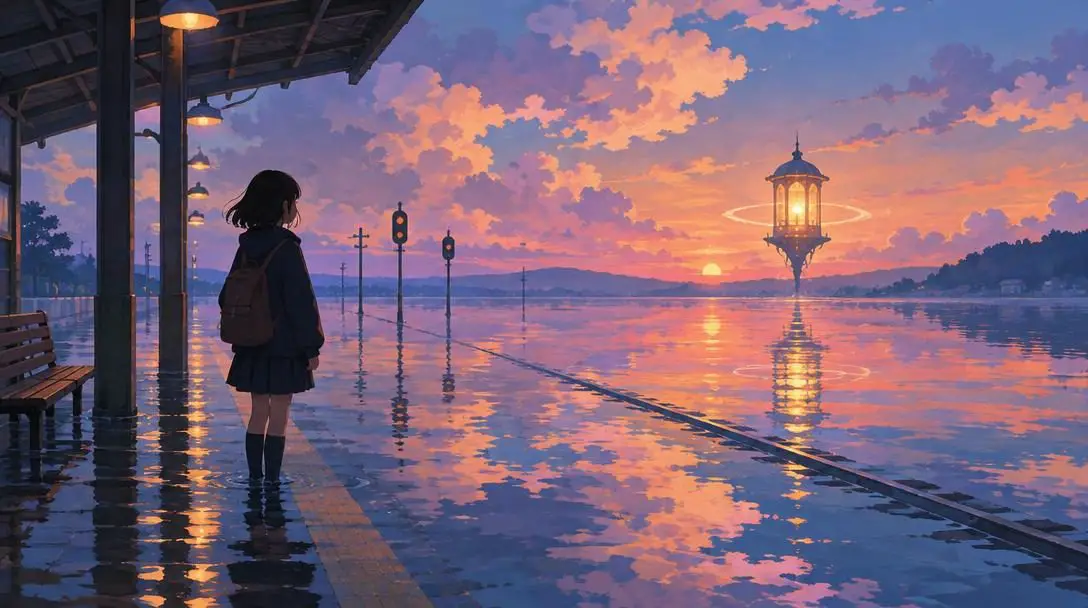
The film's sublime power relies on Miyazaki's exceptional balance of chaotic spectacle and quiet, meditative observation. Alongside the kinetic frenzy of towering spirits and bubbling herbal tubs, Miyazaki introduces prolonged, reflective pauses—such as Chihiro's quiet journey on a train traveling across a tranquil, flooded landscape. This delicate equilibrium between kinetic action and serene environmental observation allows the intricate hand-drawn world to breathe, anchoring the supernatural spectacle in profound emotional truth.
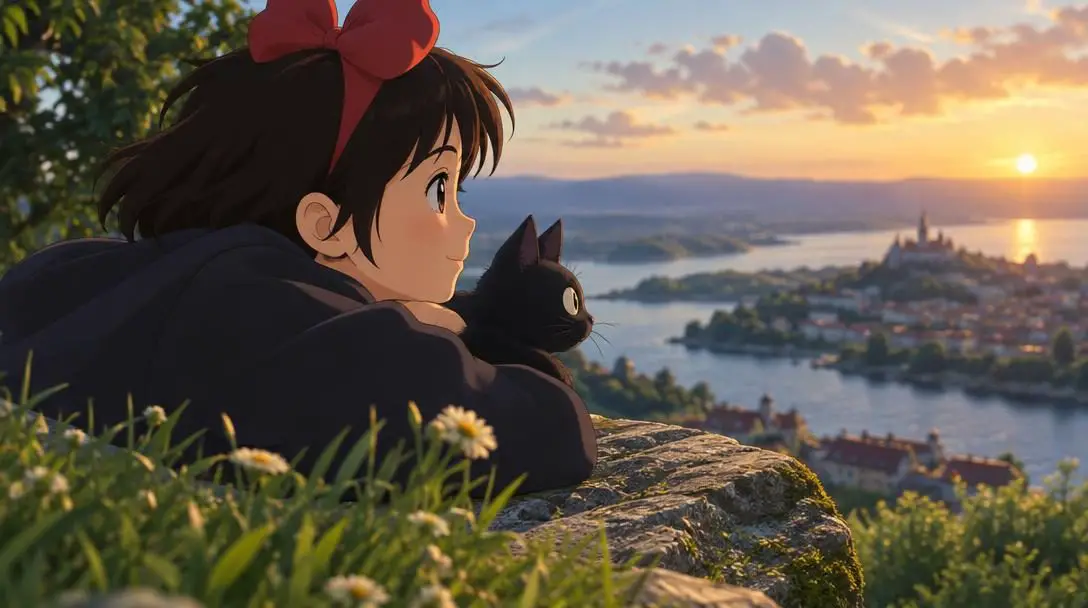
How sublime animation works behind the scenes
The aesthetic power of animated cinema is never an accident; it is the result of methodical technical and narrative solutions developed by artists grappling with the blank slate of the medium. By examining the fundamental mechanics behind these five masterpieces, viewers can gain a deeper appreciation for how animators manipulate time, space, and perspective.
- Stylized environmental worldbuilding: Backgrounds are never passive wallpaper. As demonstrated by Eyvind Earle in Sleeping Beauty, environmental design dictates tone and spatial weight. By integrating formal decorative motifs into the landscapes, artists give physical shape to the emotional stakes of the characters inhabiting the world.
- Simulated lens physics: In a purely digital environment, camera angles can technically go anywhere without mechanical constraint. However, films like Wall-E establish emotional verisimilitude by actively enforcing optical restrictions—such as shallow depth of field and handheld camera shake—making virtual objects feel physically present.
- Animation as documentary testimony: Traditional documentary film relies heavily on surviving historical records. In Waltz With Bashir, Ari Folman demonstrates that stylized cutout animation can resurrect absent memories, capturing the interior, psychological weight of trauma when photographic documentation does not exist.
- Seamless psychological transitions: Live-action cinema often struggles to visualize internal thought processes without disruptive visual effects. In Paprika, Satoshi Kon exploits the elastic nature of hand-drawn animation to dissolve physical spatial logic, moving between dreams and waking consciousness within a single continuous motion.
- The rhythm of movement and stillness: Effective animation does not require nonstop movement. Hayao Miyazaki's masterworks achieve their evocative weight through deliberate pauses, inviting audiences to absorb the environmental details, ambient sounds, and quiet emotional contemplation of the characters before re-engaging the main plot.
Step-by-step: How to curate and analyze masterpiece animation
Experiencing sublime animation as fine art requires a more deliberate viewing method than casual film watching. Follow these practical steps to uncover the subtle techniques and artistic choices embedded in every frame:
- Match the film to the intended viewing context: Acknowledge that animated works vary dramatically in tone and subject matter. While Pixar's Wall-E provides a universally accessible experience for all ages, titles like Paprika and Waltz With Bashir contain complex psychological themes and intense wartime imagery designed exclusively for mature viewers.
- Calibrate your display for fine artistic detail: Works like Sleeping Beauty and Spirited Away rely heavily on intricate hand-painted textures and nuanced color palettes. View these features on the largest screen available, ensuring that black levels and brightness settings are adjusted so that deep shadows do not obscure detailed environmental line work.
- Isolate visual cinematography from the plot: During a repeat viewing, temporarily disregard the narrative trajectory and focus entirely on how the frame is composed. Observe the artificial camera focus in Wall-E, the geometric proportions in Sleeping Beauty, or the surreal shifting backgrounds in Paprika to see how the visual plane is actively manipulated.
- Contrast different artistic methodologies: Deepen your understanding of cinematic craft by juxtaposing contrasting animation styles back-to-back. Watch a traditionally hand-painted feature alongside a digital 3D production or an Adobe Flash cutout documentary to evaluate how different tools alter the narrative's emotional tone.
- Document thematic and technical patterns: After the credits roll, write down the primary artistic mechanisms that stood out most clearly. Reflect on whether the director used realistic physical camera movements, highly stylized dream logic, or meditative quiet pauses to deliver the film's core ideas.
Common misconceptions when viewing animated cinema
Despite the medium's century-long evolution, mainstream discourse often reduces animation to rigid, outdated stereotypes. Overcoming these common misconceptions is essential for appreciating the true complexity of animated masterpieces:
- Assuming animation is an exclusive children's genre: Dismissing animated cinema as lightweight family entertainment blinds viewers to some of the most daring adult storytelling in modern film. Works like Waltz With Bashir confront horrific wartime events, while Paprika wrestles with deep psychoanalytic concepts.
- Ignoring the artistry of environmental backgrounds: Audiences frequently fixate entirely on moving characters in the foreground, ignoring the extraordinary skill required to paint static environments. The lasting legacy of Sleeping Beauty rests almost entirely upon the architectural and landscape compositions painted by Eyvind Earle.
- Overlooking camera direction in virtual spaces: Because computer animation lacks a physical crew and mechanical lenses, casual viewers often assume digital films require no cinematography. In reality, the team behind Wall-E had to program every optical nuance, focal blur, and aperture shift from scratch to achieve convincing realism.
- Equating visual stylization with cheap production: Alternative methods, such as the digital cutouts seen in Waltz With Bashir, are occasionally mistaken for primitive shortcuts. In truth, stark stylization is frequently selected to evoke specific emotional states, such as the fragmented unreliability of traumatic memory.
- Valuing kinetic action over contemplative pacing: Some viewers dismiss quiet, slow-moving scenes as filler. Yet as demonstrated by Hayao Miyazaki in Spirited Away, still moments are vital artistic devices that grant weight to the surrounding narrative bursts.
Broadening your animated film horizons
Finishing these landmark productions often sparks a desire to investigate deeper artistic traditions within the medium. A natural next step is to explore the broader catalogs of the directors and animators highlighted here. For instance, those fascinated by the gentle environmental rhythm and hand-drawn artistry of Spirited Away can explore Hayao Miyazaki's other canonical works, such as Howl's Moving Castle, Princess Mononoke, and Ponyo.
Viewers who appreciate the surreal psychological daring of Paprika should seek out the broader collaborative work of Satoshi Kon and animator Masashi Ando, or read Yasutaka Tsutsui's original 1993 novel to analyze how written psychological metaphors were adapted into animated visual symbols. For those drawn to the journalistic depth of Waltz With Bashir, researching alternative documentary animation reveals how non-fiction filmmakers worldwide use illustrated media to reconstruct history. Finally, monitoring the evolving conversation between hand-crafted painting and digital cinematography ensures an ongoing appreciation of animation as a living, expanding art form.
Frequently asked questions
Why is animation considered a medium rather than a genre?
A genre describes the subject matter or tone of a story—such as horror, science fiction, comedy, or war. Animation is an artistic technique and medium through which any genre can be expressed, ranging from psychological thrillers like Paprika to non-fiction historical accounts like Waltz With Bashir.
What role did Eyvind Earle play in Sleeping Beauty?
Eyvind Earle served as the background painter and stylistic lead for the film. His distinct vision combined medieval decorative aesthetics with modern graphic design, establishing the intricate, painterly backdrops that define the film's iconic visual identity.
How did Wall-E achieve such a visually realistic appearance?
Pixar's animators deliberately mimicked the optical behavior, focal distortions, movements, and imperfections of physical movie cameras, creating a grounded sense of depth and photographic realism rarely seen in computer-animated films of that era.
Why did Ari Folman use animation to tell a true documentary war story?
Folman used Adobe Flash cutout animation to visually represent the shifting, unreliable nature of human memory and post-traumatic stress disorder, allowing him to capture personal, interior truths about his forgotten wartime past that live-action recordings could not convey.
What makes Hayao Miyazaki's pacing in Spirited Away unique?
Miyazaki balances high-energy narrative momentum with deliberate, contemplative pauses. These quiet interludes allow audiences to absorb the detailed hand-drawn environment and experience the characters' internal reflections before the story resumes its active pace.
The bottom line
The history of animated cinema is a testament to constant reinvention. What began with critics questioning whether audiences would tolerate full-length illustrated storytelling in 1937 has matured into one of the most sublime formats in contemporary cinema. Whether using traditional gouache paint, Adobe Flash digital cutouts, or hyper-precise simulated camera lenses, visionary directors continue to demonstrate that the only true limit of the medium is the human imagination.