
5 Movies That Can Change the Way You Think About Life

Movies serve as an extraordinarily potent vehicle for narrative art, transporting audiences across distant cultures, historic periods, and unfamiliar worlds. Far beyond providing a fleeting escape from everyday routines, the finest cinema acts as an honest mirror for both society and the human soul, educating viewers on the breadth of human triumph and vulnerability.
When a motion picture strikes a profound chord, it does much more than generate transient emotion. It prompts viewers to examine their own life choices, re-evaluate entrenched assumptions, and approach their personal struggles with renewed resilience and empathy. Five landmark films—The Shawshank Redemption, Forrest Gump, The Dark Knight, The Hunger Games, and Life Is Beautiful—stand out for their enduring power to fundamentally alter the way we perceive hope, morality, and human connection.
Key takeaways
- Cinema functions as an experiential mirror that can transform personal values, emotional resilience, and moral understanding.
- Narrative journeys across disparate genres show that genuine hope and perseverance can withstand the bleakest environments.
- Appreciating complex storytelling requires looking past rigid moral dichotomies and superficial genre labels.
- Deliberate viewing habits help translate cinematic philosophies into compassionate, real-world action.
At a glance: Five perspective-shifting films
| Film Title | Release Year | Narrative Setting | Core Philosophical Lesson |
|---|---|---|---|
| The Shawshank Redemption | 1994 | Harsh correctional institution | Hope is an unbreakable, deliberate force that enables human survival. |
| Forrest Gump | 1994 | Modern American history eras | Unconditional optimism and empathy reveal the inherent value of every life. |
| Life Is Beautiful | 1997 | Horrors of the Holocaust | Devoted love and creative imagination can preserve human dignity anywhere. |
| The Dark Knight | 2008 | Urban superhero conflict | Morality is complex, and even flawed individuals retain the potential for redemption. |
| The Hunger Games | 2012 | Dystopian televised arena | Standing up for your core convictions is essential against systemic oppression. |
Five landmark films that challenge your perspective
Each of the following works approaches the complexities of existence through a distinct creative lens. By exploring historical trauma, social change, systemic oppression, and ethical crisis, they provide profound lessons that remain relevant long after the credits roll.
The Shawshank Redemption
- Release Year: 1994
- Central Protagonist: Andy Dufresne
- Primary Conflict: Wrongful imprisonment inside a harsh correctional institution
- Key Theme: The enduring, transformative nature of hope
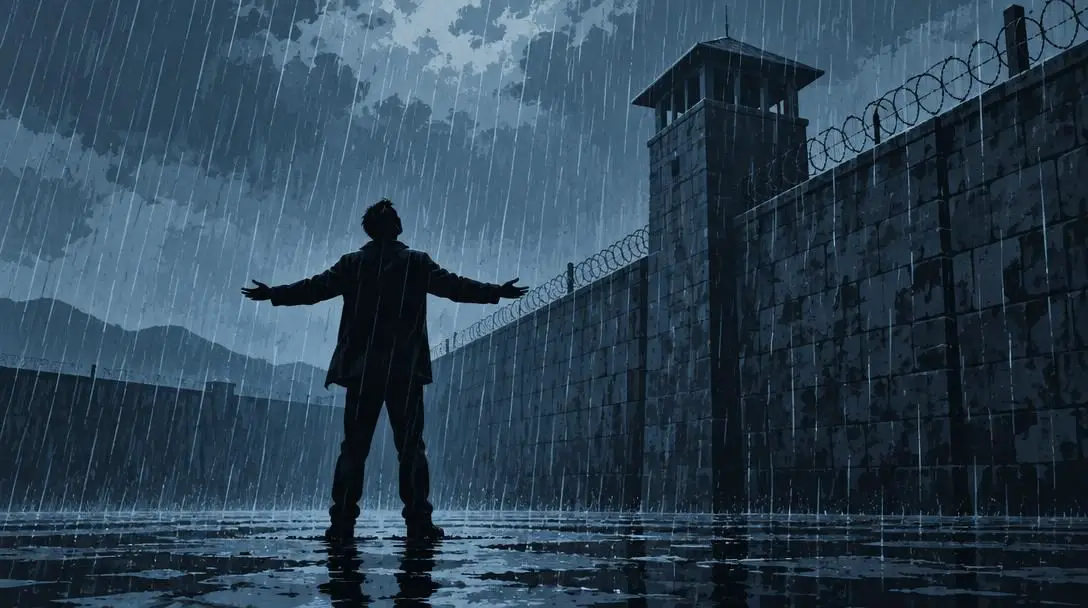
In The Shawshank Redemption, viewer focus centers on Andy Dufresne, a man sentenced to life in a brutal prison for a murder he did not commit. Confronted with arbitrary violence, emotional isolation, and the deadening routines of confinement, Andy makes an intentional decision to cultivate inner hope rather than surrender to despair. His quiet defiance manifests in patient acts of creativity and intellect, demonstrating that external walls cannot bind an individual's dignity or imagination.
The film delivers an uncompromising look at how institutional systems wear down the human soul, yet it concludes as a soaring affirmation of patience and purpose. It reminds audiences that no matter how restrictive, dark, or unfair life circumstances become, one always retains the autonomy to look toward the light at the end of the tunnel. Hope is not depicted as mere wishful thinking, but as an active, defiant discipline that guarantees survival.
Forrest Gump

- Release Year: 1994
- Narrative Scope: Multiple turbulent eras of modern history
- Central Character: Forrest Gump, an unlikely and innocent hero
- Key Theme: Empathy, humility, and cherishing simple moments
Spanning decades of cultural upheaval, Forrest Gump views monumental social shifts through the lens of an unlikely hero characterized by heartfelt innocence and relentless optimism. While those around him succumb to cynicism, bitterness, and heartbreak, Forrest approaches the world with an open posture, meeting every twist of fate with absolute devotion to his loved ones and personal commitments.
The narrative serves as a gentle yet urgent warning against superficial judgments. Every person we encounter carries an intricate, private story filled with quiet struggles and private triumphs. By celebrating the value of simple goodness, the story urges viewers to slow down and cherish everyday moments with family and friends, recognizing that genuine greatness often resides in kindness rather than social status.
The Dark Knight

- Release Year: 2008
- Source Foundation: Based on the comic book character Batman
- Genre: Action-packed superhero narrative and ethical thriller
- Key Theme: Moral complexity and the capacity for redemption
While structured as a pulse-pounding comic book adaptation, The Dark Knight delves into sophisticated moral philosophy. It rejects simplistic tropes of spotless virtue versus irredeemable villainy, opting instead to present a world where civic order is fragile and ethical decisions demand painful, disorienting compromises. Characters are tested to their psychological breaking points, forcing audiences to question what true justice demands.

The film underscores that the boundary between right and wrong is rarely an obvious line. Human nature is fundamentally multifaceted, and society cannot function if it writes people off entirely without recognizing their capacity for redemption. By challenging viewers to confront chaotic ethical dilemmas, the film acts as an exhilarating reminder to avoid reducing human behavior to black-and-white caricatures.
The Hunger Games

- Release Year: 2012
- Setting: A bleak dystopian future
- Core Premise: Youth forced to fight in a brutal televised competition
- Key Theme: Resisting systemic injustice and defending core convictions
Set within an authoritarian state where citizens are forced into an arena for public entertainment, The Hunger Games uses high-stakes survival to dissect systemic control, exploitation, and complicity. As young tributes fight under the constant surveillance of cameras, the story highlights the vital importance of preserving personal morality when external pressures demand total conformity.
Beneath the kinetic suspense lies a potent call to civic awareness. The narrative proves that hope can germinate in the bleakest environments, provided individuals find the courage to protect their values. It stands as an enduring reminder that personal dignity and collective fairness require people to stand up against oppressive circumstances, refusing to abandon their core ideals even when the odds seem insurmountable.
Life Is Beautiful

- Release Year: 1997
- Film Origin: Acclaimed Italian drama
- Historical Setting: The atrocities of the Holocaust
- Key Theme: The protective power of paternal love and imagination
In this acclaimed Italian masterpiece, a devoted father relies on humour, fantasy, and endless sacrifice to protect his young son from the terrifying realities of a concentration camp. Reframing their horrifying confinement as an elaborate, rule-bound game, the father shields the child’s innocence and emotional wellbeing from the brutal cruelty surrounding them.
The work demonstrates the boundless power of familial devotion. It reveals that while we cannot always control the cruelties of the outside world, we possess absolute control over our perspective and the emotional climate we create for those in our care. Even against the backdrop of humanity's darkest historical chapter, genuine beauty and unconditional love can prevail against overwhelming terror.
Cinema acts as an emotional laboratory, transforming abstract philosophical values into immediate human experiences that can fundamentally reorder how we treat one another.
The psychological mechanisms of cinematic storytelling
Films do not merely communicate intellectual arguments; they evoke vivid physical and emotional reactions. Understanding why these particular stories make such an indelible impression requires examining how cinematic immersion engages the human mind.
- Immersive Empathy: Experiencing the world through the struggles of characters like Andy Dufresne or Forrest Gump breaks down personal biases, expanding emotional intelligence and allowing viewers to understand lives far removed from their own.
- Moral Stress Testing: Narratives such as The Dark Knight present agonizing ethical dilemmas, prompting audiences to reflect on what choices they would make when high principles collide with survival.
- Emotional Reframing: Works like Life Is Beautiful illustrate that attitude and intentional focus can alter perception, demonstrating how love and creative sacrifice preserve sanity during acute hardship.
- Symbolic Resilience: Heightened conflicts, such as the televised arena in The Hunger Games, mirror real-world feelings of powerlessness, validating our drive to defend personal autonomy against overwhelming systemic pressures.
Five practical steps for reflective movie watching
Transforming movie night from passive diversion into an active learning experience requires intentionality. Applying these deliberate habits ensures you uncover the philosophical substance within profound cinema.

- Minimize digital distractions: Silence mobile devices and eliminate background multitasking so you can fully register nuanced emotional performances, visual symbolism, and deliberate narrative pacing.
- Suspend immediate judgment: Approach unconventional characters and premises with an open mind, waiting for their full arc to resolve before deciding whether their actions or worldview have merit.
- Analyze underlying philosophical conflicts: Look past surface-level action sequences to determine what competing values, ethical dilemmas, or societal pressures the characters are actually confronting.
- Connect narrative themes to personal challenges: Identify parallels between a character's trials and your own daily obstacles, asking how their resilience, patience, or moral courage might inform your current circumstances.
- Participate in post-viewing discussions: Talk through the film's moral dilemmas and character decisions with friends or family to deepen your comprehension and uncover diverse interpretations.
Common viewing habits that limit emotional impact
Many viewers unintentionally overlook the transformative messages embedded in cinema due to entrenched habits that diminish engagement. Avoiding these common traps unlocks far deeper appreciation.
- Dismissing genre fiction as inherently trivial: Believing that superhero films like The Dark Knight or dystopian adventures like The Hunger Games cannot contain serious moral weight blinds viewers to rigorous philosophical questions.
- Insisting on black-and-white morality: Expecting every story to provide flawless heroes and irredeemable villains prevents audiences from appreciating complex characters capable of both error and redemption.
- Fixating purely on plot mechanics: Focusing exclusively on who wins, dies, or escapes risks ignoring the profound emotional truths and symbolic reflections underlying the physical events.
- Ignoring the historical or situational reality: Viewing historical dramas like Life Is Beautiful without honoring the gravity of the Holocaust strips the narrative of its courage and devastating emotional weight.
- Treating cinema solely as escapism: While relaxation is a valid reason to watch movies, restricting films exclusively to background noise prevents art from challenging your perspectives and fostering personal growth.
Translating cinematic lessons into everyday action
The ultimate metric of an impactful film is whether its core wisdom survives after the screen goes dark. Bringing the insights of these landmark works into regular life requires conscious translation into personal conduct.
First, re-evaluate your relationship with adversity. The shared wisdom connecting The Shawshank Redemption and Life Is Beautiful is that inner freedom cannot be taken by force. Hardship, disappointment, and unexpected crises will inevitably occur, but choosing to maintain optimism and protect those you love remains entirely within your personal control.
Second, reassess how you evaluate other people. The central message of Forrest Gump is that every person possesses an intricate history worthy of dignity and patience. Pair this with the warning from The Dark Knight that individuals are rarely wholly good or irredeemably wicked; giving people room to grow and seek redemption strengthens relationships and prevents hasty, cruel conclusions.
Finally, clarify where you stand on collective integrity. The core tension in The Hunger Games illustrates that complacency in the face of unfairness slowly erodes the soul. When institutional pressure encourages silence, finding the courage to articulate your values and protect the vulnerable is a foundational responsibility in any society.
Frequently asked questions
Can a superhero movie truly offer profound philosophical lessons?
Yes. Works like The Dark Knight show that comic book narratives can serve as serious frameworks for exploring moral ambiguity, civic corruption, and the complex nature of human redemption under intense pressure.
Why are The Shawshank Redemption and Forrest Gump paired together so often?
Both films debuted in 1994 and deal directly with perseverance and empathy, showing how steadfast inner values help individuals navigate difficult institutions and turbulent historical eras.
How does Life Is Beautiful balance comedy with the horrors of the Holocaust?
The film uses humor and imagination strictly as a protective shield erected by a loving father to preserve his young son's innocence, honoring the historical tragedy while highlighting the supreme power of love.
What is the main takeaway from dystopian stories like The Hunger Games?
The film demonstrates that maintaining individual dignity, defending your core convictions, and keeping hope alive are essential duties when confronting systemic oppression and exploitation.
What is the best way to retain and apply cinematic lessons in daily life?
Engage in active viewing by minimizing distractions, reflecting on character choices, analyzing underlying moral dilemmas, and having thoughtful post-film discussions with friends or family.
The bottom line
Cinema holds a rare, enduring power to transform how we navigate reality. Rather than functioning simply as commercial entertainment, thoughtful films challenge our moral assumptions, broaden our emotional reserves, and reassure us that perseverance is always possible. By viewing works like The Shawshank Redemption, Forrest Gump, The Dark Knight, The Hunger Games, and Life Is Beautiful with open minds and thoughtful reflection, we invite art to reshape our worldview and inspire genuine compassion in our daily lives.