5 Names That Only Old People Seem To Have
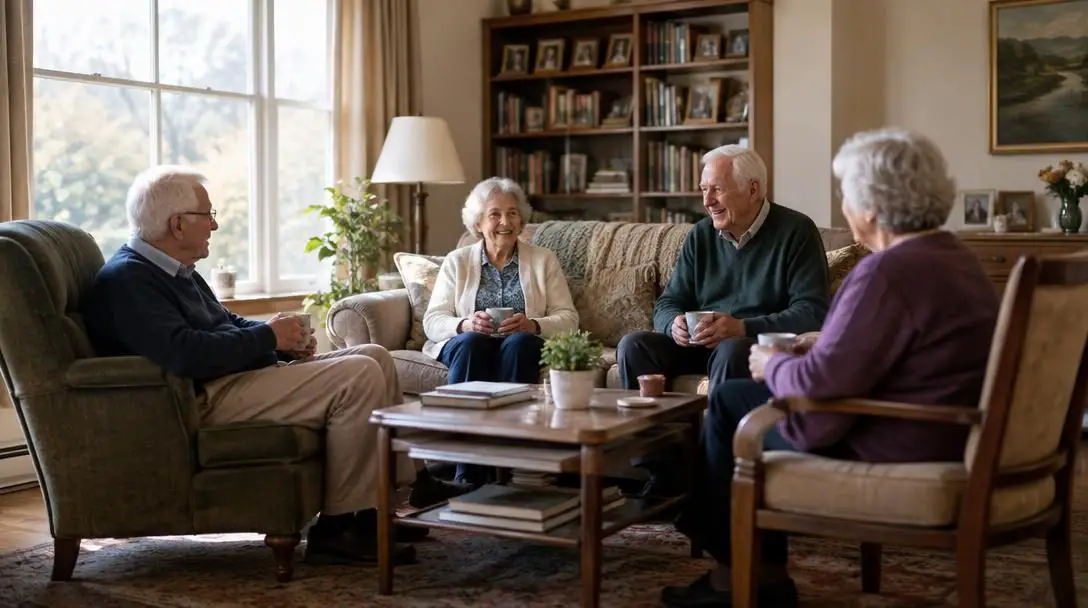
Names carry deep cultural, emotional, and historical resonance, shaping the immediate impressions people form about an individual's background, identity, and relative age. While modern nurseries are filled with contemporary favorites like Aiden, Aurora, and Grayson, an entirely different catalogue of monikers defined the early twentieth century and the generations that preceded it. During those eras, naming conventions prioritized family lineages, classical literature, and enduring heritage.
Over the decades, many of these former staples slipped out of regular rotation, becoming almost entirely associated with grandparents, great-grandparents, and historical figures. Yet naming tastes move in rhythmic cycles: what strikes one generation as dated often strikes a later generation as classic, charming, and distinctive. Five historic names in particular highlight how naming conventions shift across generations, carrying rich etymological backgrounds and notable cultural legacies.
Key takeaways
- Names like Beatrice, Hershel, Eugene, Eleanor, and Edith are strongly tied to older generations due to peak popularity in the early to mid-twentieth century.
- Naming cycles frequently operate on a great-grandparent horizon, where monikers skip two generations before shedding dated impressions and regaining vintage appeal.
- Modern media, diminutive nicknames, and historical figures continue to reshape how contemporary audiences perceive traditional names.
- Exploring ancient linguistic roots reveals that many gentle, older-sounding names originally carried meanings of strength, nobility, and perseverance.
The Shifting Perception of Generational Monikers
When someone hears a given name, subconscious cultural associations immediately go to work. A person's moniker often establishes an unspoken expectation of their peer group. For generations like Generation Z and Generation Alpha, parental preferences pivoted toward soft vowels, novel phonetic combinations, and modern inventions. In contrast, the naming landscape of the late nineteenth and early twentieth centuries was grounded in continuity, biblical traditions, and European ancestry.
As children grow into adulthood and eventually become elders, their names age alongside them. When those names are not passed down to immediate children, a noticeable demographic gap forms. The moniker becomes disproportionately held by elderly populations, cementing its reputation as an older person's name. However, linguistic history demonstrates that names are rarely retired permanently; instead, they experience periods of dormancy before returning to active use.
Vintage Names at a Glance
The following overview summarizes the origin, traditional meaning, and historical peak era of the five names most strongly associated with older generations.
| Name | Linguistic Origin | Core Meaning | Peak Historic Era | Notable Associations |
|---|---|---|---|---|
| Beatrice | Latin / French / Italian | She who brings happiness | 1920s–1930s | Béatrice variant; Beatrix; Latin root Viator |
| Hershel | Hebrew | Deer | 1900s–1940s | Herschel; The Walking Dead; The Simpsons |
| Eugene | Greek | Well-born, noble | Early-to-mid 20th century | Gene; Tangled; Bob's Burgers; SpongeBob |
| Eleanor | European / Greek roots | Historical royal heritage | Turn of the 20th century | Eleanor Roosevelt; The Beatles song; Ellie |
| Edith | Old English | Blessed in war / prosperous | Early 1900s | Edith Wilson; Edith Roosevelt |
Five Names Closely Associated with Older Generations
Among the vast inventory of historic monikers, five names stand out for their strong, unmistakable connection to earlier generations. Exploring their roots reveals why they defined past decades and how they navigate modern perceptions.
Beatrice
- Origin: Latin, French, and Italian
- Meaning: She who brings happiness
- Peak Era: 1920s to 1930s
- Linguistic Predecessor: Beatrix / Viatrix
If you encounter someone named Beatrice, or its accented French variant Béatrice, there is an immediate likelihood that a picture of an older individual comes to mind. This perception is rooted in historical data: Beatrice enjoyed immense popularity during the 1920s and 1930s, establishing itself as a defining choice of that era's nursery boom.
The name carries an uplifting etymology, translating directly to "she who brings happiness." Linguistically, it traces back to the Latin name Beatrix, which scholars consider an evolution of Viatrix, the feminine form of the Latin word viator, meaning "voyager" or "traveler." Despite being viewed as a classic grandmotherly name for several decades, Béatrice began a steady climb in usage after 2010, illustrating that deeply meaningful, traditional choices possess enduring staying power across shifting eras.
Hershel

- Origin: Hebrew
- Meaning: Deer
- Peak Era: 1900s to 1940s
- Alternate Spelling: Herschel
Hershel is an enduring Hebrew name strongly associated with a sturdy, hardworking generation of older men. Rooted in traditional cultural heritage, the name carries the naturalistic meaning of "deer." Stylistically and historically, it shares close cultural bonds with other respected Jewish selections, including Herman and Menashe.
The name was particularly prevalent between the early 1900s and the 1940s, anchoring it firmly in the demographic memory of the mid-twentieth century. In contemporary pop culture, Hershel is frequently used to evoke an elder statesman or classic rural patriarch. In television drama, The Walking Dead introduced audiences to Hershel Greene, an aging farmer who serves as the moral compass of the survivors. In animated entertainment, the moniker belongs to Herschel Krustofski, famously known as Krusty the Clown on The Simpsons.
Eugene

- Origin: Greek
- Meaning: Well-born or noble
- Common Diminutive: Gene
- Feminine Forms: Eugenia, Eugenie
While modern listeners frequently picture Eugene as an older gentleman or an intellectual, bespectacled character, the name boasts aristocratic origins. It is derived directly from the Greek term eugenēs, a compound uniting elements that translate to "well-born" or "noble." Commonly shortened to the mid-century favorite Gene, the moniker has also flourished globally through feminine adaptations such as Eugenia and Eugenie.
Modern media has consistently embraced Eugene to depict eccentric, humorous, or endearing personalities. Adult animation fans recognize Gene Belcher from Bob's Burgers, while Disney's animated feature Tangled revealed that the dashing Flynn Rider was secretly born Eugene Fitzherbert. Children's programming features both the frugal Eugene H. Krabs in SpongeBob SquarePants and the perennially clumsy yet sweet Eugene Horowitz from Hey Arnold!.
Eleanor
- Origin: European royal lineage
- Historical Prominence: High popularity prior to 1970
- Common Variants: Ella, Ellie, Nora
Hearing the name Eleanor frequently brings to mind the distinguished generations preceding the 1970s. With a pedigree stretching back centuries across European royalty, the name gained tremendous momentum at the turn of the twentieth century, eventually becoming one of the most widely used female given names in the United States.
What one era dismisses as outdated, another discovers as charming, nostalgic, and undeniably classic.
The name has been immortalized by significant real-world and cultural touchstones. Former First Lady Eleanor Roosevelt represented the name on the world stage with remarkable leadership and grace, while The Beatles etched it into modern musical history with their hit "Eleanor Rigby." During the 1970s, many parents began favoring informal diminutives like Ella and Ellie, causing the formal name Eleanor to tumble down statistical charts before its impressive recent revival.
Edith
- Origin: Old English
- Meaning: Prosperous in war / blessed battle
- Peak Era: Early 1900s
- Etymological Roots: Eadgyð (ead + gyð)
Edith is a quintessential vintage moniker that immediately evokes the image of a kind, gentle older woman. While it enjoyed extensive use during the early 1900s, beneath its polite and gentle exterior lies an ancient, battle-tested etymology. The name originates from the Old English compound word Eadgyð.
The first element, ead, translates to "blessed" or "rich," while the concluding syllable, gyð, signifies "war" or "strife." United together, the name embodies being prosperous in times of struggle, lending it an underlying sense of fortitude. In American history, Edith was carried with distinction by two prominent First Ladies: Edith Roosevelt, the second wife of President Theodore Roosevelt, and Edith Wilson, wife of President Woodrow Wilson, who played an unprecedented administrative role during her husband's presidency.
How the Generational Naming Cycle Rotates
The journey of a given name from everyday ubiquity to perceived obsolescence—and back again—follows consistent sociocultural patterns. Examining these mechanisms explains why names stay anchored to specific age brackets.
- Generational Avoidance: New parents rarely name their babies after their own parents or living peers. Names common among the parent generation often carry an aura of middle-aged mundanity, leading families to seek something distinct.
- The Great-Grandparent Horizon: Names typically become eligible for rediscovery once they skip two full generations. When a name transitions into the great-grandparent bracket, it ceases to feel like an ordinary adult name and transforms into an antique, heirloom treasure.
- Media and Entertainment Reframing: Movies, animated series, and prestige television regularly bring vintage names to fresh ears. Presenting a heritage name on an adventurous, capable, or charming character strips away tired stereotypes.
- Shorthand Transitions: Many parents select formal heritage names specifically for their accessible nicknames. Over time, the casual diminutives rise independently on birth registries, leaving the longer ancestral version feeling rarer and more formal.
Practical Steps for Selecting a Heritage or Vintage Name
If you are evaluating older, traditional names for a newborn, an artistic endeavor, or a character in creative writing, a methodical approach ensures you find a choice with lasting appeal.
- Examine the Underlying Meaning: Investigate the linguistic roots and earliest recorded definitions of the name in Latin, Hebrew, Greek, or Old English to confirm that its core message aligns with your values.
- Evaluate Age Associations: Assess whether the moniker strikes you as timeless or overly tethered to a single era. Consider whether the vintage aura adds character or carries social baggage you would rather avoid.
- Explore Nickname Versatility: Identify available diminutives, contractions, and modern variations that can provide flexibility as an individual moves from childhood to professional adult life.
- Assess Flow with Family Surnames: Say the full name aloud repeatedly alongside prospective middle and last names. Listen closely to the cadence, syllable distribution, and ease of pronunciation.
- Review Historical and Cultural Figures: Research notable real-world bearers, literary appearances, and contemporary media portrayals to understand the broader cultural context surrounding the moniker.
Common Pitfalls When Assessing Traditional Monikers
Evaluating names through a modern lens requires balancing nostalgic appreciation with practical awareness. Watch out for these standard errors when considering older names:
- Assuming a Name Cannot Rebound: Writing off an older moniker as permanently obsolete ignores statistical history. Monikers like Beatrice and Eleanor prove that classic choices routinely re-enter mainstream favor.
- Overlooking Alternative Cultural Spellings: Failing to explore variations such as Hershel versus Herschel, or Beatrice versus Béatrice, can cause parents or writers to miss out on subtle historical and cultural nuances.
- Ignoring Modern Cultural Associations: While a name may possess royal or noble origins, contemporary television or film may have repurposed it into a comedic trope, altering everyday social reactions.
- Relying Strictly on Personal Memory: Evaluating a name solely based on an acquaintance or relative from your own life produces a skewed perspective. Broad historical archives provide a far truer sense of a name's dignity and breadth.
Frequently asked questions
Why do certain names sound exclusively like older people?
Names sound older when they experienced a sharp peak in popularity decades ago and were subsequently avoided by subsequent generations of parents. Because a large concentration of individuals carrying those names belong to older age brackets, the public mentally pairs the moniker with advanced age.
What is the hundred-year rule in baby naming?
The hundred-year rule is a recognized sociological phenomenon where names that were popular roughly a century earlier begin to feel fresh, stylish, and usable again. By the time a century passes, the original generation has moved on, allowing modern parents to view the name as vintage rather than middle-aged.
Are names like Eleanor and Beatrice becoming popular again?
Yes. Eleanor and Beatrice have both experienced documented resurgences in recent years. Beatrice began rising steadily around 2010, while Eleanor has regained significant traction among contemporary parents who appreciate its classic sound and royal pedigree.
Can an older name cause problems for a modern child?
Generally, historic names present very few issues, provided their pronunciation and spelling are reasonably clear. Choosing a vintage name with versatile nicknames allows a child to project a playful identity when young and adopt a formal, distinguished name as an adult.
Where can I research traditional names from my own family history?
Genealogical databases, historical census archives, regional birth records, and family heirlooms are prime sources for discovering antique names that were once prevalent in your ancestral lineage.
The Bottom Line
Names are living artifacts of human history, reflecting the artistic values, religious convictions, and cultural movements of their respective eras. Choices such as Beatrice, Hershel, Eugene, Eleanor, and Edith may currently carry the unmistakable stamp of our elders, yet their historical meanings—ranging from noble birth and prosperous resilience to joyous travel—remain timeless. As generations continue to rotate and naming conventions evolve, yesterday's classic grandparent names will inevitably find new life in tomorrow's classrooms.