5 Qatari NGOs Making the World a Better Place
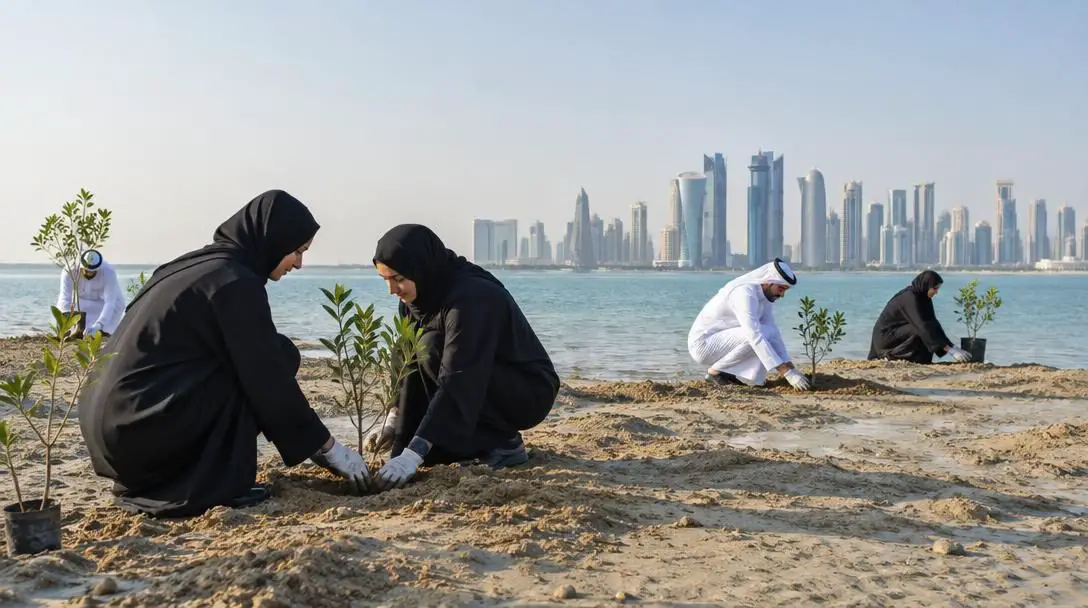
Qatar is widely celebrated across the globe for its striking modern architecture, luxury hospitality, and culinary scene, yet a quieter transformation has occurred alongside this physical expansion. Over recent years, a robust and dedicated ecosystem of non-governmental organizations has taken root in the country, directing financial, technical, and human resources toward critical global humanitarian challenges.
Operating independently from direct government control, these non-profit institutions address systemic inequalities in education, youth unemployment, public health, and basic social infrastructure. By uniting regional resources with international developmental frameworks, Qatari non-profit entities focus on long-term capacity building, community resilience, and sustainable development across multiple continents.
Key takeaways
- Qatari non-governmental organizations deliver targeted programs in education, youth economic empowerment, and accessible public healthcare worldwide.
- Institutions founded in the country have mobilized micro-finance, primary school construction, and vocational training to assist millions of marginalized individuals.
- Major initiatives prioritize systemic solutions such as preventive medicine, educational technology research, and youth entrepreneurship over temporary aid relief.
- Collaborative partnerships with local community leaders and international experts remain essential to the long-term success of global humanitarian operations.
At a glance: Leading Qatari developmental initiatives
The non-profit sector in Qatar features organizations dedicated to distinct developmental interventions, from early childhood schooling to enterprise financing and health clinics. The following overview details the foundational milestones, leadership, and scopes of five prominent entities.
| Organization | Established | Leadership / Founder | Primary Sector | Documented Reach |
|---|---|---|---|---|
| Reach Out To Asia (ROTA) | 2005 | Civil society leadership | Education & basic needs | Over 10 million people in 2020 alone |
| Silatech | 2008 | H.H. Sheikha Moza bint Nasser al-Misnad | Youth employment & enterprise | Over 4 million youth across 18 countries |
| WISE | 2009 | H.H. Sheikha Moza bint Nasser al-Misnad | Education innovation & research | Global educational summits & edtech research |
| Educate A Child (EAC) | 2012 | H.H. Sheikha Moza bint Nasser al-Misnad | Primary education access | Over 2 million children across 17 countries |
| Noor Dawakhana | 2014 | H.E. Sheikh Abdullah bin Nasser bin Khalifa Al Thani | Free healthcare & prevention | Vulnerable and underserved patient populations |
Five prominent Qatari NGOs transforming global communities
Each of the following organizations addresses a distinct structural barrier to human development. By analyzing their founding missions, operating models, and recorded outcomes, observers gain insight into how regional resources can generate meaningful, quantifiable international outcomes.
Reach Out To Asia (ROTA)

- Founded: 2005
- Target demographic: Disadvantaged populations in Qatar and across Asia
- Core focus: Education, vocational training, and basic needs
- Key milestone: Reached over 10 million people in 2020 alone
Established in 2005, Reach Out To Asia focuses on extending educational access and meeting the basic survival needs of individuals trapped in severe poverty. The organization conducts its outreach not only domestically within Qatar, but also across numerous marginalized communities throughout the Asian continent. Recognizing that schooling cannot succeed in isolation when families struggle for daily subsistence, ROTA couples classroom instruction with immediate livelihood support.
A core element of ROTA's institutional strategy involves linking education to sustainable financial mechanisms. Through dedicated vocational training and community micro-finance initiatives, the organization supplies adults and working-age adolescents with tangible skills that translate directly into household income. In 2020 alone, ROTA's integrated approach enabled more than 10 million people to gain quality education and achieve improved living conditions, demonstrating the vast reach of its developmental framework.
Silatech

- Founded: 2008
- Founder: Her Highness Sheikha Moza bint Nasser al-Misnad
- Focus area: Youth economic empowerment and job creation
- Geographic scope: 18 countries across the Arab world
Youth unemployment represents one of the most pressing socio-economic challenges across the Middle East and North Africa. Founded in 2008 by Her Highness Sheikha Moza bint Nasser al-Misnad, Silatech addresses this economic barrier by directly connecting young Arabs to meaningful jobs and essential financial services. The organization treats economic disenfranchisement not merely as an individual hardship, but as an obstacle to regional peace and stability.
Silatech works directly through financial institutions, non-profit partners, and regional employers to dismantle systemic barriers to capital. To date, the enterprise has assisted more than 4 million young individuals across 18 countries by providing educational financing, student loans, and capital investments for micro-enterprises. By equipping young entrepreneurs with initial funding and business mentorship, Silatech fosters long-term financial self-sufficiency and local job growth.

Connecting young populations to practical enterprise funding and job opportunities creates a measurable foundation for independent financial stability across developing regions.
Educate A Child (EAC)

- Founded: 2012
- Founder: Her Highness Sheikha Moza bint Nasser al-Misnad
- Core objective: Quality primary education for out-of-school children
- Verified impact: Surpassed 2 million children across 17 nations
Launched in 2012 as an extension of Her Highness Sheikha Moza bint Nasser al-Misnad's humanitarian mission, Educate A Child confronts the international crisis of children deprived of fundamental primary schooling. Millions of young learners worldwide are barred from classrooms due to armed conflict, institutional breakdown, geographic isolation, natural disasters, or extreme poverty. EAC designs intervention pathways that navigate these specific obstacles.
Rather than relying solely on existing school structures, EAC finances the physical construction of new schools and establishes comprehensive scholarship funds for vulnerable students. By collaborating with international organizations, local education ministries, and grassroots non-profits, EAC has reached more than 2 million marginalized children residing in 17 countries, ensuring that systemic crises do not permanently compromise their educational development.
Noor Dawakhana

- Founded: 2014
- Founder: His Excellency Sheikh Abdullah bin Nasser bin Khalifa Al Thani
- Field of operation: Direct medical care and health education
- Operational model: Free clinical treatment and preventive guidance
In the healthcare arena, Noor Dawakhana serves as a vital safety net for underserved populations facing economic and physical barriers to medical treatment. Established in 2014 by His Excellency Sheikh Abdullah bin Nasser bin Khalifa Al Thani, the organization was created to deliver free clinical services, medication, and essential medical interventions to individuals who cannot afford healthcare costs or lack facilities in their immediate vicinity.
Understanding that treatment alone cannot eliminate structural health crises, Noor Dawakhana prioritizes preventive care alongside direct medical intervention. The organization conducts extensive public health awareness programs that educate families on sustainable living practices, dietary hygiene, and preventive disease management. By attacking the root causes of both chronic conditions and infectious diseases, Noor Dawakhana reduces the long-term strain on fragile community healthcare networks.
World Innovation Summit for Education (WISE)
- Founded: 2009
- Founder: Her Highness Sheikha Moza bint Nasser al-Misnad
- Mission: Creative educational models, policy research, and global collaboration
- Primary activities: Edtech funding, global conferences, and expert workshops
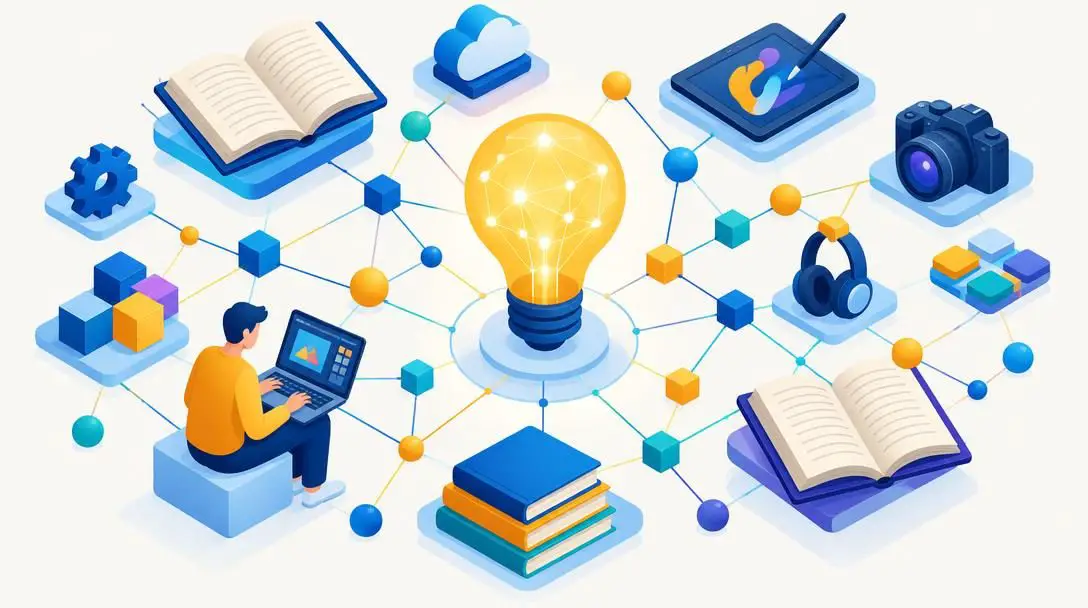
While direct field interventions supply essential classrooms and books, systemic educational reform requires rethinking how learning occurs in the modern world. Established in 2009 by Her Highness Sheikha Moza bint Nasser al-Misnad, the World Innovation Summit for Education (WISE) operates as an international laboratory and policy platform aimed at cultivating cutting-edge approaches to learning environments.
WISE addresses educational disruption by funding pioneering research initiatives in educational technology and contemporary pedagogy. The organization regularly gathers international thought leaders, policymakers, teachers, and technological innovators through structured conferences and interactive workshops. By fostering collaboration across diverse disciplines, WISE transforms theoretical research into scalable educational policies capable of modernizing classrooms around the world.
The operational framework of international non-profit organizations
Translating humanitarian aspirations into measurable field achievements requires sophisticated organizational architecture. Large-scale developmental organizations operating across international borders rely on three structured operational pillars to ensure their resources produce lasting results.
- Resource allocation and micro-finance management: Sustainable developmental work requires turning raw funding into accessible community financial tools. Organizations like Silatech and ROTA utilize micro-loans, educational lending facilities, and enterprise grants to provide local beneficiaries with agency over their own economic trajectories.
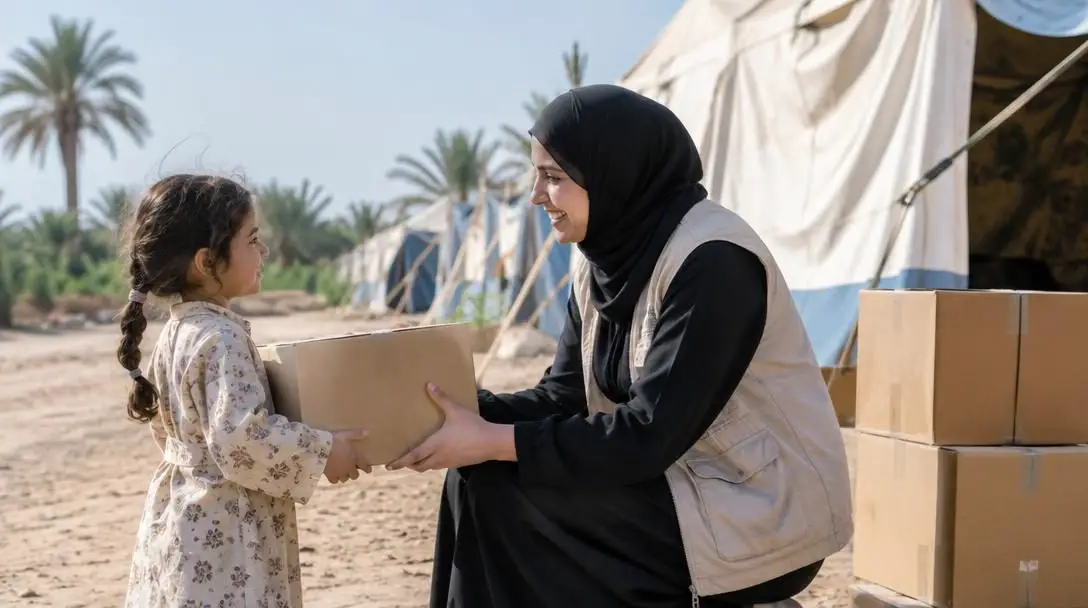
- Physical infrastructure and logistical coordination: Delivering aid in rural, underserved, or conflict-affected regions demands rigorous logistics. This involves procuring building supplies, working alongside local construction labor, creating medical clinics, and erecting schools in remote settings where standard infrastructure is absent.
- Knowledge generation and community training: Physical resources must be accompanied by human capital development. Non-profits construct tailored instructional curricula, conduct broad-based public health campaigns, publish academic research on educational practices, and stage international policy summits to identify best practices.
How to engage effectively with global non-governmental organizations
For students, academic researchers, philanthropic donors, and humanitarian advocates looking to interact with or support international non-profit initiatives, a methodical approach ensures constructive and meaningful participation.
- Identify your targeted philanthropic or research focus: Clarify whether your primary interest lies in primary schooling access, youth entrepreneurship, clinical medical delivery, or educational policy research. Clarifying this objective helps narrow down which organizations align with your skills or resources.
- Examine institutional track records and scope: Investigate the founding background, operational history, and active countries of target organizations. Review how institutions such as ROTA or EAC design their programs around specific regional demographics and socio-economic hurdles.
- Evaluate local partnership structures: Inspect how an international body interacts with local, grassroots partners on the ground. Effective institutions prioritize working with native community leaders to avoid fostering operational dependency.
- Leverage publicly accessible educational resources: Participate in open knowledge forums, digital workshops, and published research. Platforms such as WISE produce extensive documentation, research studies, and policy papers that are accessible to researchers and educators worldwide.
- Direct contributions to verifiable programmatic channels: When supplying financial resources or professional expertise, designate funds toward distinct, measurable programs—such as student academic scholarships, micro-finance enterprise loans, or clinical medicine funds—to ensure transparent outcomes.
Standard pitfalls in international humanitarian operations
International humanitarian and developmental work presents significant logistical and cultural complexities. Organizations and independent donors often encounter standard implementation traps that can weaken or disrupt well-funded developmental projects.
- Deploying rigid, one-size-fits-all strategies: Programs tailored for well-connected urban environments frequently fail when transported unchanged into rural communities lacking electrical grids or internet access. Successful developmental interventions must be custom-calibrated to the distinct geography, culture, and market realities of each area.
- Neglecting preventive measures and maintenance funding: Building physical classrooms or medical clinics without allocating funds for ongoing maintenance, teacher salaries, medical supplies, and local staffing frequently results in abandoned facilities within a few years of construction.
- Disregarding local community leadership: Initiating development projects without active consultation with regional leaders, parents, and community workers often sparks resistance or produces programs that clash with local priorities. Lasting progress requires continuous local collaboration.
- Isolating financial assistance from commercial realities: Distributing micro-financing or business capital to youth without verifying local consumer demand or market needs frequently leads to business insolvency rather than sustainable self-employment.
Future directions for non-governmental development
As the international community contends with demographic changes, economic volatility, and ongoing technological disruption, non-governmental organizations must evolve their approaches. Several fundamental trends will shape the next era of international non-profit work.
First, the integration of digital technology into basic schooling will remain an absolute priority. Research driven by organizations such as WISE highlights that digital platforms and innovative remote teaching techniques offer viable pathways to bypass physical infrastructure deficits. The primary challenge involves delivering these tools to the most vulnerable children, precisely the population supported by initiatives like Educate A Child.
Second, connecting education directly to market-based youth employment will dictate the economic future of emerging regions. With expanding youth demographics across the Arab world and broader developing regions, models popularized by Silatech demonstrate that education must be paired with financial inclusion, enterprise financing, and real-world market access to reduce poverty.
Finally, holistic public health systems that unite direct healthcare with preventative lifestyle education represent the gold standard for community well-being. By blending clinic-based care with community education regarding hygiene and chronic disease prevention, organizations like Noor Dawakhana illustrate how healthcare initiatives can build resilient, self-sustaining community health networks for generations to come.
Frequently asked questions
What is the primary difference between ROTA and Educate A Child?
While both organizations focus on education, Reach Out To Asia (ROTA) pairs educational access with vocational training and micro-finance initiatives to uplift whole communities across Asia and Qatar. In contrast, Educate A Child (EAC) specifically concentrates on providing marginalized, out-of-school children with primary education access by financing school construction and academic scholarships in conflict-affected or impoverished countries.
How does Silatech address youth unemployment across the Arab world?
Silatech tackles youth unemployment by providing young Arabs with direct access to financial services, educational loans, and micro-enterprise financing. By pairing capital investment with job creation initiatives, the organization has supported more than 4 million youth across 18 countries in establishing sustainable financial independence.
What services does Noor Dawakhana offer to underserved communities?
Noor Dawakhana provides free medical care and clinical treatments to individuals who cannot afford healthcare or lack medical facilities near them. Additionally, it runs health awareness campaigns that teach sustainable lifestyle practices and preventive disease management strategies to combat the root causes of illness.
How does WISE contribute to global education reform?
WISE operates as an international innovation platform that funds research on education technology, hosts global conferences, and coordinates workshops. Its mission is to bring together educators, policymakers, and industry experts to devise contemporary, scalable solutions for modern learning environments.
Who founded many of the leading educational NGOs in Qatar?
Her Highness Sheikha Moza bint Nasser al-Misnad founded several of Qatar's most notable educational and economic development organizations, including Silatech in 2008, WISE in 2009, and Educate A Child in 2012.
The bottom line
Qatar's growing non-governmental sector represents a systematic, long-range commitment to global civil society. Rather than limiting their scope to temporary aid packages, organizations like Reach Out To Asia, Silatech, Educate A Child, Noor Dawakhana, and WISE emphasize structural reform, capacity building, and sustainable human empowerment. By addressing the root causes of poverty, unemployment, educational exclusion, and chronic illness, these institutions demonstrate how strategic non-profit operations can build lasting bridges toward human dignity, economic self-sufficiency, and international stability.