5 Saudi NGOs Making The World A Better Place
The Kingdom of Saudi Arabia holds an influential position on the international stage, characterized by its deep cultural history and an expanding portfolio of innovative civic efforts. Among the most vital of these initiatives is the emergence of non-governmental organizations that actively seek to alleviate suffering, expand human capability, and build resilient communities worldwide. These charitable bodies tackle pressing challenges both across the Middle East and throughout the wider global landscape through structured humanitarian missions, local partnerships, and targeted civil advocacy.
Historically recognized for state-led aid programs, the region has cultivated a diverse ecosystem of independent civic institutions. These groups address complex issues spanning emergency healthcare in active conflict zones, technological early warning networks, legal defense for domestic violence survivors, and civic leadership training for youth. Examining these flagship initiatives reveals how strategic non-profit work originating in Saudi Arabia continues to shape social development and humanitarian relief internationally.
Key takeaways
- Saudi-founded non-governmental organizations address a wide spectrum of issues ranging from emergency surgical care to long-term civil rights advocacy.
- Modern humanitarian strategies across the region have shifted from short-term relief handouts toward sustainable community empowerment and institutional reform.
- Technology plays a pivotal role in modern interventions, demonstrated by digital early warning alerts and online educational legal resources.
- Successful charitable engagement requires understanding local operational realities, avoiding top-down assumptions, and supporting foundational administrative overhead.
At a glance: five leading Saudi-founded non-governmental organizations
The operational scope of civic organizations founded in Saudi Arabia extends across varied fields of intervention, from rapid clinical response to multi-decade educational reform. The table below summarizes the core operational focus and founding histories of five notable institutions.
| Organization | Established | Primary Geographic Focus | Core Focus Areas |
|---|---|---|---|
| Alwaleed Philanthropies | 1979 | Global / Middle East | Health, education, disaster relief, women's entrepreneurship |
| Taghyeer | 2011 | Saudi Arabia & Middle East | Civil society advocacy, human rights, youth leadership |
| Peaceful Families Project | 1999 | Saudi Arabia & International | Domestic violence prevention, legal counsel, community workshops |
| Baytna Syria | 2013 | Syria & border regions | Community rebuilding, SMS early warning alerts, economic resilience |
| Tamkeen Field Hospital | 2012 | Syria (Aleppo and surrounding areas) | Emergency surgery, critical care, diagnostic X-ray imaging |
Five non-governmental organizations driving global and regional impact
Each of the following organizations addresses critical systemic gaps, demonstrating how targeted non-governmental initiatives translate strategic philanthropic investment into measurable, life-saving outcomes.
Alwaleed Philanthropies

- Founded: 1979
- Founder: His Royal Highness Prince Alwaleed Bin Talal
- Core pillars: Disaster relief, education, health, women's empowerment
As one of the oldest and most established charitable foundations in Saudi Arabia, Alwaleed Philanthropies was launched by His Royal Highness Prince Alwaleed Bin Talal in 1979 to drive meaningful social progress. The organization operates under the foundational premise that enduring societal development requires dismantling systemic obstacles to prosperity. By prioritizing vital sectors such as health infrastructure and emergency disaster management, the foundation works simultaneously to mitigate immediate suffering following humanitarian crises and to build preventative capabilities that insulate vulnerable populations from future shocks.
The foundation’s broad portfolio includes equipping children with vital learning tools, funding medical research institutions globally, and launching targeted economic initiatives that foster female business leadership. Through dedicated capital allocations for aspiring women entrepreneurs, the organization helps build sustainable personal autonomy and broader community wealth. In addition to international disaster response, the foundation has earned recognition across the Middle East for its high-impact campaigns dedicated to raising public awareness and institutional support for autism spectrum disorder.
Taghyeer

- Founded: 2011
- Headquarters: Riyadh, Saudi Arabia
- Primary mandate: Civil society empowerment and human rights advocacy
Deriving its name from the Arabic word for change, Taghyeer was established in 2011 to strengthen civil society mechanisms and champion fundamental human rights. Headquartered in Riyadh, the non-governmental organization conducts campaigns, structured advocacy initiatives, and grassroots development projects within the Kingdom and across neighboring Middle Eastern nations. A central element of its organizational mandate involves giving voice and visibility to populations that face pronounced social vulnerabilities, notably migrant laborers and displaced refugee communities navigating complex legal and social landscapes.
Youth engagement is central to Taghyeer's operational strategy. The organization designs and executes leadership development programs that prepare the rising generation of civic advocates with the practical tools and ethical foundations required to guide civic dialogue. By fostering spaces for constructive engagement, Taghyeer helps young leaders develop campaigns addressing worker protections, public participation, and community resilience in environments experiencing rapid economic and social transitions.
Peaceful Families Project

- Founded: 1999
- Founding leadership: Four Saudi Arabian women
- Core services: Abuse prevention workshops, international advocacy, legal aid
In 1999, four Saudi Arabian women founded the Peaceful Families Project to confront domestic violence and challenge the cultural taboos surrounding familial abuse. Beginning as a localized intervention designed to educate communities and protect vulnerable family members, the entity has evolved into a global advocacy network. The organization balances urgent crisis intervention with extensive public education, aiming to eradicate the underlying dynamics that foster domestic abuse while offering practical escape routes for individuals in acute distress.

The organization's programmatic offerings include structured community seminars, specialized instructional workshops, and accessible online educational courses that educate the public on identifying and mitigating domestic mistreatment. Recognizing that survivors frequently face insurmountable financial and bureaucratic barriers when seeking safety, the Peaceful Families Project provides direct access to legal counsel for victims who cannot afford representation. This combination of institutional legal aid and sustained educational outreach helps individuals navigate judicial systems and establish safe, independent households.
Addressing domestic abuse requires both direct crisis intervention and proactive community education to dismantle cycles of harm.
Baytna Syria
- Founded: 2013
- Primary focus: Community revitalization and conflict resilience
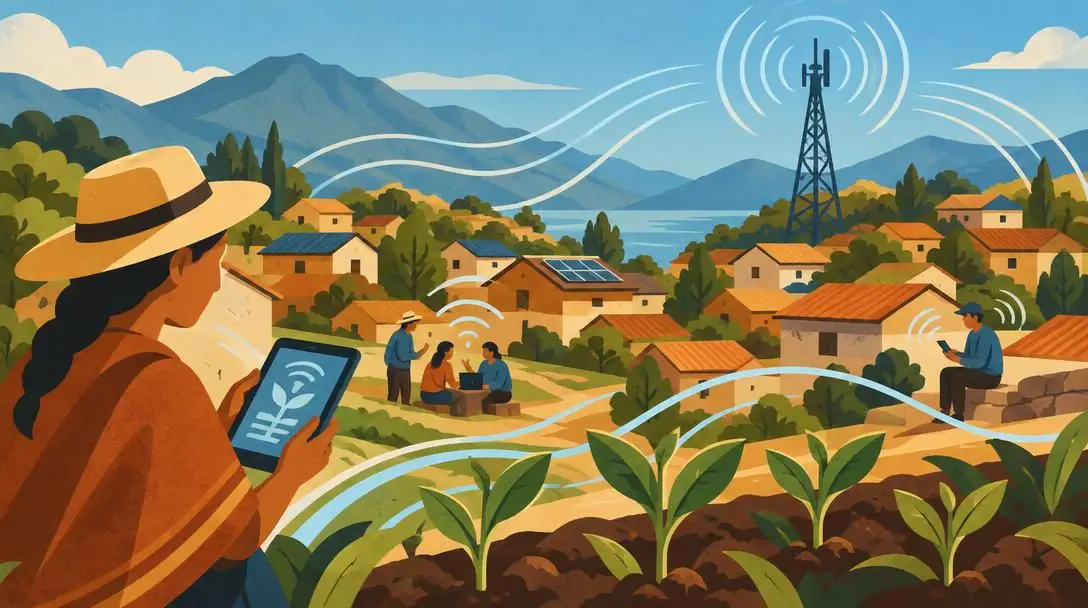
- Key tools: SMS early warning alerts, clean water, agricultural training
Formed in 2013 in response to the profound humanitarian devastation caused by the Syrian conflict, Baytna Syria focuses on rebuilding fractured communities through targeted civil support and practical technology. Rather than relying solely on conventional aid drop-offs, the organization works alongside indigenous community networks to deploy essential resources where they are most urgently needed. Its interventions encompass life-saving infrastructure projects, such as the restoration of clean drinking water systems and the expansion of community-level healthcare access.
A notable innovation deployed by Baytna Syria is the utilization of telecommunications technology, specifically SMS messaging networks designed to transmit real-time early warning alerts to civilians during periods of military unrest or acute crisis. Alongside emergency safety systems, the organization invests heavily in durable economic resilience. By offering comprehensive agricultural production training, supporting food assistance frameworks, and seeding small-scale entrepreneurship, Baytna Syria enables displaced families and war-torn municipalities to rebuild local economies from the ground up.
Tamkeen Field Hospital
- Founded: 2012
- Founding body: Volunteer medical professionals
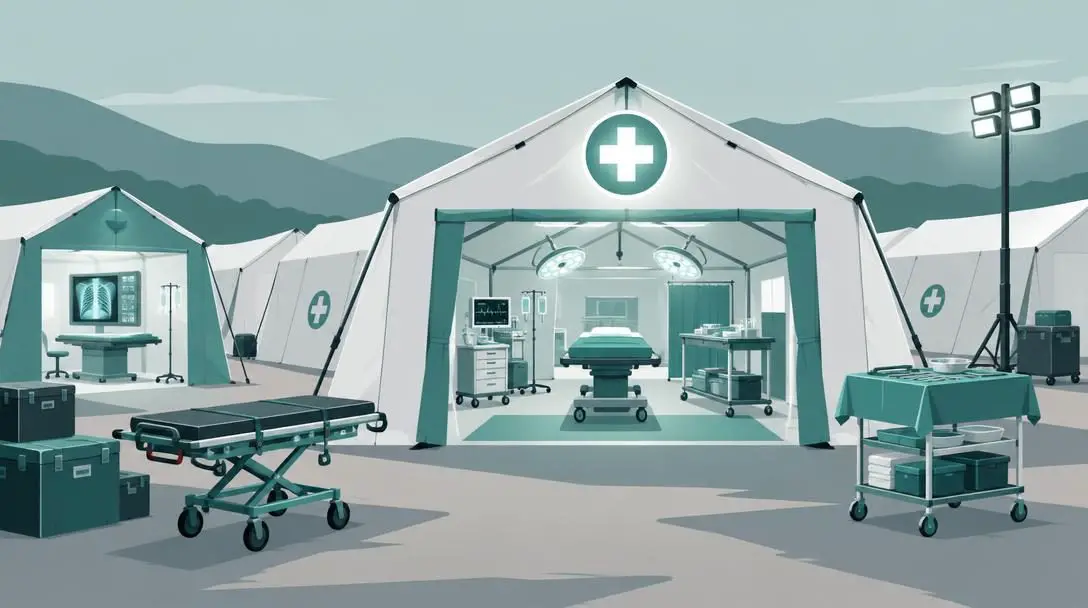
- Key facilities: Surgical suites, intensive care, diagnostic X-ray units
The outbreak of widespread conflict across major Syrian metropolitan centers resulted in the catastrophic breakdown of municipal healthcare infrastructure. In 2012, amidst severe medical supply deficits and intense fighting that reduced cities like Aleppo to crisis conditions, a dedicated coalition of volunteer medical professionals from multiple disciplines established the Tamkeen Field Hospital. The grassroots facility emerged as a vital provider of urgent clinical interventions when formal municipal hospitals were rendered inoperable or unsafe.
Despite operating with constrained material resources compared to massive international non-governmental bodies such as Médecins Sans Frontières, the hospital rapidly transformed into a premier center for emergency medical response. Tamkeen Field Hospital maintained fully functional surgical operating rooms, critical intensive care beds, and advanced diagnostic imaging machinery, including operational X-ray units. Through continuous surgical operations and acute triage care, the facility preserved thousands of lives under the most hazardous operating conditions imaginable.
The evolution and operational mechanics of modern charitable organizations
Non-governmental bodies serve an indispensable role in global society, filling the critical spaces left between governmental administration and private enterprise. While state agencies bear the responsibility of broad regulatory management and commercial corporations drive market economies, charitable entities possess the agility needed to identify localized human vulnerabilities and direct assistance to neglected populations. Over recent decades, the operational framework of civil society in the Middle East has advanced substantially, shifting away from simple short-term relief handouts toward complex, enduring interventions targeting systemic root causes.
Historic models of emergency charity were often limited to distributing basic food supplies and temporary emergency kits. While those interventions remain vital during acute catastrophes, modern civil organizations acknowledge that permanent stability demands deep institutional capacity building. Modern organizations utilize data-informed needs assessments, telecommunication tools, formal legal representation, and structured clinical facilities. This administrative maturation guarantees that donor contributions yield compounding community benefits long after an initial humanitarian deployment concludes.
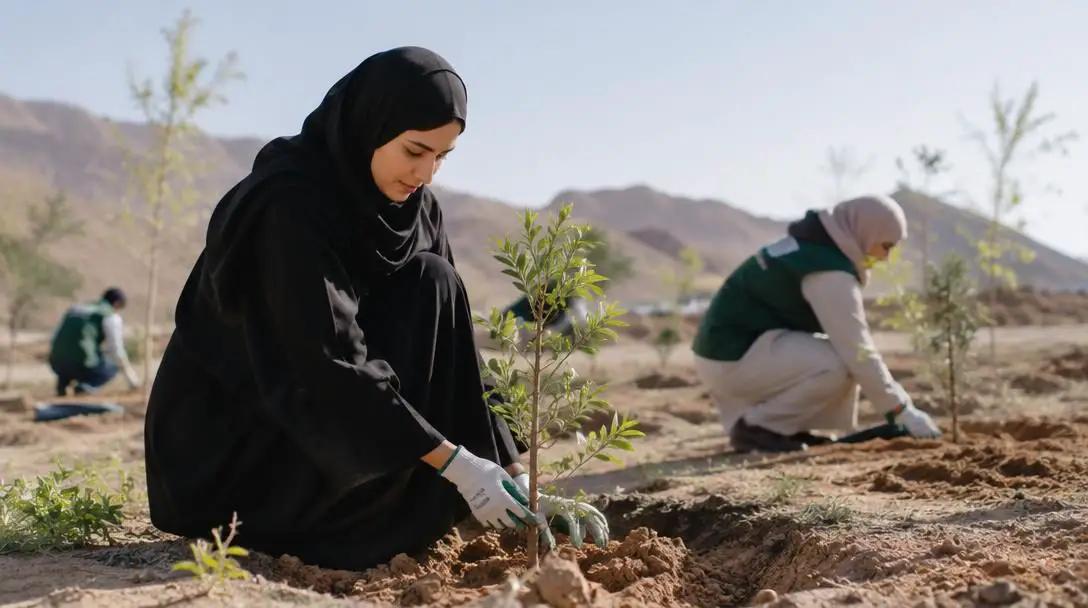
To execute ambitious global mandates successfully, high-performing non-governmental entities generally implement a five-phase operational methodology:
- Grassroots needs assessment: Conducting thorough field analyses of local cultural, economic, and logistical factors before allocating resources, ensuring that program designs directly match community priorities.
- Resource mobilization: Assembling and allocating financial capital, technological hardware, clinical supplies, and specialized volunteer personnel efficiently to minimize waste.
- Local partner collaboration: Forging durable alliances with regional civic leaders, local administrators, and indigenous volunteers who hold deep contextual understanding and community trust.
- Direct project execution: Implementing targeted fieldwork, whether that involves operating complex surgical suites, delivering online human rights seminars, or rehabilitating rural water supplies.
- Monitoring and iterative adaptation: Systematically tracking operational metrics and field outcomes to refine educational curricula, clinical protocols, and delivery mechanisms in response to evolving realities.
Practical steps for evaluating and backing non-profit initiatives
For individuals, philanthropic foundations, and corporate bodies seeking to support civil society initiatives effectively, strategic planning is essential. Channeling contributions through structured evaluation mechanisms ensures that investments generate tangible human impact.
- Define your core philanthropic focus: Determine which specific societal issues align with your personal mission or organizational values, whether that entails emergency surgical care, human rights education, domestic violence mitigation, or technological early warning systems.
- Investigate historical operational track records: Review an organization's demonstrable performance history. Prioritize organizations that provide transparent project documentation, clear operational histories, and validated third-party recognitions.
- Direct capital toward designated initiatives: Allocate funding or material assistance directly toward specific, well-defined programs rather than broad administrative general funds, ensuring that your resources address clearly articulated needs.
- Amplify institutional advocacy: Utilize personal and professional communication channels to circulate educational materials, legal resource directories, and crisis alerts, thereby expanding the organization's public reach without exhausting its operational budget.
- Establish dependable, multi-year support: Commit to ongoing, predictable contributions. Multi-year partnerships provide non-governmental entities with the financial certainty required to launch multi-phase development programs rather than managing hand-to-mouth between individual fundraising drives.
Critical mistakes to avoid when participating in humanitarian action
Humanitarian aid and civic advocacy require rigorous planning and respect for beneficiary autonomy. When contributors act without adequate preparation, well-intentioned assistance can inadvertently disrupt local systems or squander valuable resources.
- Imposing top-down solutions without local input: Formulating educational or economic interventions without extensive consultation with the recipient population frequently results in inappropriate programs, unused technology, and wasted expenditure.
- Prioritizing public relations over long-term efficacy: Emphasizing rapid publicity opportunities or high-profile media events often diverts vital funding away from unglamorous but essential initiatives, such as multi-year legal defense programs or ongoing medical maintenance.
- Underestimating logistical supply chain friction: Failing to account for local transportation hurdles, border checkpoints, or customs regulations can leave critical aid supplies stranded far from those who need them.
- Refusing to fund indispensable operational overhead: Demanding that every cent go exclusively to programmatic end-products ignores the fundamental reality that secure digital tools, trained personnel, clinical sterilization, and transport logistics are what make humanitarian delivery possible.
- Overlooking domestic and international legal frameworks: Conducting cross-border humanitarian missions or human rights campaigns without strict compliance with applicable regional laws risks project shutdown and exposes local staff to severe legal penalties.
Future directions for regional and international civil society
As the international community confronts geopolitical friction, ecological strain, and economic displacement, the necessity for agile, mission-driven non-governmental organizations will continue to expand. Forward-looking philanthropic institutions are already modifying their strategic approaches to meet these challenges through three principal avenues.
First, the systematic integration of accessible technology will remain paramount. As demonstrated by the strategic use of SMS alerts in active conflict areas and remote legal training platforms, digital tools bridge severe geographic divides. Ensuring that non-profit groups possess modern digital infrastructure allows for swift, cost-effective scaling during emergencies.
Second, the most resilient civic initiatives will be those that pair urgent relief with long-term self-sufficiency. While the immediate supply of emergency clinical treatment and sustenance is essential, combining that assistance with agricultural training, enterprise micro-grants, and youth leadership mentoring empowers communities to thrive independently over the long term.
Finally, expanding cross-sector alliances between independent non-governmental organizations, institutional philanthropy, and technical specialists will be vital. By observing the impact, organizational endurance, and focused missions of these Saudi-founded initiatives, donors and advocates can direct their energy and resources toward efforts that generate profound, enduring good across the world.
Frequently asked questions
Which is the oldest non-governmental organization among these Saudi initiatives?
Alwaleed Philanthropies is the oldest organization among those highlighted, having been established in 1979 by His Royal Highness Prince Alwaleed Bin Talal to drive global social change, health, education, and disaster relief.
How do these organizations support communities affected by the Syrian crisis?
Baytna Syria assists affected populations by providing clean water networks, agricultural training, and an SMS-based early warning system, while Tamkeen Field Hospital was established as a grassroots clinical facility providing emergency surgery, critical care, and X-ray diagnostics in heavily damaged regions like Aleppo.
What specific services does the Peaceful Families Project offer to victims of domestic violence?
The Peaceful Families Project offers community workshops, seminars, and online educational classes to prevent domestic violence, while directly assisting victims with professional legal counsel that they might otherwise be unable to afford.
What is the primary mission of Riyadh-based organization Taghyeer?
Taghyeer, founded in 2011, focuses on empowering civil society, advancing human rights advocacy, supporting vulnerable groups such as migrant workers and refugees, and cultivating youth leadership skills across Saudi Arabia and the Middle East.
Why is funding operational overhead critical for non-governmental organizations?
Operational funding pays for essential administrative software, qualified medical and legal personnel, secure logistics, and monitoring systems. Without these foundational elements, organizations cannot deliver aid safely, transparently, or effectively to vulnerable communities.
The bottom line
The landscape of Saudi civil society demonstrates that focused, mission-driven organizations can achieve extraordinary humanitarian outcomes on both regional and international stages. From the multi-decade philanthropic investments of Alwaleed Philanthropies and the protective legal frameworks of the Peaceful Families Project, to the grassroots medical heroism of Tamkeen Field Hospital and the technological innovations of Baytna Syria and Taghyeer, these initiatives model the diverse ways modern non-profits can confront acute suffering. By prioritizing community-led program design, investing in operational resilience, and combining urgent relief with capacity-building tools, these five organizations provide an enduring blueprint for creating a safer, more equitable world.