5 Jordanian NGOs Making The World A Better Place
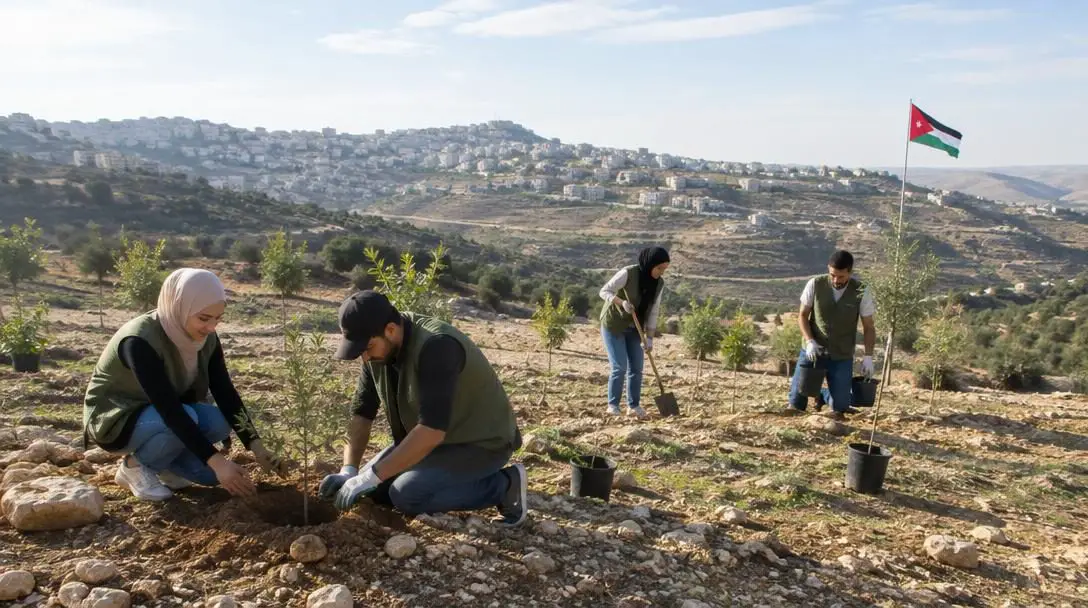
Jordan has long maintained a central position in Middle Eastern cultural, academic, and civic life. Renowned for its rich historical heritage, extensive network of universities, vibrant arts scene, and dramatic natural landscapes, the kingdom also hosts one of the region's most active and resilient non-governmental sectors. Because of its geographic crossroads and long-standing reputation as an oasis of security, Jordan has routinely provided safe harbor to millions fleeing armed conflict across adjacent territories.
The protracted crisis in neighboring Syria placed unprecedented strain on local municipalities, public schooling systems, healthcare facilities, and national employment markets. In response, homegrown non-governmental organizations stepped forward to fill acute welfare voids while formulating forward-looking frameworks for sustainable community growth. By forging durable alliances with international institutions, foreign bilateral partners, and grassroots community organizers, these local initiatives deliver crucial lifelines that reinforce human dignity and cultivate technical self-reliance across the Middle East.
Key takeaways
- Jordanian non-governmental organizations serve as crucial bridgeheads between acute refugee relief and long-term socio-economic self-reliance.
- Civic initiatives across the kingdom focus on diverse disciplines including primary education, conflict resolution, market-driven business skills, advanced digital tech, and trauma recovery.
- Targeted regional programs serve vulnerable populations inside Jordan as well as communities along the Syrian frontier and refugee settlements across Europe.
- Sustainable impact relies on an operational framework moving systematically from community needs assessment through to labor market integration.
The Landscape of Jordanian Civil Society
Civil society in Jordan operates at the critical intersection of emergency humanitarian assistance and long-term socio-economic integration. Because Jordan borders areas that have experienced recurring geopolitical disruptions, its social safety nets have adapted to absorb massive influxes of displaced persons. The influx of refugees from the Syrian war highlighted the necessity of agile community organizations capable of responding faster than traditional public bureaucracies.
Rather than relying merely on indefinite welfare handouts, Jordanian civic groups emphasize building resilient infrastructure and human capacity. Non-governmental entities work alongside municipal leaders and foreign partners to design interventions that respect regional cultural norms while addressing the specific economic realities of host communities and displaced populations alike. These programs tackle systemic challenges, ensuring that displaced families maintain access to education, sustainable livelihoods, and the psychosocial tools necessary to rebuild their lives.
Jordanian civil society bridges the divide between acute crisis relief and the long-term restoration of human dignity through education and market-driven skills.
Five Jordanian NGOs Leading Regional Change
The non-profit ecosystem in Jordan showcases substantial operational breadth, ranging from traditional classroom scholarships to training in cutting-edge computer sciences. The following organizations illustrate the ingenuity, reach, and dedication characteristic of Jordan's civic sector.
| Organization | Leadership / Founding | Primary Sector | Target Population |
|---|---|---|---|
| Aljazeera Children’s Society (ACS) | Queen Rania of Jordan (2003) | Primary & Vocational Education | Disadvantaged youth across Jordan and the region |
| Humanitarian Education Youth Organization (HEYO) | Hassan Elali (2009) | Life Skills & Peacebuilding | Syrian refugees in Jordan and European camps |
| Watanili Initiative | Community-led initiative | Women's Economic Empowerment | Displaced women along the Syria-Jordan border |
| Jusoor For Studies Center (JSC) | Ali Aburas (2016) | Advanced Technology & Engineering | Displaced residents from Daraa province |
| Arab Renaissance for Democracy & Development (ARDD) | Dr. Jawad Anani (2013) | Mental Health & Livelihoods | Displaced populations in regional refugee camps |
Aljazeera Children’s Society (ACS)
- Founder: Queen Rania of Jordan
- Established: 2003
- Focus Areas: Academic scholarships, school exchanges, vocational training
- Impact Record: Over 100 academic scholarships and 2,000+ vocational trainees
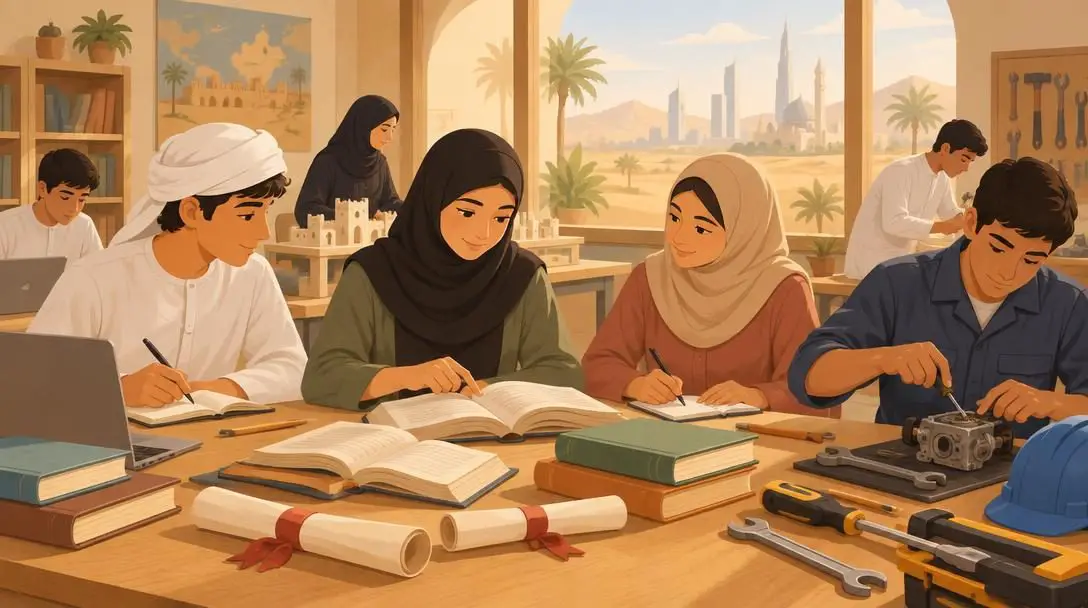
The Aljazeera Children’s Society was launched in 2003 under the leadership of Queen Rania of Jordan with the core purpose of expanding access to quality education for underprivileged youth. Recognizing that poverty frequently interrupts academic potential, ACS operates both within Jordan and internationally across the wider Middle East. The organization partners with regional educational bodies and international non-profits to eliminate structural barriers that keep marginalized children out of the classroom.
ACS approaches educational equity through multiple pathways. In addition to orchestrating cross-cultural school exchange programs, the organization administers competitive scholarship funds and hands-on vocational courses. By underwriting formal academic placements, ACS has awarded more than 100 comprehensive scholarships to economically disadvantaged students. Simultaneously, its technical tracks have trained over 2,000 students in practical vocational trades, providing them with tangible career skills to navigate competitive regional job markets.
Humanitarian Education Youth Organization (HEYO)

- Founder: Hassan Elali
- Established: 2009
- Core Competencies: Conflict resolution, problem-solving, communication
- Geographic Reach: Jordan and refugee camps across Europe
Founded in 2009 by Hassan Elali, the Humanitarian Education Youth Organization concentrates on the emotional and intellectual development of adolescent populations affected by violent conflict. Recognizing that armed upheaval disrupts foundational character formation and interpersonal development, HEYO focuses on providing young people with essential life skills alongside structured learning opportunities.
The organization’s active programming serves Syrian youth settled within host communities in Jordan as well as individuals residing within formal refugee camps across Europe. Rather than confining its instruction to rote academics, HEYO prioritizes essential interpersonal proficiencies. Young participants complete comprehensive modules in constructive communication, structured analytical problem-solving, and nonviolent conflict resolution. These life skills enable youth to manage psychological pressures, avoid cyclical patterns of despair, and build collaborative relationships whether they remain in camp settings or pursue advanced studies abroad.
Watanili Initiative
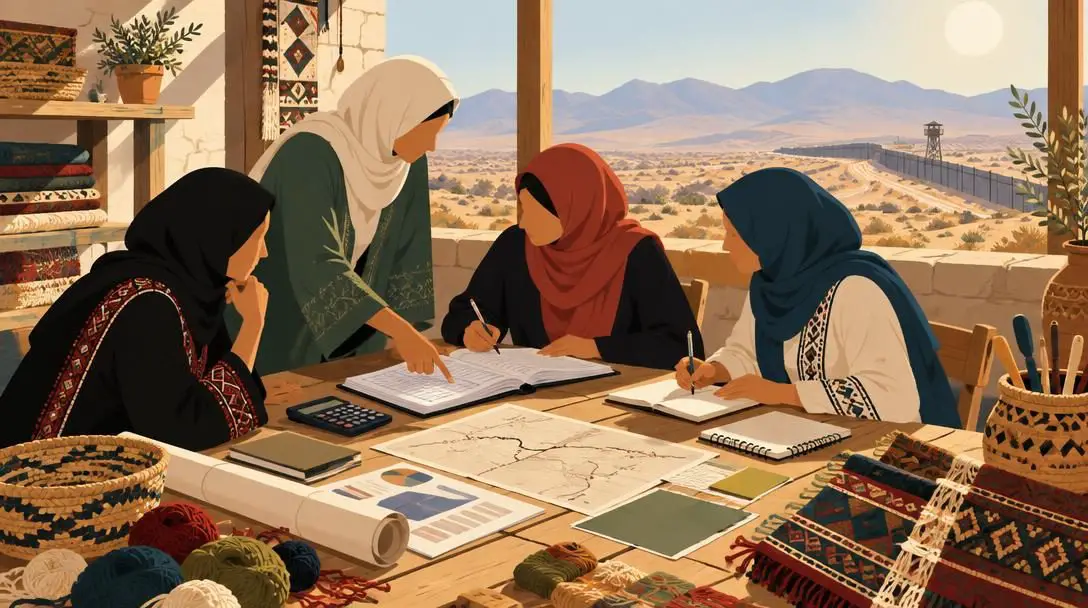
- Mission: Practical business education for displaced women
- Operating Region: Four cities along the Syria-Jordan border
- Curriculum: Budgeting, negotiation, operations, time management
The Watanili Initiative was established to tackle the acute economic vulnerability experienced by women displaced along the northern frontier. Focusing operations across four key border cities that absorb sustained displacement from Syrian warzones, the initiative provides women with the practical business acumen necessary to launch independent, micro-scale commercial enterprises within their host communities.

Watanili designs its coursework around immediate market utility. Participants engage in immersive classes covering basic commercial concepts, household and small-business budgeting, time management, and assertive communication. Crucially, the training emphasizes cost negotiation for production materials and logistics, enabling women to preserve operating margins in challenging border economies. By translating conceptual business literacy into immediate income generation, the Watanili Initiative assists women in regaining personal agency and providing sustainable financial foundations for their households.
Jusoor For Studies Center (JSC)

- Founder: Engineer Ali Aburas
- Established: 2016
- Technical Scope: Software engineering, programming, artificial intelligence
- Target Beneficiaries: War-displaced residents of Daraa province
Launched in 2016 by engineer Ali Aburas, the Jusoor For Studies Center approaches economic recovery through technical education and high-demand digital skills. Headquartered to serve border communities between Syria and Jordan, JSC focuses on uplifting populations from Syria's southern Daraa province who survived war displacement, aerial bombardment, and attacks by ISIS or Assad regime forces.
Backed by international partners and foreign governments seeking sustainable answers to refugee unemployment, JSC bypasses traditional manual labor schemes in favor of high-growth technology sectors. The center scouts motivated local talent and provides intensive bootcamps in full-stack software development, systems engineering, and cutting-edge artificial intelligence disciplines. By connecting war-affected populations directly to the global remote-work digital economy, JSC provides trainees with portable, high-value professions immune to local border restrictions.
Arab Renaissance for Democracy & Development (ARDD)
- Founder: Dr. Jawad Anani
- Established: 2013
- Core Interventions: Psychotherapy, language learning, job readiness
- Regional Scope: Syria, Turkey, Lebanon, Iraq, Palestine, and Jordan
The Arab Renaissance for Democracy & Development was founded in 2013 by Dr. Jawad Anani to combat the systemic poverty and disenfranchisement caused by regional armed conflicts. While its primary operations support Syrian refugees, ARDD addresses the regional fallout of crises that have devastated communities across Turkey, Lebanon, Iraq, and Palestine, deploying interventions directly inside crowded refugee settlements.
ARDD operates under the philosophy that material relief must be accompanied by psychological and intellectual rehabilitation. The organization deploys specialized psychological therapy and counseling units to help traumatized families work through acute loss and displacement fatigue. In tandem with therapeutic care, ARDD runs continuous educational workshops teaching foreign languages and modern workforce skills. This dual track ensures that refugees regain emotional stability while actively preparing for competitive employment in host nations or upon eventual repatriation.
The Operational Framework of Regional Community Initiatives
The impactful outcomes generated by ACS, HEYO, Watanili, JSC, and ARDD are not accidental. They stem from a shared five-stage operational framework that systematically shifts beneficiaries out of emergency survival mode into sustainable personal autonomy.
First, successful programs begin with rigorous needs identification. Field personnel conduct thorough surveys within camps and border municipalities to assess concrete community shortfalls, determining whether local populations require trauma counseling, elementary literacy, business financing, or digital software skills.
Second, organizations engage in specialized curriculum and program design. Rather than adopting generic educational templates, course material is calibrated to match the cultural, educational, and legal circumstances of the target community, ensuring practical applicability.
Third, leaders execute comprehensive resource and partner coordination. NGOs secure grant funding from foreign governmental donors, engage international development partners, and recruit expert instructors, while coordinating with local administrative authorities to guarantee regulatory compliance.
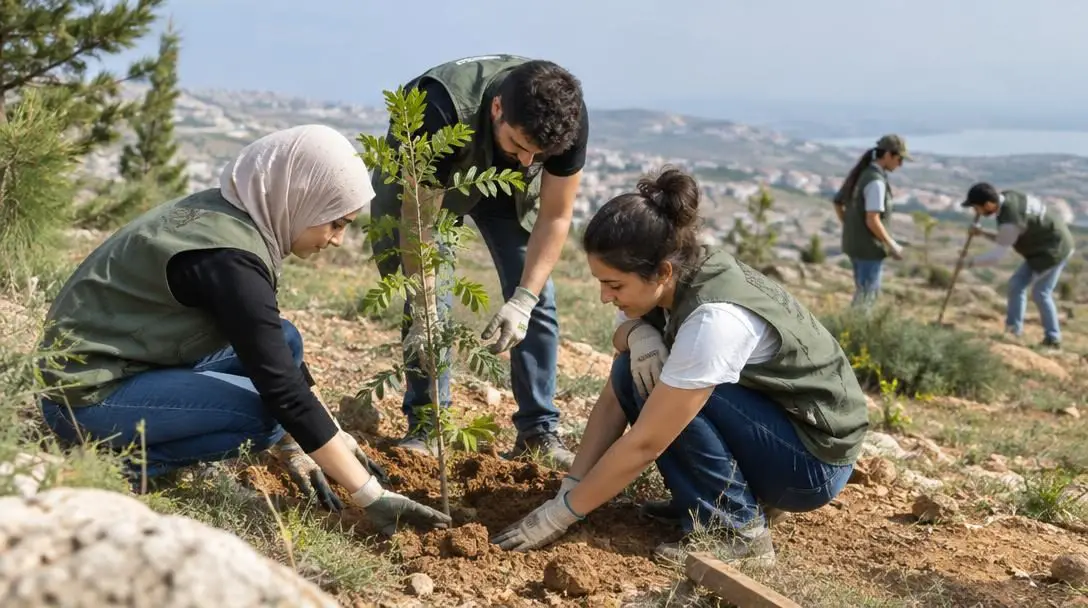
Fourth, groups initiate direct service delivery. Utilizing physical community classrooms, mobile training hubs, or camp-based clinics, teams carry out technical bootcamps, psychological therapy sessions, and vocational courses under direct mentorship.
Fifth, the framework concludes with progress tracking and transition. Organizations track completion metrics, assist graduates with job placement or micro-enterprise launches, and connect beneficiaries with long-term professional networks to cement permanent independence.
Practical Steps for Partnering with Regional NGOs
Supporting or establishing collaborative relationships with non-governmental initiatives in Jordan requires methodical planning and respect for local operational landscapes. Donors, volunteers, and international institutions should follow these essential steps:
- Identify specific program alignment: Review the core competencies of regional organizations to match your resources or technical expertise with their active projects, such as vocational education, legal advocacy, or technical engineering.
- Establish direct organizational communication: Connect directly with verified leadership desks, project coordinators, or community outreach liaisons to ascertain current field challenges and urgent material requirements.
- Assess local regulatory frameworks: Review municipal, national, and international administrative guidelines to ensure all joint projects, funding transfers, or personnel deployments comply fully with local civil society laws.
- Coordinate logistical and technical resources: Ensure that hardware, educational curricula, and support materials—such as digital workstations for tech hubs or supplies for business incubators—are procured and transported efficiently.
- Establish transparent monitoring metrics: Implement rigorous accountability measures to track enrollment figures, course completion rates, psychological wellbeing markers, and verifiable employment outcomes.
Pitfalls to Avoid in Humanitarian and Development Work
Operating community interventions in regions affected by conflict presents logistical, ethical, and organizational challenges. Development professionals and donors should be vigilant against several recurrent errors:
- Focusing exclusively on short-term relief: Delivering emergency food or shelter without building vocational competencies or educational pathways leaves vulnerable populations dependent on volatile foreign aid cycles.
- Overlooking psychological and emotional support: Expecting war-affected individuals to thrive in rigorous academic or technical programs without addressing untreated trauma leads to high attrition rates.
- Ignoring practical market realities: Training beneficiaries in outdated manual trades without evaluating regional consumer demand produces qualified workers who cannot secure paying jobs.
- Neglecting soft skills development: Prioritizing technical mechanics while failing to teach time management, conflict management, and pricing negotiation undermines real-world enterprise success.
- Operating in isolation from local talent: Imposing top-down Western aid solutions without engaging local community leaders and displaced talent alienates the community and weakens long-term continuity.
Future Horizons for Civil Society in Jordan
As displacement trends persist across the Middle East, the demands placed upon Jordanian civil society continue to evolve. Stakeholders tracking humanitarian developments must monitor several key shifts over the coming decade.
The widespread expansion of high-tech industries will remain critical. As pioneered by institutions like the Jusoor For Studies Center, the shift toward software development, data science, and artificial intelligence provides displaced persons with borderless, highly scalable employment opportunities. Expanding internet access and remote workstations inside refugee settlements will be central to this digital transition.
Concurrently, holistic mental health programming must become standard across all relief frameworks. The enduring model demonstrated by the Arab Renaissance for Democracy & Development shows that psychological counseling is not a luxury, but an indispensable foundation for family stability and economic mobility. Integrating trauma-informed care into schools, business incubators, and vocational centers will remain paramount.
Finally, scaling female economic leadership through models like the Watanili Initiative represents a profound development catalyst. Equipping women in border towns with commercial calculation and negotiation skills directly elevates household health and education investments. Supported by long-standing academic institutions such as the Aljazeera Children’s Society and youth initiatives like HEYO, Jordan's civic sector will continue to prove that local community leadership can forge stability out of regional adversity.
Frequently asked questions
Why is Jordan such a prominent hub for non-governmental organizations?
Due to its political stability and strategic location in the Middle East, Jordan has consistently acted as a safe haven for displaced populations fleeing regional wars, such as the conflict in Syria. This influx created an urgent need for an active non-governmental sector to support public services and deliver humanitarian relief alongside long-term development programs.
Which organizations in Jordan focus specifically on high-tech and software training?
The Jusoor For Studies Center (JSC), founded in 2016 by engineer Ali Aburas, focuses directly on high-tech education. It provides rigorous training in computer software engineering, web development, and artificial intelligence to war-displaced populations, particularly those from Syria's Daraa province.
How do Jordanian NGOs address the mental health needs of displaced persons?
Organizations like the Arab Renaissance for Democracy & Development (ARDD) operate specialized psychological therapy and emotional counseling services inside refugee camps. These clinical interventions help conflict survivors process grief and psychological trauma before or alongside career training and job placement programs.
What role do life skills play in youth development organizations like HEYO?
The Humanitarian Education Youth Organization (HEYO) teaches essential interpersonal competencies such as constructive communication, structured problem-solving, and nonviolent conflict resolution. These life skills help young people navigate displacement-related stress and prepare them for continuing education or formal employment.
How does the Watanili Initiative support female economic empowerment?
Operating across four border cities between Syria and Jordan, the Watanili Initiative offers practical business education to displaced women. Its courses teach budgeting, time management, interpersonal communication, and wholesale pricing negotiation so women can establish and maintain profitable small businesses.
The bottom line
The non-governmental sector in Jordan demonstrates how structured, dignified community intervention can reshape outcomes across post-conflict landscapes. Organizations such as the Aljazeera Children’s Society, HEYO, the Watanili Initiative, Jusoor For Studies Center, and ARDD prove that sustainable aid requires moving beyond temporary emergency provisions. By uniting quality academic schooling, advanced software training, practical commerce skills, and trauma-informed psychosocial counseling, Jordanian civic organizations continue to construct enduring pathways toward personal independence, economic stability, and community resilience across the Middle East.