5 Egyptian NGOs Making The World A Better Place
Egypt possesses a vibrant and multifaceted civil society where non-governmental organizations, or NGOs, serve as essential pillars of community resilience. Operating across bustling metropolitan centers, vulnerable coastal habitats, and isolated southern governorates, these dedicated grassroots groups work to resolve urgent issues affecting everyday citizens and marginalized populations alike.
By stepping into spaces where institutional resources can be constrained, non-profit initiatives bridge vital gaps between public administration and localized community needs. Their interventions address longstanding challenges such as systemic poverty, environmental degradation, labor disputes, and humanitarian displacement, driving meaningful progress across both Egypt and the wider Middle East.
Key takeaways
- Egyptian non-governmental organizations provide essential support across diverse sectors, including ecological conservation, youth workforce placement, human rights advocacy, and rural development.
- Long-standing initiatives often blend immediate community relief with broader legislative advocacy to codify protections into local and national frameworks.
- Successful development programs rely on tailored, demand-driven strategies that respect local geography, cultural contexts, and specific industry requirements.
- Sustaining long-term impact requires avoiding temporary handouts in favor of durable infrastructure, vocational education, and legal safeguards.
Profiles of Five Impactful Egyptian Non-Governmental Organizations
The civil sector in Egypt reflects decades of persistent organizing, community trust-building, and localized problem-solving. While international headlines often bypass regional community development, these five organizations illustrate the breadth and efficacy of local civic action.
| Organization | Established | Primary Focus | Target Region or Sector |
|---|---|---|---|
| Egyptian Human Rights Forum | 1997 | Civil liberties and labor protections | Nationwide civic advocacy |
| Hurghada Environmental Protection & Conservation Association | 1991 | Marine and terrestrial conservation | Red Sea Governorate |
| Education For Employment Egypt | 2013 | Vocational training and job placement | Youth workforce; tourism and engineering |
| Association for Family Development | 1992 | Rural infrastructure and basic services | Southern Egypt; Lake Nasser region |
| Refugees Solidarity Movement | Not specified | Humanitarian aid and integration policy | Displaced communities across Egypt and the region |
Egyptian Human Rights Forum

- Founded: 1997
- Acronym: EHRF
- Core methodology: Research, advocacy campaigns, and legal educational programs
- Key priorities: Freedom of expression, labor rights, and restitution for unpaid workers
The Egyptian Human Rights Forum functions as a dedicated grassroots vehicle established to counter human rights violations across the country. Operating since 1997, the organization centers its philosophy on civic empowerment, providing ordinary citizens with practical knowledge concerning their fundamental rights under both domestic and international statutes.
Rather than relying solely on rhetoric, EHRF couples thorough field research with targeted educational programming to nurture legal awareness. Over its extensive operational history, the forum has achieved notable milestones in expanding labor rights, specifically by defending free expression and securing restitution for unpaid workers facing exploitative conditions in challenging commercial environments.
Hurghada Environmental Protection & Conservation Association
- Founded: 1991
- Acronym: HEPAC
- Geographic focus: Red Sea Governorate
- Conservation benchmark: Safeguarding no less than 21% of the total land area
Established in 1991, the Hurghada Environmental Protection & Conservation Association focuses on the fragile ecology along Egypt's eastern coastline. The Red Sea Governorate hosts delicate coral reef networks, rare marine organisms, and unique terrestrial wildlife, all under sustained pressure from commercial expansion, urban development, and intensive tourism.
HEPAC combines field-level environmental conservation with significant legal action. The organization remains committed to safeguarding at least 21% of the total land area dedicated to environmental preservation. Beyond physical ecological monitoring, HEPAC actively helps draft environmental protection legislation at municipal and national tiers, ensuring enforceable conservation standards are incorporated into governing laws.
Education For Employment Egypt

- Founded: 2013
- Acronym: EFE
- Impact metric: Over 20,000 participants secured job placements
- Primary sectors: Tourism, engineering, and diverse market industries
Addressing the mismatch between academic curricula and market requirements, Education For Employment Egypt works to resolve economic exclusion among the country's youth. Established in 2013, the organization recognizes that young graduates frequently face barriers to the formal job market due to a lack of practical, specialized technical preparation.
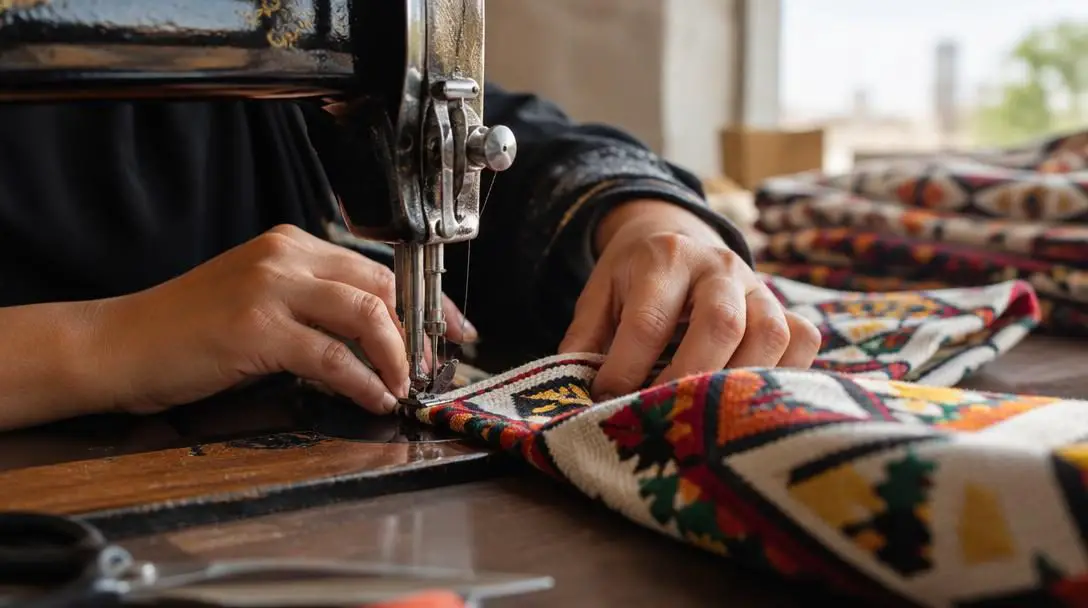
EFE overcomes this barrier through an employer-driven training framework. By directly consulting with corporate partners in expanding fields like tourism and engineering, the organization crafts customized curricula that teach in-demand workplace capabilities. This demand-aligned model has enabled more than 20,000 program graduates to transition into sustainable employment across the nation.
Association for Family Development

- Founded: 1992
- Acronym: AFD
- Geographic focus: Southern Egypt and the Lake Nasser region
- Key programs: Healthcare delivery, literacy education, and infrastructure building
Founded in 1992, the Association for Family Development targets rural populations in Egypt's southern interior, particularly families living around the geographically isolated Lake Nasser region. Distant from northern economic hubs, these communities often face restricted access to standard public utilities, secondary schooling, and healthcare facilities.
AFD implements a comprehensive community development strategy designed to foster generational stability. Its field teams operate mobile healthcare interventions, organize adult literacy classes, and run technical vocational workshops that empower households to establish independent revenue streams. Crucially, the organization also funds and builds essential civic physical infrastructure, erecting schools and local health clinics directly within underserved settlements.
Refugees Solidarity Movement
- Organization type: Regional humanitarian aid and advocacy network
- Primary focus: Displaced persons fleeing conflict and economic destitution
- Core initiatives: Emergency safety nets, education access, and policy reform
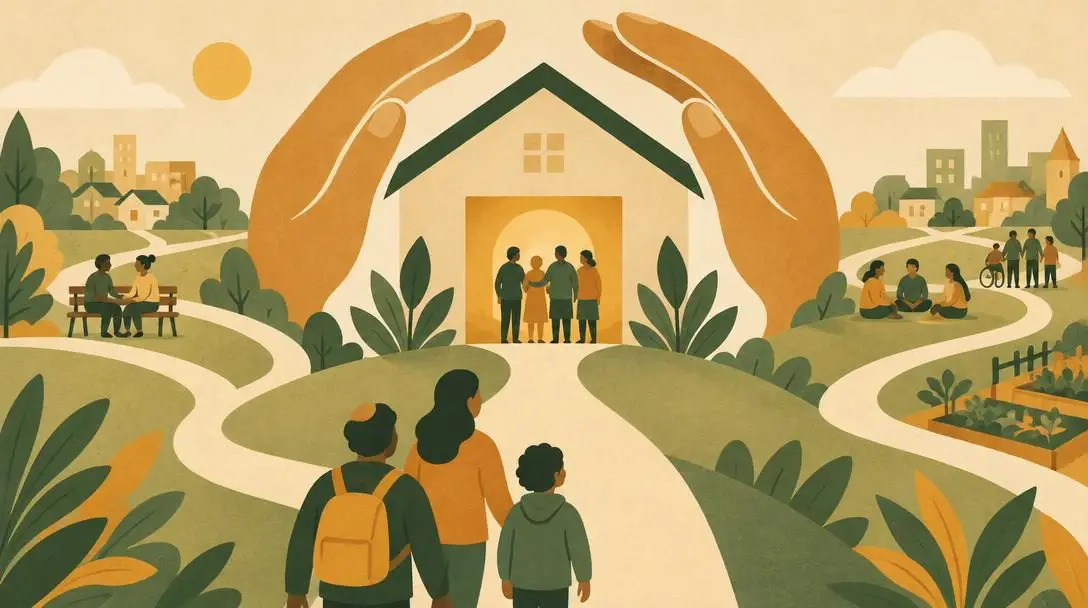
The Refugees Solidarity Movement manages an extensive humanitarian network dedicated to displaced populations residing within Egypt and across the broader Middle East. As regional conflicts and economic crises force individuals and families to leave their home nations, host territories face significant responsibilities in accommodating asylum seekers.
The movement addresses both practical needs and structural hurdles. On the ground, it manages safety nets providing access to schooling, physical security, and paths to economic self-sufficiency. Concurrently, the movement acts as a public advocate against restrictive national measures that inhibit fair integration into host communities, defending the basic human dignity of displaced people.
True grassroots development transforms vulnerable communities not through temporary relief, but through enforceable legal protections, market-aligned skills, and enduring local infrastructure.
How Grassroots Civil Society Generates Sustainable Change
The long-term success of civic initiatives in Egypt is driven by methodical community engagement, technical customization, and legal integration. Operating within a distinct institutional landscape, impactful organizations employ structured approaches to ensure their initiatives generate lasting benefits.
Non-profit efficacy in the region generally builds upon four interlocking operational methodologies:
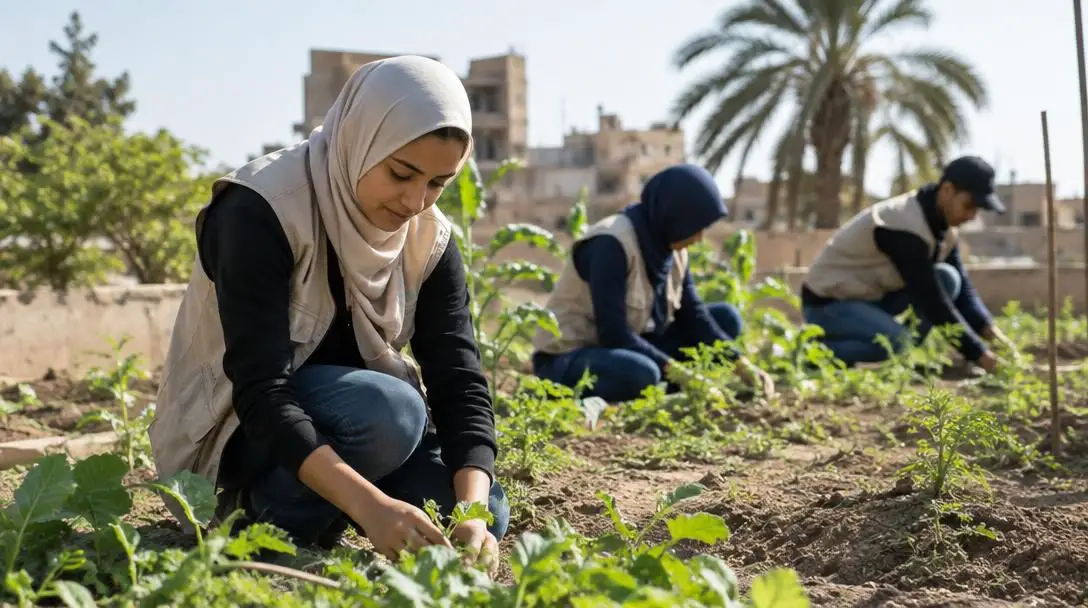
- Grassroots Assessment: Sustainable initiatives begin by analyzing on-the-ground conditions alongside local community leaders. Fieldworkers evaluate concrete challenges, whether reviewing wage records on factory floors, measuring youth underemployment in secondary cities, or assessing water accessibility for rural families along Lake Nasser.
- Demand-Driven Program Tailoring: Effective NGOs steer clear of generalized development templates. As demonstrated by workforce training programs that build courses around engineering and hospitality vacancies, initiatives succeed when structured around verified market and environmental requirements.
- Policy and Legislative Input: Direct community relief offers immediate support, but systemic improvement requires codified law. Organizations like HEPAC and EHRF actively participate in policy discussions, ensuring that workplace standards and environmental safeguards become permanent legal mandates.
- Multi-Stakeholder Collaboration: Sustained civic action requires maintaining working dialogues among community residents, private enterprise, international partner agencies, and governmental authorities to secure operational longevity and regulatory compliance.
A Step-by-Step Guide to Supporting and Partnering with Egyptian NGOs
Collaborating with local non-governmental initiatives requires structured planning, strategic alignment, and cultural awareness. Whether contributing professional skills as an individual or building a corporate social responsibility partnership, following a methodical roadmap produces the greatest mutual value.
- Clarify Your Specific Cause: Pinpoint the exact development sector where your resources, professional background, or institutional interests can yield the highest value, such as marine preservation, labor defense, or youth vocational education.
- Research Track Records and Authenticity: Examine the operational history of target organizations. Prioritize entities with documented longevity and established community integration, such as groups founded in the 1990s or early 2000s with verified histories of transparent execution.
- Evaluate Current Operational Needs: Initiate direct contact with organizational leadership to discover their current logistical, technical, or legal needs. Certain entities require legal research and instructional design, while others seek hardware, classroom materials, or project funding.
- Integrate into Existing Programs: Avoid inventing standalone projects from afar. Coordinate with staff to weave your contributions directly into active training curricula, ecological surveillance programs, or rural community development projects.
- Establish Clear Metrics for Engagement: Formulate transparent, quantifiable objectives prior to launching collaborative projects, identifying targets such as student graduation rates, documented legal cases, or acreage brought under ecological oversight.
Common Pitfalls in Civic Engagement and Development Work
Navigating the civic space requires institutional humility and operational diligence. Outside observers, volunteers, and potential partners frequently encounter obstacles due to recurring misunderstandings about regional non-profit management.
- Applying Generic Universal Models: Expecting development programs that succeeded elsewhere to work automatically in Egyptian urban neighborhoods or isolated lake regions ignores vital cultural, historical, and regional nuances.
- Disregarding Local Regulatory Guidelines: Civic entities in Egypt operate under clear legal frameworks. Overlooking regional administrative regulations can cause project delays, endanger staff, and undermine years of community trust.
- Favoring Temporary Relief over Systemic Solutions: Donating perishable supplies or temporary funds solves brief emergencies but leaves underlying inequities untouched. Effective development prioritizes physical construction, legal advocacy, and technical training.
- Marginalizing Local Community Voices: Planning interventions without direct participation from community elders, workers, and local residents leads to poor program adoption and disconnected community services.
- Underfunding Operational Overhead: Demanding that non-profits execute rigorous scientific studies, vocational instruction, or legal defense without allocating adequate capital for logistics, administration, and professional staff restricts organizational capability.
Emerging Priorities for Egypt's Civic Landscape
As economic, environmental, and demographic factors evolve, the focus areas of Egypt's civil society continue to adapt. Understanding these shifting dynamics enables observers and supporters to engage productively with current challenges.
First, shifting economic conditions elevate the importance of practical, market-aligned education. As living costs and job markets fluctuate, institutions that provide structured vocational placement—similar to the model demonstrated by Education For Employment Egypt—remain indispensable in providing pathways to stable livelihoods for young demographics.
Second, ecological stewardship has transitioned from a specialized concern into a national priority. Pressures on coastal environments, such as those monitored by HEPAC in the Red Sea Governorate, underline the need to harmonize commercial tourism revenues with the legal and physical protection of fragile natural ecosystems.
Finally, the complex humanitarian picture across the Middle East requires enduring solidarity. With families fleeing regional instability, civil entities like the Refugees Solidarity Movement maintain critical community networks, demonstrating that practical integration and legal protections remain essential for displaced people seeking safety.
Frequently asked questions
What types of programs do Egyptian human rights organizations manage?
Organizations like the Egyptian Human Rights Forum combine field-level legal research, educational civic workshops, and targeted advocacy campaigns. They work to protect fundamental liberties, guarantee free expression, secure fair labor practices, and recover unpaid wages for exploited laborers.
How do environmental NGOs in Egypt protect marine ecosystems?
Environmental groups, exemplified by the Hurghada Environmental Protection & Conservation Association (HEPAC), engage in both fieldwork and legislative advocacy. Their work includes monitoring wildlife habitats, striving to protect at least 21% of conservation land area, and helping draft local and national environmental statutes.
Why do Egyptian youth employment NGOs focus on vocational training?
Traditional academic pathways often do not teach the practical, technical skills required by private enterprises. Organizations like Education For Employment Egypt (EFE) collaborate directly with employers in industries like engineering and hospitality to tailor curricula, leading to over 20,000 successful job placements.
What specific challenges do rural NGOs address around Lake Nasser?
In southern regions around Lake Nasser, organizations such as the Association for Family Development tackle geographic isolation by establishing primary medical centers, opening schools, organizing literacy campaigns, and conducting vocational training to help families build steady household incomes.
How do refugee organizations in Egypt assist displaced populations?
Entities such as the Refugees Solidarity Movement provide direct humanitarian aid, coordinate educational access, and establish community safety nets. They also advocate against restrictive integration policies within host nations across the Middle East.
The bottom line
Egypt's non-governmental organizations remain indispensable engines of positive social evolution, environmental preservation, and humanitarian relief. By combining deep grassroots relationships with formal policy advocacy, these five organizations demonstrate how targeted civic action can overcome systemic hurdles and create enduring opportunities for generations to come.