5 Reasons You Should Brew Your Own Beer
For a remarkably long stretch of modern history, supermarket shelves and television screens presented a uniform vision of beer. Massive industrial breweries dominated the commercial landscape, offering consumers an unvarying, narrow selection of mass-produced lagers. However, toward the end of the twentieth century, a passionate wave of beer lovers rebelled against this uniformity. Convinced that beer could offer deeper flavors and broader variety, pioneering enthusiasts began reviving traditional recipes, tinkering with equipment in their basements and kitchens, and launching the modern craft brewing movement.
Today, crafting your own beer at home has never been more approachable. What was once viewed as an opaque, industrial discipline has turned into a thriving do-it-yourself movement supported by user-friendly equipment kits, dedicated online communities, and reliable instructional resources. Whether you are seeking a hands-on culinary hobby, a way to trim your monthly beverage expenses, or a creative outlet for experimenting with rare flavors, homebrewing provides an exceptionally rewarding pursuit that anyone can master.
Key takeaways
- Starter kits cost under $100, and ongoing batches can yield beer for under 70 cents a bottle.
- Brewing at home provides total creative freedom to craft tailored recipes and explore unconventional flavors.
- The vibrant homebrewing community offers welcoming support through local clubs, digital forums, and conventions.
- Practicing strict equipment sanitation is the single most critical factor for brewing success.
- Graduating from malt extract to all-grain brewing and kegging allows enthusiasts to continuously elevate their craft.
Top 5 reasons you should brew your own beer
Stepping into the world of fermentation delivers perks that reach far beyond having a cold drink waiting in the refrigerator. Making your own beer blends culinary artistry, practical biology, and everyday craftsmanship into a deeply satisfying routine. If you are debating whether to begin brewing, consider these five standout advantages.
| Reason | Primary advantage | What to expect |
|---|---|---|
| You can save money | Long-term financial savings | Kits under $100; production drops to under 70 cents per beer |
| You can brew what you want | Total flavor customization | Control every style, from heavy stouts to jalapeno infusions |
| You join a community | Peer support and shared passion | Access to local clubs, online forums, and brew conventions |
| Making beer is fun | Creative hands-on entertainment | Tinker with specialized gear, explore science, and compete |
| You can share your wares | Memorable social gifts | Custom bottled gifts for birthdays, holidays, and parties |
You can save money
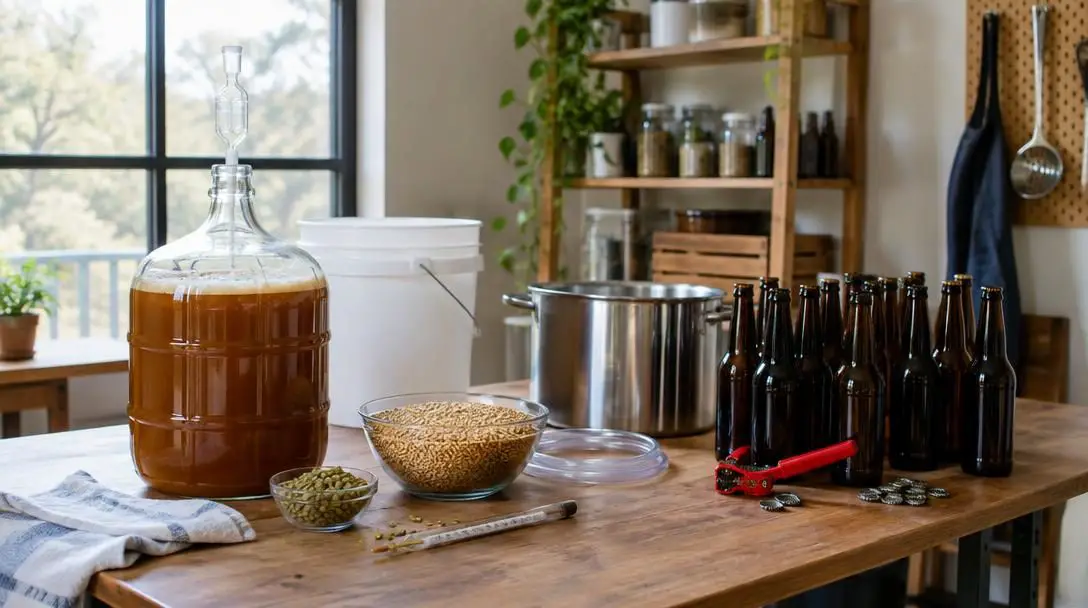
A common misconception is that homebrewing requires thousands of dollars in commercial-grade steel vessels. In reality, the barrier to entry is remarkably modest, as a dependable beginner homebrewing kit can be purchased for under $100. While acquiring fresh ingredients makes your initial run feel like an upfront investment, your durable hardware—such as fermenters, siphons, and brew kettles—lasts for countless brew sessions. Once your home pipeline is running smoothly, production costs can drop to under 70 cents per beer. When compared against store-bought commercial products and premium craft four-packs, brewing at home generates substantial long-term savings.
You can brew the beer you really want
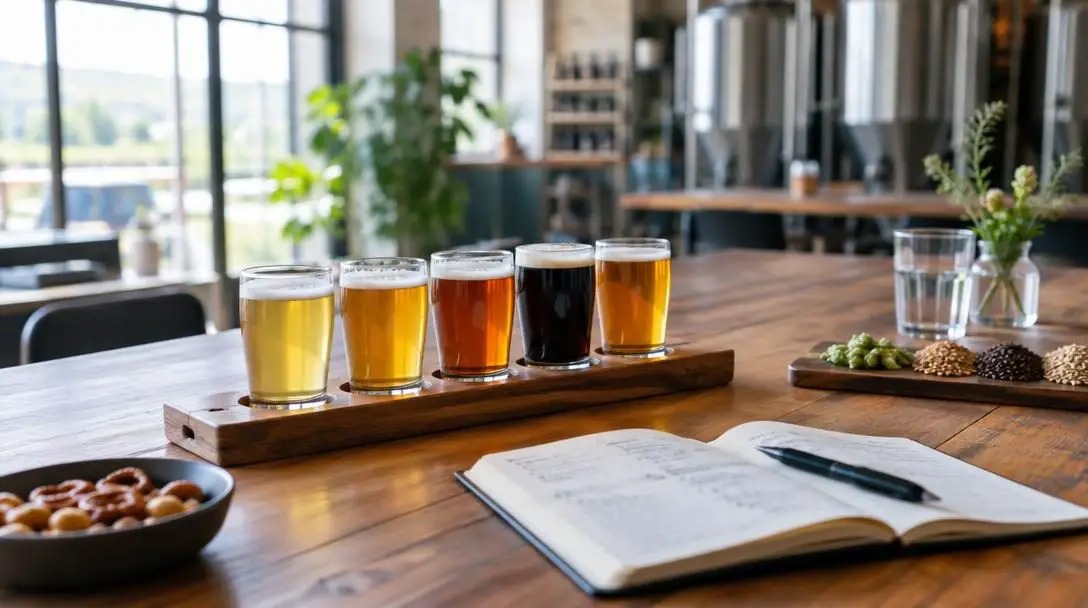
While an ordinary mass-market lager might satisfy on a hot afternoon, commercial shelves often fall short when you desire depth, complexity, or rare stylistic nuances. When you control the brewing process, your ideal pint is always within reach. Whether your taste runs toward velvety wheat beers, pitch-black stouts, or aromatic, hop-forward India Pale Ales, you control the grains, hops, and yeast strains that define the profile. Even better, you have the liberty to experiment with creative adjuncts, infusing specialty recipes with fresh cucumber, spicy jalapeno peppers, or tropical papaya tailored precisely to your palate.
When you take control of the kettle, your preferred style is always on tap.
You become part of a community
Homebrewing is supported by one of the most generous and tight-knit subcultures in the culinary world. Those who craft beer love to talk about it, trade techniques, evaluate sample bottles, and support newcomers. Entering the hobby immediately plugs you into a global network of fellow creators. Whether you seek guidance on equipment upgrades or recipe formulation, you will find eager mentors across local homebrew clubs, active social media forums, and organized brewing conferences.
Making beer is fun
Brewing is an entertaining hobby that adapts smoothly to your personal schedule, space, and ambitions. You can keep your brew days low-stress and uncomplicated by using standard extract recipes, or you can dive deep into water chemistry, precise recipe modeling, and competitive tasting events. Homebrewing functions equally well as a quiet, meditative solo pastime or as a lively weekend project shared with friends. Along the way, you gain hands-on experience with practical science while tinkering with specialized tools like dial thermometers, transfer tubes, and large stainless brew kettles.
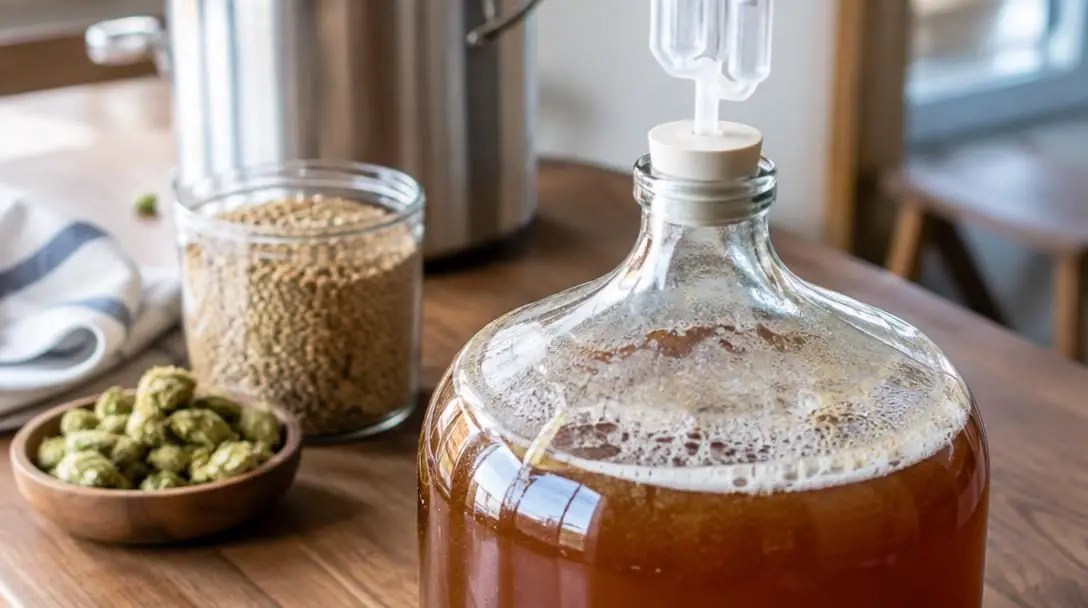
You will enjoy sharing your wares
While anyone can grab an ordinary six-pack from the convenience store shelf, handing a guest a chilled bottle of your own handcrafted ale creates an immediate impression. Homemade beer makes a personal, deeply appreciated gift for Christmas, birthdays, and family milestones. Sharing your finished bottles also serves as an infectious introduction to the craft; seeing your success often inspires curious friends and relatives to roll up their sleeves and start brewing batches of their own.
The core science and ingredients of brewing
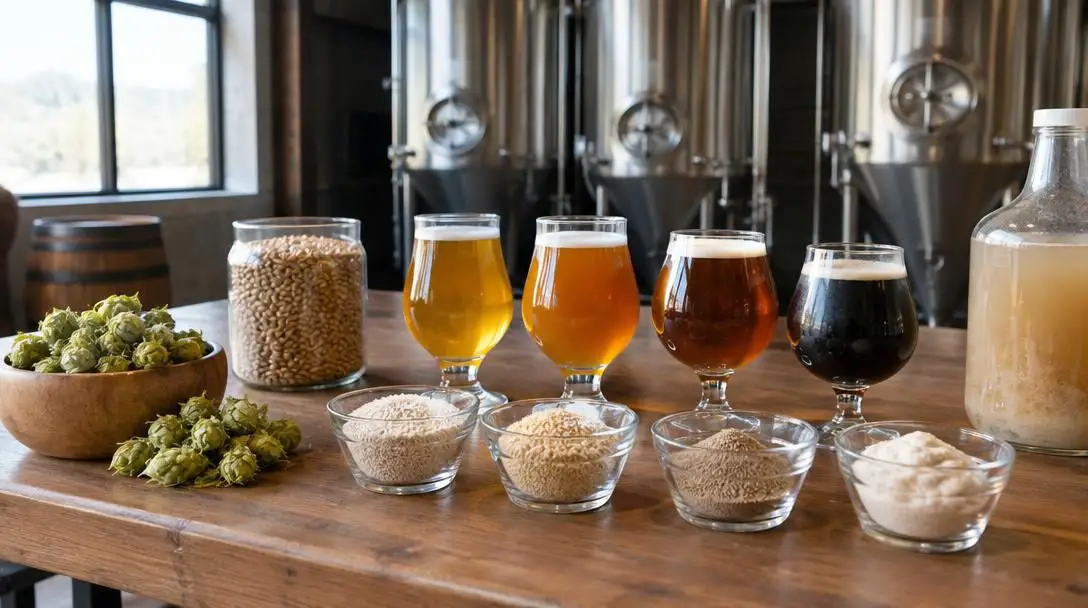
At its heart, brewing is a predictable biochemical conversion process governed by natural biological cycles. Every standard style of beer is constructed from four indispensable components: clean water, fermentable grain (most commonly malted barley), hops, and yeast. Each element carries a distinct responsibility in transforming sugary liquid into a balanced beverage.
The journey begins with extracting fermentable sugars from barley. During traditional all-grain brewing, crushed grains undergo mashing, a process where they are steeped in hot water to activate natural enzymes that convert complex grain starches into fermentable simple sugars. Novice brewers frequently streamline this phase by utilizing malt extract—malted barley sugars that have been concentrated into liquid syrup or dry powder—eliminating the need for separate mashing equipment.
The resulting sugary liquid, known as wort, is collected in a brewpot and brought to a rolling boil. Hops are introduced during this boiling phase according to a strict schedule:
- Early additions: Hops boiled for extended periods release bitter alpha acids that offset the heavy sweetness of the malt sugars.
- Late additions: Hops added during the final minutes preserve volatile aromatic oils and nuanced floral, herbal, or citrus notes without adding heavy bitterness.
- Sanitization: The sustained boiling process also pasteurizes the liquid, destroying wild bacteria and rogue yeast strains that could spoil the batch.
After the boil, the hot wort is chilled rapidly to room temperature. Once the liquid cools, the brewer pitches brewing yeast into the vessel. In an airtight fermenter, the microscopic yeast cells feast on the dissolved sugars, generating alcohol, carbon dioxide, and nuanced flavor esters. Once fermentation wraps up, a small amount of priming sugar is added before bottling. Dormant yeast cells consume this final sugar dose inside the capped bottles, generating trapped carbon dioxide that yields natural carbonation.
Step-by-step guide to your first extract brew day
Navigating your initial brew day becomes simple and stress-free when you approach the process methodically. Following this basic extract procedure will take your ingredients from raw supplies into the fermentation vessel with confidence.
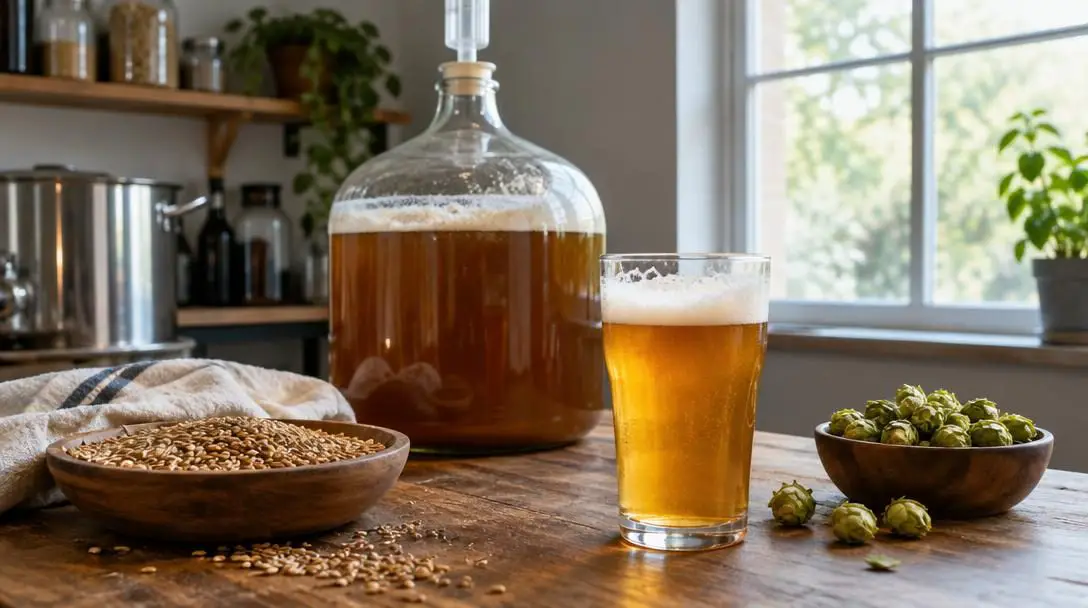
- Gather and inspect your equipment: Arrange your brewpot, stirring spoon, reliable thermometer, food-grade fermenter with airlock, siphon tubes, and brewing sanitizer so everything is within arm's reach.
- Clean and sanitize every contact surface: Scrub your gear clean, then soak or spray all equipment that will touch your beer after the boil using a dedicated, no-rinse brewing sanitizer.
- Heat your brewing water: Measure the specified water volume into your kettle and heat it on the stovetop to your recipe's target steeping temperature.
- Dissolve the malt extract: Remove the kettle from the flame temporarily. Gradually pour in the liquid or dry extract, stirring vigorously until completely dissolved to eliminate scorching risks.
- Boil the wort and time your hops: Return the kettle to high heat and bring the liquid to a rolling boil. Add your bittering and aroma hop additions according to the exact timetable in your recipe.
- Rapidly cool the boiled wort: Remove the pot from heat and lower the liquid temperature down to 65 to 70 degrees Fahrenheit, using either a sink ice bath or an immersion wort chiller.
- Transfer and pitch the yeast: Pour or siphon the cooled wort into your sanitized fermenter, allowing the liquid to splash to incorporate vital oxygen, then sprinkle your yeast into the liquid.
- Seal and monitor fermentation: Lock the fermenter lid in place, install a sanitized airlock partially filled with liquid, and position the container in a dark, temperature-stable environment.
- Bottle and carbonate: Once fermentation finishes (typically within one to two weeks), gently blend in dissolved priming sugar, fill clean bottles leaving an inch of headspace, cap tightly, and let them rest at room temperature for roughly two weeks to carbonate.
Five common brewing mistakes to avoid
While homebrewing is a forgiving craft, beginners often run into a handful of classic hurdles. Avoiding these predictable traps will keep your early batches fresh, crisp, and true to style.
- Inadequate sanitation: Neglecting to sanitize gear thoroughly is the primary cause of ruined or sour beer. Every tool that touches wort after the boil—from transfer hoses to airlocks—must be meticulously sanitized.
- Uncontrolled fermentation temperatures: Yeast is highly sensitive to heat swings. Placing your fermenter in a warm closet or fluctuating room can stress the yeast, producing harsh fusel alcohols and unwanted chemical esters.
- Scorching malt extract: Heavy malt extract settles rapidly at the bottom of the pot. Dumping extract over direct heat without thorough stirring will burn the sugars, imparting an acrid, bitter off-flavor.
- Warm-side aeration: Agitating or splashing hot wort introduces oxygen into the liquid at high temperatures, creating oxidation compounds that cause stale flavors down the road.
- Rushing the bottling schedule: Bottling beer before the yeast has consumed all fermentable sugars creates excess pressure inside the glass, leading to gushing bottles or dangerous bottle bursts.
Upgrading your craft: next steps for homebrewers
Once you understand the basic extract process and have a few successful batches under your belt, a wide range of hardware and technical upgrades can help you take your craft to new heights. Progressing in the hobby lets you exercise deeper control over every variable of your beer's flavor profile.
One popular progression is stepping up from malt extract to all-grain brewing. By mashing raw malted barley yourself, you dictate the mash temperature, which directly alters the unfermentable sugar content, body, and mouthfeel of the finished beer. Techniques such as Brew-in-a-Bag (BIAB) allow curious homebrewers to explore all-grain recipes using a single kettle and a fabric filter bag, avoiding the need for expensive multi-vessel mashing rigs.
Hardware improvements also yield dramatic jumps in product consistency. An immersion wort chiller—a copper or stainless steel coil that runs cold tap water through the hot wort—drops boiling liquid to pitching temperatures within minutes, safeguarding hop aromas and preventing bacterial contamination. Similarly, repurposing a small refrigerator with an external digital thermostat gives you a dedicated fermentation chamber, ensuring your yeast operates within its ideal thermal comfort zone regardless of seasonal changes.
Finally, many dedicated brewers choose to move beyond bottling by adopting a draft kegging system. Transferring beer into five-gallon stainless steel kegs eliminates the tedious chore of washing, filling, and capping dozens of individual bottles. Kegging allows for instantaneous, precise carbonation adjustments and lets you pour fresh, draft-quality beer right from a home tap.
Frequently asked questions
How much does it cost to get started with homebrewing?
A dependable beginner equipment kit can be purchased for under $100. While your first batch requires purchasing ingredients alongside gear, ongoing batches typically drop down to under 70 cents per beer once your basic equipment setup is established.
How long does it take from brew day until the beer is ready to drink?
A typical batch requires roughly two to four weeks from start to finish. Primary fermentation in the fermenter generally takes one to two weeks, followed by an additional two weeks in sealed bottles at room temperature to allow priming sugar to carbonate the beer.
What is the difference between extract brewing and all-grain brewing?
Extract brewing uses concentrated malt syrup or powder to skip the initial starch-conversion stage, making brew day faster and simpler. All-grain brewing involves mashing crushed malted barley in hot water yourself, granting complete control over the body, grain character, and fermentability of the wort.
Why is temperature control so important during fermentation?
Yeast is sensitive to temperature fluctuations. Fermenting in an environment that is too warm stresses yeast cells, resulting in harsh alcohol flavors, solvent-like notes, or excessive fruity esters that ruin the intended balance of the beer.
What equipment upgrades should I consider after my first few batches?
Valuable early upgrades include an immersion wort chiller for rapid cooling, a dedicated temperature-controlled fermentation chamber (such as a modified compact fridge), and a 5-gallon draft kegging system to replace bottle capping.
The bottom line
Homebrewing transforms a routine beverage purchase into an engaging, economical, and creative pursuit. By taking control of the mash, the boil, and the fermentation, you free yourself from mass-market predictability and unlock an endless palette of flavors and styles. With an entry cost under $100, an eager worldwide community of mentors, and accessible modern gear, there has never been a better time to brew your own beer.