
5 Rules For Staying Safe – And Having Real Adventures – When Travelling Solo

When most people picture a vacation, their minds naturally default to images of families loading station wagons or tour groups traveling in packs. Media and holiday traditions reinforce this perception, but individual journeys actually represent a significant segment of contemporary exploration. Roughly one in four Americans has traveled alone for professional reasons, and approximately 20 percent have embarked on solo holidays purely for leisure.
Venturing out independently provides unparalleled freedom, complete schedule flexibility, and opportunities for genuine self-discovery. However, setting out unaccompanied means forfeiting the safety redundancies of traveling in pairs or groups. You have no travel partner to watch your backpacks while you step away, double-check departure gates, or offer assistance during a sudden logistical crisis. Mastering foundational safety habits ensures you capture the rewards of solo adventure while mitigating preventable risks.
Key takeaways
- Solo travel makes up a sizable share of modern tourism, with over a quarter of Americans traveling alone for business and roughly 20 percent for leisure.
- Proactive travel insurance provides cost-effective, temporary protection against costly medical crises, cancellations, and lost luggage without recurring contracts.
- Maintaining battery power turns a standard smartphone into an indispensable lifeline for emergency communication, live route alerts, and situational awareness.
- Sharing an hour-by-hour itinerary and scheduling regular check-ins with contacts creates a dependable external support network.
- Dividing cash, cards, and personal identification across separate locations ensures that a single robbery or lost bag does not leave you stranded.
The five foundational rules for solo travel safety
Independent travelers bear full responsibility for their personal well-being, schedule management, and personal possessions. These five core practices establish a robust defense against logistical disruptions and personal safety hazards on the road.
Rule 1: Insure, insure, insure
Many travelers hesitate to purchase insurance policies because they associate coverage with expensive, lifelong financial obligations. Travel insurance is a temporary, cost-effective safeguard designed specifically for your travel dates rather than a recurring monthly bill. It delivers critical financial support when common travel disruptions occur, such as canceled flights, lost luggage, or unexpected transit interruptions.
More importantly, independent travelers must consider foreign healthcare costs. Falling ill or suffering an injury in an unfamiliar destination can lead to devastating hospital bills and complex logistical challenges. An active travel insurance policy establishes a financial safety net, offsetting unpredictable emergency costs through an affordable upfront agreement.
Rule 2: Stay charged
In modern independent exploration, a smartphone functions as an essential survival and security device rather than merely a portable camera or social media accessory. Maintaining consistent battery power preserves your connection to critical resources, enabling you to call local authorities, review live traffic developments, and receive real-time warnings about regional hazards.
When a phone battery dies, an unaccompanied traveler loses immediate access to maps, language assistance, and rapid payment methods. To avoid becoming stranded in an unfamiliar neighborhood without communication, make reliable power management a non-negotiable part of your daily transit routine.
Rule 3: Always let your plans be known
Vague travel summaries—such as mentioning to friends that you will be visiting a general country or city—offer little utility when an unexpected event occurs. Establishing an external monitoring system requires providing trusted contacts with exact, detailed schedules. Share flight numbers, anticipated arrival times, accommodation addresses, and hour-by-hour itineraries with loved ones before departing.
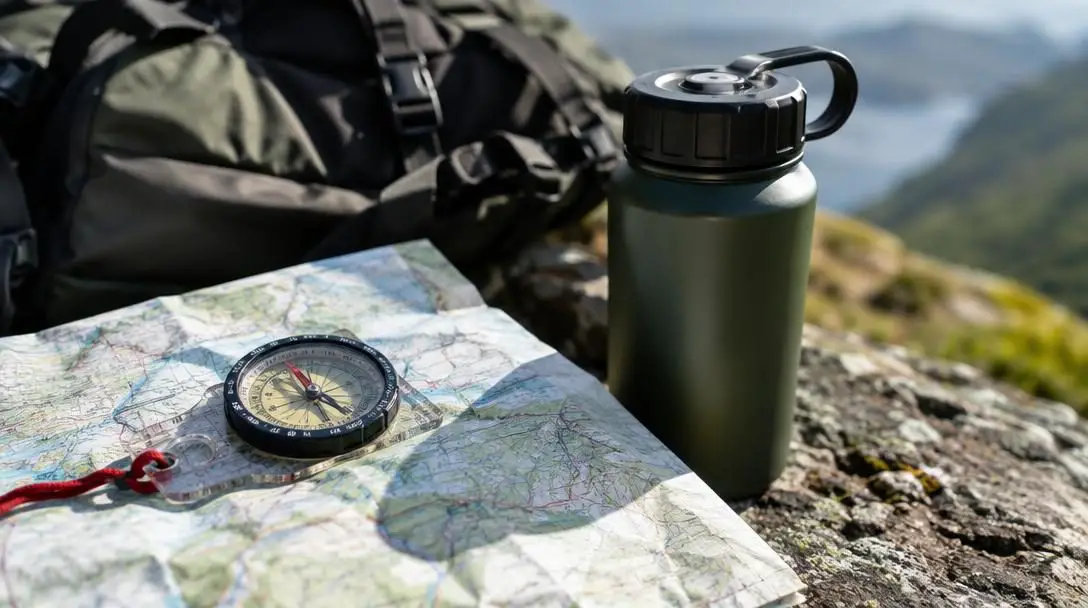
Complement your detailed itinerary by setting recurring check-in milestones throughout every day of the journey. When your emergency contacts possess your specific travel framework, they can swiftly recognize an irregular disruption and relay actionable information to local embassies or emergency responders without delay.
A detailed, hour-by-hour itinerary transforms distant loved ones into an active, life-saving support network if an unexpected emergency occurs.
Rule 4: Limit night travel
Daylight provides an inherent blanket of protection through populated streets, open retail storefronts, and natural visibility. Conversely, darkness reduces natural oversight and provides cover for illicit behavior. Crime statistics from major cities demonstrate that more than half of burglaries, assaults, and robberies occur during nighttime hours.
By scheduling your intercity bus trips, flight connections, and walking tours during daylight hours, you substantially lower your exposure to dangerous environments. If travel after nightfall is unavoidable, pre-arrange direct transit routes to minimize wandering on foot in unfamiliar quarters.
Rule 5: Keep your valuables separate
Consolidating all your vital belongings into a single daypack or wallet creates immense vulnerability. If that single bag is stolen, dropped, or pickpocketed, you lose your entire means of functioning abroad in one moment. Asset diversification protects your operational survival by ensuring that a single incident does not strip away your funds and identification.
Divide your official documentation, payment methods, and cash across multiple locations. Keep your primary passport, backup debit cards, and emergency funds securely locked inside your lodging's in-room safe. When walking through cities, carry only the exact payment cards and funds required for that day's outings.
Solo travel safety at a glance
Evaluating how each core safety practice protects you helps clarify why these habits must be maintained simultaneously rather than treated as optional suggestions.
| Safety rule | Primary threat mitigated | Essential implementation habit |
|---|---|---|
| Travel insurance | Exorbitant foreign healthcare expenses and cancellation fees | Purchase coverage for the full duration of your trip before departure |
| Charged devices | Loss of navigation and inability to summon emergency help | Carry a dedicated, high-capacity portable battery pack daily |
| Shared itineraries | Unnoticed disappearances and delayed emergency response | Send precise transit details and maintain daily check-in times |
| Daylight transit | Elevated rates of robbery, burglary, and street assault | Schedule regional arrivals and urban exploration before dusk |
| Separated valuables | Total financial incapacitation from a single robbery | Lock reserve funds and original documents in the hotel safe |
Actionable steps to implement on your journey
Transforming these protective guidelines into practical travel habits requires deliberate preparation before leaving home and consistent execution once you reach your destination.

- Research and secure an insurance policy that explicitly includes emergency medical care, personal baggage loss, and trip cancellations.
- Pack a dedicated portable power bank, ensuring that both your mobile phone and backup battery charge fully overnight.
- Compile your flight numbers, lodging addresses, and anticipated daily schedules into an organized document and distribute it to your trusted contacts.
- Establish recurring communication milestones with loved ones, such as sending a quick message each morning before departing and each evening upon returning.
- Book flights, trains, and intercity buses to arrive during daytime hours, mapping out direct hotel transfers in advance if late arrivals cannot be avoided.
- Sort your resources daily, storing reserve bank cards, official identification, and excess cash in your room safe while carrying only the minimum required funds.
Common mistakes solo travelers must avoid
Even seasoned independent travelers can fall into careless habits that jeopardize their security or bank accounts. Recognizing these missteps beforehand helps ensure a seamless trip.
- Dismissing travel insurance as an unneeded expense: Skimping on short-term coverage leaves you exposed to ruinous out-of-pocket costs if a medical emergency or trip cancellation occurs.
- Letting phone batteries hit zero: Relying on your mobile device for turn-by-turn navigation and payment without carrying a portable backup charger can leave you stranded in an unfamiliar neighborhood.
- Providing ambiguous travel summaries to friends: Simply stating that you are visiting a particular country gives your loved ones no actionable data if you fail to arrive at your lodging.
- Treating new cities like your hometown after dark: Over half of major violent offenses occur at night; ignoring local street safety and lingering alone after dusk dramatically increases your risk profile.
- Carrying all documentation and cards in one wallet: Stashing your passport, cash, and every debit card in a single pocket or purse guarantees absolute disruption if a theft takes place.
Key considerations when planning your route
Applying the core rules of solo safety requires tailoring your routines to the specific conditions of your destination. Before finalizing your booking, evaluate how the infrastructure of your intended location impacts your security precautions.
First, analyze regional transportation networks. Certain destinations feature reliable daylight public transit, while others require pre-booked private transfers to avoid walking after dusk. Research whether transit stops near your accommodation operate safely during the daytime so you can navigate without unnecessary exposure.
Second, review the security amenities of your prospective lodging. Always confirm in advance whether your hotel, hostel, or rental unit features an operational in-room safe. Having a dependable, secure enclosure in your room is the foundational requirement for separating your valuables, reserve cash, and official identity documents.
Finally, assess technological compatibility. Check that your mobile carrier supports international roaming or purchase a regional eSIM prior to arrival. Ensuring your phone connects seamlessly to local cellular towers guarantees that you can receive emergency alerts, check traffic updates, and contact support services whenever the need arises.
Frequently asked questions
Is travel insurance really necessary for a short solo trip?
Yes. Unexpected medical emergencies, missed flight connections, and lost baggage can occur on trips of any length. Travel insurance provides affordable, short-term coverage that protects you from paying exorbitant out-of-pocket expenses when disruptions arise.
What specific details should I share with my emergency contacts?
Share complete flight numbers, scheduled arrival times, hotel and rental addresses, an hour-by-hour itinerary of your planned activities, and the contact information for your lodging so loved ones can act quickly if you miss a scheduled check-in.
Why is nighttime travel considered so much more dangerous for solo explorers?
City crime data indicates that more than half of all assaults, burglaries, and robberies occur during nighttime hours. Dark streets reduce visibility and foot traffic, eliminating the natural oversight and assistance present during daylight hours.
What should I do if my accommodation does not have an in-room safe?
If an in-room safe is unavailable, keep backup cards, excess cash, and your passport locked inside hidden compartments of your luggage using personal travel locks, or ask front desk management if a secure hotel deposit box is available.
How can I keep my phone charged if I am outdoors all day?
Carry a fully charged, high-capacity portable power bank and appropriate charging cables whenever you leave your accommodation. Charge both your phone and external battery completely overnight to maintain continuous power.
The bottom line
Solo travel offers unmatched independence, granting you complete agency over your time, destinations, and personal growth. Stepping out alone does not mean accepting unnecessary dangers; it simply requires a proactive, disciplined approach to personal protection. By securing comprehensive insurance, maintaining mobile device battery life, broadcasting detailed itineraries, favoring daylight hours, and separating your valuable assets, you build a resilient safety foundation. These straightforward habits eliminate avoidable pitfalls, freeing you to experience the full wonder and adventure of exploring the world on your own terms.