
5 Signs You’re Becoming a Genuine Coffee Snob
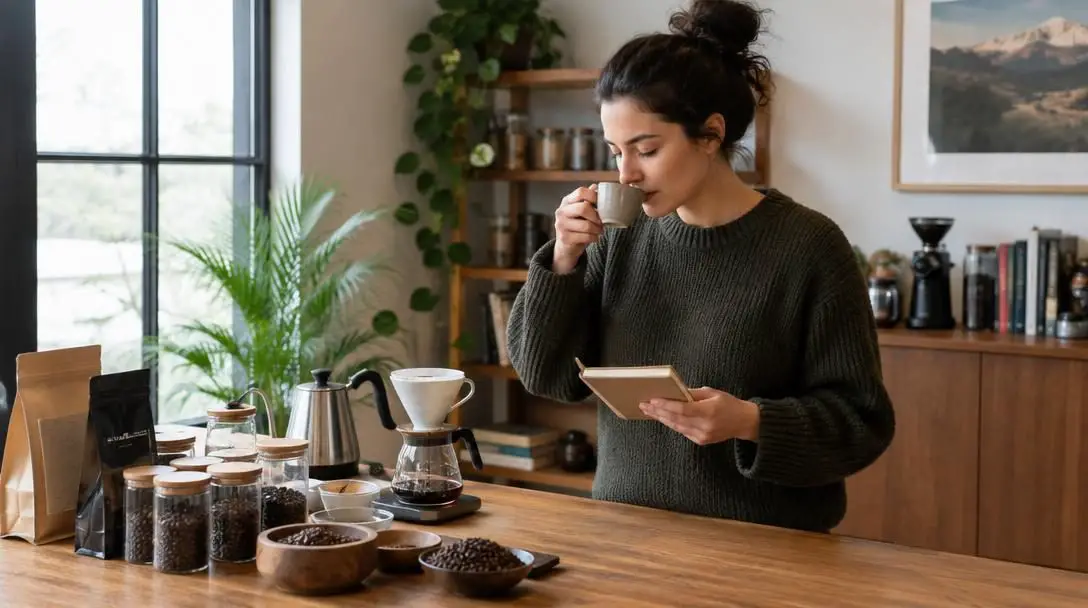
Upwards of 150 million Americans drink at least one cup of coffee every day, representing more than half of the adult population. Yet despite this widespread national habit, a vast portion of the public still relies on commercial canned grounds, viewing coffee strictly as a routine morning caffeine delivery system rather than an artisanal food product to be enjoyed.
In recent years, an unmistakable cultural shift has transformed how millions approach their morning cup. What was once a rushed, utilitarian habit has evolved into a deliberate, sensory craft centered on origin, roasting chemistry, and precise extraction. As your palate sharpens and your standards rise, the line between an appreciative home enthusiast and an uncompromising coffee elitist begins to blur.
Key takeaways
- More than half of American adults consume coffee daily, but preferences are dividing sharply between commodity caffeine and artisanal craft.
- Dedicated enthusiasts readily pay upwards of four times the grocery store average to secure small-batch, freshly roasted beans.
- Habits such as driving long distances for a single pour, attending multi-hour cuppings, and demanding technical linguistic precision signal advanced connoisseurship.
- Upgrading everyday home brewing requires focusing on bean freshness, grind consistency, water quality, and precise weight measurements.
The Evolution from Commodity Caffeine to Third-Wave Appreciation
The transformation from an ordinary coffee drinker to a dedicated connoisseur does not happen overnight. In the early stages, most people begin with pre-ground commercial options purchased from supermarket aisles. These commodity offerings prioritize shelf stability, low prices, and absolute convenience over flavor clarity. In this paradigm, coffee primarily provides an energetic jolt to start the workday, frequently masked with generous portions of dairy, creamers, or sugary syrups to disguise bitter notes.
When you take a bit more care with the sourcing, preparation, and appreciation of your morning brew, it can significantly improve your quality of life.
The awakening typically happens when an individual encounters a freshly roasted, single-origin bean prepared with proper extraction technique at an independent cafe or through a manual brew method. Experiencing a cup that displays clean fruit, floral, or caramel notes without an overwhelming burnt finish permanently resets the palate. Once you understand that coffee is an agricultural fruit shaped by soil, altitude, and processing, returning to generic canned coffee becomes almost impossible.
5 Signs You Have Become a Genuine Coffee Snob
If your daily routines, spending decisions, and conversational habits align with the following milestones, you have officially moved beyond casual enjoyment into full-fledged coffee snobbery.
1. You’re Willing to Spend Over $20 for Less than One Pound
- Commodity average cost: Around $6 per pound (spring 2022)
- Specialty price threshold: Over $20 for less than 16 ounces
- Perceived value: Small-batch, farm-traceable quality over bulk quantity
Even with inflation pushing average retail coffee prices to roughly $6 per pound in the spring of 2022, casual consumers view spending more than that as unnecessary. To the true coffee connoisseur, however, mass-market, freeze-dried, or canned supermarket options are the sensory equivalent of fast food. Paying four times the baseline price for an 8- to 12-ounce bag of exceptional micro-lot coffee ceases to feel extravagant; it feels like an entirely reasonable investment in craft agriculture and uncompromising quality.
2. You Know (and Care) About the Difference Between Expresso and Espresso
- Correct terminology: Espresso
- Common mispronunciation: Expresso
- Social trigger: Correcting friends, colleagues, or strangers in public
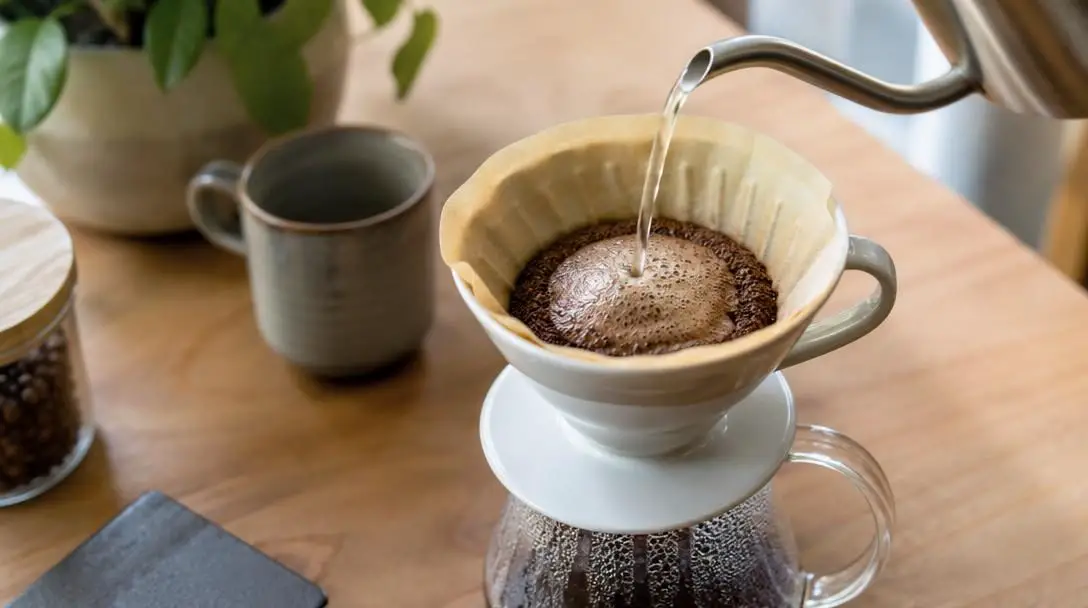
Technical precision is the hallmark of any specialist culture, and coffee is no exception. Connoisseurs understand that espresso represents a specific extraction method involving finely ground coffee subjected to pressurized hot water. Hearing an uninitiated speaker insert a phantom "x" into the word grates on the enthusiast's ears. The true mark of the snob appears when you can no longer keep this correction to yourself and begin pointing out the error to family members, colleagues, or strangers standing in the checkout queue.
3. A Barista Knows You by Name and Your Preferred Beverage
- Primary venue: High-end independent cafes and specialty coffee bars
- Social dynamic: Immediate recognition and drink preparation without ordering
- Snob milestone: Baristas jokingly monitoring or limiting your caffeine intake
Just as a regular at a neighborhood pub develops an unspoken rapport with the bartender, a dedicated coffee lover forms lasting relationships at local specialty establishments. The cafe staff knows your face, greets you warmly by your first name, and begins crafting your specific pour-over or macchiato the moment you walk through the doorway. When your caffeine habits become so pronounced that the barista playfully suggests cutting you off or taking your car keys, you have established deep roots in your local cafe culture.
4. You’ve Driven More than 25 Miles for a Cup of Coffee
- Travel distance: More than 25 miles one way
- Time commitment: Over one hour round trip
- Economic calculation: Fuel or vehicle charging costs exceeding the drink price
Most commuters view coffee purely through the lens of convenience, choosing the closest drive-through window along their morning route. In sharp contrast, a coffee snob will willingly allocate upwards of an hour for a round trip spanning more than 25 miles solely to sample an exceptional roaster or rare bean variety. When the cost of vehicle fuel or battery charging outstrips the retail price of the beverage itself—and you still view the trip as a worthwhile use of an afternoon—your commitment has unequivocally entered connoisseur territory.
5. You’ve Attended a Cupping
- Event length: Typically lasts between 2 and 4 hours
- Event structure: Formal sensory evaluation of distinct origins and roast profiles
- Cost model: Often requires a premium admission fee to participate
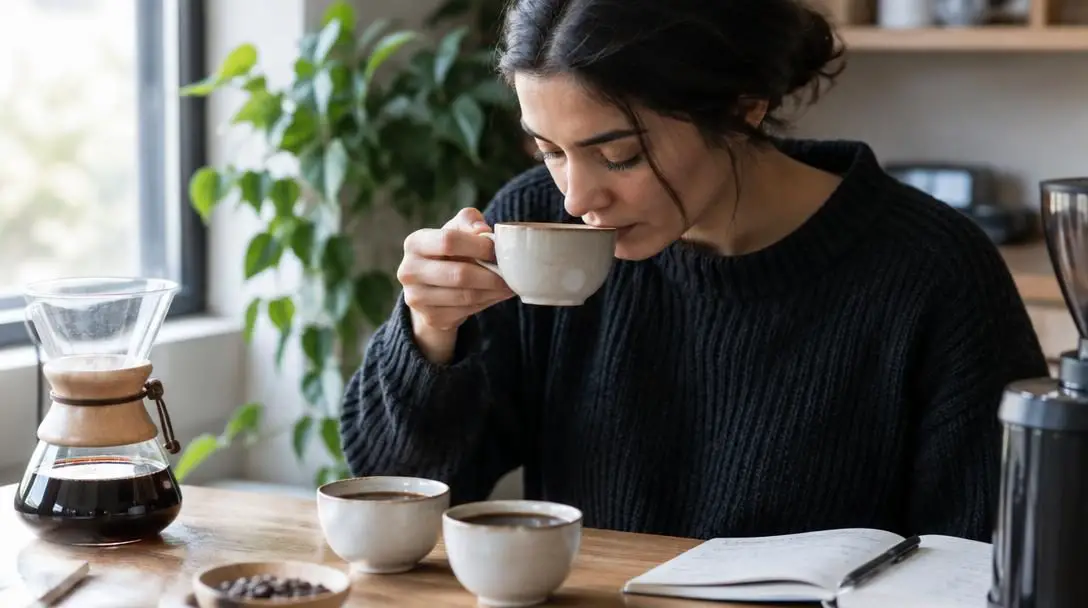
While food enthusiasts might book tables at upscale dining rooms, devoted coffee connoisseurs reserve spots at formal cupping tables. A cupping is a structured sensory evaluation where industry professionals and advanced hobbyists inspect dry grounds, break the brewing crust, inhale aromatics, and aspirate spoonfuls of coffee to analyze origin notes, body, and acidity. Spending two to four hours and paying an entry fee to spit coffee into a cup is the ultimate rite of passage for anyone aspiring to top-tier coffee literacy.
Comparing Coffee Consumer Mindsets
The gap between everyday coffee drinking and genuine coffee snobbery involves a comprehensive shift in habits, spending thresholds, and sensory criteria.
| Attribute | Casual Coffee Drinker | Specialty Coffee Snob |
|---|---|---|
| Purchase Price | Averages roughly $6 per full pound | Will spend $20 or more for less than one pound |
| Language and Terms | Casual use; often says "expresso" | Insists on strict accuracy like "espresso" in public |
| Cafe Habits | Selects nearest drive-through for speed | Known by name and drink order at specialty shops |
| Willingness to Travel | Seeks maximum convenience near home or office | Will drive over 25 miles round trip for rare brews |
| Tasting Engagement | Drinks primarily for practical morning energy | Attends 2- to 4-hour formal tasting cuppings |
The Science of Quality: What Makes High-End Coffee Different
The willingness of connoisseurs to pay premium prices and travel long distances is anchored in real agricultural and chemical distinctions that separate commodity coffee from specialty-grade crops.
- Selective Harvesting: Commercial operations rely heavily on mechanical strip-picking, which sweeps ripe, unripe, and spoiled cherries off the branches together. Premium specialty producers practice selective hand-picking, harvesting only cherries at their peak sugar concentration.
- Origin and Terroir: Commodity beans blend disparate varieties from multiple regions to create a generic, uniform baseline. Specialty lots showcase single-origin farms, micro-climates, and specific coffee tree varietals that impart unique regional characteristics.
- Tailored Roasting: Mass-market brands frequently roast beans extremely dark to mask agricultural defects and maintain flavor uniformity across millions of cans. Artisanal roasters profile each batch individually, applying heat curves designed to preserve natural acidity and fruit notes.
- Minimizing Oxidation: Whole beans begin releasing volatile aromatic compounds immediately after roasting, a degradation process accelerated dramatically once grounds are exposed to air. Connoisseurs seek recently roasted whole beans with transparent roast dates stamped on the bag.
- Extraction Physics: A premium cup depends on managing contact time, water temperature, grind size distribution, and the mineral composition of brewing water to dissolve optimal flavor compounds while leaving astringent tannins behind.
5 Practical Steps to Elevate Your Daily Brew
If you find yourself identifying with the habits of coffee connoisseurship, you can upgrade your home extraction routine by implementing these fundamental, evidence-backed improvements.
- Switch to freshly roasted whole beans. Stop purchasing pre-ground packages from supermarket shelves. Buying whole beans stamped with a clear roast date ensures you retain the delicate aromatic oils that define high-scoring harvests.
- Upgrade from a blade grinder to a burr grinder. Blade grinders shatter beans erratically, creating an inconsistent mix of boulders and fine dust that leads to simultaneous sour under-extraction and bitter over-extraction. A quality burr grinder provides uniform particle sizes.
- Use clean, filtered water at the correct temperature. Because a cup of coffee consists of more than 98 percent water, tap chlorine and heavy mineral imbalances can ruin delicate notes. Brew using filtered water heated slightly below boiling to avoid scorching the coffee bed.
- Measure both coffee and water with a digital scale. Volumetric scoops are notoriously inaccurate due to varying bean densities across roast levels. Weighing your coffee dose and brew water to the tenth of a gram ensures consistent brew ratios every single morning.
- Maintain a rigorous equipment cleaning routine. Coffee oils quickly coat grinder burrs, brew baskets, and carafes. Over time, these residual oils oxidize and turn rancid, tainting fresh coffee with harsh, stale notes unless washed away regularly.
Common Pitfalls on the Path to Coffee Connoisseurship
As enthusiasts deepen their technical knowledge, they frequently encounter common missteps that diminish enjoyment or waste expensive ingredients.
- Focusing on equipment over fundamentals: Purchasing an elaborate multi-thousand-dollar home espresso machine before mastering grind distribution, water chemistry, and dose ratios generally results in persistent frustration.
- Ignoring bean freshness windows: Consuming coffee too soon after roasting can cause excessive carbon dioxide bubbling, while waiting months leaves you with flat, oxidized beans regardless of the initial quality score.
- Blaming bean quality for extraction errors: When a brew tastes excessively sour or dry, beginner snobs often assume the roaster made an error, when the root issue is usually an incorrect grind size or poor pouring technique.
- Prioritizing pretentiousness over personal preference: The goal of specialty coffee is sensory delight. Letting rigid dogma prevent you from enjoying a drink with friends or family defeats the purpose of exploring the craft.
Frequently asked questions
Why is specialty coffee so much more expensive than grocery store coffee?
Specialty coffee costs significantly more because it relies on meticulous hand-harvesting, ethical farmer compensation, high-altitude cultivation, and small-batch roasting rather than high-yield industrial farming and mechanized harvesting.
What exactly happens during a coffee cupping?
A cupping is a standardized tasting protocol lasting 2 to 4 hours where participants smell dry grounds, steep coffee in open bowls, break the floating crust of grounds, evaluate aromatics, and slurp the liquid from spoons to analyze mouthfeel, acidity, and flavor profiles.
Does using a burr grinder really make a noticeable difference?
Yes. Burr grinders crush beans between two abrasive surfaces into uniform particle sizes, allowing water to extract flavor evenly. Blade grinders chop beans unevenly, resulting in an unbalanced cup that tastes both bitter and sour.
How much water is actually in a standard cup of coffee?
A standard cup of brewed coffee consists of more than 98 percent water. Because water makes up almost the entire beverage, using clean, mineral-balanced filtered water is essential to achieve clear flavor clarity.
Is it bad to buy coffee that has an expiration date instead of a roast date?
An expiration date only indicates commercial shelf stability, not flavor freshness. Bags stamped with an exact roast date allow you to consume the beans within their optimal flavor window, typically within several weeks of roasting.
The Bottom Line
Crossing the line into genuine coffee snobbery simply means that your appreciation for the complex agricultural, chemical, and culinary craft of coffee has outgrown mass-market convenience. Whether you are correcting pronunciations, planning road trips around rare pour-overs, or dialing in your morning grind by the gram, elevating your daily ritual is a deeply satisfying sensory journey that rewards curiosity and care in every single cup.





