
5 Signs You’re Becoming A Tea Snob
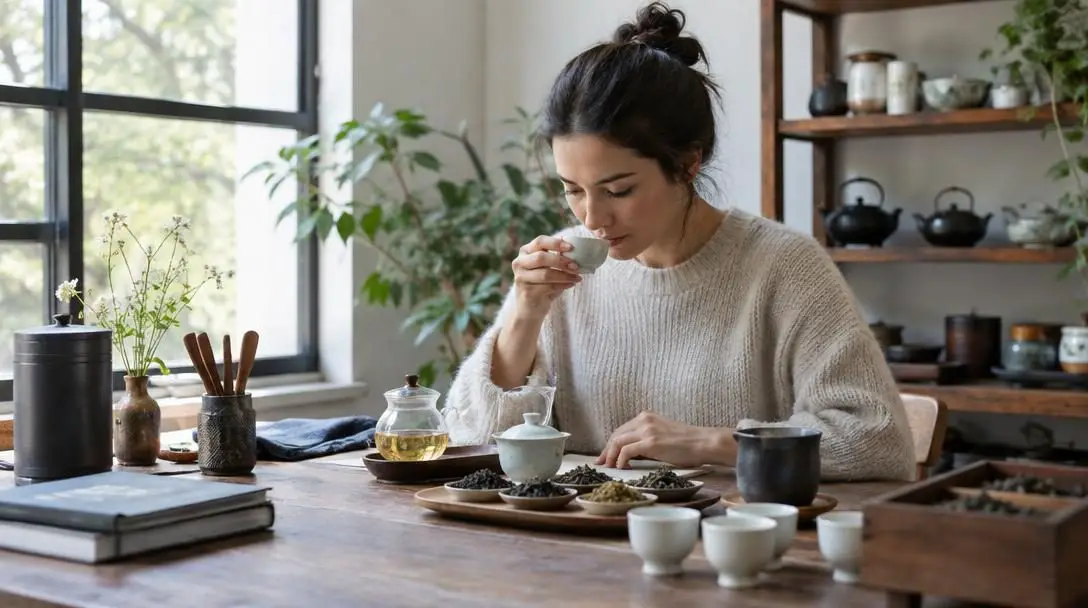
No matter what hobby or interest a person takes up, slipping into snobbery is remarkably easy. Whether the pursuit involves cinema, craft beer, or athletics, almost any activity that is widely enjoyed will eventually attract participants who turn up their noses and go out of their way to prove they possess superior knowledge. When it comes to everyday hot drinks, tea is not always seen as having a massive population of elitists, particularly in the United States where coffee culture dominates the public perception of beverage connoisseurship. Snobbery around tea is more commonly perceived as a phenomenon centered in the United Kingdom, yet dedicated purists can be found everywhere.
Many daily drinkers slide into these rigid habits without ever realizing it. The boundary separating the innocent appreciation of a soothing cup from rigid, uncompromising elitism can be surprisingly thin. What often begins as a simple quest for higher quality leaves, better brewing equipment, or a calming morning routine can slowly transform into dogmatic opinions, strict rules, and judgmental attitudes toward how other people prepare and consume their beverages.
Key takeaways
- Tea snobbery often starts with an innocent pursuit of quality but gradually morphs into dogmatic opinions and elitist judgment of others.
- Purists reject microwave heating and added flavorings because they believe true appreciation requires uniform convection and unadorned plant chemistry.
- Hoarding tea tins purely for display treats a perishable pantry good like a vintage toy collection while letting leaves turn stale.
- Refining your tea experience does not require gatekeeping, traveling miles out of your way, or denouncing coffee culture.
The subtle transition from enthusiast to purist
Appreciating the nuances of tea is a natural evolution for anyone who enjoys a warm drink. When individuals begin paying closer attention to what they brew, they naturally become curious about leaf origins, proper steeping temperatures, and specialized ware. However, the transition into tea snobbery fundamentally changes your social interactions, shifting the focus away from personal pleasure and toward projecting an image of elevated taste. Rather than simply savoring a comforting mug, the emerging snob starts scrutinizing everyone else's cup, turning an accessible daily ritual into an exclusive hierarchy.
Personal enjoyment sometimes becomes secondary to being perceived as an uncompromising purist who refuses syrups, fruit blends, or sweeteners.
This mindset closely mirrors other subcultures where enthusiasts voluntarily place arbitrary limitations on their experience. Much like gamers who restrict themselves to brutal difficulty levels while lamenting modern conveniences, tea purists strip away conveniences and additives to demonstrate their commitment. Recognizing these behavioral shifts is the first step toward reclaiming genuine enjoyment without alienating friends, family, and coworkers.
At a glance: The five markers of tea snobbery
| Sign | Primary Behavior | Purist Rationalization | Social Reality |
|---|---|---|---|
| Scoffing at coffee | Lecturing others on bitterness, cost, and caffeine content | Viewing coffee as an unpalatable drink masked by sugar | Dismisses alternative preferences and limits casual social outings |
| Rejecting all flavorings | Refusing fruit infusions, sweet syrups, and botanical blends | Insisting that real tea requires only boiled water and raw leaf | Turns a subjective beverage into an exclusionary test of purity |
| Disdaining microwaves | Expressing extreme offense at microwave-heated water | Believing only kettle convection yields uniform extraction | Overreacts to a harmless everyday shortcut used for convenience |
| Having specific venues | Traveling excessive distances to order from one preferred counter | Prioritizing relationship loyalty and strict preparation standards | Wastes time and energy to maintain a rigid personal routine |
| Displaying tea tins | Treating unopened containers as shelf decor instead of food | Believing impressive packaging reflects elevated connoisseurship | Lets perishable leaves lose their freshness without ever drinking them |
The 5 signs you are becoming a tea snob
The progression from an everyday tea drinker to an uncompromising purist typically reveals itself through five identifiable behaviors. If you spot yourself practicing these habits, you may have already crossed into the territory of beverage elitism.
Sign 5: Scoffing at Coffee
One of the earliest and clearest indicators of tea snobbery is the complete denunciation of coffee and anyone who enjoys it. Rather than simply preferring tea, you find yourself delivering unsolicited lectures about how coffee packs far too much caffeine, costs an unreasonable amount of money, and carries a flavor profile so inherently harsh that consumers must drown it in heavy cream and sweeteners just to swallow it. A true tea snob rarely steps foot inside commercial coffee chains like Starbucks, frequently expressing visceral disgust at the mere sight of their storefronts or their patrons.
Sign 4: Believing Flavors Are for Noobs
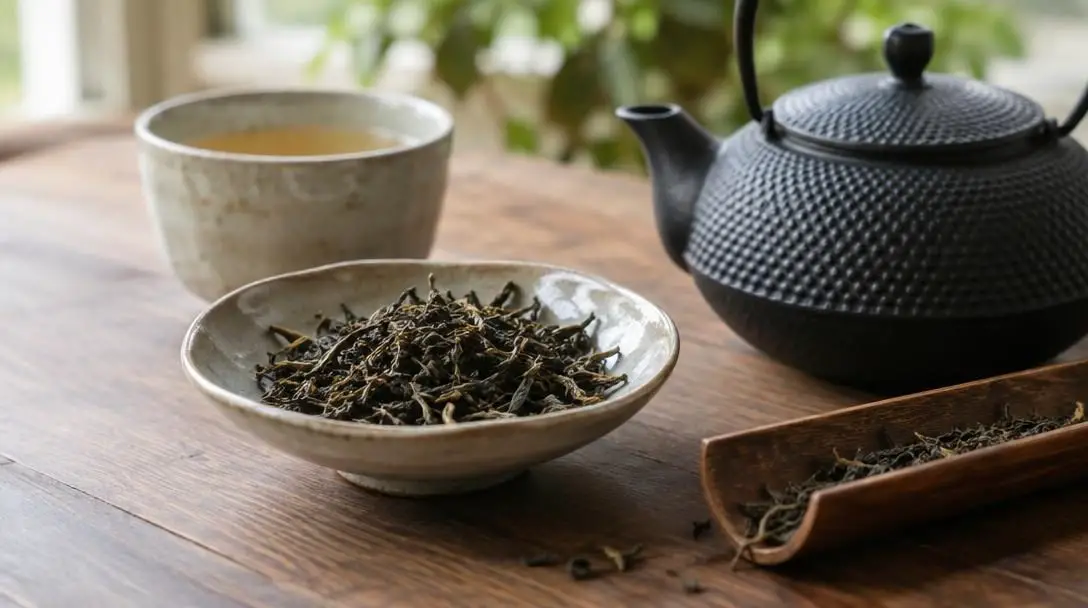
In many niche hobbies, status is earned by rejecting modern comforts, and tea purism follows this exact trajectory. To an emerging tea elitist, an authentic brew must contain nothing beyond pure water and unprocessed leaves from the Camellia sinensis plant. Fruit pieces, scented oils, floral blends, and syrups are dismissed as training wheels intended solely for beginners who lack the refined palate needed to handle raw tea. The pursuit of personal enjoyment is often replaced by an obsession with being seen as a purist who refuses any exterior assistance.
Sign 3: Complete Disdain for the Microwave
Casual tea drinkers frequently turn to the microwave when they need hot water quickly and without fuss. To an entrenched tea snob, however, the mere suggestion of heating water in a microwave is treated like a personal insult against their family. You will never catch an elitist preparing a cup without their dedicated kettle, which they view as the only acceptable tool for the job. To someone who has adopted this attitude, the idea of surviving in a kitchen without a kettle is completely unimaginable.
Sign 2: You Have Highly Specific Spots
While an ordinary consumer is pleased to grab a hot beverage from any convenient nearby counter, the tea snob insists on visiting a single, designated venue. It makes no difference if that specific shop requires traveling eight miles out of the way or whether an objective blind tasting would prove it superior. What matters is that it is your chosen counter, where the staff recognizes your face and knows your exact order without you having to ask. Furthermore, your internal map of preferred locations extends well beyond your home territory; you are the person who eagerly recommends a specific, tucked-away tea spot in Des Moines, Iowa, even when conversing with someone who has no connection to the city.
Sign 1: You Display Your Teas Like Artifacts
The ultimate sign of tea snobbery is curating a domestic museum of tea containers that sit on prominent display rather than inside a working pantry. You may have zero intention of ever boiling water to brew these leaves, but you refuse to let the ornate tins and elegant packaging hide away in a dark cupboard. At this stage, you have transformed into the tea world's equivalent of a collector hoarding unopened action figures or vintage toys. While these tins will never appreciate in financial value—resembling the speculative Beanie Baby craze far more than rare art—they remain proudly showcased purely to signal your connoisseur status to visitors.
The science behind tea preparation and flavor perception
To understand why tea purists develop such intense rules around their daily routine, it helps to examine the physical and chemical mechanics that govern brewing. During the preparation process, water acts as a universal solvent responsible for drawing volatile aromatics, tannins, and caffeine out of dried plant material. How heat transfers through that water dramatically impacts the rate and quality of extraction.
A standard stovetop or electric kettle warms water from the base upward. Because warm fluid naturally expands and rises while cooler fluid sinks, this thermal difference generates convection currents that circulate continuously throughout the chamber. This continuous circulation produces an even, predictable temperature throughout the entire volume of water, ensuring that every leaf receives consistent thermal energy when steeped. In contrast, microwave ovens warm liquid through standing electromagnetic waves. These waves interact unevenly with water molecules, creating distinct pockets of hot and cold liquid inside a single mug. When leaves are submerged in water with uneven thermal distribution, extraction becomes irregular, pulling harsh compounds from one section while under-extracting another.
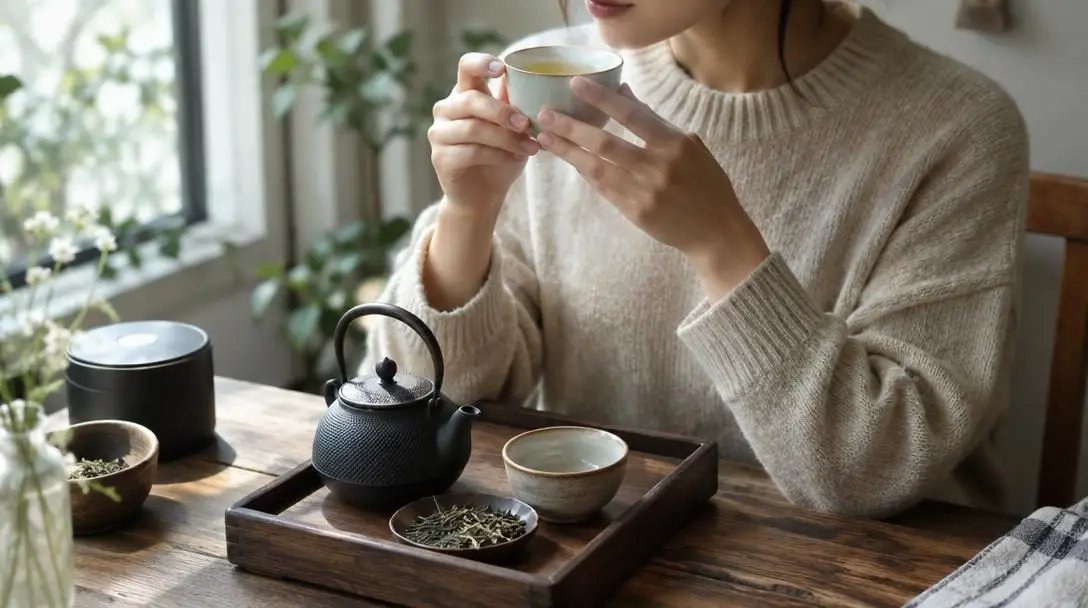
Flavor perception in pure tea relies on natural chemical constituents embedded within the leaves, most notably polyphenols and amino acids. Polyphenols contribute astringency, body, and structure, while amino acids provide sweetness and savory depth. Purists resist exterior flavorings—such as artificial extracts, sweet syrups, or heavy botanical oils—because those added compounds dominate the olfactory receptors. When a beverage features aggressive artificial additives, the palate registers the added flavorings first, masking the delicate natural balance of the leaf underneath. For someone pursuing raw leaf evaluation, removing additives forces the senses to interact directly with the unadorned plant chemistry.
How to refine your tea habits without the snobbery
You do not need to abandon high preparation standards or return to low-grade teabags to avoid being an elitist. It is entirely possible to pursue quality, utilize proper equipment, and explore fine tea while maintaining a generous and welcoming attitude toward others.
- Use a dedicated kettle for consistent heating: Rely on an electric or stovetop kettle to heat your water evenly from the bottom up, avoiding the erratic thermal pockets caused by microwave radiation while ensuring repeatable brewing temperatures.
- Explore unflavored leaves at your own pace: Sample single-origin leaves to learn how polyphenols and amino acids shape natural flavor profiles, but never force yourself to drink bitter brews solely to cultivate an aura of purity.
- Respect different beverage preferences: Acknowledge that coffee drinkers appreciate their beverages for unique roast notes, specific caffeine yields, and distinct cultural traditions, and refrain from criticizing their spending habits or preferred additives.
- Support independent local shops constructively: Celebrate your favorite neighborhood venue and enjoy having baristas who know your order, while remaining open to visiting convenient commercial chains when traveling or socializing with groups.
- Drink what you buy instead of letting it sit: Keep your inventory focused on active consumption rather than aesthetic shelf curation, remembering that tea is meant to be tasted fresh rather than displayed like rare memorabilia.
Common mistakes passionate enthusiasts make
As you deepen your knowledge of tea brewing, certain behavioral traps can strain friendships and spoil your own drinking experience. Keep an eye out for these frequent missteps:
- Judging someone else's preparation method: Becoming visibly upset when a family member, friend, or coworker uses a microwave to heat their water creates needless friction over an ordinary convenience.
- Hoarding teas for appearance: Stacking decorative tins across living room shelves to look knowledgeable prevents the tea from being consumed while its aromatic oils and delicate compounds are still fresh.
- Gatekeeping tea flavor choices: Dismissing someone as a beginner or an amateur because they enjoy fruit blends, holiday spices, or honey overlooks the fact that personal taste is inherently subjective.
- Traveling excessively for routine drinks: Driving miles out of your way just to order from a specific counter can waste valuable time when the motivation stems more from personal identity than beverage quality.
- Dismissing entire categories of drinks: Writing off all coffee shops or commercial outlets limits your social flexibility and makes simple group outings unnecessarily stressful.
Frequently asked questions
Why do tea purists refuse to heat water in the microwave?
Purists avoid the microwave because electromagnetic waves heat liquid unevenly, creating hot and cold spots throughout the cup. By comparison, a kettle heats water from the bottom, generating convection currents that circulate the fluid to produce a uniform temperature essential for consistent extraction.
Is it bad to drink tea blends that contain added fruit or sweeteners?
No, enjoying flavored teas or sweetened blends is completely a matter of personal preference. While purists avoid these additions because heavy flavorings mask the leaf's natural polyphenols and amino acids, there is nothing wrong with drinking what tastes good to you.
Why shouldn't I keep vintage or pretty tea tins displayed on shelves?
Keeping attractive tins on display is harmless as long as the tea inside is actually consumed. The problem arises when enthusiasts treat tea like collector toys, letting the leaves sit indefinitely on display until they go stale and lose their flavor characteristics.
Can you appreciate high-quality tea without becoming elitist?
Yes, genuine appreciation focuses on your own personal enjoyment and curiosity about different leaf profiles. You can use great equipment and brew high-grade teas without lecturing coffee drinkers, criticizing microwave users, or judging how other people take their tea.
Why do tea snobs react so negatively toward coffee?
Tea snobs often define their beverage identity in direct opposition to coffee culture, critiquing coffee for having excessive caffeine, costing too much, or having a bitter profile that requires cream and sugar to mask.
The bottom line
The boundary between passionate appreciation and exhausting snobbery comes down to motivation. True enjoyment is centered on curiosity, sensory pleasure, and the calming daily ritual of preparing a warm cup. In contrast, snobbery turns an accessible pleasure into a tool for social signaling, where rules, equipment, and strict purism take precedence over actual hospitality and personal taste.
If you recognize some of these snobbish behaviors in your own routine, take a practical step backward. Walk over to your pantry shelves, open up those decorative tins that have sat untouched for months, and brew a pot to share with the people around you. Knowledge and technique are most valuable when they are used to make tea more approachable and welcoming, rather than using them to shut others out.