5 Straight-to-DVD Movies That Ended Up Being Classics
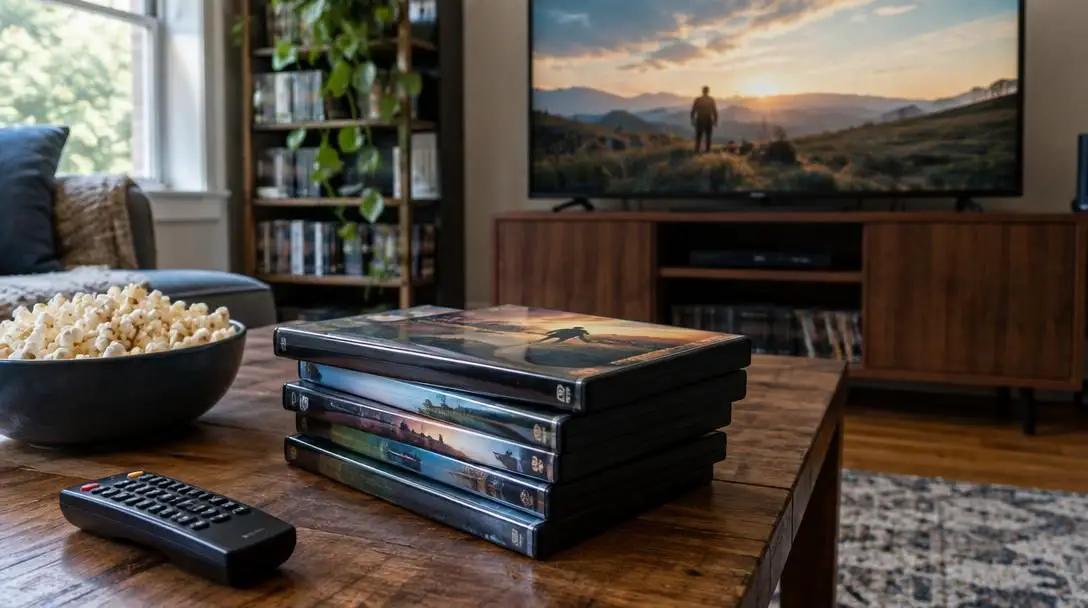
For decades, moviegoers have held a general assumption that films bypassing traditional cinema screens are inherently inferior in quality. The standard theatrical model dictated that high-profile blockbusters and prestigious award contenders claimed grand nationwide rollouts, while low-budget efforts or failed productions were relegated directly to home video shelves. In the pre-streaming era, rental stores like Blockbuster and neighborhood video shops were stocked with hundreds of titles that never made it to a silver screen, reinforcing the widespread stigma of direct-to-tape and straight-to-DVD releases.
Yet a straight-to-DVD label was never an absolute verdict on a film's creative ambition or artistic value. Sudden geopolitical controversies, studio budget constraints, editorial battles, and calculated corporate distribution strategies frequently diverted worthwhile productions away from multiplexes. Through dedicated word of mouth, home video rental spikes, and passionate physical media collectors, a select group of non-theatrical films defied the odds to become enduring, critically admired cult classics.
Key takeaways
- Bypassing theaters did not automatically reflect poor quality, as studio marketing limits, creative disputes, and unexpected real-world events often forced direct-to-video pivots.
- Rental powerhouse chains like Blockbuster exerted massive commercial influence, capable of turning narrow or canceled theatrical releases into profitable sensations.
- Franchise follow-ups, cult sketch comedy spin-offs, and animated features frequently discovered their most receptive, loyal fanbases outside the traditional box office.
- Physical media ownership remains an essential pathway for discovering and preserving overlooked films that are absent from contemporary on-demand streaming platforms.
At a glance: five non-theatrical releases that found enduring acclaim
The path from a missed theatrical release to cult classic status varied widely depending on production circumstances, distribution roadblocks, and the nature of the movie itself. The following overview highlights the key elements behind each film's unconventional route to home video success.
| Movie Title | Key Talent | Original Roadblock | Path to Classic Status |
|---|---|---|---|
| The Interview | Seth Rogen, James Franco, Randall Park | Geopolitical crisis and threats of international retaliation | Immediate home-video and digital platform demand |
| The Boondock Saints | Willem Dafoe, Norman Reedus, Sean Patrick Flanery | Limited release across only five theatrical screens | Massive rental campaign driven by Blockbuster stores |
| Tremors II: Aftershocks | Earl Bassett, Dr. Kate Reilly | Direct-to-video franchise sequel budgeting | Praise for inventive creature evolution and strong narrative pacing |
| An Extremely Goofy Movie | Goofy, Max | Direct-to-home-video studio strategy | Nostalgic appeal, vibrant animation, and a standout musical soundtrack |
| Run Ronnie Run | David Cross, Bob Odenkirk, Ben Stiller, Jack Black | Studio interference and severe distribution delays | Underground comedy appreciation and retrospective acclaim |
Five straight-to-DVD movies that earned cult status
These five distinctive releases show that an unconventional distribution timeline cannot extinguish a film's potential when strong writing, energetic performances, and enthusiastic audiences align.
The Interview
- Lead actors: Seth Rogen, James Franco
- Antagonist role: Randall Park as Kim Jong-un
- Screenwriter: Dan Sterling
Unlike many movies that were conceived specifically for the home market, The Interview was originally engineered as a high-profile theatrical comedy before external geopolitical fallout intervened. The plot follows two best friends and media figures who land an extraordinary journalistic opportunity to travel overseas and interview North Korean leader Kim Jong-un, played by Randall Park. Anticipation was high and the comedy drew solid praise from viewers, but international tensions escalated rapidly when the North Korean government discovered the film's premise.
North Korean officials went so far as to classify the satirical production as an outright act of war, openly threatening attacks against the United States if the movie was distributed to theaters. Faced with mounting threats and serious security considerations, screenwriter Dan Sterling affirmed that nobody should suffer physical harm over a comedic movie. The planned wide theatrical rollout was consequently canceled. Following several months of delay, the film arrived on DVD and digital channels, bypassing theaters entirely and allowing curious audiences nationwide to enjoy the high-concept satire safely from home.
The Boondock Saints

- Director: Troy Duffy
- Production budget: $6 million
- Original theatrical run: 5 theaters
- Key cast: Willem Dafoe, Norman Reedus, Sean Patrick Flanery, Billy Connolly
Long before Norman Reedus earned widespread fame for his role on The Walking Dead, his acting career received its breakthrough catalyst in Troy Duffy's 1999 crime picture, The Boondock Saints. Made for a lean $6 million, the Boston-set thriller chronicles two Irish-American brothers who wage a violent, gun-fueled crusade against organized crime syndicates. Willem Dafoe led the cast with top billing, supported by Reedus, Sean Patrick Flanery, and Billy Connolly, delivering stylized action sequences punctuated by intense character interactions.
Despite boasting a recognizable ensemble cast, the film arrived with almost no theatrical footprint, screening in a mere five theaters across the country. Its fortunes transformed entirely when the Blockbuster video rental chain identified the film's commercial potential. Blockbuster threw its promotional weight behind the project, heavily featuring it across store displays. A massive wave of home rentals quickly recuperated the production costs, made the venture profitable, and transformed the overlooked action flick into a defining staple of late-1990s cult cinema.

Tremors II: Aftershocks

- Franchise context: Direct sequel to the original cult monster film
- Key characters: Earl Bassett, Dr. Kate Reilly
- Primary setting: Mexican oilfield
Following up on the success of an acclaimed original creature feature is a notoriously challenging creative task, particularly when shifting from a theatrical canvas to a direct-to-video budget. Tremors II: Aftershocks met the challenge by delivering one of the most widely celebrated non-theatrical sequels in the monster movie genre. The narrative welcomes back original hero Earl Bassett, who accepts a lucrative financial contract to travel down to an oilfield in Mexico and clear out an infestation of deadly, subterranean worm-like beasts known as graboids.
Working alongside geologist Dr. Kate Reilly, with whom he builds a romantic connection, Earl finds himself outmatched when the creatures undergo a startling physical evolution. Shedding their underground constraints, the graboids mutate into lethal bipedal predators capable of walking on two legs and tracking human prey using thermal vision. Balancing tongue-in-cheek humor, resourceful survival sequences, and clever creature lore, the film proved that lower-budget sequels could sustain high production entertainment value without diminishing a beloved franchise.
An Extremely Goofy Movie

- Release year: 2000
- Distributor: Walt Disney Home Video
- Central characters: Goofy, Max
Arriving at the turn of the century from Walt Disney Home Video, An Extremely Goofy Movie became a defining animated experience for a generation of viewers who grew up during the 1990s. The story revolves around the beloved Disney character Goofy and his son, Max, as both navigate a complicated transition when Max heads off to college. In an unexpected comedic twist, Goofy decides to enroll at the very same university, igniting severe social friction, awkward public embarrassments, and generational disputes between father and son.
As the narrative progresses through campus rivalries, extreme sports competitions, and painful miscommunications, the two eventually work through their differences to build a deeper, more mature family relationship. With its fluid character animation, dynamic physical humor, touching emotional core, and memorable period soundtrack, the film bypassed cinema screens entirely yet secured an unshakeable place within the Disney animation canon.
Run Ronnie Run

- Origins: Spin-off of HBO's sketch comedy series Mr. Show
- Release delay: Completed nearly two years prior to 2003 release
- Cast members: David Cross, Bob Odenkirk, Ben Stiller, Jack Black
Emerging as a feature-length spin-off of the groundbreaking HBO sketch comedy series Mr. Show, Run Ronnie Run remains an essential viewing experience for alternative comedy enthusiasts. The production gathered an exceptional stable of comedic talent, starring David Cross alongside Bob Odenkirk—who later earned international stardom on Better Call Saul—with guest appearances from Ben Stiller and Jack Black. The movie wrapped filming nearly two years before its eventual 2003 distribution date, languishing behind the scenes as it struggled to secure theatrical footing.
Much of the delay stemmed from intense creative friction during post-production. Odenkirk publicly noted that distribution house New Line Cinema and director Troy Miller meddled heavily with the final editorial cut, compromising the project's distinct vision and dampening its chances for an organized cinematic release. When the film finally emerged straight to DVD, it gained widespread praise from comedy fans and critical reviewers, solidifying its reputation as a brilliant, offbeat underground favorite.
A straight-to-DVD designation did not always mean a movie lacked creative ambition or artistic integrity.
How the direct-to-video distribution system operated
Understanding how legitimate classics landed on retail shelves rather than multiplex screens requires an examination of the business economics governing film distribution. Under the traditional theatrical model, releasing a motion picture requires massive upfront capital known as prints and advertising costs. Studios must spend millions to strike physical film reels, ship them to exhibitors, and purchase extensive nationwide television, radio, and print advertisements to build opening-weekend awareness across thousands of screens.

If a studio determines that a movie targets a niche audience, explores unconventional subject matter, or carries a lower budget that cannot support high marketing overhead, skipping theaters becomes a calculated commercial strategy. By sidestepping theatrical exhibition, distributors entirely eliminated theater revenue splits and national advertising spends. Instead, they produced physical media units at scale and sold them at wholesale prices directly to rental chains, independent video stores, public libraries, and retail department stores.
Retail giants like Blockbuster played an indispensable gatekeeper role in this ecosystem. Securing a nationwide wholesale purchase order from a major rental outfit guaranteed hundreds of thousands of upfront unit sales, making a mid-budget or low-budget film instantly solvent. Once the primary rental window concluded, discount retail sales provided a long-tail revenue stream, giving smaller comedies, genre features, and animated titles a profitable life free from the harsh pressures of box office figures.
How to discover overlooked home-video classics
Uncovering exceptional straight-to-DVD releases among rows of forgotten physical media requires a trained eye. Film lovers looking to track down worthwhile hidden gems should apply a deliberate evaluation process to sort creative masterworks from disposable studio filler.
- Browse second-hand physical media outlets: Visit thrift stores, flea markets, garage sales, used media stores, and public library clearances where older DVD titles are frequently sold at minimal prices.
- Evaluate the creative pedigree: Read the cast and crew lists on the back cover to spot respected character actors, seasoned comedic veterans, and established genre directors taking on low-budget passion projects.
- Look for franchise spin-offs and sequels: Search for follow-ups to established film properties you already love, as these releases frequently retained professional craftspeople and solid production values.
- Consult physical media communities: Research cult film forums, retrospective review archives, and niche home video communities to see which non-theatrical titles have sustained strong reputations over decades.
- Inspect studio and distribution labels: Examine the distribution companies listed on the packaging to pinpoint independent or specialty labels known for curating strong genre and comedy portfolios.
Mistakes to avoid when judging straight-to-DVD movies
Bypassing non-theatrical releases due to outdated assumptions can cause movie fans to miss out on exceptional cinematic storytelling. Watch for these common misconceptions when evaluating older home video titles:
- Equating distribution format with quality: Assuming that the absence of a theatrical release automatically guarantees terrible acting, poor direction, or low production values.
- Confusing budget constraints with low creativity: Overlooking how financial limitations frequently forced filmmakers to rely on inventive scripts, practical effects, and tight character dynamics.
- Judging a movie by its cover packaging: Dismissing a project because of generic, hastily assembled DVD sleeve art that was produced by third-party distribution teams without filmmaker input.
- Ignoring external production conflicts: Forgetting that corporate studio interference, distribution disputes, or outside international crises regularly derailed theatrical plans for high-quality films.
- Demanding blockbuster visual spectacles: Expecting expensive computer-generated imagery rather than appreciating sharp dialogue, specialized genre craft, and focused storytelling.
Frequently asked questions
Why did The Interview skip its scheduled nationwide theatrical run?
The film's theatrical debut was canceled after the North Korean government condemned the satirical plot as an act of war and issued explicit threats of retaliation against the United States. To protect public safety, writer Dan Sterling and the studio opted to cancel the wide cinematic rollout, releasing the movie on DVD and digital platforms after a several-month delay.
How did The Boondock Saints become profitable despite playing in only five theaters?
The Blockbuster video rental chain aggressively promoted the movie across its thousands of storefronts. The immense volume of home video rentals generated enough revenue to easily offset the film's $6 million production budget, converting the under-screened picture into a lucrative cult hit.
What new elements were introduced in Tremors II: Aftershocks?
The sequel saw returning protagonist Earl Bassett take on graboids in an oilfield in Mexico, where he formed a romantic partnership with geologist Dr. Kate Reilly. The film also evolved the monsters into bipedal creatures that could walk upright on land and track human targets using heat-seeking thermal vision.
What caused the long distribution delay for Run Ronnie Run?
The production finished almost two years prior to its 2003 release but suffered from behind-the-scenes conflict. Co-star Bob Odenkirk noted that distributor New Line Cinema and director Troy Miller heavily interfered with the final edit, stalling its theatrical prospects before it was quietly issued on DVD.
Are straight-to-DVD releases identical to modern streaming original movies?
While modern streaming platforms have normalized direct-to-home film releases, the traditional direct-to-video market relied heavily on physical manufacturing, wholesale distribution agreements with rental outlets like Blockbuster, and secondary retail disc sales rather than digital subscription streaming.
The bottom line
The history of cinema is full of unconventional distribution trajectories. While theatrical box office figures often dominate industry discussions, home video channels provided a vital sanctuary for projects that faced insurmountable marketing costs, editorial controversies, or unpredictable historical events. Movies like The Boondock Saints and Tremors II: Aftershocks proved that a devoted audience will always discover and elevate an inventive story, regardless of whether it debuted on thousands of silver screens or on a rented video shelf.
As modern entertainment consumption shifts almost entirely to algorithm-driven streaming services, understanding the value of physical media preservation becomes increasingly important. Many celebrated straight-to-DVD titles, specialty spin-offs, and cult comedies remain absent from major digital libraries due to licensing conflicts or changing corporate priorities. Exploring used media bins, supporting physical disc archives, and looking beyond mainstream distribution labels ensures that these unconventional cinematic gems continue to find new generations of appreciative viewers.