5 Strategies To Accumulate The Highest Score In Scrabble
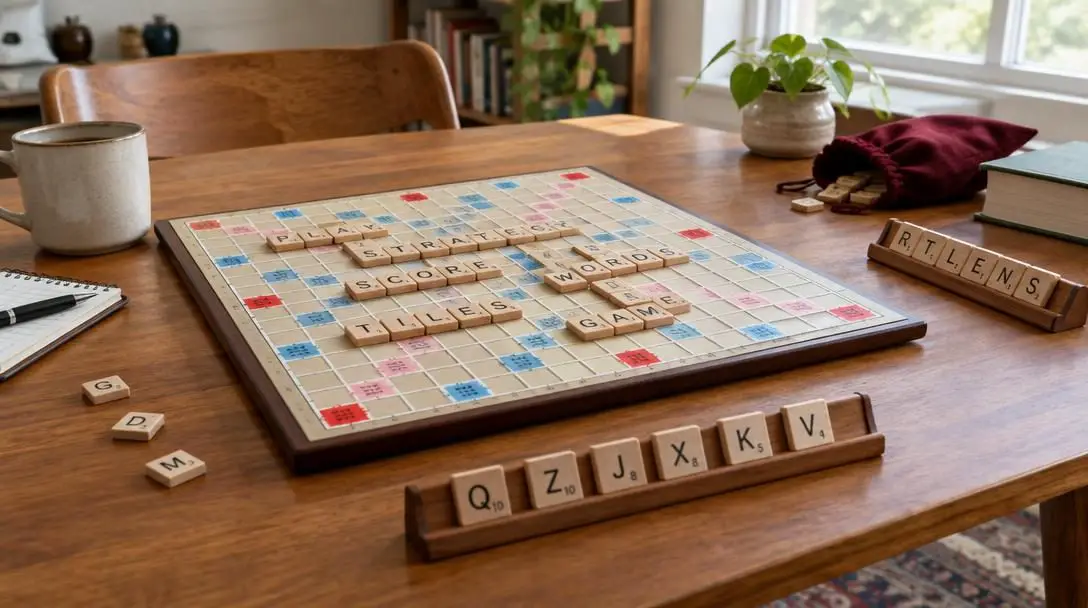
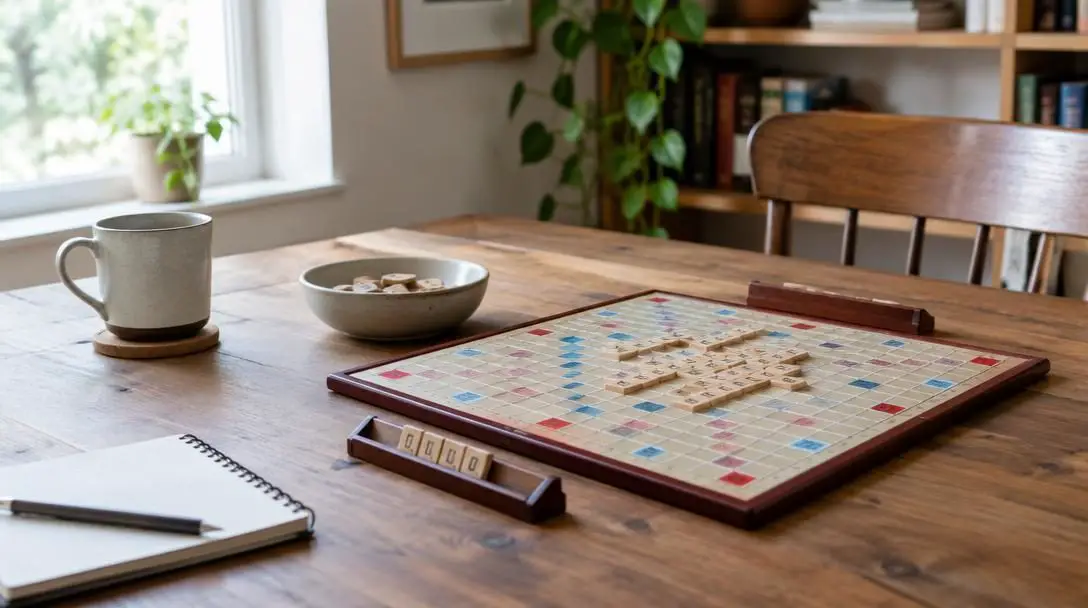
Scrabble has long stood as one of the most recognizable and widely played word board games in modern leisure. Enjoyed by players of all ages, it bridges the gap between casual family entertainment and serious competitive tournament play. At its core, the game challenges participants to form intersecting words crossword-style across a grid using letter tiles of varying point values. While an extensive vocabulary is undeniably helpful, triumph on the board relies heavily on deliberate strategy, tactical spatial awareness, and disciplined tile management.
Many novice players approach the game with the sole objective of spelling the longest word possible. However, seasoned competitors recognize that finding lengthy words does not automatically translate into a winning score. A modest four-letter word placed across high-value multiplier squares or hooked into multiple existing words can easily outscore an impressive seven-letter word played in an open, low-value section of the grid. Achieving high scores requires shifting your mindset from raw linguistic recall to strategic board positioning, mathematical calculation, and anticipating your opponent's future moves.
Key takeaways
- Scoring in Scrabble depends more on strategic board positioning and multiplier squares than merely finding the longest words.
- Hooks allow players to accumulate double points by modifying an existing word while simultaneously building an entirely new word outward.
- Maintaining an even balance of vowels and consonants on your rack prevents scoring droughts and costly stalled turns.
- Proactive tile organization and grouping letter clusters like prefixes and suffixes unlock high-value board placements.
- Defensive board management and knowing when to exchange unworkable tiles protect your lead throughout the game.
The Five Core Scoring Strategies
To consistently accumulate the highest score possible, players must develop deliberate habits that maximize point yield while actively restricting their opponents' scoring avenues. Rather than relying on lucky tile draws, winning competitors apply five core strategies to systematically unlock high-value opportunities on every turn.
| Strategy | Primary Objective | Key Tactical Benefit |
|---|---|---|
| Use Hooks to Your Advantage | Attach single letters to front or back of existing words | Scores points for both the altered word and the new intersecting word |
| Plan Ahead | Formulate plays during your opponent's turn | Eliminates rushed decisions and keeps multiple options ready |
| Keep Vowels and Consonants Balanced | Manage rack ratios when playing tiles | Prevents rack deadlocks and preserves flexible word construction |
| Use Common Letter Combinations | Cluster prefixes, suffixes, and blends on your rack | Accelerates pattern recognition across premium board lanes |
| Practice, Practice, Practice | Engage in regular matches against diverse opponents | Sharpens board intuition, hook spotting, and game flow awareness |
Use Hooks to Your Advantage
In Scrabble terminology, a hook refers to a single letter tile added to the front or back of an existing word on the board to form an entirely new, valid word. For instance, the existing word "BAT" can instantly be transformed into "BATH" by attaching an "H" to the end. The real power of hooks lies in how points are calculated: playing a hook allows you to score points for both the newly formed word and the new intersecting word that you build outward from that attached letter.
When you execute a hook, your turn total combines the cumulative score of the original word—including its newly attached tile—with the full point value of your new perpendicular play. By dropping just a small number of tiles, you can harvest massive point totals that often surpass what a longer standalone word would generate elsewhere on the board.
Plan Ahead
Scrabble is fundamentally a game of forward-looking strategy, making proactive planning essential for consistent performance. Strong players rarely wait until their turn begins to start analyzing their rack and the board. Instead, they continually assess their possibilities while their opponent is thinking through their own play. This forward-looking habit keeps you engaged and dramatically improves move quality.
Planning ahead involves continuously monitoring fresh openings on the board, anticipating how an opponent might respond to specific tile placements, and calculating whether opening particular lanes will benefit or endanger your standing. By predicting potential enemy moves and keeping multiple fallback options ready, you eliminate rushed, sub-optimal moves when the clock or your turn arrives.
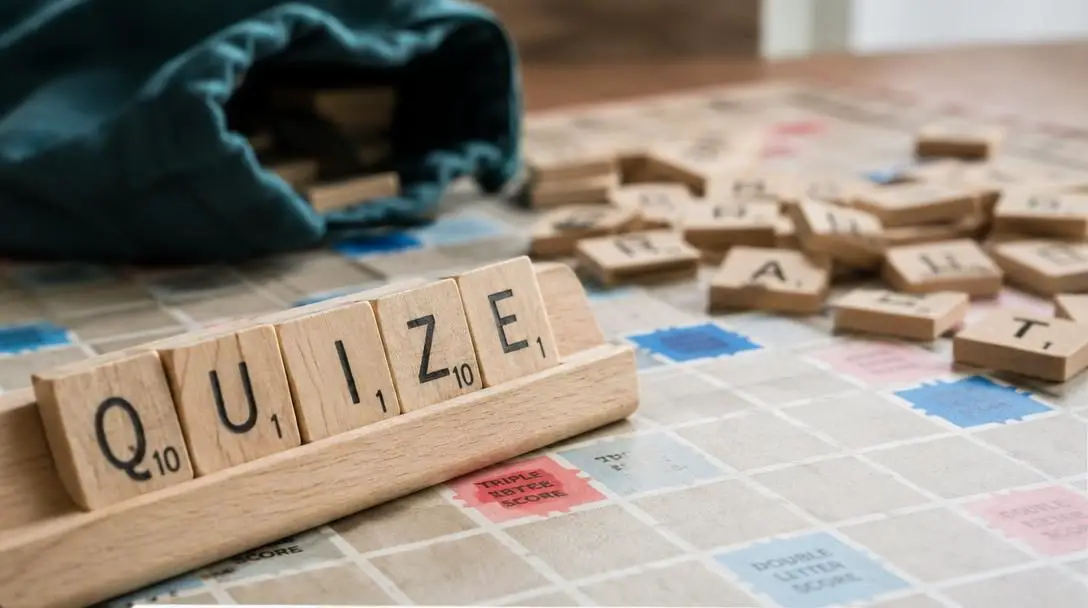
A modest four-letter word placed across high-value multiplier squares or hooked into multiple existing words can easily outscore an impressive seven-letter word played in an open, low-value section of the board.
Keep Your Vowels and Consonants Balanced
One of the most persistent pitfalls during a match is rack imbalance. If you accumulate an excess of vowels—such as holding multiple copies of A, E, I, O, and U—your capacity to construct high-scoring words drops dramatically. In the same way, sitting with a rack packed exclusively with consonants severely restricts what you can place on the grid.
Maintaining a balanced distribution between vowels and consonants ensures lasting flexibility across rounds. When your rack remains properly balanced, you retain a broad variety of potential words on every turn. This strategic freedom lets you hunt down high-scoring multiplier spaces rather than being forced to lay down whatever weak, defensive word your constricted rack permits.
Use Common Letter Combinations
Certain letter clusters appear with immense frequency throughout the English language, especially prefixes and suffixes such as "ing," "ed," "er," and "tion." Actively recognizing and mentally grouping these common combinations on your rack makes it significantly easier to construct words quickly. Rather than looking at your tiles as isolated letters, organizing them into functional clusters allows you to spot board openings instantly.
Grouping common combinations also trains your eye to bridge words across premium multiplier squares. Seeing an "ing" or "tion" ready to slide into an open lane helps you capitalize on double and triple word scores before your opponent can block or claim them.
Practice, Practice, Practice
Theoretical knowledge can only carry your game so far; true mastery demands regular repetition and direct experience. Playing matches against friends, family members, or online opponents exposes you to varied playstyles, unfamiliar vocabulary, and cramped board scenarios that cannot be simulated in theory alone.
Over time, dedicated practice sharpens your ability to identify hooks at a single glance, reinforces your intuition for rack balancing, and deepens your understanding of game tempo. The more board layouts you navigate, the more effortless your tactical calculations become.
A Step-by-Step Routine to Maximize Every Turn
Transforming strategic knowledge into high-scoring plays requires a methodical turn-by-turn workflow. By following a structured sequence of actions each time new tiles reach your rack, you can systematically identify the highest-scoring moves available.
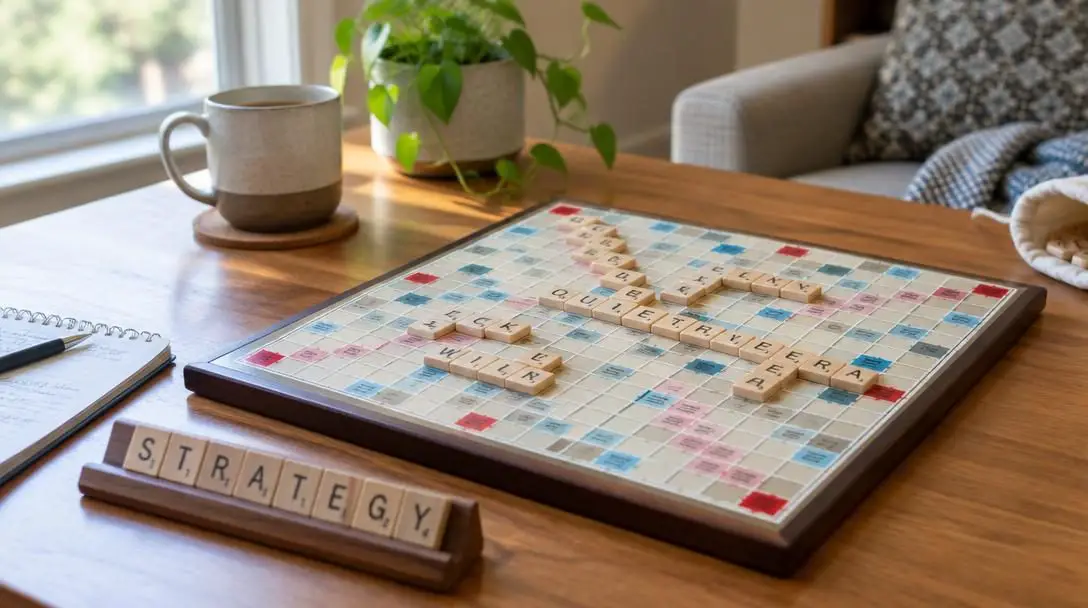
- Organize and re-sort your rack: As soon as you draw new tiles, begin shifting them physically. Group common letter combinations together, such as "ing," "ed," "er," or "tion." Visually separating your vowels and consonants helps you instantly recognize whether your rack is balanced or tilting toward an unworkable extreme.
- Scan the board for open hooks: Examine the words already resting on the board. Search for letters that readily welcome front or back hooks, such as plural markers, past-tense endings, or single-letter extensions like adding "H" to "BAT" to produce "BATH."
- Locate premium multiplier squares: Pinpoint accessible double letter, triple letter, double word, and triple word score spaces. Cross-reference these squares with the open hook spots you identified, as landing high-value letters on multiplier spaces remains the most dependable route to rapid score accumulation.
- Evaluate defensive implications: Before committing to a move, evaluate what new opportunities your word creates for your opponent. Placing a word directly adjacent to an open triple word score space might yield solid points now, but it could hand your opponent a game-winning play on the very next turn.
- Consider exchanging tiles when stuck: If your hand is hopelessly imbalanced—such as being swamped with vowels or lacking any playable consonant blends—do not hesitate to swap tiles. Sacrificing a single turn to refresh a dead rack often pays off in subsequent rounds by restoring your scoring capacity.
- Monitor the clock: When competing under a time limit, keep a careful watch on the clock. Avoid squandering excessive time hunting for a theoretical masterpiece; locate a strong, viable word that optimizes your points without triggering time penalties or rushed mistakes.
Frequent Tactical Errors to Avoid
Even seasoned word enthusiasts frequently fall victim to tactical mistakes that silently erode their scores. Eliminating these bad habits will produce an immediate lift in your competitive win rate.
- Tunnel vision on long words: Focusing exclusively on spelling long, impressive words often causes players to overlook shorter, far more lucrative plays. A compact four-letter word utilizing a hook or hitting a multiplier square routinely outscores a long word laid down across standard, unmultiplied board spaces.
- Ignoring rack balance after the play: Spending all your high-value consonants in a single turn without evaluating what remains can leave you with five or six vowels on your next turn. Sacrificing a few points today to retain a healthy vowel-consonant ratio tomorrow yields far higher cumulative scores over the course of the match.
- Neglecting board defense: Chasing raw points while ignoring board openings is a common blunder. Always check whether your play hands your opponent effortless access to open double word or triple word squares.
- Hesitating to swap unplayable tiles: Many casual players view tile exchanges as an admission of defeat, choosing instead to waste turns playing weak one- or two-point words just to dump letters. Swapping uncooperative tiles clears deadwood from your rack and instantly boosts your odds of forming premium combinations on following turns.
- Overthinking under timed conditions: When playing with a clock, spending too much time paralyzed by indecision leads to severe penalties or panicky plays at the buzzer. A reliable, quickly discovered play is far better than a frantic misplay made while racing the clock.
- Leaving tiles in static alphabetical order: Keeping your tiles frozen in alphabetical order stymies natural pattern recognition. Failing to physically rearrange your letters prevents your brain from spotting prefixes, suffixes, and productive word stems.
Advanced Techniques to Explore Next
Once you have incorporated hooks, rack balance, letter clustering, and defensive awareness into your regular matches, you can explore deeper tactical mechanics that define advanced play.
A natural next step is studying specialized word lists, starting with all valid two-letter and three-letter words. These concise words represent indispensable tools for executing parallel plays, slipping into narrow grid gaps, and maximizing scores when open space on the board becomes tight. Knowing every allowable two-letter combination ensures you can tuck words alongside existing plays, scoring points along both axes simultaneously.
Another powerful strategy to cultivate is end-game tile tracking. As a game nears its conclusion, the tile bag eventually runs empty. By mentally tracking which high-value letters have already landed on the board, you can deduce the exact contents of your opponent's rack. This knowledge enables you to block their remaining outs, guard vulnerable multiplier squares, and shut down the match with absolute mathematical precision.
Frequently asked questions
Is spelling long words the best way to win at Scrabble?
No. While long words are satisfying, they frequently score fewer points than shorter words placed on premium multiplier squares or connected to existing words via hooks. Success in Scrabble depends more on strategic board placement and point multipliers than word length alone.
What is a hook in Scrabble?
A hook is a single letter tile added to the beginning or end of a word already on the board to make a new valid word, such as adding "H" to "BAT" to create "BATH." The player scores points for the modified original word as well as the new intersecting word built outward from the hooked letter.
When should I consider exchanging my tiles?
You should consider exchanging tiles whenever your rack becomes severely imbalanced, such as holding nearly all vowels or all consonants with no viable scoring plays. Sacrificing one turn to draw a workable set of letters often yields much higher scores in following rounds than playing low-value throwaway words.
How can grouping letter combinations on my rack help my game?
Grouping common prefixes and suffixes, such as "ing," "ed," "er," and "tion," accelerates pattern recognition. It allows your brain to spot playable word stems quickly, plan moves across premium multiplier lanes, and avoid time-consuming indecision during your turn.
What should I do while my opponent is taking their turn?
Use your opponent's turn to plan ahead. Analyze board openings, calculate point values for multiple candidate moves, assess rack balance, and prepare fallback options so you are ready to play decisively as soon as your turn begins.
The bottom line
Accumulating top scores in Scrabble is not an accident of the draw or a test of dictionary memorization. It is the natural outcome of deliberate board positioning, calculated tile management, and attentive defense. By leveraging hooks, maintaining rack balance, grouping letter combinations, and planning every move while tracking multiplier squares, you can dramatically elevate your scoring potential.
Above all, remember that while sharp strategy and disciplined technique will help you accumulate the highest score possible, Scrabble remains first and foremost a game of shared enjoyment. Approaching every match as a welcoming opportunity to stretch your vocabulary, challenge your tactical mind, and spend quality time with opponents ensures that every session is rewarding, regardless of the final score on the tally sheet.