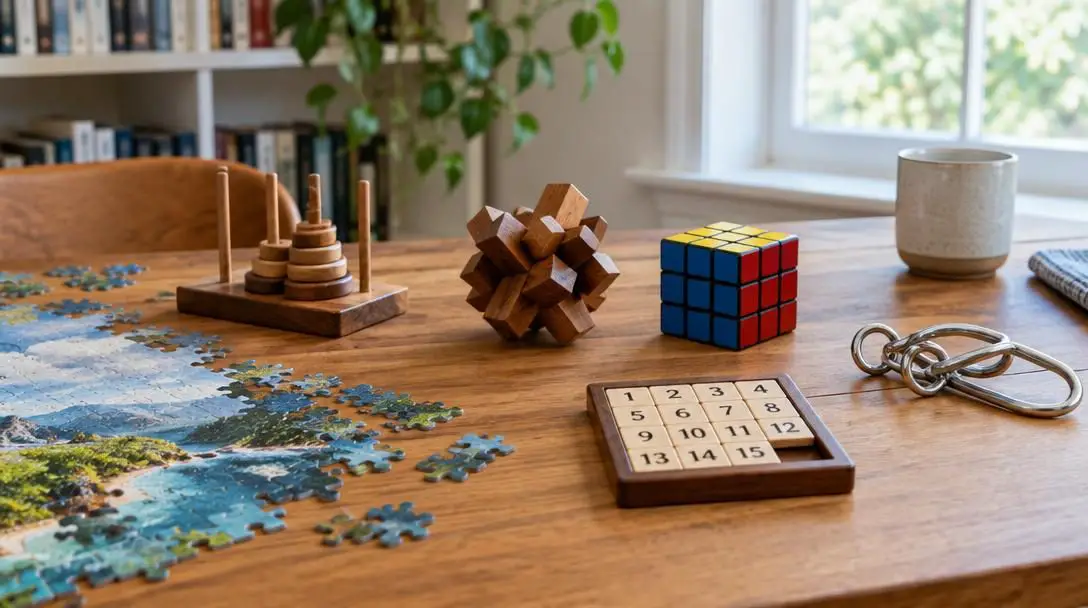
The Health Benefits of Doing Puzzles
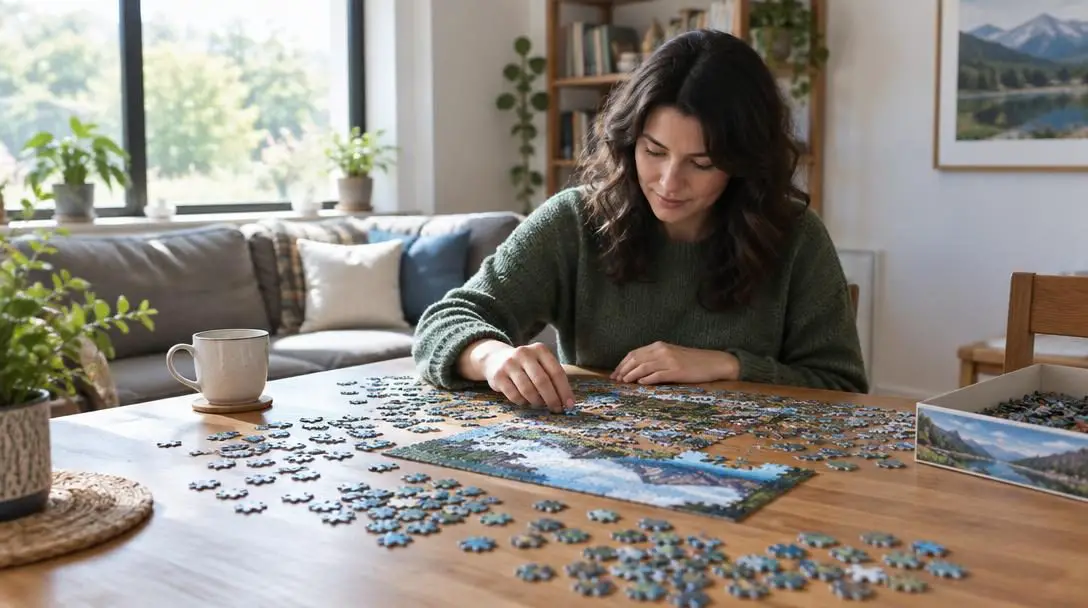
Puzzles have engaged people across diverse cultures and eras for centuries, serving as structured pastimes that challenge intellect, provide quiet contemplation, and break up the demands of everyday routines. While many individuals view these activities simply as casual games or solitary hobbies to pass an empty afternoon, their regular practice provides substantial mental, emotional, and physical rewards that extend far beyond simple leisure.
From tactile table games to grid-based word and number challenges, puzzles require the human brain to decipher clues, identify patterns, and navigate complex rules in ways that standard daily life rarely demands. Modern scientific investigation shows that routinely confronting these low-stakes challenges enhances mental acuity, lowers physiological stress markers, and offers vital defense against age-related cognitive decline.
Key takeaways
- Solving puzzles activates critical cognitive functions like memory recall, sustained attention, and analytical reasoning.
- The narrow focus required by puzzle solving triggers a calming, meditative response that lowers daily stress and anxiety.
- Successfully placing a piece or solving a clue releases dopamine in the brain, elevating overall mood and self-confidence.
- Engaging with puzzles regularly can delay age-related cognitive decline and reduce the risk of developing dementia and Alzheimer's disease.
Core Health and Cognitive Benefits of Solving Puzzles
Whenever you sit down to solve a puzzle, your brain initiates a dynamic sequence of analytical operations. Rather than functioning on passive autopilot, the mind must actively compare options, evaluate spatial or logical relationships, and formulate deliberate hypotheses. This regular mental exertion helps build and preserve core cognitive skills, directly strengthening working memory, extending attention spans, and refining everyday problem-solving faculties.
Beyond exercising logic, puzzles generate a profound calming effect on the nervous system. As you dedicate your visual and mental energy to a specific arrangement of pieces or clues, persistent daily worries fade into the background. This immersive focus anchors awareness firmly in the present moment, mirroring the therapeutic benefits of mindfulness meditation and helping individuals ease away from chronic tension.
Puzzles also provide a dependable biological boost to emotional health. The human brain operates on an internal reward architecture that responds eagerly to accomplishment. Each time a solver slots a challenging jigsaw segment into place or deduces a tricky answer, the brain releases a measured amount of dopamine. This neurotransmitter stimulates feelings of satisfaction, boosts self-confidence, and transforms an ordinary afternoon pastime into an uplifting emotional reset.
Popular Puzzle Varieties and How They Exercise the Mind
Puzzles appear in numerous formats, each engaging distinct cognitive pathways and sensory modalities. By alternating between visual, verbal, and numerical brainteasers, solvers can provide their brains with well-rounded stimulation while keeping their daily leisure routine fresh and engaging.
Jigsaw Puzzles
- Primary Focus: Visual scanning and spatial reasoning
- Format Type: Physical, tactile assembly
- Social Dynamic: Solo or collaborative group activity
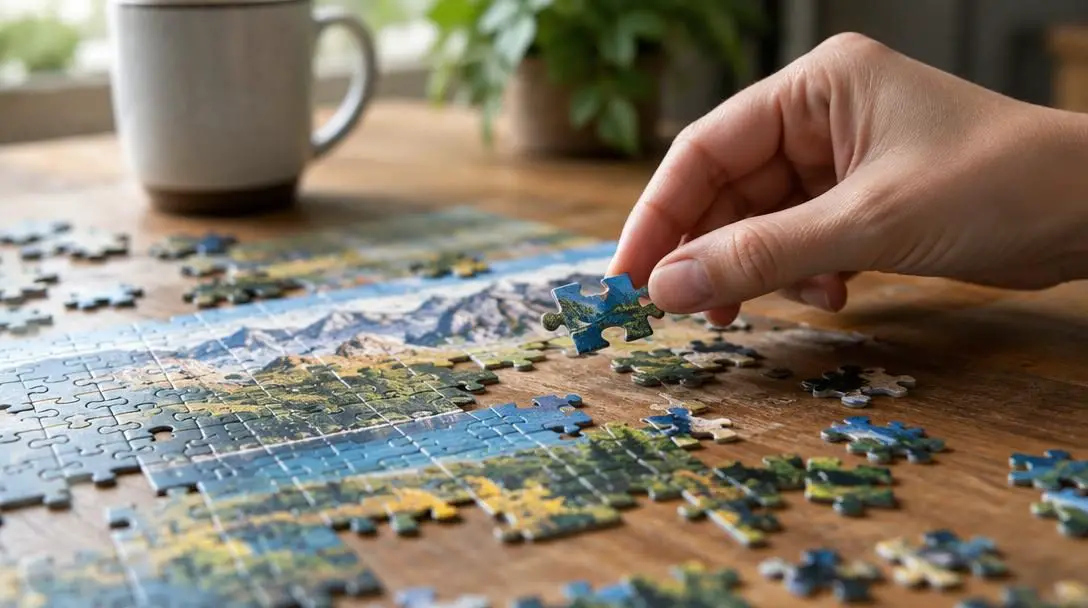
Jigsaw puzzles demand precise visual-spatial reasoning and patient physical manipulation. Solvers must analyze subtle variations in color, edge contours, line transitions, and surface textures to identify how isolated fragments unite into a coherent whole. The deliberate, hands-on nature of sorting through physical pieces creates a slow-paced, tactile experience that naturally slows breathing and reduces autonomic arousal.
Crossword Puzzles
- Primary Focus: Verbal reasoning and memory retrieval
- Format Type: Text-based grid deduction
- Social Dynamic: Solo solving or conversational teamwork
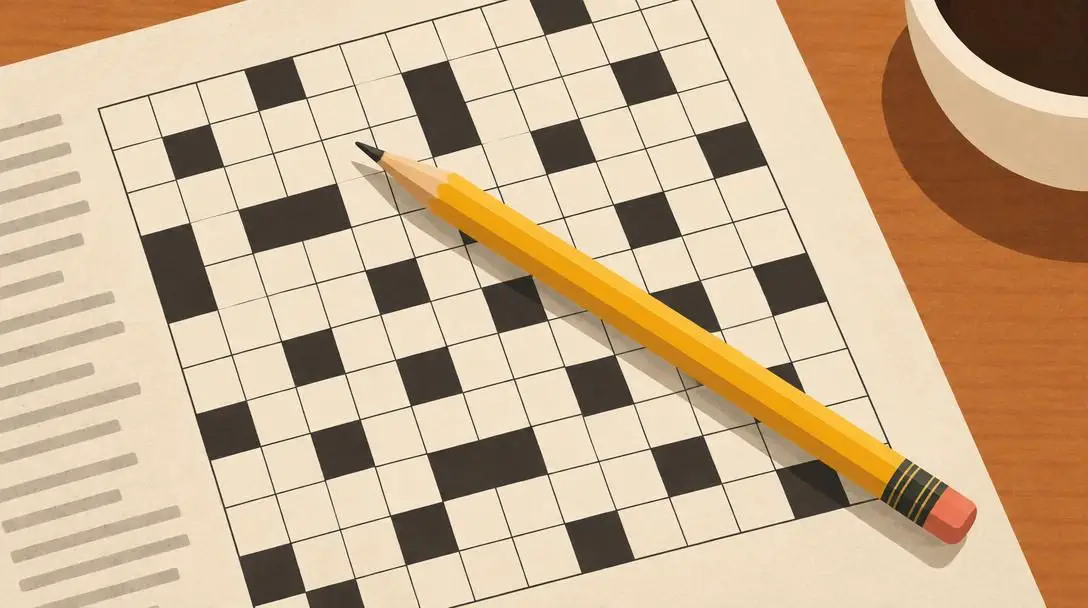
Crosswords engage linguistic networks, requiring solvers to search their long-term memory for synonyms, cultural knowledge, definitions, and wordplay. Working through a crossword grid requires fluid mental shifting: if one intersecting clue resists solution, the solver must use adjacent deductions to reveal individual letters. This continuous back-and-forth movement reinforces semantic associations and vocabulary retention.
Sudoku Puzzles
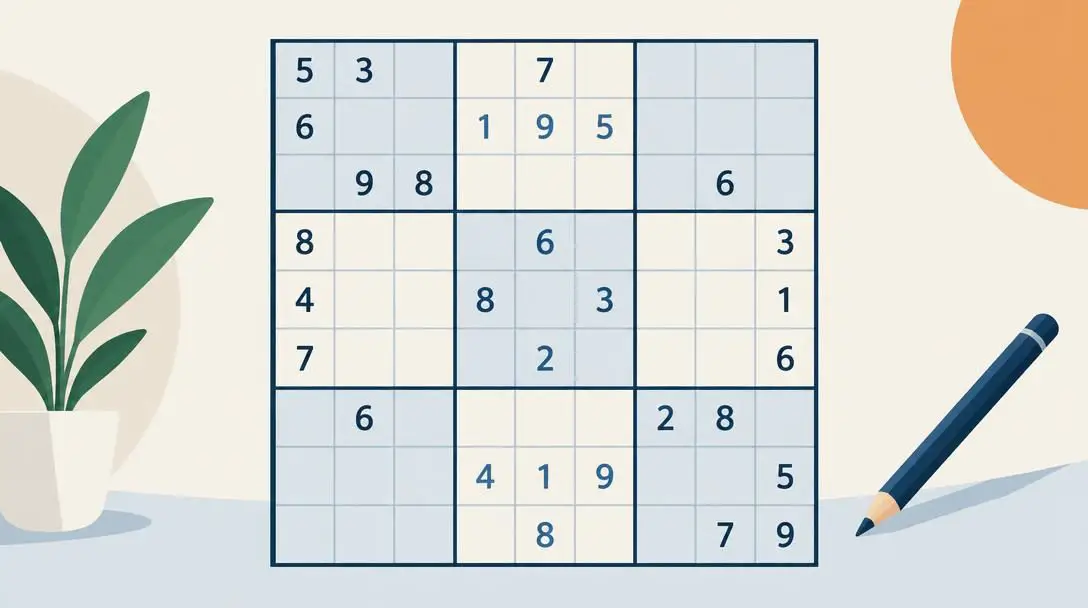
- Primary Focus: Numerical logic and systematic deduction
- Format Type: Grid-based numerical placement
- Social Dynamic: Typically solitary concentration
Sudoku relies entirely on systematic deduction and the rigorous application of elimination principles. Solvers do not need advanced mathematical knowledge to complete these number grids; instead, success hinges on identifying missing values across intersecting rows, columns, and sub-grids. This intense, structured analysis trains the brain to track multiple variables simultaneously without succumbing to cognitive fatigue.
| Puzzle Variety | Primary Mental Skill | Sensory Interaction | Best Environment |
|---|---|---|---|
| Jigsaw Puzzles | Spatial alignment and visual pattern recognition | Tactile handling and physical placement | Dedicated table with steady, bright lighting |
| Crossword Puzzles | Verbal recall and linguistic association | Written text, print books, or digital screens | Quiet morning settings or travel breaks |
| Sudoku Puzzles | Logical elimination and systematic deduction | Symbolic tracking on printed grids or devices | Focused solo sessions during work intervals |
The Neurological Mechanisms Behind Puzzle Solving
Understanding why puzzles produce such distinct physiological and psychological benefits requires examining what happens beneath the surface of the skull during a puzzle session. Passive leisure activities, like watching television or scrolling through social feeds, often induce a state of low-level mental drifting. Puzzles, in contrast, demand active participation and structured feedback loops.
When an individual evaluates an unsolved grid or an unsorted pile of puzzle fragments, the brain's prefrontal cortex works to formulate possible outcomes. Every piece tested and clue considered represents a conscious hypothesis. If an attempted solution fails, the brain adapts, adjusting its approach based on the new visual or structural evidence. This repetitive trial-and-error process strengthens neural flexibility and reinforces logical pathways.
A humble puzzle transforms simple leisure into active mental maintenance, offering a soothing refuge from daily stress while keeping cognitive faculties resilient.
At the same time, this focused analytical engagement suppresses the mind's default internal rumination. Chronic stress often stems from replaying past conflicts or worrying about future obligations. By tethering conscious attention to the clear, manageable objective of a puzzle, the mind enters a state of focused absorption. Heart rates moderate, muscle tension eases, and the nervous system shifts out of prolonged stress responses.
Long-Term Brain Health and Dementia Defense
While the immediate mood-boosting and calming effects of puzzles are enjoyable in the short term, their potential to safeguard long-term neurological health is perhaps their most vital attribute. As the human body ages, preserving cognitive clarity becomes a central component of overall vitality and independence.
Scientific research emphasizes that mentally demanding lifestyle activities build cognitive resilience over time. Specifically, an influential study published in the International Journal of Geriatric Psychiatry documented that older adults who routinely participate in cognitive pastimes—such as crossword puzzles, number games, and related brainteasers—exhibit a substantially reduced risk of developing dementia and Alzheimer's disease.
By continuously presenting novel configurations to the brain, puzzles encourage the maintenance of essential neural circuits. This ongoing mental effort helps postpone the onset of age-related cognitive decline, allowing older adults to maintain functional memory, sharper processing speeds, and sustained mental autonomy well into their later years.
Building Meaningful Social Connections Through Puzzling
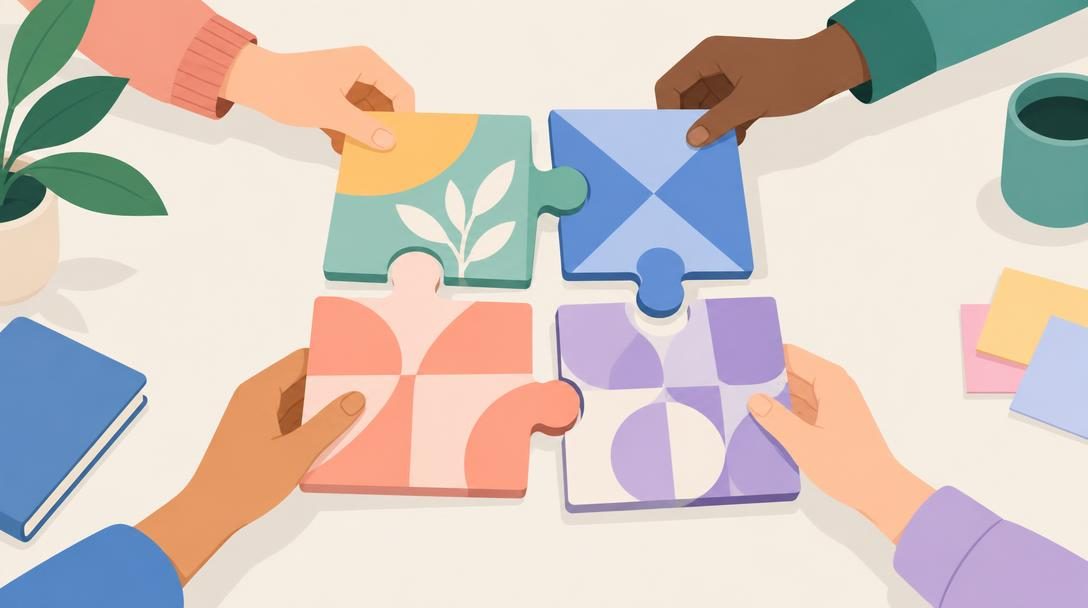
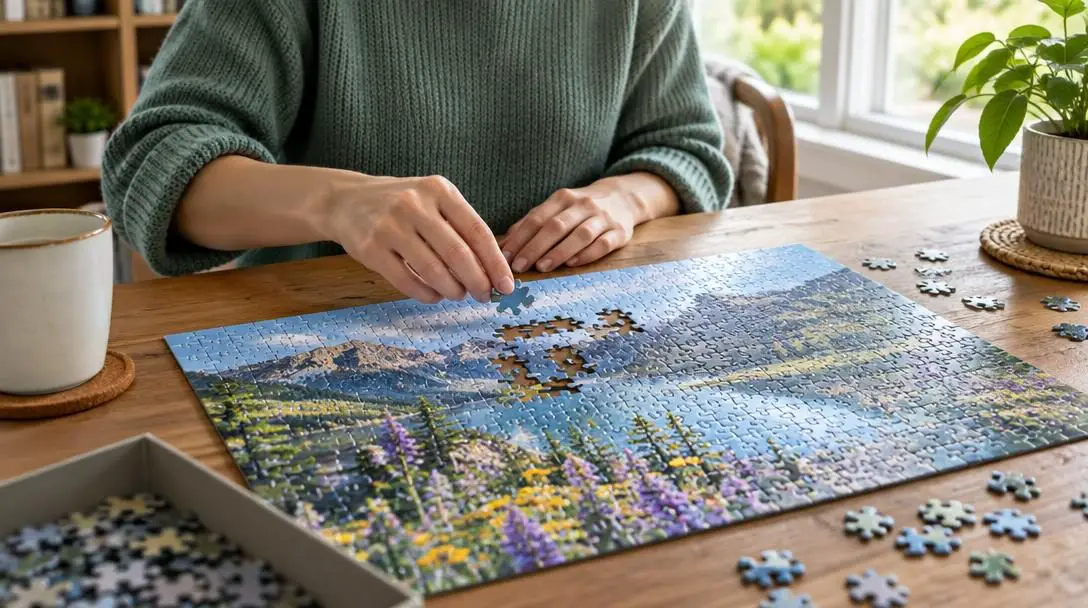
Although society frequently portrays puzzle solving as an introverted, solitary pastime, it serves as a remarkably natural vehicle for interpersonal connection and family bonding. Collaborative puzzle sessions remove the awkwardness of formal social settings, creating an unhurried, low-pressure atmosphere where conversation can unfold organically.
Working on a large jigsaw puzzle on a dining table or jointly solving a challenging crossword grid fosters direct communication and practical teamwork. Participants share ideas, divide tasks based on personal strengths, and celebrate collective breakthroughs together. This shared effort cultivates a genuine sense of camaraderie that unites friends, coworkers, and multi-generational family groups.
For older adults living alone or in community settings, shared puzzle solving provides double the benefits. It delivers the verified neurological advantages of cognitive stimulation while directly combating the emotional isolation that frequently impacts aging populations. Working together to complete a common project reinforces social belonging, sharpens social skills, and strengthens interpersonal relationships across generations.
Practical Steps to Build a Daily Puzzling Routine
Incorporating puzzles into a busy schedule does not require expensive supplies or massive blocks of free time. Taking small, deliberate actions helps anyone establish a sustainable, stress-free habit that supports daily health.
- Identify the puzzle format that naturally appeals to your personal interests, whether that means the visual sorting of jigsaws, the wordplay of crosswords, or the numerical order of Sudoku.
- Designate an organized, well-lit space in your home or office where puzzle supplies can remain undisturbed between sessions.
- Schedule a specific window of ten to twenty minutes each day—such as during your morning coffee or right after lunch—to focus on your chosen puzzle.
- Begin with accessible, beginner-friendly difficulty levels to build confidence and establish a steady rhythm before tackling advanced brainteasers.
- Keep portable puzzle books, physical boards, or puzzle cards near your regular relaxation spot so they remain more accessible than passive digital distractions.
- Invite friends, partners, or family members to contribute to the puzzle, turning solitary moments into collaborative bonding sessions.
Common Puzzling Mistakes to Avoid
While the positive aspects of puzzles are broad, adopting the wrong mindset or improper habits can undermine the restorative benefits these games offer. Staying aware of frequent pitfalls ensures that your puzzle time remains relaxing, productive, and physically comfortable.
- Tackling overly difficult puzzles too early: Leaping straight into expert-tier challenges without mastering fundamental patterns often generates intense frustration and mental fatigue instead of relaxation.
- Approaching puzzles as high-pressure competitions: Fixating on speed runs, strict completion timers, or comparisons with others ruins the calming, meditative qualities of the pastime.
- Working under poor physical conditions: Slouching over low tables or working under dim light causes neck stiffness, back pain, and eye strain, working directly against your physical well-being.
- Overlooking the collaborative potential: Treating every puzzle as a strictly individual challenge causes solvers to miss out on valuable social interactions and relationship-building opportunities.
- Using puzzles to avoid essential life obligations: Although short puzzle intervals replenish productivity, spending hours working on a puzzle to delay important responsibilities creates unnecessary personal stress.
Frequently asked questions
Can doing puzzles really help reduce everyday stress?
Yes. Focusing completely on finding a missing piece or solving an intricate clue distracts the mind from daily anxieties and stressful thoughts. This singular concentration produces a meditative state that slows racing thoughts, grounds attention in the present moment, and helps calm the physiological nervous system.
How do puzzles help protect the aging brain against cognitive decline?
Puzzles require the brain to actively retrieve information, identify visual or logical patterns, and test diverse hypotheses. Research published in the International Journal of Geriatric Psychiatry confirms that engaging routinely in these mentally challenging activities lowers the risk of developing dementia and Alzheimer's disease by keeping critical neural pathways active.
Why do people experience a mood boost after solving a puzzle?
Solving a puzzle triggers an internal sense of achievement that elevates personal self-confidence. On a neurological level, every correct deduction or placed piece prompts the brain to release dopamine, an organic neurotransmitter tied to pleasure, motivation, and positive reinforcement.
How can working on puzzles during a workday improve productivity?
Taking a temporary break from complex or frustrating job assignments to work on a puzzle gives your brain an opportunity to rest and reset. Shifting attention to a structured, low-stakes game relieves cognitive strain, allowing you to return to work projects with renewed focus and sharper concentration.
Is it better to do puzzles alone or with other people?
Both approaches offer substantial benefits. Working alone promotes deep concentration, independent problem-solving, and quiet stress relief. Conversely, completing puzzles with friends, children, or aging parents fosters collaboration, improves communication skills, and creates a sense of shared camaraderie.
The bottom line
Puzzles are far more than entertaining tools to pass the time; they are powerful, accessible instruments for comprehensive physical, mental, and social wellness. By challenging cognitive faculties, releasing mood-enhancing dopamine, and offering a restorative break from daily anxiety, puzzles provide tangible advantages for solvers of any age.
Whether you choose to dedicate twenty quiet minutes to a morning crossword, assemble an intricate jigsaw puzzle with your family, or work through a Sudoku grid during an afternoon work break, these classic pastimes offer a balanced, proven way to keep your brain sharp, your body relaxed, and your mind healthy for years to come.