5 Surprising Facts About Twitter

Every single day, hundreds of millions of people broadcast hundreds of millions of short updates across the globe. Some messages capture mundane everyday routines, like letting friends know what someone had for breakfast, while others serve as the immediate medium for breaking major global news stories. Over the course of its existence, Twitter has established itself as an essential public forum, while simultaneously serving as a polarized battleground for political debates, cultural movements, and social commentary.
The platform looked vastly different during its inception. In the early days of microblogging, the interface was stripped down, features were rudimentary, and community members treated the central feed as a personal digital status board. Over time, an influx of users and high-profile public figures transformed a modest tech startup experiment into a foundational piece of modern global communications infrastructure. Tracing the key milestones in the network's history reveals how grassroots conventions and product experiments reshaped the digital media landscape.
Key takeaways
- Co-founder Jack Dorsey published the world's very first tweet on March 21, 2006.
- Platform user Chris Messina originated the concept of grouping posts with the pound symbol in August 2007.
- The Library of Congress archived all public tweets between 2010 and the end of 2017 before moving to a selective model.
- Twitter previously owned and retired prominent video services, including the looping platform Vine and live-streamer Periscope.
- Severe violations of terms of service have resulted in permanent platform bans for high-profile figures across politics, entertainment, and sports.
At a glance: Five defining platform milestones
| Milestone | Key Date | Central Figures or Services | Platform Impact |
|---|---|---|---|
| The First Tweet | March 21, 2006 | Jack Dorsey | Initiated the microblogging timeline format that lasted over 16 years. |
| Hashtag Adoption | August 2007 | Chris Messina | Introduced community-driven topic grouping using the pound symbol. |
| National Archiving | 2010 to 2018 | Library of Congress | Preserved public posts as official historical and cultural records. |
| Multimedia Ventures | 2016 (Vine shut down) | Vine, Periscope | Pioneered short looping clips and live broadcasts before outside apps dominated. |
| High-Profile Bans | January 2021 | Donald Trump, Aubrey Huff | Demonstrated strict enforcement of service terms on influential accounts. |
5 surprising facts about Twitter
To understand how a basic microblogging utility grew into an influential communications network, it helps to examine the critical events, user innovations, and product decisions that guided its evolution.
The First Tweet
- Author: Jack Dorsey
- Date published: March 21, 2006
- Time sent: 3:50 PM Eastern
- Original text: "just setting up my twttr"
In a fast-paced technology ecosystem where web services frequently disappear within months, Twitter demonstrated unusual longevity by staying culturally relevant for more than 16 years. The service officially came to life on the afternoon of March 21, 2006, when company co-founder Jack Dorsey sent out a brief system dispatch at 3:50 PM Eastern time. His post read simply, "just setting up my twttr."
Dorsey's update used the project's original disemvoweled moniker, reflecting an era when SMS character limitations and early mobile web protocols dictated minimalist design. That single status message paved the way for an ongoing torrent of updates, establishing a short-form format that eventually reached hundreds of millions of users worldwide.
The Hashtag
- Originator: Chris Messina
- Date suggested: August 2007
- Original character: Pound sign (#)
- Primary function: Organizing posts into shared topic groups
Many modern web users assume that thematic tagging was an integrated feature built into the network from day one, but it was actually invented by the community itself. In August 2007, platform participant Chris Messina published an open question to his timeline: "How do you feel about using # (pound) for groups." His goal was to provide an effortless mechanism for aggregating disjointed posts about single subjects into unified, searchable streams.
The concept caught on rapidly among early adopters and was later adopted as an official navigational tool. Today, the pound symbol functions as a universal filing system for international news, entertainment releases, and social activism, appearing routinely in modern corporate advertising campaigns even more frequently than conventional business slogans.
The Library of Congress Archive

- Program launch: 2010
- Policy shift: January 1, 2018
- Initial scope: Every single public tweet
- Current approach: Selective preservation of culturally significant posts
By 2010, Twitter had developed from an informal status board into a significant global channel for civic engagement and breaking reports. Recognizing this cultural shift, the United States Library of Congress established a comprehensive archiving program designed to collect and preserve every public tweet sent on the service. The initiative treated the platform's collective timeline as a real-time historical record, automatically adding presidential communications, citizen dispatches, and public discourse to the national archives.
Maintaining a complete record of an expanding firehose of daily messages eventually proved impractical. On January 1, 2018, the Library of Congress concluded its exhaustive collection strategy and switched to a selective preservation model. This change allowed curators to focus their storage resources exclusively on culturally and historically significant material, creating a more cost-effective archival framework for future researchers.
What began as a simple status-updating tool quickly evolved into an indispensable real-time record of modern human history.
Vine and Periscope
- Vine shutdown: 2016
- Periscope competitor field: YouTube, Twitch
- Format style: Looping six-second clips and native live streaming
While microblogging formed the core of the service, Twitter spent years experimenting with adjacent multimedia formats. The company acquired and launched Vine, a dedicated short-form video platform that restricted clips to six looping seconds. Vine developed a dedicated creative community, generated enduring internet memes, and laid the direct conceptual groundwork for the format later popularized by platforms like TikTok. Despite that early creative momentum, Twitter cut the Vine service in 2016, walking away from a medium that would soon dominate digital media consumption.
A similar trajectory unfolded with live-streamed video. Twitter introduced Periscope to let users broadcast live, interactive mobile streams directly into the timeline. While Periscope provided immediate coverage of protests, political rallies, and personal broadcasts, it struggled to maintain a competitive advantage as powerful rivals like YouTube and Twitch cemented their positions in the streaming market.
High-Profile Permanent Account Bans
- Most prominent ban: Donald Trump (January 2021)
- Other notable bans: Azealia Banks, Tila Tequila, Martin Shkreli, Alex Jones, Aubrey Huff
- Grounds for removal: Severe and repeated terms of service violations
Personal account blocks between everyday users are routine, but receiving an outright permanent ban from the platform requires severe or repeated violations of network rules. Over the course of the platform's history, administrators have issued permanent suspensions against influential figures across the political and cultural spectrum. The most prominent enforcement action occurred following the events of January 6, 2021, when Twitter permanently suspended the personal account of then-president Donald Trump.
That high-profile expulsion was part of a broader history of disciplinary removals aimed at curbing harassment, platform abuse, and policy infractions. Other public figures who faced bans over the years include musician Azealia Banks, internet personality Tila Tequila, pharmaceutical executive Martin Shkreli, media figure Alex Jones, and former Major League Baseball star Aubrey Huff. These actions underscored that public visibility did not grant immunity from the platform's operational rules.
The mechanics behind the microblogging feed
The widespread influence of Twitter is driven by technical systems designed to distribute brief, time-sensitive updates to interconnected audiences. Understanding the core mechanics behind these updates clarifies how concise text posts trigger sweeping public conversations:
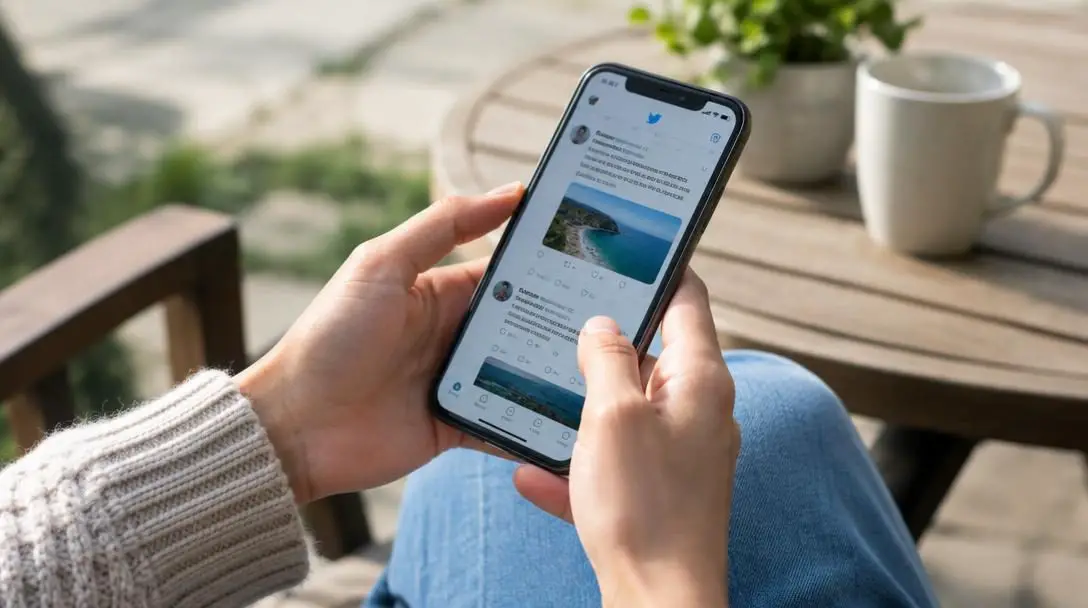
- Short updates and reverse-chronological distribution: From Dorsey's initial message, the service prioritized concise communication delivered directly to followers. This rapid-fire arrangement emphasizes immediacy, allowing breaking news events to travel across timelines faster than traditional publishing formats.
- Community indexing via the hashtag: Building on Messina's proposal, appending the pound symbol to a term automatically organizes disparate posts into shared topic indexes. This allows users to track ongoing public events, cultural discussions, and commercial campaigns across unaffiliated accounts.
- Public institutional archiving: Because government officials, world leaders, and public agencies adopted the network for primary announcements, public posts acquired status as official cultural documents. The preservation work by the Library of Congress highlighted that public microblogging functions as persistent historical documentation.
- Terms of service and content moderation: Operating a massive public square requires consistent governance. Twitter established terms of service that allow moderators to issue penalties, content warnings, and permanent bans when account holders engage in severe behavioral violations.
Navigating microblogging platforms effectively
Maintaining an active profile in a fast-paced, polarizing online space requires deliberate attention to communication habits. Applying straightforward best practices can improve your personal timeline and safeguard your digital presence.
- Apply descriptive topic tags with intention: Follow the original purpose of the pound symbol by tagging only direct keywords related to an established event or conversation. Avoid placing tags on every word, which clutters the visual layout of your message.
- Draft clear, concise core statements: Even as microblogging limits have evolved since the "just setting up my twttr" era, clarity remains essential. Place your central argument or piece of news at the very start of the post to capture readers scrolling through crowded feeds.
- Read and follow community conduct standards: Protect your account by familiarizing yourself with current platform rules regarding acceptable conduct and disruptive behavior. High-profile bans illustrate that disregard for service terms can result in permanent removal.
- Curate accounts to filter out hostility: Because open timelines can turn into combative political arenas, actively manage your following feed. Mute or unfollow hostile profiles, and prioritize accounts that share reliable reporting, constructive industry insights, or educational content.
Common mistakes to avoid in public feeds
Given the speed at which information spreads on public networks, small missteps can quickly create confusion or unwanted visibility. Everyday users should watch out for several frequent errors:
- Overusing hashtags: Cramming an update with excessive pound symbols reduces legibility and does little to increase audience interaction. Sticking to one or two relevant tags keeps updates focused.
- Treating public posts as private communications: Unless an account is explicitly locked down, updates are viewable by any visitor. The historical collection projects conducted by the Library of Congress demonstrate that public posts can be archived and referenced indefinitely.
- Assuming visibility grants policy immunity: A common misconception is that popularity protects an account holder from platform penalties. The suspensions of figures like Aubrey Huff, Martin Shkreli, and former heads of state prove that rules apply regardless of an account's prominence.
- Amplifying unverified breaking reports: During breaking news cycles, incomplete or inaccurate statements can spread across feeds within minutes. Sharing unvetted claims contributes to online confusion and fuels unnecessary public panic.
Digital permanence and the evolution of social formats
As social networks mature, the tools people use to communicate continue to adapt. Reflecting on past platform milestones reveals two critical lessons for anyone navigating modern digital spaces.
First, native multimedia features come and go quickly. The discontinuation of Vine in 2016 and the decline of Periscope in the face of dedicated competitors like YouTube, Twitch, and TikTok prove that social media companies frequently retire proprietary video experiments. Creators who invest time and effort into building an audience must remain mindful that native publishing formats can vanish when corporate priorities change.
Second, personal digital footprints often outlast the platforms where they originated. Even though the Library of Congress shifted to a selective archiving strategy to manage storage costs and emphasize cultural significance, public posts remain vulnerable to third-party archiving, automated screenshots, and rapid search engine indexing. Evaluating whether a post aligns with your long-term personal and professional standards before hitting send is the best way to safeguard your online reputation.
Frequently asked questions
What was the first tweet ever sent, and who posted it?
The first tweet was sent by co-founder Jack Dorsey on March 21, 2006, at 3:50 PM Eastern time. The message stated simply, "just setting up my twttr."
Who invented the hashtag on Twitter?
The hashtag was introduced by platform user Chris Messina in August 2007. He suggested using the pound sign (#) as an informal method for organizing related tweets into shared topic groups.
Does the Library of Congress still archive every single tweet?
No. While the Library of Congress collected every public tweet starting in 2010, it ended that comprehensive policy on January 1, 2018. It now preserves posts selectively based on cultural and historical significance.
Why did Twitter discontinue Vine and Periscope?
Twitter cut Vine in 2016 despite its massive popularity and influence on looping video formats. Periscope, the platform's live-streaming service, eventually fell behind dedicated video platforms like YouTube and Twitch.
Which prominent accounts have received permanent bans from Twitter?
Notable figures permanently suspended for serious terms of service violations include former president Donald Trump following the events of January 6, 2021, as well as Azealia Banks, Tila Tequila, Martin Shkreli, Alex Jones, and Aubrey Huff.
The bottom line
Twitter's progression from Jack Dorsey's brief status update in March 2006 to a central global communications network reflects the turbulent growth of the modern internet. The platform helped standardize digital conventions like the hashtag, served as a primary source for national archives, and experimented with video formats like Vine and Periscope before market pressures shifted. At the same time, high-profile account suspensions demonstrated the ongoing friction between free-wheeling public expression and community rule enforcement. Understanding these historical turning points provides essential context for navigating social media feeds that continue to shape public debate.