5 things to avoid when using a virtual phone number for online SMS verification
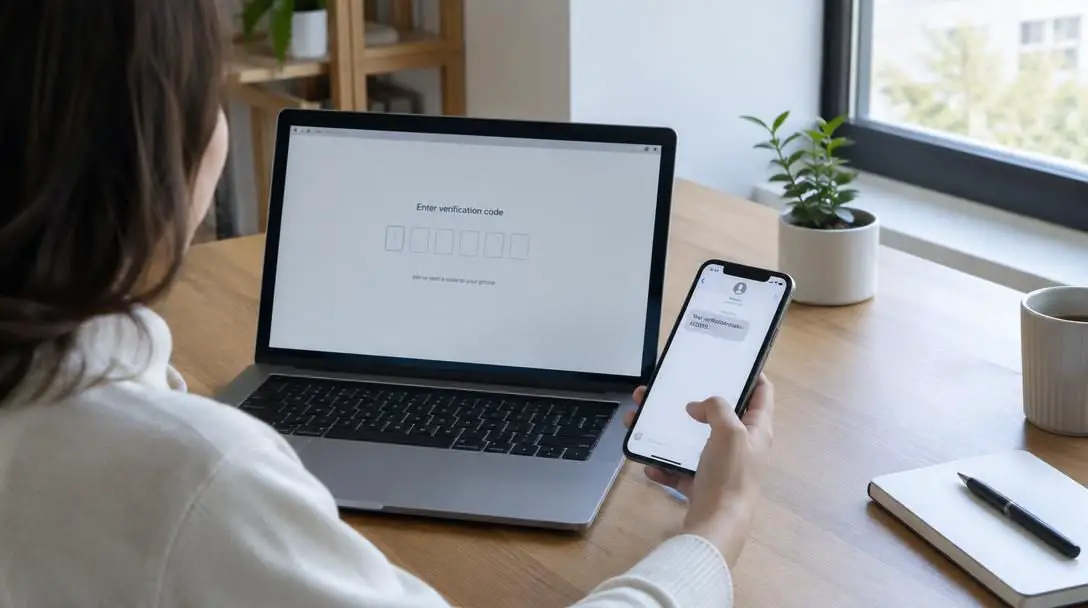
In an increasingly interconnected digital ecosystem, creating an account on almost any modern web platform requires verifying your personal identity. Social networks, communication apps, online commerce portals, and financial services routinely rely on short message service (SMS) authentication to confirm that a real person is behind a profile. By transmitting a temporary one-time passcode or confirmation link directly to an assigned telephone number, organizations can filter out automated bots, curb fraudulent account creation, and provide an additional layer of security. However, tying every digital registration to a personal mobile carrier number exposes individual phone lines to unsolicited marketing broadcasts, data scrapers, and privacy hazards.
To preserve digital privacy and shield personal mobile lines, many people now turn to cloud-based virtual phone numbers. Operating over data-driven internet protocols rather than traditional cellular SIM cards, virtual telephone lines can receive inbound authentication passcodes directly through specialized apps or web dashboards. While these tools offer enhanced convenience and isolation from public directories, using them carelessly can easily undermine their benefits. When users mismanage their virtual lines, critical confirmation messages can bounce, accounts can become permanently locked, and sensitive communication logs can be left vulnerable to digital threats.
Key takeaways
- Relying on a single dedicated virtual phone line simplifies administrative oversight and prevents confusion across multiple registered platforms.
- Treating a verification number as a casual contact for friends or associates clutters your dashboard and rapidly exhausts allocated account balances.
- Unreliable service providers introduce severe security vulnerabilities, frequent service dropouts, and failed verification deliveries.
- Neglecting a virtual number for extended periods can trigger silent quota depletion, missed security notices, or account forfeiture.
How Virtual Numbers Process SMS Verification
To grasp why certain operating mistakes disrupt authentication workflows, it is essential to examine the underlying mechanics of virtual communication systems. Unlike conventional cellular lines that rely on the public switched telephone network and broadcast signals directly to a physical transceiver inside a smartphone, virtual phone numbers exist as software-defined assets in the cloud. They function using Voice over Internet Protocol (VoIP) and digital data routing networks, freeing the telephone identity from any physical landline port or subscriber identity module (SIM) card.
When an online platform initiates a security confirmation, the authentication sequence follows a distinct technological pipeline:
- Number entry: The user inputs their assigned virtual telephone number into the registration or authentication field of the target application.
- Passcode dispatch: The web platform triggers an automated short message containing a one-time numerical code, authentication token, or verification URL via its enterprise SMS gateway.
- Digital protocol routing: Instead of transmitting through cellular towers to a SIM chip, the dispatch traverses the internet to the cloud infrastructure maintained by the virtual phone number provider.
- User inbox retrieval: The virtual carrier processes the incoming data stream and immediately mirrors the message to the user's connected software interface, web browser inbox, or mobile app.
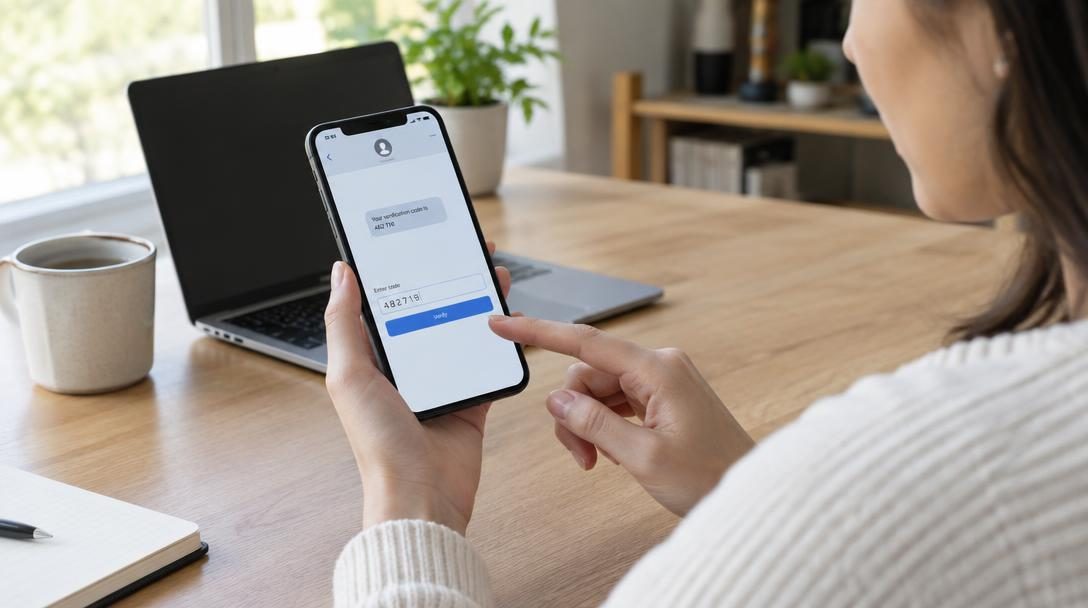
- Code verification: The user copies the incoming authentication string from the dashboard and enters it back into the registering platform to finalize account creation.
This software-based approach allows individuals to establish accounts across international borders and access their messages on any authorized computer or tablet. However, because this transmission sequence depends wholly on internet gateways and provider infrastructure, improper management can easily break the authentication chain.
Five Major Pitfalls to Avoid With Virtual Phone Lines
Maintaining a dependable verification workflow requires avoiding common missteps that complicate data handling, waste money, and compromise online security. The following five practices should be strictly avoided when using virtual telephone numbers for online verification.
Using Multiple Virtual Phone Numbers
When registering profiles across dozens of services, users are often tempted to acquire several virtual telephone numbers under the assumption that compartmentalizing every account increases privacy. In practice, juggling a patchwork of virtual lines introduces severe administrative friction. Over time, it becomes exceptionally difficult to remember which specific virtual number was linked to an individual platform, subscription, or community forum.
Scattering verifications across multiple lines creates cognitive fatigue and increases the likelihood of losing access to vital accounts. If a service prompts you for recurring two-factor authentication or an identity challenge weeks after initial sign-up, hunting through half a dozen virtual dashboards to find the correct line wastes time and invites errors. The most effective approach is to consolidate your accounts onto a single, reliable virtual number. Managing a centralized line allows you to track all authentication messages in one unified inbox and maintain an organized, verifiable digital profile.
Sharing Your Virtual Phone Number
Because a virtual line is not tied to a primary cellular SIM card, many people treat it as a casual throwaway contact to distribute freely to acquaintances, colleagues, or informal social connections. Doing so completely compromises the primary utility of a verification-focused number. When you share your authentication line with external contacts, casual conversations, marketing blasts, and personal messages begin flooding the dashboard.
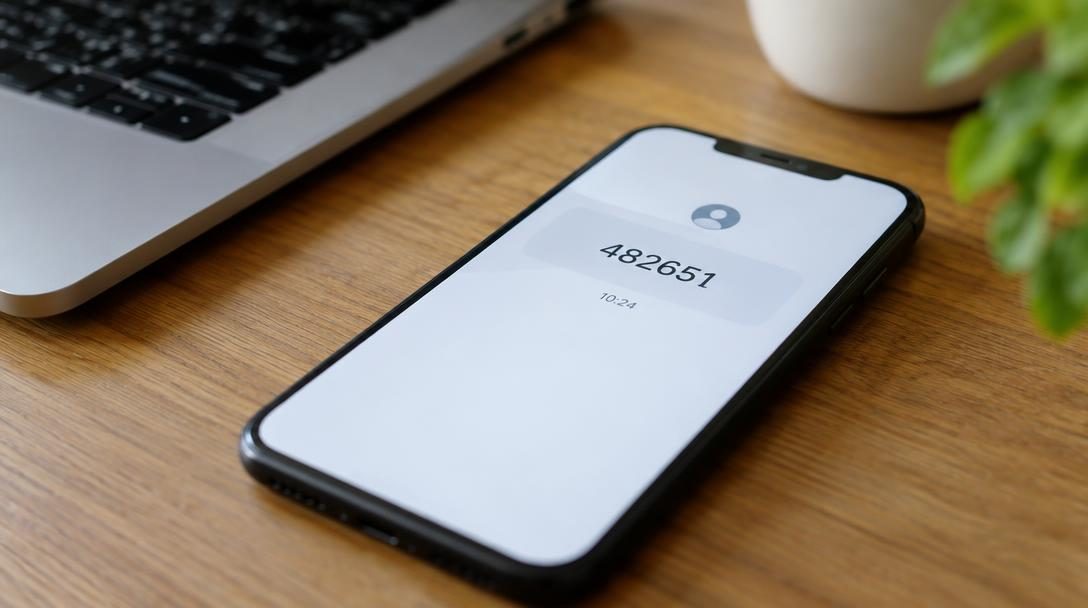
An influx of conversational chatter quickly clutters your message feed, making it far easier to overlook brief, time-sensitive verification passcodes that expire in a matter of minutes. Furthermore, personal calls and casual text exchanges rapidly eat away at the monthly talk time, bandwidth allowances, or inbound messaging balances associated with your plan. To keep your verification pipeline clean, functional, and financially predictable, strictly isolate the virtual number for automated security dispatches and refrain from distributing it as an everyday communication channel.
Registering With Unreliable Providers
The digital communications market is filled with free and budget-tier virtual number platforms, but a significant portion of these vendors operate on substandard, insecure infrastructure. Choosing a provider without vetting its reputation poses immediate dangers to your personal data and account stability. Cheap or unvetted hosts often suffer from frequent gateway outages, meaning incoming SMS passcodes simply fail to deliver during time-critical registration sequences.
Even more critically, unreliable providers may enforce weak internal security protocols, leaving your incoming SMS logs exposed to data aggregators, malicious network sniffing, or unauthorized third parties. Because SMS verification passcodes often serve as the master key to reset passwords or bypass security layers, entrusting your traffic to an insecure platform effectively opens the door to identity theft. Always investigate provider reliability, infrastructure uptime, and platform security standards before purchasing or configuring any virtual line.
Leaving Virtual Phone Numbers Idle for Too Long
Acquiring a virtual telephone line is not a passive, hands-off transaction. A widespread mistake among virtual number users is establishing a line for a single account confirmation and then ignoring the management dashboard for months on end. Leaving numbers dormant creates several unexpected operational risks that can disrupt your services.
When an account sits neglected, system updates, automated service notifications, and unexpected background messages can accumulate continuously. This unmonitored inbound activity can silently exhaust the line's credit reserves or allocated usage quotas. More importantly, online platforms regularly trigger unannounced security check-ins or mandatory re-authentication checks. If your virtual line is dormant or unchecked, you risk missing vital account warnings or finding yourself locked out when an unexpected identity verification challenge goes unanswered.
Taking Unnecessary Online Risks
Operating behind a cloud-based telephone line can foster a false sense of absolute anonymity, leading some users to abandon basic internet safety habits. Utilizing a virtual number does not shield your underlying computer, smartphone, or local network from malicious online attacks. Engaging in reckless digital habits—such as downloading unverified files, clicking suspicious links in messages, or registering on dubious portals—presents serious cybersecurity hazards.
Cybercriminals routinely construct deceptive phishing portals that request telephone authentication to hijack existing profiles or harvest credentials. If you input your virtual number into an unverified or fraudulent portal, attackers can intercept confirmation tokens and link them with your IP address or session details to compromise your primary digital accounts. To safeguard your systems, only enter your virtual phone number into established platforms maintained by trustworthy organizations with verified security practices.
A virtual phone number acts as an effective shield for your personal contact details, but it cannot protect you from the consequences of careless browsing habits.
Comparing Virtual Number Management Strategies
Choosing how to deploy virtual phone numbers significantly influences your administrative workload, monthly costs, and security posture. The table below illustrates the operational trade-offs between different approaches to virtual number ownership.
| Operational Strategy | Administrative Overhead | Risk of Inbox Clutter | Balance Depletion Risk | Verification Reliability |
|---|---|---|---|---|
| Single Dedicated Line | Low | Minimal | Low | High |
| Multiple Dispersed Lines | High | Moderate | High | Moderate |
| Shared Casual Line | Moderate | Extreme | High | Low |
| Unvetted Free Service | Low | Extreme | Unpredictable | Very Low |
Step-by-Step Maintenance for Long-Term Verification Security
Proper virtual number hygiene requires establishing consistent management routines. Adopting a structured approach ensures your virtual telephone connection remains active, responsive, and ready whenever a platform issues an authentication challenge.
- Vet your prospective provider thoroughly: Research the provider's operational history, server availability track record, and explicit terms of service. Confirm that their network architecture supports receiving verification passcodes from mainstream web services.
- Configure a single dedicated line: Choose one permanent, paid virtual phone number to serve as your central authentication hub. Avoid purchasing multiple disposable numbers for ordinary consumer registrations.
- Establish a scheduled maintenance routine: Set a recurring reminder to sign in to your virtual provider dashboard every few days. Check available talk time and message quotas, inspect incoming transmission logs, and clear out informational spam.
- Implement robust credential defenses: Protect your virtual provider dashboard using a strong, unique alphanumeric passphrase. Enable multi-factor authentication on the host provider account itself to prevent attackers from hijacking your incoming text streams.
- Maintain an offline registration inventory: Document exactly which online platforms and services are associated with your virtual line. If you ever need to migrate providers or update contact settings, this inventory will guide your transitions without leaving accounts behind.
Navigating Technical and Gateway Limitations
Even when you avoid the major operational pitfalls, using virtual telephone numbers involves distinct technical constraints that differ from standard cellular lines. The most prominent barrier involves automated carrier classification filters operated by high-security platforms.
Many institutional services, including major consumer banks, brokerage platforms, and government agencies, actively interrogate telephone lines before dispatching one-time passcodes. Through automated carrier lookups, their SMS gateways can identify whether a telephone line is tied to a major mobile carrier or hosted on a VoIP server. Because virtual numbers have occasionally been exploited to generate bulk automated accounts, some high-security platforms automatically reject VoIP and cloud-hosted numbers, requiring a true SIM-based line instead.
Understanding this distinction helps prevent confusion when an authentication code fails to arrive. If a platform flatly refuses to send messages to your virtual line, the issue usually stems from automated gateway filtering rather than provider failure. Recognizing these boundaries allows you to make deliberate decisions about which services are suited for cloud-based verification and which require direct carrier lines.
Building a Resilient Digital Identity Strategy
A virtual phone number should not serve as your sole security safeguard. Instead, view it as one specialized component within a broader, multi-layered identity protection plan. Because standard SMS transmissions lack end-to-end encryption, relying exclusively on text messages for authentication carries inherent structural risks.
Whenever an online service offers multiple security options, explore whether you can reduce your dependence on SMS entirely. Standalone software authenticators utilizing Time-based One-Time Passwords (TOTP) generate secure login codes locally on your personal device without relying on internet gateways or telecom networks. Similarly, physical hardware security keys offer phishing-resistant login protection that cannot be intercepted through phone network routing.
When you do rely on your virtual number for secondary authentication, ensure that you also store encrypted backup codes provided during platform setup. Keeping these offline safety keys guarantees that even if your virtual carrier experiences an unexpected outage or service interruption, you will retain uninterrupted access to your vital digital accounts.
Frequently asked questions
Can I use a virtual phone number for every online platform?
No. While most standard websites, social networks, and online marketplaces accept virtual numbers, certain high-security organizations—such as major retail banks and government agencies—actively block VoIP lines to prevent fraud, requiring a cellular number tied to a physical SIM card instead.
Why do incoming SMS verification codes sometimes fail to arrive?
Delivery failures typically stem from three causes: an unreliable virtual provider experiencing network downtime, the target platform filtering out VoIP numbers, or your account exhausting its message quota balance.
Is it safe to use free public virtual numbers found online?
No. Free public virtual numbers display incoming text messages on open, unauthenticated web pages where anyone can view them. Using public inboxes for personal account verification leaves your login codes completely exposed to interception.
How can I prevent my virtual number from being deactivated?
Log in to your provider dashboard regularly, maintain a healthy account balance, and ensure the line does not sit entirely idle for extended periods, as many services recycle inactive numbers after several weeks or months of non-use.
Are virtual phone numbers more secure than standard SIM cards?
Virtual numbers offer superior privacy by decoupling your personal mobile contact from public registries and marketing databases, shielding you from SIM-swapping attacks on your physical phone. However, they remain subject to provider reliability and cloud credential security.
The bottom line
Virtual phone numbers offer an effective, flexible way to safeguard your personal contact information from public visibility, unwanted marketing databases, and casual data harvesting. Yet their effectiveness hinges entirely on how responsibly they are operated. By avoiding the pitfalls of juggling multiple lines, casually sharing your authentication contact, registering with unvetted providers, neglecting idle dashboards, and taking unnecessary browsing risks, you can maintain a seamless, highly secure verification system. Pair your virtual line with routine account maintenance and secondary authentication tools to ensure your online identity remains private, organized, and completely under your control.