5 Things You Must Know Before Getting Backyard Chickens
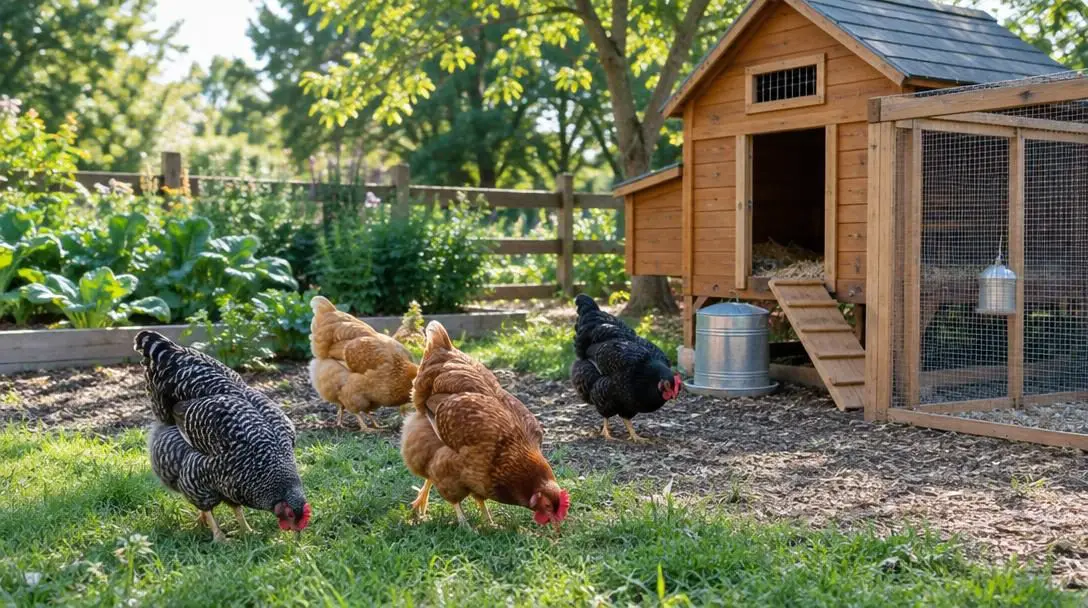
Across suburban backyards, rural acreages, and urban lots, keeping a small flock of chickens has emerged as a cornerstone of self-sufficient homesteading. Gathering warm, fresh eggs from a nesting box, enjoying the comic antics of foraging hens, and building personal resilience are powerful motivators that draw aspiring keepers toward poultry husbandry. Yet, the romanticized vision of keeping backyard birds often glosses over the daily labor, infrastructure requirements, and biological rhythms essential to keeping a flock healthy.
Chickens are far more than automated egg dispensers; they are perceptive, social animals whose presence profoundly transforms both your property and your daily routine. Before investing in coops, brooders, and chicks, understanding their cognitive depth, their financial impact, their relationship with garden soil, and their natural production cycles will help ensure that your homestead journey is rewarding rather than overwhelming.
Key takeaways
- Chickens possess significant cognitive capacity, emotional depth, and problem-solving skills that require adequate space and mental stimulation.
- While eggs are not financially free due to startup and feed costs, a closed-loop permaculture setup can slash ongoing expenses.
- Poultry droppings are a potent fertilizer and hens excel at eating pests, but raw manure burns roots and unsupervised birds quickly ruin vegetable beds.
- Egg production is strictly seasonal, slowing down naturally in winter months and tapering off after two to three years of age.
- Fresh, unwashed eggs preserve an intact protective bloom that allows safe storage on the kitchen counter for at least two weeks.
The five foundational truths of raising backyard poultry
Successfully transitioning from an aspiring poultry keeper to a confident flock manager requires looking past idyllic homesteading imagery and confronting practical biology. These five realities form the baseline of knowledge every beginner needs before ordering day-old chicks or building a backyard coop.
1. Chickens are emotionally complex and surprisingly intelligent
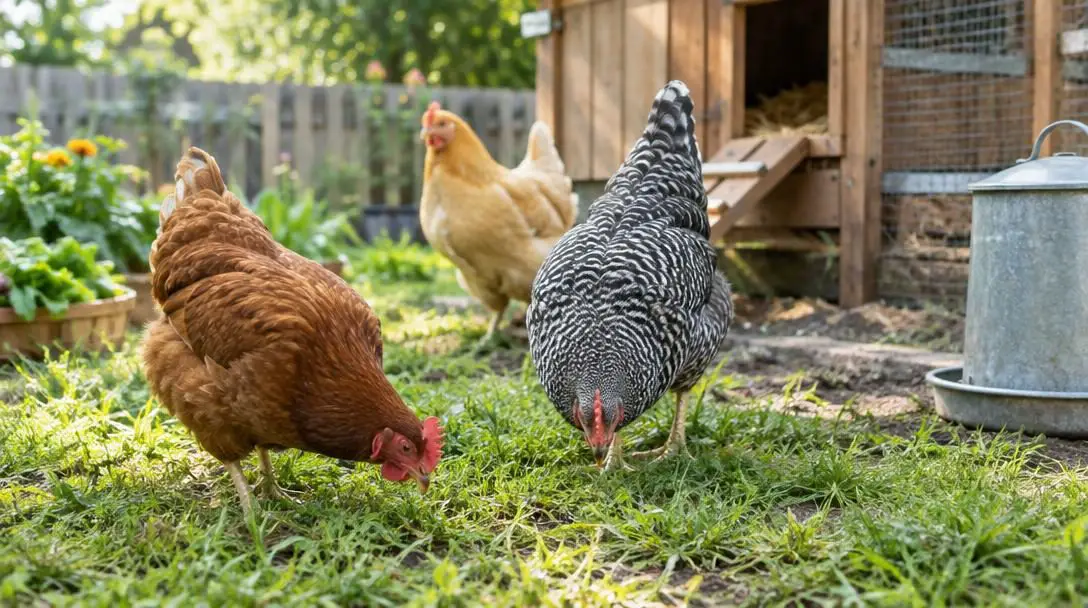
Cultural stereotypes frequently mislabel poultry as unthinking, robotic livestock, but chickens are actually perceptive animals with strong memory retention, emotional responses, and impressive problem-solving capabilities. When birds are confined in cramped, barren spaces without stimulation, they experience stress and boredom, which can quickly manifest as bullying, feather picking, and aggressive behavior. Conversely, birds that receive consistent attention from a young age develop genuine trust toward humans, frequently perching on shoulders, settling into laps for affection, and following keepers around the yard.
Because chickens are driven by a constant instinct to forage, explore, and investigate their territory, they readily become escape artists. A determined hen will methodically test fencing boundaries, squeeze through tight fence gaps, and even figure out primitive latching mechanisms. Furthermore, flock members quickly connect human presence with treats, sometimes acting like spoiled children by persistently congregating at back doors or chasing feed buckets. Recognizing their intelligence allows keepers to train their birds using positive reinforcement, teach them to respond to vocal calls, and introduce enrichment toys to keep their active minds occupied.
2. Backyard eggs are never truly free, but permaculture slashes costs
A widespread assumption among novice homesteaders is that keeping a few backyard hens automatically eliminates breakfast costs. In reality, the financial ledger tells a different story once you factor in secure housing, predator-proofing hardware, waterers, feed bins, bedding, balanced commercial feed formulas, and essential digestive grit. Factoring in initial infrastructure and ongoing maintenance time means home-gathered eggs often carry a higher price per carton during early seasons than grocery store alternatives.
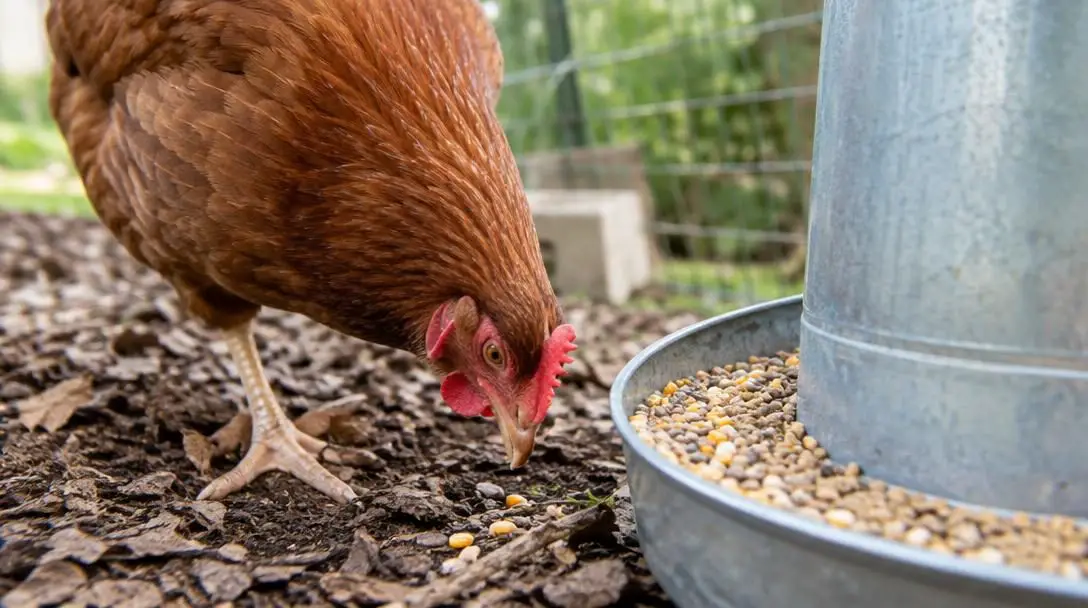
However, poultry management does not have to remain a financial drain. When integrated into a closed-loop permaculture system, chickens shift from being expensive standalone pets to self-sustaining homestead engines. Rather than relying exclusively on store-bought feed bags, strategic keepers utilize natural nutrient cycles across their land to dramatically reduce daily operational expenses.
- Rotational foraging: Allowing the flock supervised access to open pasture or yard space allows them to harvest their own wild insects, broadleaf greens, and weed seeds.
- Kitchen and garden diversion: Funneling vegetable trimmings, spoiled produce, and garden prunings through the coop transforms waste biomass into rich animal protein.
- Home-grown feed: Cultivating patches of corn, barley, wheat, or soybeans gives homesteaders independent, non-commercial feed rations.
- On-site vermiculture: Raising worms supplies the flock with supplemental protein while generating nutrient-dense worm castings for garden beds.
- Compost building: Mixing high-nitrogen coop cleanings with carbon-heavy bedding produces premium organic compost that eliminates the need to purchase synthetic garden fertilizers.
3. Chickens are both a garden's greatest ally and its worst threat
The interaction between backyard hens and cultivated planting beds is entirely dependent on timing and boundaries. On one hand, poultry waste is loaded with concentrated nitrogen and phosphorus—two of the most critical plant nutrients required to fuel leafy vigor and robust crop development. Simultaneously, hens use their powerful claws to turn over topsoil, uncovering and consuming subterranean insect larvae before those pests can hatch and devastate delicate vegetable roots.
The ultimate homestead goal is a balanced permaculture cycle where the flock nourishes the soil and the garden feeds the flock.
Unrestricted access, however, quickly turns beneficial helpers into destructive garden invaders. A small group of chickens can demolish an active kitchen garden in less than an hour, snapping tender stems, uprooting delicate seedlings with their vigorous scratching, and devouring prized ripening tomatoes or strawberries just before harvest. Furthermore, fresh manure presents a chemical hazard: raw chicken droppings are far too hot and acidic to spread directly on active root systems due to extreme ammonia concentrations that will chemically burn living plants.
4. Egg laying follows biological seasons rather than calendar quotas
Breed descriptions often advertise prolific varieties capable of producing 250 to 300 eggs per year, leading new owners to anticipate a steady daily harvest. Biological reality, however, is heavily governed by daylight duration, ambient temperatures, and hen maturity. Egg production is concentrated heavily in the spring and summer months when long daylight hours naturally stimulate reproductive hormones. As autumn approaches and daylight hours dwindle, hens naturally molt their feathers and cease laying to divert their metabolic energy toward staying warm and regenerating tissue.
In addition to seasonal fluctuations, hen productivity follows a distinct life-stage curve. Peak laying happens during a bird's first two years of life, after which output steadily tapers off. Understanding these natural patterns prevents frustration when nesting boxes sit empty throughout the cold winter months.
| Flock Life Stage or Season | Production Rhythm | Primary Homestead Contribution | Key Management Focus |
|---|---|---|---|
| Spring & Summer Peak | Maximum frequency (often 5 to 6 eggs per week per hen) | Abundant dietary protein and active garden pest reduction | Providing ample cool water, shade, and predator-proof grazing |
| Autumn & Winter Rest | Sharp decline or complete cessation of egg production | Manure production for garden compost piles and fall soil clearing | Ensuring draft-free housing, dry bedding, and unfrozen water |
| Mature Hens (Age 2–3+) | Gradually declining output (30% to 50% fewer annual eggs) | Steady garden soil turning, weed-seed consumption, and docile companionship | Evaluating flock replacement schedules and maintaining senior bird health |
5. Poultry forge deep bonds and offer a sustainable protein alternative
Many beginners purchase chickens solely as agricultural utilities, only to discover that poultry easily rival traditional household pets in charm and character. Each bird develops a distinctive personality within the flock's social hierarchy, displaying curiosity, playful antics, and genuine recognition of individual human faces. For families seeking reliable, home-grown nutrition without the emotional difficulty, heavy equipment, and labor required to process larger meat livestock like pigs, sheep, or cattle, laying hens offer an ethical, daily supply of dense protein.
Their relatively compact footprint and modest maintenance needs make them accessible across small acreages and suburban parcels where larger livestock are legally prohibited or functionally impractical. When supported by well-built coops and systematic feeding routines, keeping chickens delivers exceptional personal satisfaction alongside daily food security.
Step-by-step setup guide for your first flock
Bringing poultry onto your property requires careful staging to avoid costly structural redesigns and stressed birds. Following an orderly installation timeline protects your investment and sets up healthy routines from day one.
- Verify zoning codes and property restrictions: Consult municipal ordinances, county animal regulations, and neighborhood covenants to confirm flock size allowances, setback requirements from property lines, and any specific bans on roosters.
- Construct predator-resistant housing: Build or purchase a durable coop equipped with elevated roosting bars, clean nesting boxes, adequate upper-level ventilation, and heavy-gauge hardware cloth rather than flimsy wire mesh to protect against raccoons and rodents.
- Install an enclosed outdoor run: Erect a secure predator-proof run or set up mobile electric poultry netting to give birds access to fresh ground while safeguarding active garden beds and delicate landscape plantings.
- Set up watering and feeding stations: Place clean feeders and drinkers in shaded, weather-protected areas, ensuring that hanging water fonts remain free of bedding debris and that provisions are made for winter de-icers in freezing climates.
- Establish a dedicated three-bin compost area: Designate a compost processing zone to receive high-nitrogen bedding cleanings, alternating them with dry carbon materials like leaves or straw to cure the manure safely.
- Acquire your flock and establish handling habits: Source healthy chicks or pullets from reputable hatcheries, dedicating daily time to hand-feed treats and handle individual birds so they grow into calm, manageable adults.
- Create an ongoing scrap and foraging pipeline: Direct daily kitchen vegetable waste, pulled weeds, and excess produce into coop feeding troughs while providing continuous access to insoluble digestive grit.
Homestead poultry mistakes to avoid
Preventable blunders during the early months of chicken ownership can lead to injured birds, ruined gardens, and unnecessary frustration. Steer clear of these frequent husbandry errors:
- Relying on standard chicken wire: Traditional hexagonal chicken wire is designed to keep chickens inside, not to keep hungry predators out; foxes, raccoons, and large dogs can tear or bite through it with ease.
- Allowing free access to the vegetable patch: Never turn hungry chickens loose in an active garden plot during the growing season, as they will enthusiastically unearth sprouted seeds and damage mature fruit.
- Dumping raw coop bedding around shrubs or vegetables: Fresh poultry manure contains concentrated ammonia that can severely burn plant root systems; always age or hot-compost the manure before soil application.
- Scrubbing collected eggs with water: Washing fresh eggs removes the protective biological bloom that seals the porous shell, which invites bacteria inside and forces you to refrigerate the eggs immediately.
- Neglecting gizzard grit: Because poultry have no teeth to grind coarse grains, greens, and seeds, failing to supply supplemental crushed granite or flint grit leads to severe digestive impaction.
- Ignoring spatial and boredom constraints: Flocks confined to cramped runs without dust-bathing areas, perches, or forage materials inevitably develop destructive habits such as feather-pecking and egg-eating.
Frequently asked questions
How many eggs can I realistically expect from a small backyard flock?
During their first two years, standard production breeds generally produce between four and six eggs per week per hen during the warm, high-light seasons of spring and summer. That output tapers down significantly during the late autumn molt and drops to near zero during winter unless artificial coop lighting is introduced.
Why shouldn't I wash fresh backyard eggs before storing them?
Chickens naturally coat each egg with an invisible protective protein layer known as the bloom or cuticle. This natural barrier prevents ambient bacteria from penetrating the porous eggshell and dramatically slows moisture loss, allowing clean, unwashed eggs to sit safely at room temperature for at least two weeks.
Can backyard chickens eat every type of kitchen scrap?
While chickens thrive on a broad spectrum of kitchen waste including leafy greens, melon rinds, carrot peelings, and stale grains, they should never be fed spoiled food, raw potatoes, avocado skins or pits, dry beans, or heavily salted, processed human meals.
How do I stop my chickens from completely wrecking my yard?
To preserve your landscape and garden beds, avoid giving the flock permanent, unrestricted access to the entire yard. Confine their foraging to an enclosed run, utilize movable chicken tractors, or deploy temporary electric poultry netting so the birds only access specific zones that require pest clearing or post-harvest cleanup.
Do I need to keep a rooster for my hens to lay eggs?
No, hens lay eggs entirely on their own biological cycle based on daylight and nutrition, without needing a rooster present. Roosters are only required if you intend to hatch fertile eggs to produce your own baby chicks, and they are frequently prohibited in suburban residential zones due to noise restrictions.
The bottom line
Backyard poultry farming bridges the gap between household pet companionship and agricultural independence. While keeping a flock requires thoughtful planning, predator-resistant architecture, and an acceptance of seasonal production pauses, the homestead benefits far outweigh the initial learning curve. By working with their natural behaviors, curing their droppings into black-gold garden compost, and protecting them from common pitfalls, you can turn a small flock of hens into one of the most productive, enjoyable, and sustainable investments you will ever make for your home.