The Insider’s Guide: 5 Ways to Get to Know the Real Uganda
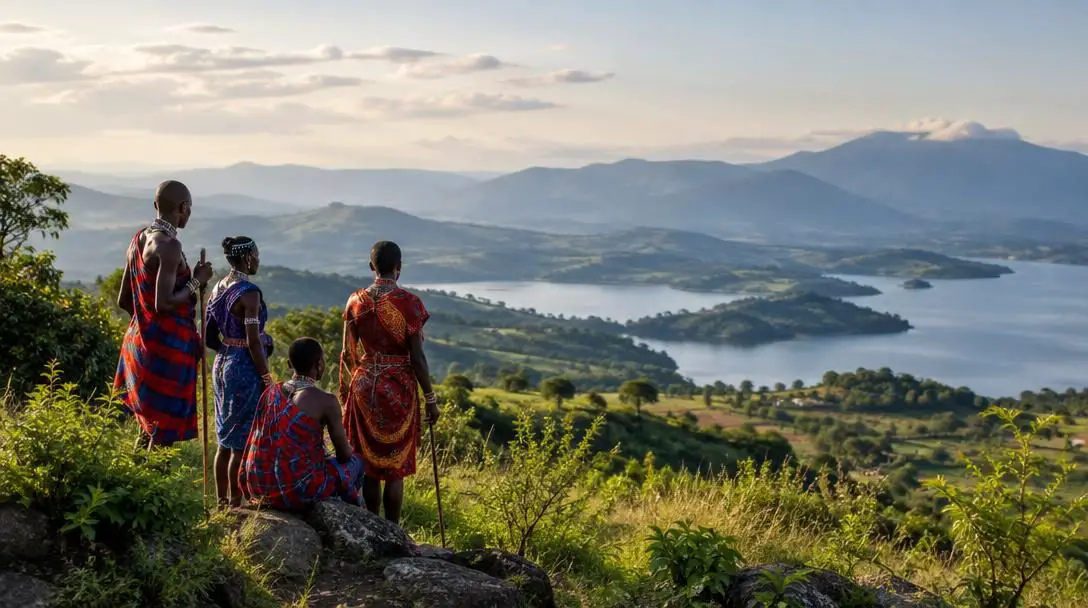
Uganda is widely celebrated as one of the world's most beautiful countries, blessed with dramatic physical environments that span dense green rainforests, rolling savannahs, and an extensive network of freshwater lakes and rivers. While its legendary biodiversity and iconic wildlife reserves draw travelers from across the globe, the true character of the nation extends well beyond safari tracks. The genuine heartbeat of the country resides within its energetic cities, rural communities, and the renowned hospitality of its people.
To truly understand Uganda, travelers must strike an intentional balance between natural wonders and everyday cultural life. Exploring the country requires an open mind, a willingness to adjust to local tempos, and a desire to connect with both wildlife and local residents. From bustling urban markets and fireside storytelling in traditional villages to serene water cruises and misty primate treks, these foundational experiences showcase the multifaceted spirit of the nation.
Key takeaways
- Uganda offers diverse safari styles across unique habitats, ranging from mountain gorilla trekking in western rainforests to remote game drives in northern Kidepo Valley.
- Waterways shape daily life and travel throughout the nation, with Lake Victoria hosting more than 500 fish species and the Nile River offering both gentle cruises and intense white-water rafting.
- Kampala's craft markets and civic landmarks provide direct access to Ugandan artisans, handmade traditions, and the country's complex history.
- Community-run village visits, such as those at Boomu, channel tourism revenue directly into rural clinics, schools, and clean water initiatives.
- Visiting during the April rainy season rewards travelers with vibrant emerald landscapes, lower crowd levels, and shorter gorilla treks as primates forage at lower elevations.
Five essential ways to experience Uganda
Experiencing the authentic character of Uganda requires stepping beyond standardized itineraries. Engaging with the country through its wildlife, expansive waterways, urban craft culture, community-run villages, and seasonal rhythms reveals the distinct layers that define the nation.
1. Feast your eyes on wildlife
- Western forest feature: Mountain gorilla trekking in rainforest sanctuaries
- Queen Elizabeth National Park: Open plains and famous tree-resting lions
- Kidepo Valley National Park: Northern wilderness with elephants, buffalo, lions, and giraffes
Uganda is globally renowned for its biodiversity, and a visit is incomplete without observing its remarkable fauna in protected natural habitats. The dramatic geographical transitions between the western highlands, central plains, and northern frontier create distinct ecosystems where rare and iconic animals flourish. In the dense rainforests of western Uganda, visitors can join guided expeditions to trek among wild mountain gorillas, an intimate wildlife encounter managed under strict ecological guidelines.
Further west, Queen Elizabeth National Park provides expansive savannah habitat where healthy lion prides roam the grasslands and famously climb into the branches of fig trees to rest during the heat of the day. To the far north, the remote and rugged expanses of Kidepo Valley National Park offer an untouched safari environment ringed by craggy mountain ranges. In Kidepo, herds of elephants, buffalo, giraffes, and lions wander across sweeping valleys with very few visitor vehicles in sight.
Travelers can match their wildlife viewing to their preferred travel style through several distinct safari formats:
- Eco-friendly guided safaris: Designed to minimize environmental footprints while maximizing local conservation awareness.
- Customized private treks: Tailored specifically to your party's schedule, physical fitness, and primate viewing goals.
- Ranger-led game drives: Conducted alongside professional trackers who interpret animal tracks and territorial behaviors.
- Self-drive car hire: Suited for self-reliant travelers who prefer to navigate park road networks independently.
2. Spend time on the water
- Freshwater resources: Five large lakes spanning diverse ecosystems
- Lake Victoria biodiversity: Habitat for more than 500 species of fish
- Nile River activities: White-water rapid rafting and gentle shoreline cruises
Inland water systems define Uganda's topography, weather patterns, and local economies. The nation contains five major lakes and shares the headwaters of the historic Nile River. Exploring these freshwater systems reveals a soothing, scenic dimension of the country that cannot be duplicated on open savannah game drives. Tour operators maintain motor cruises and guided canoeing trips through peaceful channels and bays, offering an unhurried vantage point for observing aquatic birds, hippos, and shorebirds.
The Nile River provides contrasting adventures depending on where you embark. Adrenaline seekers can tackle turbulent rapids on world-class white-water rafting excursions, while travelers seeking relaxation can choose slow-paced river cruises that drift along reed-lined riverbanks where wildlife gathers to drink. On Lake Victoria, the second-largest freshwater lake in the world, anglers can cast for prized sport fish among more than 500 resident species. The lake's tranquil sand beaches and picturesque archipelagos offer an idyllic setting to unwind and witness the age-old fishing traditions that support surrounding shoreline communities.
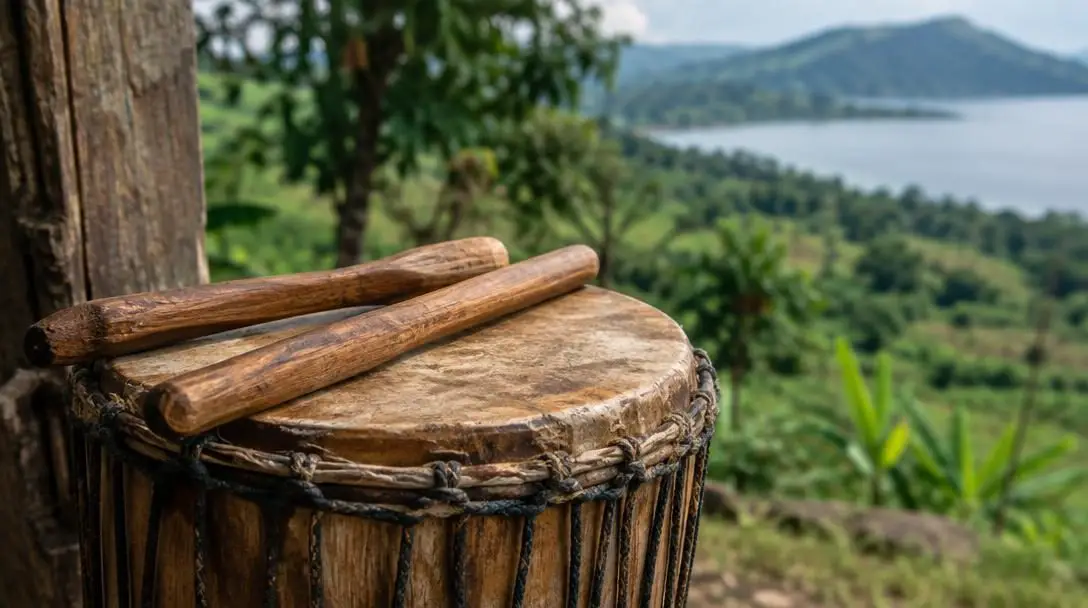
Getting to know the real Uganda requires balancing legendary wildlife encounters with the everyday cultural rhythms of its people.
3. Shop a Kampala craft market
- Capital population: Home to more than three million residents
- Notable landmarks: Ugandan Parliament and major national history museums
- Artisan venues: Permanent daily craft villages and rotating outdoor bazaars
To experience the contemporary energy of the nation, spend meaningful time in Kampala, Uganda's sprawling capital city. Inhabited by more than three million people, Kampala serves as the nation's political, economic, and artistic epicenter. While the city houses key civic landmarks like the Ugandan Parliament and celebrated museums that chronicle national history and ethnographic heritage, its vibrant pulse is most palpable in its lively street markets.
The city's dedicated craft markets, widely known as craft villages, bring together talented artisans from every corner of the country. Some craft markets occupy permanent storefronts that open seven days a week, while others operate as vibrant open-air bazaars that assemble on rotating weekly or monthly schedules. These markets offer an engaging social atmosphere where visitors can converse directly with woodcarvers, weavers, and painters. Shoppers can purchase finely made items, including hand-woven raffia baskets, durable clay pottery, expressive canvas paintings, brass and bead jewelry, and traditional textiles, with many artisans welcoming bespoke commission orders on the spot.
4. Take a village tour
- Featured community: Boomu cultural village
- On-site features: Community restaurant, lush agricultural gardens, and traditional huts
- Evening activity: Fireside storytelling led by village elders
While protected parks protect Uganda's wild landscapes, community village tours offer the most direct insight into rural life and traditional social structures. Many rural villages are situated close to major national parks and reserves, providing convenient opportunities to combine wildlife drives with respectful cultural exchanges. These visits introduce travelers to domestic customs, traditional cooking techniques, and subsistence farming practices that sustain rural families.
A leading model of community-based tourism is found at Boomu, a welcoming village known for its lush organic gardens, community-run restaurant, and warm hospitality. Guests visiting Boomu can disengage from modern electronic distractions, assemble around an open evening campfire, and listen to village elders share folk stories and ancestral histories under the night sky. Visitors spend the night inside authentic thatched African huts, experiencing the natural serenity of village life while knowing their lodging fees contribute directly to local healthcare centers, clean drinking water wells, and rural primary schools.
5. Come in April
- Seasonal categorization: Peak of the annual Long Rains
- Forest conditions: Ethereal mists and vibrant emerald canopies
- Primate behavioral advantage: Gorillas forage in warmer, lower elevations
Most international tourists schedule their trips during the dry months of June, July, and August, but traveling in April reveals a peaceful and visually stunning side of Uganda. As the wettest month of the year, April brings distinctive operational realities. Some remote safari lodges close temporarily for annual maintenance, and dirt roads can become muddy and slick. However, travelers who embrace the green season are rewarded with magnificent landscapes transformed into brilliant shades of emerald, crowned by dramatic mists rising from rainforest valleys.
Wildlife enthusiasts enjoy an exceptional practical advantage during April. Because mountain gorillas frequently move down to lower, warmer slopes to forage on fresh vegetation, hikers often encounter them on shorter treks than during dry months, despite muddier ground underfoot. Furthermore, regional weather variations provide geographic relief: northern savannah reserves like Murchison Falls National Park remain considerably drier than the wet southern highlands. Traveling in April guarantees an authentic safari experience devoid of heavy vehicle traffic and crowded viewing points.
Understanding Uganda's geography and seasonal climate
Uganda rests on the elevated East African plateau, positioned where the savannahs of East Africa meet the dense equatorial rainforests of Central Africa. Because of its high average altitude, the country enjoys a temperate tropical climate without extreme heat. Its varied topography includes rolling agricultural hills, jagged volcanic peaks, extensive wetlands, and vast savannas, each generating microclimates that govern animal movements and road conditions.
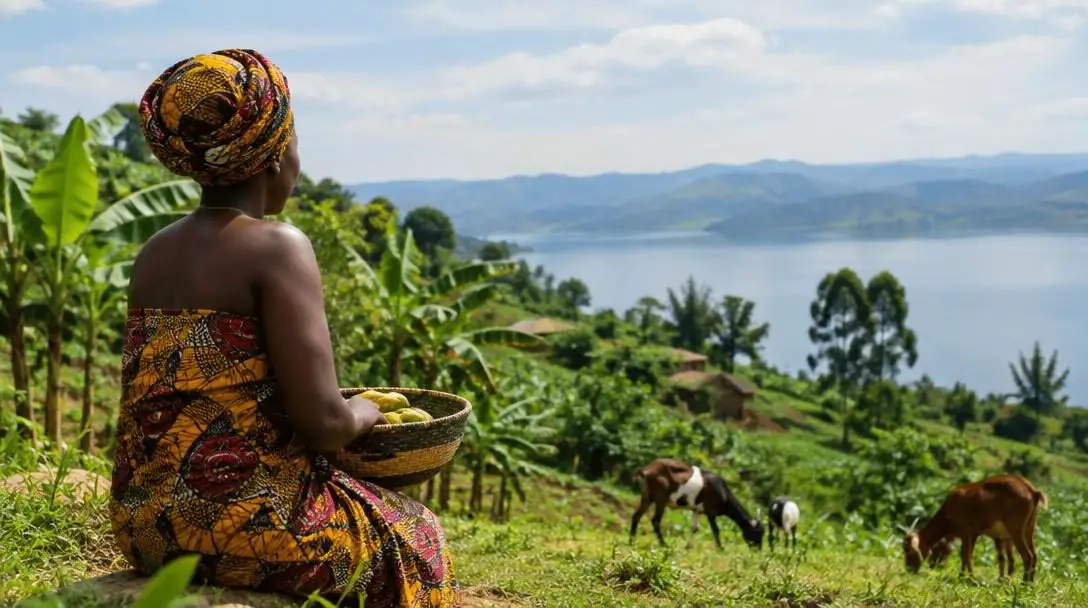
Seasonal changes in Uganda are marked by rainfall rather than drastic temperature swings. The year is shaped by two distinct wet and dry phases influenced by equatorial air currents:
| Season | Calendar Months | Weather Profile | Safari & Travel Highlights |
|---|---|---|---|
| Long Rains | March to May | Heaviest precipitation nationwide; peaks in April with misty mornings and lush foliage | Lower tourist numbers; shorter gorilla treks as primates feed on lower slopes; green scenery |
| Primary Dry Season | June to August | Minimal rainfall; firm dirt roads; dried forest trails and lower humidity | Peak travel season; optimal game viewing around remaining waterholes; clear hiking trails |
| Short Rains | September to November | Moderate rainfall; regular afternoon showers alternating with clear skies | Flourishing birdlife; green landscapes; lower accommodation pressure than mid-summer |
| Secondary Dry Season | December to February | Warm, dry conditions across savannah plains; dustier road networks | Excellent wildlife viewing across northern and western plains; prime birdwatching conditions |
How cultural and wildlife conservation works in Uganda
Sustainable tourism in Uganda relies on a coordinated partnership between statutory wildlife authorities, professional safari operators, and rural community committees. Because species such as mountain gorillas are sensitive to habitat loss and human diseases, authorities enforce a strict permitting quota that limits the daily number of human visitors to each habituated primate family. Trekking parties are accompanied by certified armed rangers and knowledgeable local trackers who maintain safe observation distances and monitor primate welfare.
Cultural conservation operates on an equally collaborative framework. Community-based tourism initiatives, including craft cooperatives and village homestays, are organized so that economic benefits remain within the host community. Revenues from entrance tickets, guided village walks, craft sales, and dance performances are deposited into community-managed funds. These funds support communal necessities such as school construction, road maintenance, clean water boreholes, and maternity clinics, giving rural populations an active financial stake in protecting neighboring wildlife sanctuaries from poaching and encroachment.
How to organize a comprehensive Ugandan itinerary
Careful logistics and realistic scheduling are necessary to travel smoothly through Uganda. Following these organized steps will ensure your journey covers wildlife, culture, and relaxation effectively:
- Select your target travel season: Weigh the firm roads and predictable game concentrations of the peak dry season (June to August) against the quiet trails, discounted rates, and lush green scenery of the April rains.
- Secure primate permits early: Reserve your gorilla trekking permits months before departure through an authorized operator, ensuring your tracking date matches your regional route.
- Choose your transportation format: Decide between an all-inclusive eco-lodge guided safari, a private tracker-led vehicle, or a self-drive safari based on your driving experience and the prevailing road conditions of your travel month.
- Integrate water-based excursions: Allocate at least two full days to enjoy boat cruises or sport fishing on Lake Victoria, or schedule a river cruise or rafting trip on the Nile River.
- Schedule dedicated urban days in Kampala: Set aside time to visit the Ugandan Parliament, national museums, and the bustling stalls of permanent and rotating artisan craft markets.
- Reserve an overnight village homestay: Coordinate with community organizations like Boomu to spend an evening around a campfire with village elders and rest in traditional huts.
- Pack layered outdoor gear: Bring sturdy waterproof hiking boots with deep tread for slick rainforest slopes, neutral breathable clothing for savannah game drives, and reliable rainwear.
Mistakes to avoid when planning your journey
Avoiding common logistical missteps will help you maximize your time and ensure a smoother, more culturally respectful experience across the country:
- Treating Kampala only as a transit stop: Flying into Entebbe and immediately heading out on safari means missing Kampala's historic parliament, national cultural collections, and artisan markets.
- Dismissing the April green season entirely: Skipping April because of rain causes travelers to miss out on verdant landscapes, lower lodge occupancy, shorter gorilla treks, and drier safari conditions in northern parks.
- Bypassing rural village visits: Remaining exclusively inside safari lodges and customized vehicles limits your cultural exposure and deprives community development projects of vital tourism support.
- Underestimating drive times between parks: Unpaved road conditions and hilly terrain can make journeys between western national parks take much longer than basic GPS estimates suggest.
- Overlooking lake and river activities: Focusing exclusively on terrestrial game drives overlooks the extraordinary scenery, vibrant birdlife, and local fishing traditions found along the Nile River and Lake Victoria.
Frequently asked questions
Why is April considered a worthwhile time to visit Uganda?
Although April is the wettest month of the year, it brings stunning emerald scenery, uncrowded safari trails, and mist-draped canopies. Mountain gorillas often feed at lower, warmer altitudes, which results in shorter trekking times. Additionally, northern regions like Murchison Falls National Park experience significantly less rainfall than the southern highlands.
What wildlife can travelers see in Queen Elizabeth and Kidepo Valley National Parks?
Queen Elizabeth National Park in western Uganda is famous for open savannah game and tree-climbing lions resting in fig trees. In the remote northern wilderness of Kidepo Valley National Park, visitors can spot large herds of elephants, buffalo, lions, and giraffes against a dramatic mountain backdrop.
How do village visits like the Boomu tour benefit rural communities?
Community tours like Boomu channel visitor fees, lodging payments, and craft sales directly into locally managed development funds. These revenues finance vital community resources, including local primary schools, medical clinics, and clean water wells, encouraging rural residents to preserve local culture and surrounding wildlife.
What activities can travelers enjoy on Lake Victoria and the Nile River?
Visitors to Lake Victoria can take scenic boat cruises, relax on sand beaches, visit offshore islands, and fish for some of the lake's more than 500 fish species. Along the Nile River, options range from high-adrenaline white-water rafting through powerful rapids to gentle shoreline cruises focused on wildlife and birdwatching.
What can visitors purchase at Kampala craft markets?
Kampala's craft villages and open-air bazaars feature authentic Ugandan handiwork, including hand-woven baskets, pottery, original paintings, beaded and metal jewelry, and traditional decorative arts. Many resident artisans work on-site and can create customized, commissioned items for shoppers.
The bottom line
Uganda's reputation as a world-class safari destination is well deserved, but viewing its wildlife represents only one facet of a complete journey. By balancing gorilla tracking in rainforest reserves and game drives on savannah plains with boat excursions on Lake Victoria, artisan market visits in Kampala, and immersive stays in rural villages, travelers gain an authentic appreciation for the country. Whether you choose to travel during the bustling dry summer or embrace the serene, misty beauty of the April rains, approaching Uganda with curiosity and cultural awareness ensures an unforgettable African journey.