5 Things You Need to Know Before You Start Keeping Birds
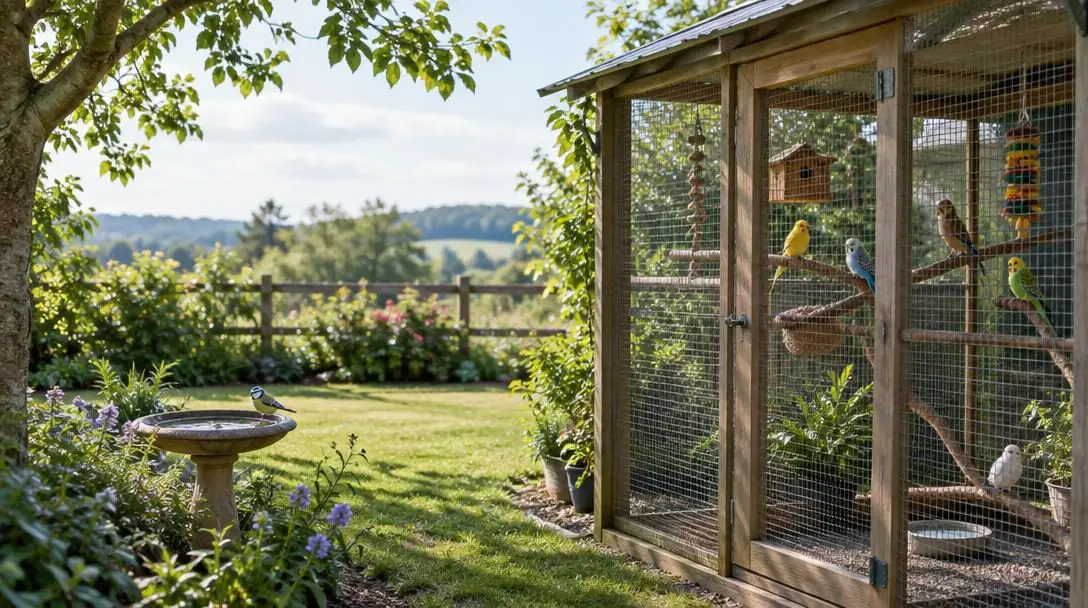
Welcoming a bird into your living space introduces dynamic energy, vibrant vocalizations, and exceptional companionship, but it also necessitates a fundamental shift in how you run your household. Unlike domesticated cats and dogs, which have adapted to human domiciles over thousands of years, companion birds retain their wild instincts, specialized biological functions, and intense environmental sensitivities. They cannot be approached like low-maintenance aquarium fish or quiet cage-dwelling rodents; their daily presence reshapes your cleaning habits, air quality protocols, and long-term domestic plans. Preparing your home for an avian companion requires looking beyond cages, basic seed mixes, and decorative perches. Prospective keepers must understand that a bird's physiology interacts with the modern home in extraordinary ways, from how their dual-cycle respiratory systems absorb micro-pollutants to how their social psychology governs their vocal volume. Evaluating your daily lifestyle, living space, and long-term availability beforehand ensures a safe, enriching environment for your bird while preventing preventable heartbreak and frustration. <div class="takeaways"> <h2>Key takeaways</h2> <ul> <li>Birds possess remarkably efficient respiratory systems that make everyday household aerosols, scented candles, and airborne residues dangerous or fatal.</li> <li>Overheated nonstick cookware and appliances treated with Teflon generate odorless fumes that can kill a companion bird within minutes.</li> <li>Avian vocalizations range from gentle trills to loud screeches, making it critical to match species-specific sound levels to your household and neighbors.</li> <li>Several bird species live for 50 years or longer, requiring a dedicated multi-decade commitment that accounts for future lifestyle, housing, and budget changes.</li> <li>Natural foraging and beak maintenance behaviors mean daily messes and persistent chewing are guaranteed aspects of avian companionship.</li> </ul> </div> <h2>The Five Core Realities of Living with a Bird</h2> <p>Before bringing a bird into your home, you must examine five essential realities of avian husbandry. Addressing these practical factors before acquiring a pet protects both your living quarters and your bird's physical well-being.</p> <h3>Extreme Sensitivity to Airborne Toxins</h3> <p>Birds possess an exceptionally delicate and efficient respiratory architecture that leaves them directly exposed to pollutants lingering in domestic air. Many everyday scents and convenience items that humans use without second thought present severe, immediate threats to avian life. Scented candles, incense, plug-in air fresheners, essential oil diffusers, and aerosol cleaning sprays disperse microscopic chemical droplets that irritate avian air passages and cause toxic poisoning.</p> <p>Airborne residues derived from tobacco products are equally hazardous. Secondhand smoke can induce rapid respiratory distress, lung irritation, and long-term disease in birds. Furthermore, nicotine and associated chemical residues settle directly onto human hands, clothes, and skin. If you smoke, you must thoroughly wash your hands before handling your bird, as contact can easily transfer harmful chemical residues onto their delicate feet, skin, feathers, or daily food items.</p> <h3>Dangers of Nonstick Cookware and Kitchen Fumes</h3> <p>The unique nature of avian respiration makes the kitchen one of the most hazardous rooms in any home. Traditional nonstick cookware featuring polytetrafluoroethylene (PTFE), commonly known by the brand name Teflon, must be strictly avoided if you share your living space with a bird. When heated to high temperatures, nonstick coatings release invisible, odorless gases that are rapidly lethal to birds, often causing death within minutes of exposure without causing noticeable discomfort to humans.</p> <p>Safeguarding your companion requires auditing your kitchen cabinets and eliminating items manufactured with nonstick surfaces. Keepers should replace conventional nonstick frying pans and baking sheets with safe alternatives such as <strong>stainless steel</strong> or properly seasoned <strong>cast iron</strong>. This precaution extends beyond the stovetop: small appliances like electric waffle makers, panini grills, toaster ovens, and even certain hair dryers and ceramic space heaters can utilize nonstick coatings that release lethal vapors during operation.</p> <aside class="callout warn"> <strong>Watch out:</strong> Nonstick cookware coated with Teflon emits an invisible, odorless vapor when heated that can be fatal to birds within minutes. Audit all kitchen gear and heated appliances before bringing a bird home. </aside> <h3>Vocal Volume and Species-Specific Noise Levels</h3> <p>While cheerful whistles and conversational mimicry are major reasons people are drawn to keeping birds, prospective owners must recognize that avian vocalizations are neither occasional nor completely controllable. Depending on their species, individual personality, and daily schedule, birds communicate through a vast repertoire of sounds, including melodious singing, high-pitched chirping, loud squawking, whistling, and ear-piercing shrieks. Some smaller species produce soft, steady chatter, while larger parrots possess vocal chords capable of projecting across an entire apartment building or neighborhood block.</p> <p>Vocal frequency and acoustic intensity can become overwhelming for households unprepared for sustained noise. Because vocalizing is a natural expression of avian communication and energy, birds cannot be trained to remain silent. Before selecting a species, evaluate how much ambient sound your household, remote work routine, and surrounding neighbors can comfortably accommodate throughout the day.</p> <h3>Decades-Long Lifespan and Commitment</h3> <p>Adopting an avian companion represents a substantial, multi-decade commitment rather than a temporary pet ownership phase. Depending on the species, some birds can live for <strong>50 years or longer</strong>. In many cases, a bird adopted by an adult keeper may survive well into the keeper's senior years or even outlive them entirely. Preparing for this extended commitment requires realistic financial budgeting for recurring expenses, food supplies, enclosure maintenance, and specialized veterinary checkups.</p> <p>Fortunately, companion birds display remarkable adaptability when their basic physical and emotional requirements are reliably fulfilled. As you navigate common life milestones—such as career transitions, moving between apartments or single-family homes, welcoming a new infant, or introducing other animal companions—a well-socialized bird will adjust alongside you. Because they do not demand the extensive ground acreage of outdoor livestock, birds fit comfortably into diverse living environments, provided they receive consistent affection, daily engagement, and permanent stability across decades.</p> <blockquote class="pull"> Because their unique respiratory systems process air during both inhalation and exhalation, airborne toxins that humans never notice can quickly prove fatal to a bird. </blockquote> <h3>Daily Mess and Natural Chewing Behaviors</h3> <p>Prospective keepers should prepare for a consistent daily cleaning regimen, as birds are inherently messy animals. Unlike canines or felines that eat one or two discrete meals a day, birds are continuous foragers that consume food in small quantities all day long. Their instinctive eating habits involve sorting through seeds, husks, and fresh produce, meaning that a significant portion of food is dropped, shaken, or flung outside the cage bars onto surrounding flooring.</p> <p>Beyond scattered seed hulls and routine droppings, birds possess an innate biological urge to chew. In the wild, chewing keeps the beak naturally trimmed, exercises jaw musculature, and assists in nest building and foraging. In a domestic setting, an unoccupied bird will instinctively redirect this powerful drive toward household baseboards, picture frames, furniture legs, and electrical cords. Providing a steady rotation of safe wooden blocks, destructible paper toys, and shreddable items is essential to satisfy their natural instincts and protect your home furnishings.</p> <aside class="callout tip"> <strong>Tip:</strong> Place washable mats or wide seed guards directly beneath your bird's habitat to catch scattered pellets, seed husks, and dropped vegetables, simplifying your everyday sanitizing routine. </aside> <h2>At a Glance: Household Demands of Avian Care</h2> <table> <thead> <tr> <th>Factor</th> <th>Domestic Challenge</th> <th>Required Household Adjustment</th> </tr> </thead> <tbody> <tr> <td>Air Quality</td> <td>Microscopic airborne chemicals penetrate deep into avian lungs</td> <td>Eliminate candles, aerosols, plug-in scents, and indoor tobacco use</td> </tr> <tr> <td>Cookware</td> <td>Overheated PTFE/Teflon releases lethal, odorless gases</td> <td>Swap nonstick pans for stainless steel or seasoned cast iron</td> </tr> <tr> <td>Acoustics</td> <td>Instinctive flock calling, screeching, and daily vocalizing</td> <td>Match species sound level to your living space and local neighbors</td> </tr> <tr> <td>Longevity</td> <td>Lifespans reaching 50 years or longer in select species</td> <td>Plan for long-term veterinary care, lifestyle changes, and housing moves</td> </tr> <tr> <td>Sanitation</td> <td>Continuous foraging, thrown food scraps, and instinctual chewing</td> <td>Maintain daily enclosure cleaning and supply safe chewing substrates</td> </tr> </tbody> </table> <h2>The Science Behind Avian Biology and Behavior</h2> <p>To successfully integrate a bird into your living space, it helps to understand the underlying physiology and evolutionary psychology that govern their daily actions. A bird's anatomy is not merely a scaled-down variation of mammalian biology; it represents an entirely distinct evolutionary path designed around the high metabolic demands of flight.</p> <p>The primary driver behind their vulnerability to airborne contaminants is their <strong>dual-action respiratory system</strong>. While mammals use a bidirectional respiratory cycle—breathing in fresh air and expelling stale air through the exact same bronchial pathways—birds utilize a unidirectional system involving specialized air sacs. This continuous loop allows air to flow through their lungs during both inhalation and exhalation. This anatomical design delivers immense quantities of oxygen to fuel rapid flight muscles, but it also causes their bloodstreams to absorb airborne particulates, smoke molecules, and synthetic chemical fumes at extraordinary speeds.</p> <p>Similarly, avian vocalizations and messy feeding habits are driven by ingrained survival strategies. In nature, wild birds form complex social flocks that use specific calls at dawn and dusk to establish territories, locate stray companions, and sound alarms regarding approaching predators. When a companion bird squawks loudly from its enclosure at sunrise or sunset, it is not exhibiting bad behavior; it is engaging in ancestral flock communication. Furthermore, wild birds intentionally drop and scatter fruits and seeds across the forest floor, acting as vital seed dispersers that sustain their native ecosystems. Recognizing that these behaviors are biologically programmed enables keepers to manage them with patience and structured environmental enrichment.</p> <h2>How to Prepare Your Home Before Adoption</h2> <p>Safely configuring your residence requires systematic preparation before your new companion arrives. Completing these domestic modifications prevents preventable emergencies and establishes a secure habitat from day one.</p> <ol class="steps"> <li><strong>Audit your living space for airborne toxins:</strong> Systematically clear the home of all scented jar candles, incense sticks, synthetic room sprays, essential oil warmers, and commercial aerosol products. Designate a sheltered outdoor area away from windows where household residents or visitors must go if they smoke, ensuring they wash hands before returning inside.</li> <li><strong>Inspect all kitchen equipment and heating appliances:</strong> Check your frying pans, baking dishes, waffle irons, electric griddles, and toaster ovens for nonstick coatings. Remove nonstick items and transition to stainless steel, ceramic, or seasoned cast iron tools to ensure zero hazardous fumes are generated during meal prep.</li> <li><strong>Select and measure the enclosure location:</strong> Identify a bright, welcoming room that allows the bird to observe and participate in daily family routines without exposing them to sudden temperature drafts, uninterrupted direct sunlight, or kitchen cooking fumes. Ensure adequate clearance around the cage to allow for easy daily vacuuming and wipe-downs.</li> <li><strong>Gather appropriate enrichment and chewing items:</strong> Fit the interior of the habitat with natural wood branches of varied diameters, shreddable paper foraging puzzles, and destructible toys. Having an abundant stock of bird-safe chewing materials redirects their destructive instincts away from walls, furniture, and baseboards.</li> <li><strong>Establish dedicated cleanup zones:</strong> Install wipeable plastic floor protectors or non-toxic mats directly beneath the enclosure perimeter. Outfit the base of the cage with protective seed guards to minimize the distance dropped hulls, spilled water, and fresh food remnants travel across your living space.</li> </ol> <h2>Critical Mistakes Prospective Keepers Must Avoid</h2> <p>Well-meaning owners frequently encounter unexpected hurdles due to widespread misconceptions regarding avian maintenance. Avoiding these common mistakes will protect your bird's welfare and ensure a smooth household transition:</p> <ul> <li><strong>Failing to wash hands thoroughly after smoking:</strong> Lingering nicotine and chemical tars stick to human fingertips. Handling a bird without washing transfers these residues directly to the animal's plumage and skin, leading to feather picking and chemical ingestion during daily grooming.</li> <li><strong>Expecting total silence during quiet hours:</strong> Assuming an avian pet will remain quiet in a shared apartment or home office leads to frustration. Birds naturally vocalize, chirp, and squawk to greet the morning sun, express excitement, or announce social needs.</li> <li><strong>Neglecting mental boredom and enrichment supplies:</strong> Leaving an intelligent companion without dedicated toys and puzzle elements causes behavioral stress. Deprived birds will satisfy their foraging drives by gnawing on wood moldings, household doors, furniture edges, and loose electrical cables.</li> <li><strong>Overlooking hidden nonstick heating elements:</strong> Many people remember to swap out their primary cookware but forget that small home appliances—such as space heaters, clothes irons, and salon blow-dryers—frequently feature nonstick heat shields that emit fatal vapors when turned on.</li> <li><strong>Underestimating multi-decade life changes:</strong> Adopting a long-lived species without planning for housing changes, career relocations, marriages, or estate planning often results in pet rehoming for an animal that depends heavily on social permanence.</li> </ul> <section class="faq"> <h2>Frequently asked questions</h2> <details> <summary>Can I keep my bird's cage inside the kitchen?</summary> <p>No. The kitchen is the most hazardous room in the home for an avian pet due to rapid temperature fluctuations, hot grease splatters, and the elevated risk of encountering toxic cooking fumes from overheated pans or nonstick surfaces.</p> </details> <details> <summary>Are essential oils and diffusers safe if used in another room?</summary> <p>No. Airborne essential oil vapors drift quickly through central heating, ventilation, and air conditioning ducts. Because avian lungs absorb microscopic particles with extreme efficiency, diffused essential oils can cause severe respiratory distress regardless of the room they are placed in.</p> </details> <details> <summary>Do all companion bird species live for 50 years?</summary> <p>No. Lifespans vary significantly by species. While select large parrot breeds can live for 50 years or longer, smaller species generally have shorter lifespans. Prospective owners should always research the typical longevity of their specific species of interest before adopting.</p> </details> <details> <summary>How can I stop my companion bird from chewing on home furniture?</summary> <p>Chewing is an innate survival behavior that cannot be completely eliminated. Instead, redirect this instinct by outfitting your bird's habitat with an abundance of bird-safe wood blocks, destructible paper toys, and natural perches so they satisfy their gnawing needs inside their own enclosure.</p> </details> <details> <summary>Should I locate an avian veterinarian before bringing a bird home?</summary> <p>Yes. General practice veterinarians often lack specialized diagnostic tools and clinical training for exotic avian anatomy. Finding an experienced, qualified avian veterinarian prior to adoption ensures your bird receives essential wellness checks, dietary guidance, and immediate emergency care when required.</p> </details> </section> <h2>The Bottom Line</h2> <p>Sharing your home with an avian companion is an exceptionally rewarding experience that enriches your daily life with intellect, social charm, and distinctive character. However, success depends upon recognizing that birds cannot adapt to human home environments without proactive changes on your part. By eliminating toxic airborne risks, replacing dangerous nonstick cookware with stainless steel or cast iron, accepting daily vocalizations and foraging messes, and committing to decades of consistent care, you create a healthy, stable sanctuary where your feathered friend can truly thrive.</p>