
5 Things You Should Know About Buying Land in the Metaverse
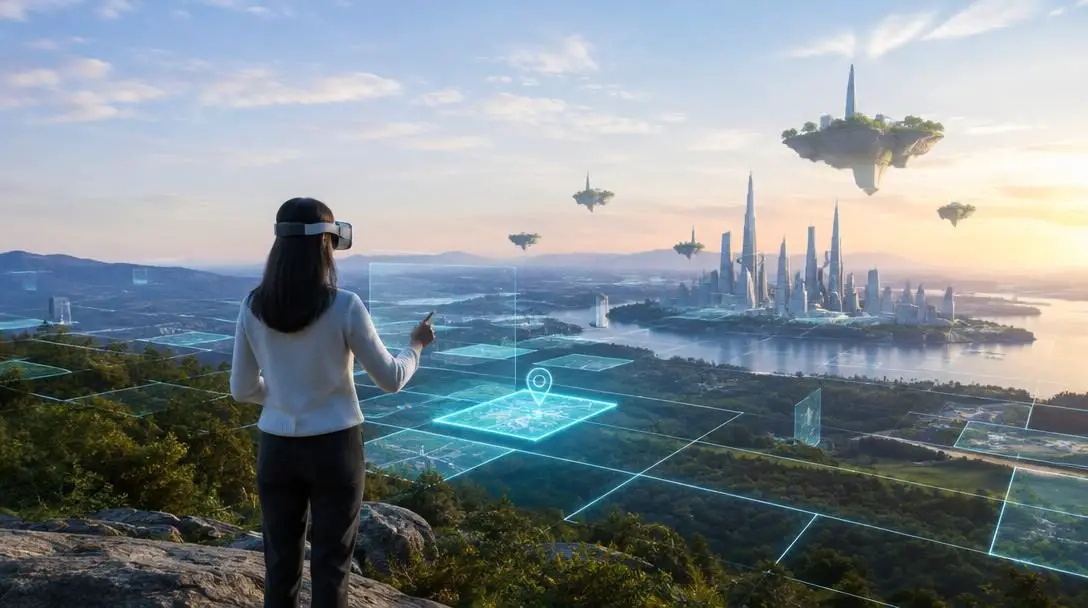
The metaverse represents a leap from static two-dimensional browsing to continuous, three-dimensional virtual reality spaces where people interact using digital avatars. Within these immersive environments, users gather for entertainment, attend classes, collaborate on work projects, conduct commerce, and purchase virtual property. Rather than viewing the web through flat interfaces, participants inhabit computer-generated environments alongside other users and software applications in real time.
As these persistent worlds have grown, virtual real estate has transformed from a niche experimental sector into a focal point of global digital commerce. Prominent entertainment icons like Snoop Dogg, alongside international corporate giants such as Samsung and JP Morgan, have acquired distinct parcels of digital land. While their high-profile moves have captured international headlines, purchasing virtual property is fundamentally different from acquiring physical real estate. Navigating this emerging market requires an understanding of underlying software networks, cryptocurrency ecosystems, and the inherent risks of unregulated digital assets.
Key takeaways
- Metaverse parcels serve either as functional digital home bases for branding and commerce or as speculative assets bought for potential appreciation.
- Virtual real estate transactions are almost entirely settled using platform-compatible cryptocurrencies handled through decentralized digital wallets.
- Buyers source land through initial primary platform offerings or secondary marketplaces such as opensea.io and nonfungible.com.
- Virtual property lacks traditional legal protections and zoning guarantees, leaving buyers exposed to scams, market volatility, and total platform collapse.
- The long-term value of digital land relies entirely on sustained user adoption and whether individual platforms achieve lasting cultural dominance.
Five Essential Realities of Metaverse Land
Before committing capital to digital land, prospective buyers must evaluate the foundational realities of the virtual property market. Unlike physical soil, computer-generated space operates under entirely different economic, technical, and regulatory mechanisms.
Metaverse Land Offers Practical Utility
Purchasing land in a virtual environment generally serves one of two overarching purposes: establishing an online home base or speculating on asset appreciation. For many individuals and enterprises, a virtual parcel functions much like a custom website address in earlier eras of the internet. It provides a distinct, identifiable destination where brands, creators, and social groups can assemble their audiences. Within these parcels, owners can construct custom environments that express their creative identity, display digital art, or host interactive events.
Alternatively, many buyers approach virtual real estate as a purely financial vehicle, purchasing parcels with the hope that increasing platform popularity will push resale prices higher. While this speculative approach has generated substantial returns during market upswings, it carries elevated risk because digital demand can shift rapidly based on shifting technological trends and user attention.
Transactions Require Compatible Cryptocurrency
In traditional real estate markets, transactions settle through conventional banking rails using national fiat currencies such as the US dollar or euro. In contrast, virtual land transactions settle with cryptocurrency. Each virtual environment relies on specific blockchain networks and designated digital tokens to process trades.
Because fiat currency cannot directly finalize land deeds on these platforms, prospective buyers must establish a compatible digital wallet and fund it with the required cryptocurrency before attempting a purchase. Furthermore, buyers must account for network transaction fees, which can fluctuate wildly depending on network congestion at the moment the transaction is broadcast.
Parcels Trade on Primary and Secondary Marketplaces
Virtual real estate enters the market through two distinct channels. When a platform launches or expands its virtual world, it often distributes parcels directly to the public through initial land offerings or dedicated primary marketplaces. Once these primary allocations are complete, trading moves to secondary channels.
Landowners frequently list their holdings on independent third-party marketplaces, which aggregate parcels across multiple virtual worlds. Platforms such as opensea.io and nonfungible.com serve as digital real estate hubs where prospective buyers can inspect listings, review historical pricing, communicate with sellers, negotiate bids, and finalize decentralized transactions securely.
Buyers Face Severe Market and Operational Risks
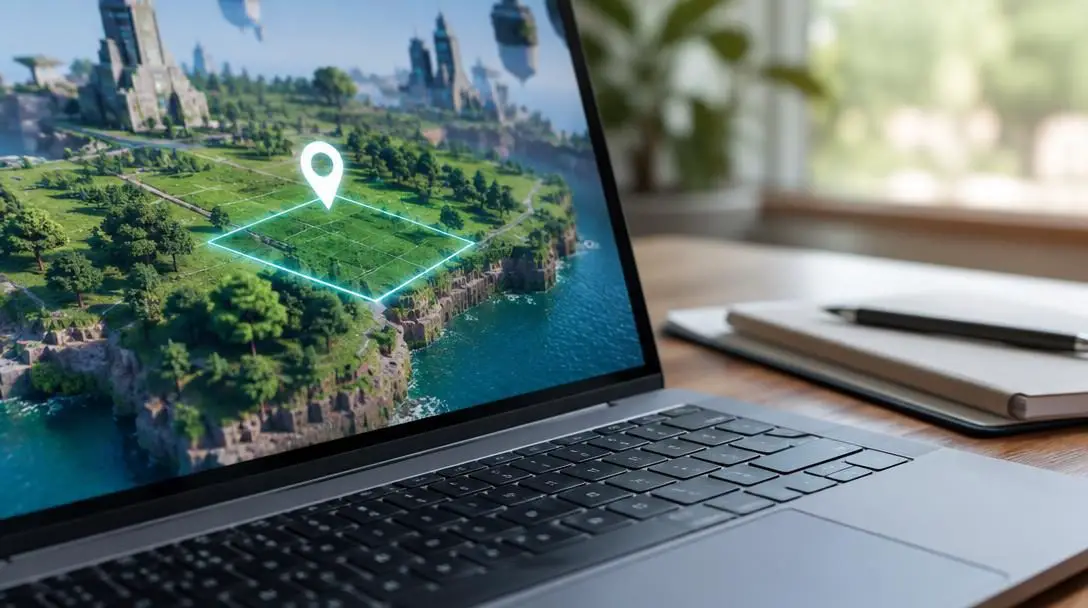
While stories of early investors selling parcels for massive profits have fueled widespread interest, virtual real estate remains an exceptionally volatile asset class. Severe market and operational risks confront every buyer. The value of a parcel can drop precipitously overnight if user engagement wanes or if the broader cryptocurrency sector experiences a downturn.
Worse, buyers do not enjoy the legal guardrails, statutory title insurance, or municipal zoning regulations that protect buyers in physical property transactions. If a host platform encounters technical failure, halts operations, or suffers catastrophic server abandonment, the land parcels built on its architecture can become completely worthless. In addition, malicious actors frequently target virtual property buyers using cloned marketplace websites, fraudulent listings, and wallet-draining scams.
Long-Term Value Relies on Metaverse Adoption
Physical land derives enduring value from geographic scarcity, municipal infrastructure, and irreplaceable physical location. Virtual property, however, exists entirely within code. Because software developers can theoretically create infinite virtual spaces across competing platforms, long-term value depends on sustained human attention and network effects.
Every land acquisition represents a direct bet that the chosen virtual world will maintain an active, engaged community over multiple years. Investors face the historical dilemma of technological adoption: just as early social media pioneer Myspace eventually yielded its dominant market position to Facebook, an individual metaverse platform that appears dominant today could easily fade into obscurity if users migrate elsewhere.
In the digital realm, investors are placing major bets not just on individual platforms, but on whether the metaverse itself will endure as a permanent societal force.
Where Metaverse Land Trades
Prospective buyers must navigate different digital marketplaces depending on whether they are buying newly minted parcels or purchasing existing land from current holders. The source and secondary distribution channels offer distinct operational environments.
| Marketplace Channel | Distribution Category | Core Functionality | Settlement Method |
|---|---|---|---|
| Host Platform Marketplaces | Primary sales channel | Initial land offerings, developer sales, and direct community allocations | Platform-specific cryptocurrency |
| OpenSea (opensea.io) | Secondary marketplace | Cross-platform browsing, direct price bidding, and peer-to-peer property transfers | Compatible cryptocurrency via digital wallet |
| NonFungible (nonfungible.com) | Secondary marketplace | Market history review, secondary property listings, and transaction execution | Compatible cryptocurrency via digital wallet |
How Virtual Real Estate Operates Behind the Scenes
Understanding the architecture of virtual real estate clarifies how digital ownership functions without physical title registries or local government clerks. Virtual real estate exists as uniquely identifiable digital assets recorded on a distributed ledger network.
Each parcel of land is defined by fixed Cartesian coordinate markers that outline its exact boundary lines on the host world's overarching digital map. When a buyer completes a transaction, the network updates the record to link that coordinate set directly to the buyer's private digital wallet. Because that wallet holds the cryptographic credentials confirming ownership, the owner exercises complete administrative authority over the plot.
This cryptographic connection enables owners to develop the space according to their objectives. Using the host platform's proprietary software development kits and building engines, owners can design interactive buildings, create immersive 3D art galleries, or build functioning commercial storefronts that sell goods and services. The software infrastructure of the host platform sets the operational boundaries, determining building heights, interactive scripting capabilities, and visitor capacities.

Step-by-Step Guide to Purchasing Virtual Land
Entering the virtual property market requires methodical preparation. Because blockchain transactions are immutable and cannot be reversed by customer support desks, buyers must follow a deliberate, security-focused process.
- Select your target platform: Research virtual environments to identify one whose community demographics, corporate partnerships, and software tools align with your commercial or social goals.
- Set up a secure digital wallet: Install a reputable digital wallet compatible with the network hosting your chosen virtual world. Record your private keys and recovery seed phrases offline in a secure physical location.
- Acquire compatible cryptocurrency: Check which specific digital currency the platform or secondary marketplace requires. Purchase the tokens through a recognized exchange using fiat currency and transfer them into your personal digital wallet.
- Connect your wallet to a verified marketplace: Access the platform's primary portal or an established secondary exchange like opensea.io or nonfungible.com, ensuring the web address is authentic before linking your wallet interface.
- Analyze available parcels: Review coordinate locations, historical sales data, neighboring parcel developments, and foot-traffic indicators to evaluate relative pricing across the platform map.
- Execute the transaction: Submit an offer or execute an immediate purchase at the seller's asking price. Verify all network gas fees and contract addresses carefully before signing the transaction with your wallet.
Critical Mistakes Prospective Buyers Must Avoid
The unfamiliar intersection of property mechanics and cryptocurrency infrastructure makes virtual real estate a minefield for beginners. Avoiding several frequent missteps can protect capital and streamline operations.
- Assuming physical property protections apply: Expecting legal recourse, standardized deeds, or zoning boards to protect your investment is dangerous. Virtual land markets are decentralized and largely unregulated.
- Falling prey to fraudulent listings: Scammers regularly mint counterfeit property tokens or construct imitation marketplace websites to deceive buyers. Failing to verify the platform contract address can result in purchasing worthless code.
- Overlooking platform viability: Buying land solely based on attractive graphics without evaluating active daily user counts, developer roadmaps, and technical stability risks buying into an abandoned platform.
- Relying entirely on short-term price appreciation: Treating parcels purely as speculative assets leaves buyers vulnerable to sudden liquidity crunches when trading volumes dry up.
- Mishandling cryptocurrency requirements: Neglecting to calculate network transaction fees or transferring funds across incompatible blockchain networks can lead to failed transactions or permanently lost assets.
Market Timing and Strategic Outlook
Determining whether to acquire virtual land today depends heavily on your investment horizon and strategic intent. The future trajectory of the metaverse remains an area of sharp debate among financial institutions and technology analysts.
On one side of the debate, major financial institutions such as Citibank have published optimistic forecasts predicting substantial growth and economic expansion for the metaverse over a multi-year horizon. Proponents argue that as digital identity becomes more central to modern culture, branded virtual spaces and digital hubs will command premium valuations.
Conversely, market skeptics caution that virtual real estate behaves as a high-beta crypto asset characterized by extreme price swings and unpredictable liquidity. Without a clear plan for practical utility, such as hosting an operational retail enterprise or generating recurring commercial revenue, holding empty virtual land exposes owners to substantial ongoing risk. Before deploying funds, buyers should balance corporate optimism against technical volatility, evaluating whether their operational plans justify the capital commitment.
Frequently asked questions
How do you prove legal ownership of virtual land?
Ownership of virtual land is established through cryptographic credentials stored in your personal digital wallet. The host platform's distributed ledger records your wallet address as the exclusive owner of the parcel's specific coordinate boundaries, allowing you to develop or transfer the space.
Can you buy metaverse land directly with dollars or euros?
Virtual land transactions typically do not settle in fiat currencies like dollars or euros. Buyers must convert their fiat currency into the platform's required cryptocurrency through an exchange and complete the purchase using a connected digital wallet.
Why have companies like JP Morgan and Samsung purchased virtual property?
Corporations purchase virtual land to build digital marketing centers, engage with tech-savvy audiences, launch virtual storefronts, and test commercial applications in immersive 3D environments.
What happens to your virtual land if a platform shuts down?
If a host platform ceases operations or goes offline, the digital coordinates and the land built upon its software infrastructure become unusable and lose their market value, as the underlying world no longer exists to render the property.
Where can you find secondary market listings for digital land?
Secondary land listings can be found on established decentralized marketplaces such as opensea.io and nonfungible.com, where users list properties, track price history, negotiate offers, and execute peer-to-peer transfers.
The bottom line
Buying land in the metaverse provides a unique opportunity to secure early digital real estate, whether for corporate branding, interactive community building, or speculative investment. However, virtual real estate is fundamentally governed by code, network effects, and cryptocurrency liquidity rather than physical soil and statutory protections.
Prospective buyers who approach the market with a clear purpose—focusing on active utility, brand presence, and reliable software infrastructure—stand the best chance of navigating this dynamic asset class successfully. By understanding the core mechanics of digital wallets, staying vigilant against common scams, and critically evaluating platform adoption, you can make informed decisions in the evolving virtual landscape.