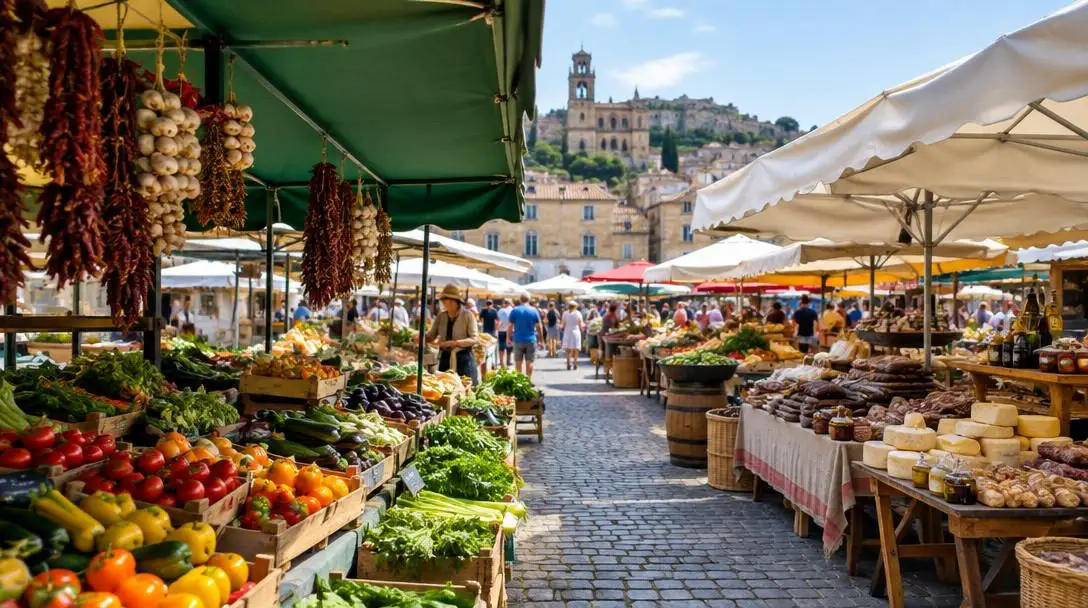
The Culture Guide: 5 Things You Should Not Do When Visiting France
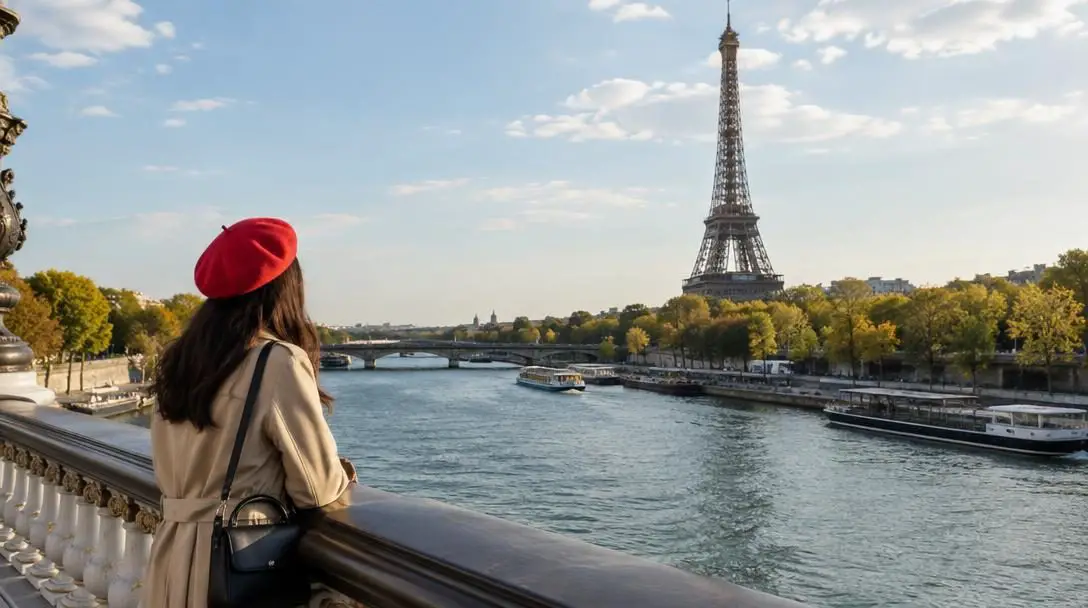
France is a vast nation of more than 67 million people, where regional customs and individual habits blend into an overarching national code of conduct. Navigating daily life as an overseas traveler requires an appreciation for social conventions that have been refined across centuries, governing everything from dinner table etiquette to transit decorum and municipal schedules.
Unlike service cultures built around instant commercial gratification and endless customization, French society prioritizes artisan authority, linguistic pride, and deliberate boundaries between public life and domestic rest. Understanding these ingrained expectations transforms a journey, replacing awkward misunderstandings with genuine hospitality and mutual respect across cities and small towns alike.
Key takeaways
- French culinary traditions place complete authority in the hands of the chef, meaning dish modifications and unusual condiment requests are viewed as disrespectful.
- Discretion is central to public life, requiring visitors to keep speaking volumes low and avoid disruptive mobile phone usage in shared spaces.
- Fewer than 40 percent of French citizens speak English to any degree, making an opening greeting in French an essential courtesy before asking questions.
- Legal restrictions and family customs keep most commercial establishments closed on Sundays, demanding advance planning for dining and shopping.
- During August, widespread annual vacations prompt residents to leave major urban centers like Paris and Marseille, leaving many independent shops shuttered.
The foundational principles of French public life
Everyday interactions in France function through long-held social contracts. While international travelers often expect consumer establishments to adapt entirely to the patron, French establishments operate under a shared belief in professional mastery, communal tranquility, and protected civic rhythm.
Public environments are treated as collective goods rather than personal extensions of living rooms. In metro cars, streetscapes, and dining rooms, citizens maintain a balance of non-intrusiveness. This mutual reserve ensures everyone enjoys a calm atmosphere without being subjected to another person's noise or demands. Lowering one's voice, waiting patiently for assistance, and observing the room's energy are foundational expectations.
Similarly, the concept of time in France honors life outside of commerce. Unlike cultures where retail never pauses, the French calendar maintains boundaries that shield private time from consumerism. The standard working rhythm reserves dedicated days for family gatherings, quiet rest, and seasonal retreats, directly shaping when stores open and how public life unfolds throughout the year.
French social conventions at a glance
| Behavior to avoid | Underlying cultural reason | Recommended travel practice |
|---|---|---|
| Modifying meals or requesting condiments | The chef's training and recipe balance are considered an artisan craft | Order dishes containing ingredients you already enjoy without making alterations |
| Speaking loudly in transit and public areas | Shared public space relies on collective quiet and mutual discretion | Lower your vocal volume and avoid taking calls on speakerphone |
| Opening interactions entirely in English | French is the national identity, and under 40 percent of locals speak English | Begin every conversation with an introductory greeting in French |
| Planning shopping trips for Sundays | Sundays are culturally and legally reserved for domestic life and family rest | Purchase groceries and souvenirs on Friday or Saturday |
| Visiting major cities in August | Local owners take extended summer holidays along the Mediterranean and abroad | Schedule trips during months when neighborhood boutiques and cafes remain open |
Five things you should not do when visiting France
Travelers who make a conscious effort to align with local norms will find French hosts to be attentive and welcoming. Avoiding these five frequent cultural errors will ensure your interactions remain pleasant and respectful.
Changing your restaurant meal
In a French dining establishment, the chef rules the kitchen. Meals are not treated as basic sustenance or customizable commodities; they are considered complete, deliberate compositions developed through professional culinary training. Attempting to alter a recipe disrupts the balance of flavors the kitchen intended to deliver.
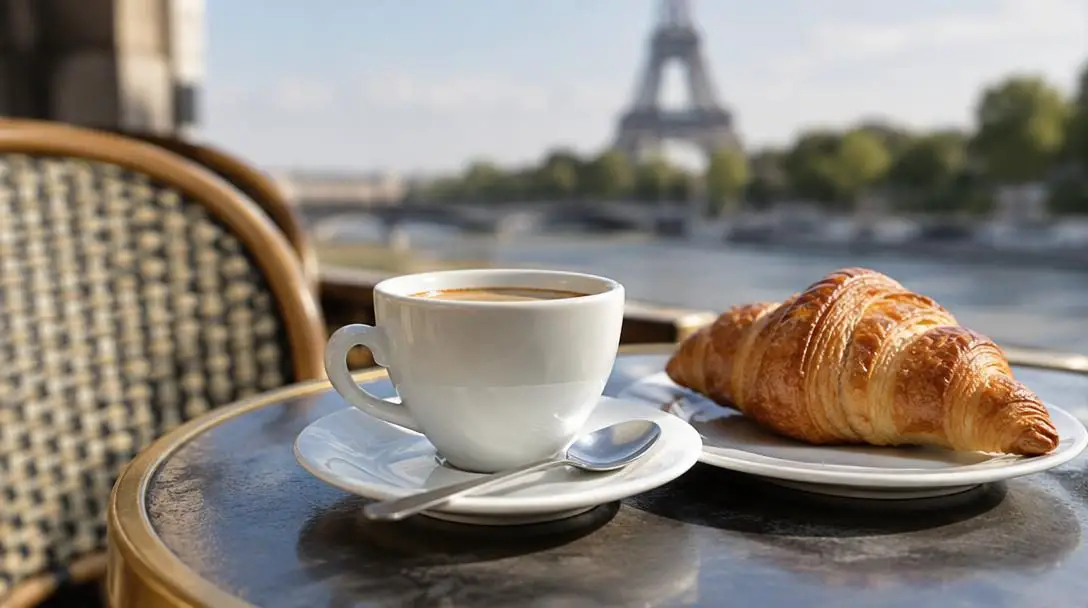
Do not ask the kitchen to omit ingredients like onions because of personal taste preferences, do not attempt to substitute low-calorie alternatives into rich desserts, and do not request salad dressings on the side. Most importantly, avoid asking for ketchup to pour over your plate. Modifying a dish signals that you do not trust the chef's professional judgment and culinary craft.
Dining in France is viewed as an art form rather than mere sustenance, meaning alterations disrupt the intended culinary outcome.
Talking loudly in shared spaces
Public calm is a communal responsibility in France. Citizens prize discretion and expect others to conduct themselves with modesty when sharing spaces like street corridors, cafes, trains, and the metro. Shouting across tables, speaking at high volume, or using mobile devices on speakerphone violates this mutual courtesy.
Keep your speaking voice at a controlled, lowered tone, particularly during commute hours on public transportation. Respecting the privacy of fellow passengers means maintaining personal space and avoiding boisterous laughter or intrusive telephone conversations that disrupt the quiet atmosphere around you.
Speaking only in English
Assuming that everyone around you understands English is a frequent miscalculation made by overseas visitors. In reality, fewer than 40 percent of French people speak English to any degree. Walking directly up to a store clerk, server, or transport agent and launching into English without acknowledging the local language often produces confusion and awkwardness.
Language functions as a cornerstone of French civic identity and cultural heritage. When someone hesitates or looks puzzled after an English inquiry, they are generally struggling with comprehension rather than showing impoliteness. Taking the initiative to introduce your conversation with a simple greeting in the local tongue demonstrates that you respect your host nation.
Expecting things to be open on Sundays
The traditional French workweek differs sharply from nations where consumer enterprises operate seven days a week. In France, Sunday is preserved for families and personal restoration. In many jurisdictions, government regulations explicitly forbid businesses from opening their doors on this day.
Visitors who assume that suburban retail complexes, neighborhood groceries, small cafes, and essential services will operate normal schedules will encounter locked storefronts. While select cultural monuments and transportation hubs operate, commercial avenues that bustle on Friday and Saturday typically fall silent on Sunday as workers step away from commerce.

Coming in August
Scheduling an exploration of major metropolitan areas during the peak of late summer often leads to disappointment. August is the primary vacation month across France, and citizens take this seasonal leave seriously. Residents of major hubs like Paris and Marseille pack their bags and head toward Mediterranean coastlines or foreign destinations.
Because proprietors take their mandated annual leave during this period, charming neighborhood bakeries, independent boutiques, and family-run bistros shut down for weeks at a time. Rather than observing the vibrant cadence of everyday French civic life, travelers visiting in August will navigate streets largely populated by fellow tourists wondering where the neighborhood residents went.
Practical steps for a smooth trip
Adapting your travel patterns to match the domestic tempo of France requires only minor adjustments to how you plan, communicate, and dine throughout your stay.
- Learn essential courtesy phrases in French: Commit common greetings and polite inquiries to memory so that you can initiate every exchange in the native language before asking if the other person speaks English.
- Review menus in detail before selecting a restaurant: Read the posted menu outside an establishment to ensure it features preparations you can enjoy as written, eliminating the temptation to request alterations.
- Calibrate your voice to your immediate surroundings: Take a moment upon entering a train, bus, cafe, or dining room to assess the ambient sound level and lower your conversational tone accordingly.
- Organize weekend purchases well ahead of Sunday: Buy pantry items, gifts, and pharmacy supplies by Saturday afternoon, and map out museum visits or park outings for the quiet final day of the week.
- Select travel dates outside the late-summer exodus: Book trips to major urban hubs during spring, autumn, or early summer when local business owners are present and neighborhood storefronts operate regular schedules.
Common mistakes and how to avoid them
Even conscientious travelers can run into social friction by relying on consumer habits developed in their home countries. Keeping these distinctions in mind will prevent awkward moments:
- Treating dining like an assembly line: Instead of asking servers for customized sides, dressings on the side, or separate sauces, accept the plate as the kitchen designed it. If you have severe dietary limits, pick dishes that naturally fit your needs.
- Bypassing polite introductions: Jumping directly into transactional questions without a polite French greeting creates instant social distance. A brief, polite opening shows respect and puts the other person at ease.
- Postponing shopping until the weekend: Saving souvenir shopping or essential errands for Sunday morning leads to locked doors. Complete your commercial errands on weekdays or Saturday.
- Expecting urban vitality in late summer: Assuming August offers the best metropolitan atmosphere results in closed family-owned bakeries and quiet neighborhoods. Plan city visits during months when local residents live and work in the area.
- Treating public transport like a private room: Loud mobile phone calls, watching media without headphones, and crowding fellow riders disrupt the quiet commute valued in French cities. Keep phones quiet and preserve personal space.
Frequently asked questions
Why do French restaurants discourage modifying menu items?
In French dining, the chef is considered a culinary artisan who designs each recipe to achieve a precise harmony of flavors and textures. Making substitutions, asking for dressings on the side, or requesting extra condiments like ketchup disrupts this composition and disregards the kitchen's professional expertise.
How many people in France speak English?
Fewer than 40 percent of the French population speaks English to some degree. Because of this, assuming everyone around you understands English is inaccurate, and opening conversations directly in English without a greeting can create communication hurdles.
Why are so many businesses closed on Sundays throughout France?
Sunday is culturally and legally designated as a day of rest dedicated to family life and personal recuperation. National and municipal regulations restrict commercial activity on Sundays, meaning most retail stores, markets, and neighborhood businesses stay closed.
What happens in Paris and Marseille during the month of August?
During August, large numbers of residents leave major cities like Paris and Marseille to take their annual summer vacations, often traveling to Mediterranean beaches or abroad. As a result, many local shops, independent boutiques, and family-owned restaurants close down for the month.
What is the proper etiquette when taking public transit in France?
Riders on French trains, buses, and the metro are expected to respect communal quiet by speaking in low tones, keeping mobile devices on silent, avoiding speakerphone conversations, and giving fellow travelers adequate personal space.
The bottom line
France offers travelers deep cultural richness, but experiencing it fully requires stepping away from consumer-driven assumptions. The country operates on a social rhythm where professional mastery is valued over customization, communal quiet is preferred over loud public expression, and deliberate rest takes precedence over uninterrupted retail commerce.
By learning introductory greetings, honoring the chef's culinary choices, respecting shared spaces, and planning your itinerary around Sunday closures and the August holiday season, you demonstrate consideration for the people who make France their home. When visitors approach the country on its own terms, they will discover that French hospitality is both gracious and rewarding.