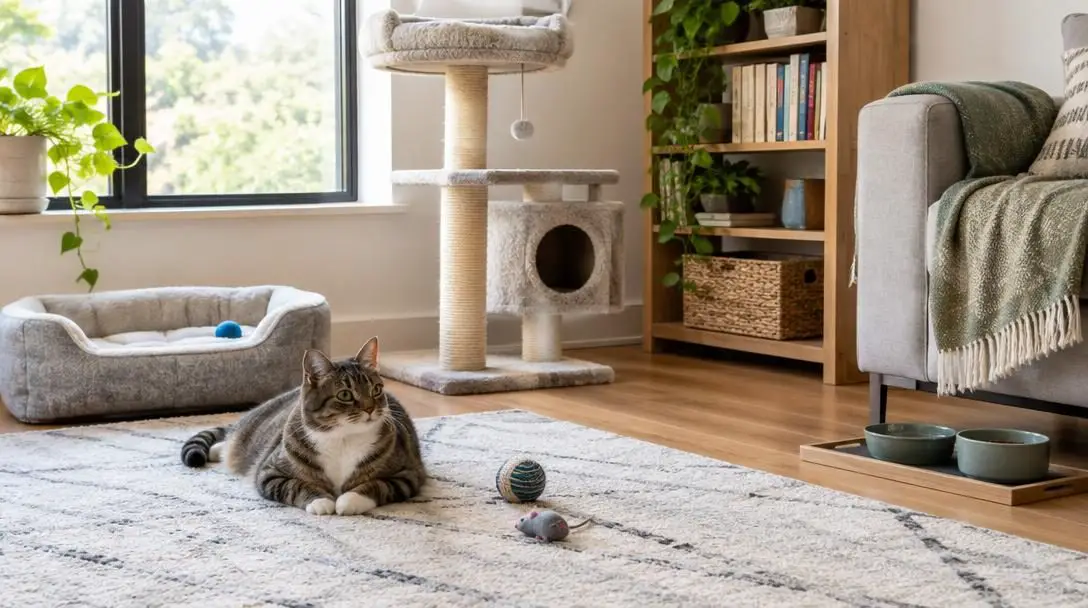
5 Tips For A Well-Trained Cat
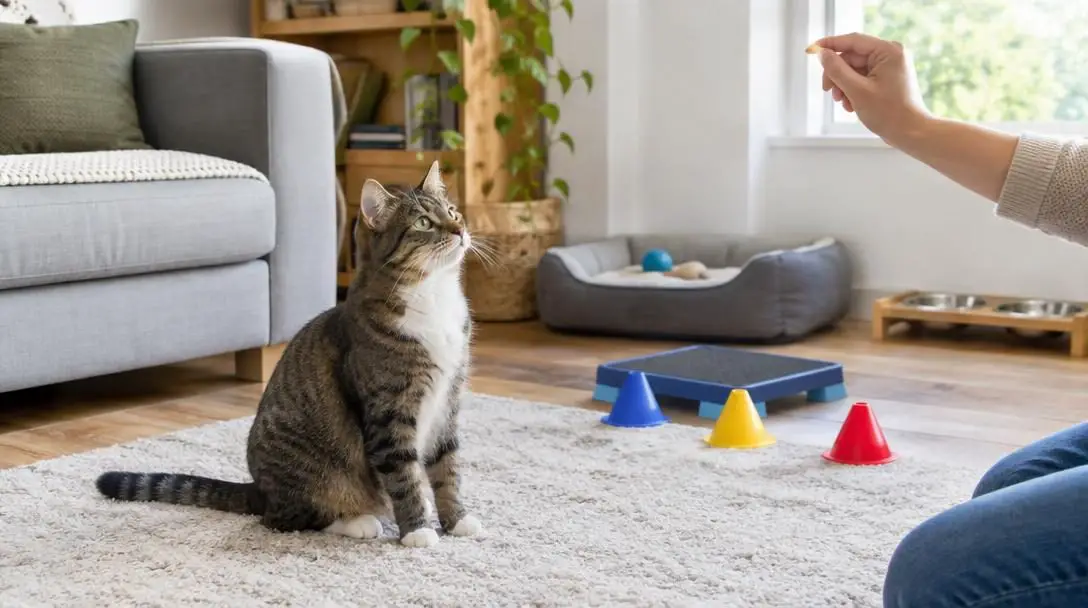
For generations, domestic cats have carried an undeserved reputation for being aloof, independent, and fundamentally untrainable. Because their evolutionary lineage differs substantially from canine pack animals, many people assume felines lack the interest or cognitive capacity to acquire structured behaviors. In reality, while dogs were historically domesticated through cooperative working roles like herding, hunting, and guarding, cats entered human settlements as solitary hunters managing rodent populations largely on their own terms. They do not work for social approval or verbal praise, but when approached through modern behavioral science, cats demonstrate exceptional observational intelligence and rapid associative learning.
Feline training is not an exercise in establishing dominance or demanding blind obedience; rather, it is a form of clear, two-way communication that aligns human household expectations with natural feline instincts. In indoor environments, unchanneled predatory drives frequently manifest as destructive clawing, litter box avoidance, or defensive fear. Structured positive reinforcement provides housecats with crucial mental stimulation, channeling natural energy into cooperative habits that reduce domestic friction and strengthen the human-animal bond.
Key takeaways
- Cats learn through clear cause-and-effect associations and positive reinforcement rather than social appeasement or human approval.
- A mechanical clicker serves as an instantaneous, emotionally neutral event marker that tells a cat exactly which action earned a reward.
- High-value rewards such as freeze-dried meat, moist treats, or predatory wand play are necessary to capture feline focus during training.
- Short daily sessions lasting two to five minutes maintain enthusiasm and prevent mental fatigue or disinterest.
- Aversive punishments like spray bottles or yelling increase feline stress and produce covert unwanted behaviors rather than true compliance.
The Mechanics of Positive Reinforcement and Feline Drive
Successful feline training relies entirely on positive reinforcement, which involves introducing a desirable stimulus immediately after a behavior occurs to increase the likelihood of that behavior recurring. Because cats lack an instinctive drive to please humans, traditional canine training incentives such as enthusiastic verbal praise or head pats rarely function as effective motivators. Instead, feline training capitalizes on primary biological drives: nutrition and predation.
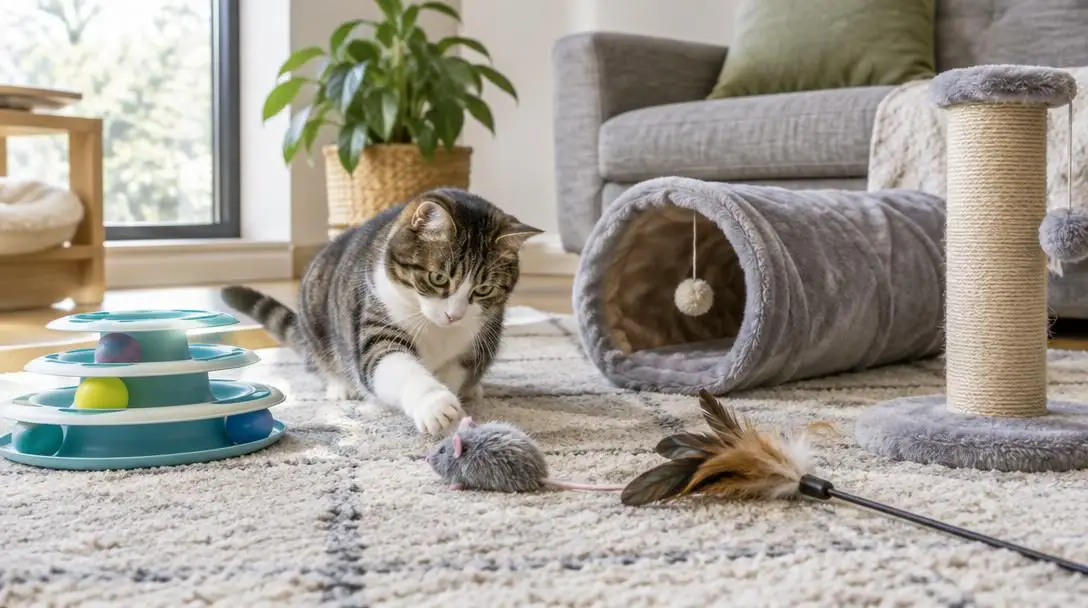
Food motivation depends on offering rewards with high olfactory and taste appeal. Standard daily kibble rarely elicits intense focus, particularly if food is left out for free-feeding. High-value incentives such as small bites of moist food, freeze-dried pure meat, or fragrant specialty crunchy treats generate immediate interest. Alternatively, training can tap into a cat's predatory drive by utilizing interactive toys—such as wand lures, feathers, or small chasing balls—as immediate post-behavior rewards for cats that prioritize play over food.
Because cats connect outcomes to actions that occurred in the exact preceding moment, timing is paramount. If several seconds elapse between an action and the delivery of a treat, the cat will fail to connect the reward to the intended behavior. This latency issue makes mechanical clicker training invaluable. The clicker produces a distinct, instantaneous sound that functions as an event marker, pinpointing the precise millisecond a cat performs a desirable movement before the treat is handed over.
Mechanical clickers bridge the gap between action and reward by providing an emotionally neutral, consistent marker that human speech cannot match.
Training Priorities at a Glance
Before introducing practical exercises, it helps to understand how different household behaviors relate to feline instincts and what environmental adjustments are necessary to ensure success.
| Training Focus | Primary Motivator | Key Environmental Tool | Core Behavioral Objective |
|---|---|---|---|
| Clicker Conditioning | High-value food treats | Handheld mechanical clicker | Associate the distinct clicking sound with an incoming reward |
| Scratching Post Use | Food treats and interactive play | Tall, sturdy sisal or wood post | Redirect scent-marking and claw-shedding away from furniture |
| Harness and Leash | High-value food and play distraction | Feline-specific fitted harness and lightweight lead | Facilitate secure, low-stress outdoor exploration |
| Litter Box Maintenance | Substrate preference and immediate treats | Clean, quiet, uncovered litter trays | Ensure consistent elimination in designated indoor locations |
| Social Exposure | Gentle treats and elevated perches | Quiet rooms and retreat zones | Build confidence around unfamiliar guests and novel stimuli |
5 Essential Training Behaviors for a Well-Adjusted Cat
Applying deliberate, stepwise conditioning allows cats to master both fundamental domestic manners and enriched lifestyle activities without fear or frustration.
1. Starting Clicker Conditioning
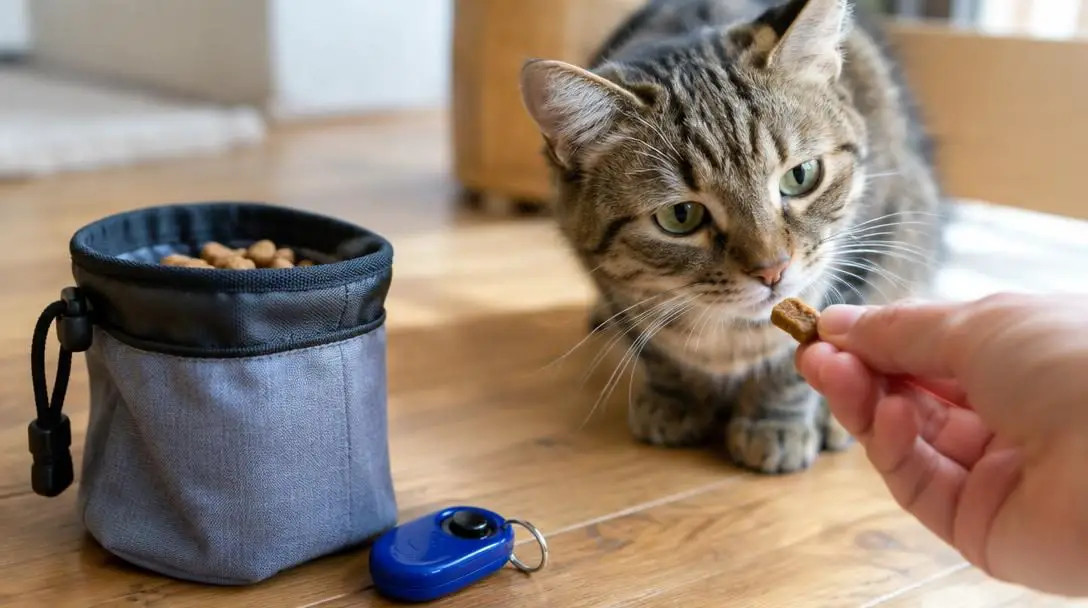
Before you can guide complex behaviors, your cat must understand that the clicker serves as a guarantee of an immediate reward. This foundational process, known as charging the clicker, requires no performance from the animal.
- Gather a supply of fragrant, high-value treats and settle with your cat in a quiet room free from competing household distractions.
- Hold the clicker casually in your hand without pointing it directly toward the cat's face or body.
- Press the clicker once to emit a single, crisp sound, and immediately offer or toss a treat to your cat.
- Allow the cat to consume the reward and turn their attention back toward you.
- Click again and instantly deliver a second treat, repeating this pairing ten to fifteen times in a brief, low-pressure sitting.
End the session promptly after ten to fifteen repetitions. Repeat this routine once or twice daily over several days. You will know the association is firmly established when the cat visibly perks up, rotates their ears forward, or looks expectantly toward your treat hand the moment they hear the sound. Once this conditioned reflex occurs, the marker can be applied to practical actions.
2. Teaching Scratching Post Use
Scratching is an involuntary physiological requirement for felines. It removes the dead outer sheaths of their claws, exercises their back and shoulder musculature, and deposits visual markers alongside scent from interdigital paw glands. The objective of training is never to suppress scratching entirely, but to guide the instinct toward appropriate substrates.
- Position a tall, stable scratching post directly in front of targeted furniture or near sleeping areas where cats naturally stretch upon waking.
- Reward spontaneous exploration by clicking and treating whenever your cat approaches or sniffs the post independently.
- Entice engagement by dragging a wand toy across the post material or lightly scratching the surface with your fingernails to generate acoustic curiosity.
- The instant the cat sinks their claws into the scratching surface, press the clicker and deliver a high-value treat or launch into energetic predatory play.
- Maintain absolute consistency by rewarding every voluntary use of the post while making unwanted targets inaccessible or unappealing.
Because cats prioritize surfaces that yield reliable positive outcomes, providing immediate food rewards at the post will quickly make carpet or fabric upholstery irrelevant by comparison.
3. Harness and Leash Training
Venturing outside provides boundless sensory enrichment, but unpredictable outdoor environments present severe flight risks for an unsecured feline. Training your cat to accept a harness must unfold gradually inside the home before stepping beyond the front door.
- Place a feline-specific harness beside your cat's resting bed and scatter high-value treats on top of the straps so the gear absorbs home scents and signals safety.
- Gently lay the unbuckled harness over the cat's back for several seconds, immediately feed a treat, and remove the harness before any discomfort develops.
- Once the cat accepts contact comfortably, fasten the buckles according to manufacturer specifications and instantly offer food or interactive play to distract from the novel bodily pressure.
- Allow the cat to walk freely in the harness indoors for five to ten minutes each day until their gait returns to normal without crouching or freezing.
- Clip a lightweight leash to the harness ring and let your cat drag the line behind them indoors under strict supervision, rewarding calm strides.
- Pick up the handle and follow your cat throughout the home without tugging, allowing the animal to dictate the route while offering intermittent treats.
- Transport your harnessed cat in your arms or a carrier to a quiet, sheltered outdoor space for their initial five-minute outdoor venture.
4. Litter Box Training and Maintenance
While domestic cats exhibit an innate preference for loose, granular substrates, establishing reliable litter box habits requires environmental vigilance. Inappropriate elimination is almost always a communicative response to environmental friction rather than feline spite.
- Place the litter tray in an accessible, low-traffic area situated far from loud household appliances like washing machines or furnaces that could startle the animal.
- Set the cat inside the box at predictable times of natural elimination, particularly right after waking up, following energetic play, or shortly after meals.
- Step back to allow the cat private room to dig and turn; as soon as elimination is completed, offer a quiet reward to solidify the positive association.
- Scoop solid waste and wet clumps at least once every day, and perform thorough substrate changes on a predictable schedule to accommodate keen feline olfactory sensitivities.
- Provide easily reachable boxes on every level of multi-story homes to prevent senior cats with joint stiffness or young kittens from having to navigate stairways during urgent moments.
5. Socializing with People and Environments
Socialization teaches cats that novel human visitors and unusual environmental sounds do not pose an existential threat. Early conditioning during kittenhood is ideal, but adult felines can make significant progress when exposed to new stimuli at a gradual, controlled pace.
- Instruct visiting guests to enter calmly, sit down, avoid direct prolonged eye contact, and allow the cat to initiate curiosity at their own pace.
- Arm guests with small portions of high-value treats to gently toss near the cat without reaching out to grab or pet the animal.
- Click and reward the cat whenever they choose to investigate a visitor, encouraging voluntary proximity through positive experiences.
- Introduce threatening household sounds, such as vacuum cleaners or doorbells, by operating them at a wide distance or low volume while rewarding relaxed feline postures.
- Ensure the room contains accessible high perches, vertical climbing trees, or covered resting boxes where the cat can withdraw whenever they feel overwhelmed.
Common Training Mistakes to Avoid
Feline behavioral dynamics differ substantially from canine dynamics. Well-intentioned caregivers frequently make predictable errors that impede learning and generate unnecessary anxiety.
- Relying on aversive punishments: Shouting, clapping loudly, or spraying water does not teach a cat acceptable replacement habits. Instead, punishment creates acute stress, erodes your pet's trust, and teaches the cat to perform unwanted behaviors covertly when you are absent.
- Conducting excessively long sessions: Cats experience rapid mental fatigue when subjected to prolonged repetition. Keep training blocks limited to two to five minutes to maintain sharp enthusiasm, always ending while the cat is still engaged.
- Inconsistent reward delivery: Delivering a treat ten seconds after the desired behavior occurs breaks the causal chain. Use a clicker to capture the target movement at the precise fraction of a second it happens.
- Offering low-value incentives: Standard dry food is rarely compelling enough to motivate focused effort. Utilize fragrant, novel options like moist morsels, tuna flakes, or freeze-dried chicken reserved exclusively for practice.
- Advancing too rapidly: Rushing outdoor introductions or fastening harnesses before a cat is comfortable creates panic setbacks. Progress at your individual cat's pace, retreating one step if defensive behaviors appear.
- Overlooking litter tray hygiene: Cats possess highly sensitive olfactory systems. A dirty litter box, harsh chemical scents, or unappealing crystal textures can cause immediate box refusal that no amount of training can counteract.
- Ignoring defensive body signals: Flattened ears, twitching tail tips, dilated pupils, and low vocal growls indicate high arousal and distress. Pushing through these warnings damages confidence and can provoke defensive aggression.
Expanding Skills: Carriers, Grooming, and Veterinary Care
Once a cat masters clicker fundamentals, the exact same conditioning mechanics can transform stressful medical and grooming maintenance into calm routines. Travel carriers, which many cats associate exclusively with terrifying car rides and veterinary clinics, can be repurposed as comforting personal dens.
Leave the travel carrier open in a prominent living area with the door secured back, placing plush bedding and spontaneous treats inside daily. Use your clicker to mark whenever the cat sniffs, steps inside, or lounges within the carrier. Over time, you can progress to closing the door for brief seconds, lifting the carrier off the floor, and rewarding calm stillness.
The same incremental desensitization applies to claw trimming and coat brushing. Touch a single paw, click, and treat. Progress to gently pressing a toe pad to extend the claw, clicking, and treating. By breaking veterinary handling and grooming into tiny, rewarded components, you eliminate the frantic struggles traditionally associated with feline hygiene, setting up your companion for a lifetime of low-stress health management.
Frequently asked questions
Can you train an adult or senior cat, or only kittens?
Adult and senior cats can be trained just as successfully as young kittens. While kittens absorb social cues rapidly, adult cats retain high observational intelligence and will readily modify their behavior if rewards are sufficiently appealing and consistent. For senior cats, ensure physical demands are adjusted to accommodate any joint stiffness.
What should I do if my cat is not motivated by treats?
If commercial treats fail to capture your cat's interest, experiment with intensely fragrant alternatives like freeze-dried pure liver, tiny flakes of canned tuna, or warm plain cooked chicken. Alternatively, your cat may be play-motivated; try using a quick flick of a wand toy or chasing a rolling ball as the instant reward following a click.
Why are water spray bottles discouraged for cat discipline?
Water spray bottles do not convey what behavior you want the cat to perform; they merely introduce fear and discomfort. Cats associate the unpleasant sensation directly with the human holding the bottle rather than their own actions, which damages trust and leads them to repeat the behavior as soon as you leave the room.
How many minutes a day should I spend training my cat?
Training sessions should be very short, typically lasting between two and five minutes once or twice a day. Felines possess brief natural attention spans, and keeping sessions concise ensures they finish while still eager and focused for the next opportunity.
How long does it take for a cat to learn clicker training?
Most cats learn the association between the clicker sound and an incoming food treat within two to four days of short, focused sessions. Once the cat visibly perks up and looks for food upon hearing the click, the tool can immediately be applied to teach specific actions.
The bottom line
Domestic cats possess an innate capacity for structured learning when their caregivers replace expectations of canine-style obedience with positive reinforcement and clear environmental design. By employing precise event markers like clickers, respecting primary food and predatory motivators, and honoring feline physiological boundaries, training ceases to be an uphill battle. Consistent, gentle practice transforms everyday routines into collaborative games, enriching your cat's indoor life while establishing enduring domestic harmony.