
5 Tips On Eating To Reduce Anxiety

Anxiety disorders have moved directly into the public limelight in recent years as awareness of mental wellness has expanded worldwide. In the United States alone, an estimated 40 million adults—roughly 20 percent of the national population—deal with anxiety at any given moment, and more than 30 percent of people will experience an anxiety disorder during their lifetime. Because nervous tension and mental fatigue touch so many households, discovering accessible and sustainable ways to manage daily symptoms has become a pressing priority.
While therapy, lifestyle adjustments, and clinical interventions represent standard care, one of the most practical and immediate lines of support begins right inside the kitchen. What you eat and drink directly influences your internal biochemistry, physical comfort, and nervous system reactivity. By choosing foods that combat inflammation, balance the digestive tract, and provide cellular hydration, you can establish an internal environment that actively helps calm feelings of anxiousness.
Key takeaways
- Eating fish at least twice a week supplies critical omega-3 fatty acids that curb bodily inflammation and support neurological health.
- Adding fresh fruits like melons and citrus fruits delivers antioxidants that help tamp down biological stress hormones.
- Uncovering and eliminating hidden food allergies or sensitivities with a nutritionist removes subtle physical triggers of anxiety.
- Nurturing the digestive tract with daily fermented, probiotic foods like yogurt, kimchi, and pickles promotes mood stability and sustained energy.
- Drinking approximately three liters of clean water daily while eliminating alcohol and soda prevents the dehydration and nervous system depression that worsen tension.
How diet and physiology influence anxiety
The connection between everyday meals and emotional equilibrium is grounded in biological processes that link the digestive system, immune responses, and the brain. A primary physiological driver of psychological distress is systemic inflammation. When sustained inflammation goes unaddressed, it influences neurological pathways and can trigger the production of anxiety-inducing hormones. Transitioning toward nutrient-dense foods rich in anti-inflammatory agents and antioxidants helps soothe this chronic physiological strain, fostering an internal environment conducive to sustained emotional balance.
Another foundational mechanism is the connection between gut wellness and mental stability. The digestive tract houses a vast community of microorganisms that govern nutrient absorption, regularity, and overall energy levels. When beneficial gut flora flourish, the body experiences greater digestive ease, which directly correlates with a reduction in anxiousness and mental fatigue. Conversely, persistent dehydration and the routine consumption of nervous system depressants strain bodily reserves, leaving individuals vulnerable to heightened stress and mood volatility.
What we consume on a daily basis directly shapes our internal physical state, providing the biological foundation for either persistent nervous tension or genuine mental calm.
Five dietary strategies to help reduce anxiety
Targeting chronic inflammation, microbial health, and fluid balance through intentional food choices provides a practical framework for easing emotional strain. Adopting these five specific nutritional strategies can help soothe your nervous system from the inside out.
Head to the Sea: Incorporating Omega-3 Fatty Acids
Fish provide remarkable benefits when it comes to soothing anxiety and stabilizing mental health. While observing fish in a home aquarium or spending peaceful hours outdoors angling can promote relaxation, consuming fish brings profound biological advantages directly to your cells. Fish are naturally abundant in omega-3 fatty acids, essential compounds that dramatically reduce bodily inflammation. Lowering systemic inflammation protects brain function and supports long-term neurological wellness, including the prevention of neurodegenerative conditions such as Alzheimer's disease. To achieve these protective mental health perks, aim to integrate fish into your weekly meals at least twice.
Fruit Focused: Harnessing Antioxidants and Light Produce
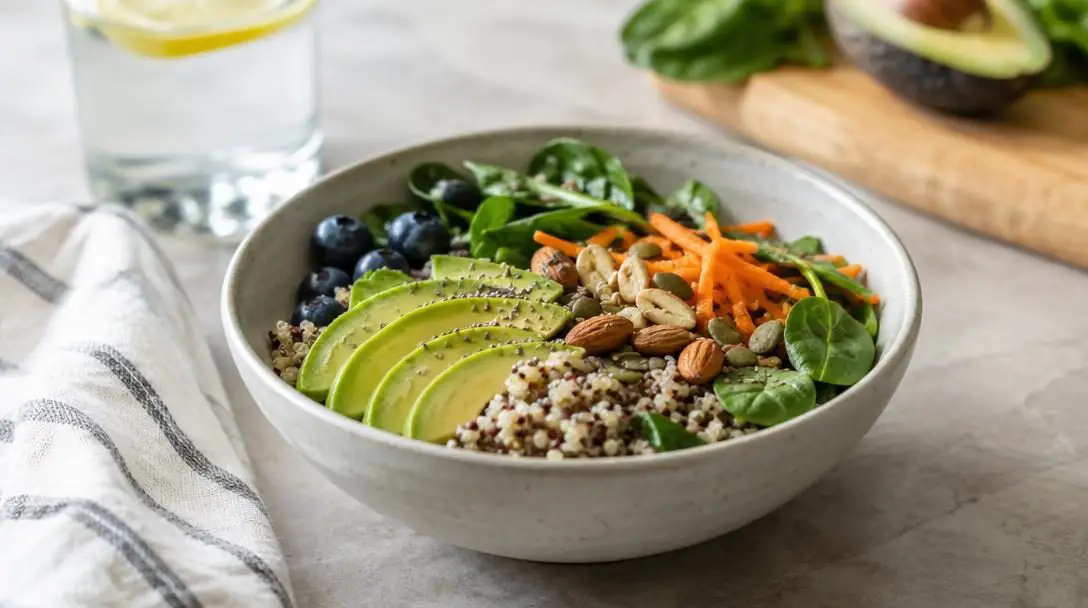
The physical advantages of eating fresh fruit are well recognized, but their impact on mood regulation is equally profound. Individuals who routinely add fresh produce to their weekly menus consistently report lower rates of both anxiety and depression. Every variety of fruit provides an array of antioxidant and anti-inflammatory properties that actively suppress the stress hormones tied to nervous tension. Fruit also digests easily and remains modest in calories, preventing the heavy, sluggish sensation that often accompanies heavier processed snacks. Melons and citrus varieties are particularly helpful options to keep your digestive system light and your brain well-supplied with essential micronutrients.
Find Your Allergens: Uncovering Hidden Food Sensitivities
A substantial portion of the population lives with an allergy or sensitivity to at least one common food item, often without ever realizing it. Many people spend decades feeling chronically fatigued, bloated, or physically weighed down by their routine meals. When the immune system regularly reacts against an irritating ingredient, the resulting internal distress can directly translate into feelings of heightened anxiety. Working closely with a qualified nutritionist enables you to conduct structured assessments, spot subtle adverse food reactions, and systematically eliminate offending foods from your diet before they disrupt your mental calm.
Be a Pro: Supporting Gut Health with Fermented Foods
Because digestive health and mental well-being are inseparable, supporting your microbiome is an indispensable step toward emotional regulation. Incorporating probiotic foods into your daily regimen supports regular bowel movements, elevates daytime energy, and significantly eases anxiety symptoms. Clinical research has affirmed a distinct connection between consistent probiotic consumption and reduced feelings of anxiousness. Rather than relying solely on supplements, you can nurture your gut bacteria by eating fermented staples such as traditional yogurt, pickles, kimchi, and selected cheeses.
The Liquid Part of the Diet: Prioritizing Water and Limiting Depressants
Hydration plays just as critical a role in mental wellness as solid food choices. To keep your mood stable and your cognitive faculties sharp, aim to drink approximately three liters of clean water every day. At the same time, make a concerted effort to sharply reduce or eliminate sugary sodas and alcoholic drinks. Alcohol acts as a direct depressant on the central nervous system while speeding up bodily dehydration. Cutting alcohol entirely often stands out as one of the single most powerful decisions you can make to elevate your daily energy, prevent nervous crashes, and restore emotional resilience.
Dietary adjustments at a glance
Understanding how specific foods affect the body can help you select the most supportive items for your mental well-being. The following summary illustrates the primary benefits and practical uses of these five dietary adjustments.

| Dietary Strategy | Primary Mechanism | Recommended Target | Key Food Examples |
|---|---|---|---|
| Omega-3 rich fish | Lowers systemic inflammation and protects brain function | At least 2 servings per week | Seafood varieties |
| Fresh fruit | Supplies antioxidants to reduce stress hormones | Daily servings | Melons and citrus fruits |
| Allergen management | Eliminates immune-triggered physical and nervous distress | As identified with a professional | Elimination of personal trigger foods |
| Probiotic foods | Balances gut microbiota to regulate energy and mood | Daily incorporation | Yogurt, kimchi, pickles, and select cheeses |
| Optimal hydration | Prevents dehydration and avoids nervous system depressants | Approximately 3 liters of water daily | Clean water; avoid alcohol and soda |
A step-by-step approach to meal planning
Reworking your nutritional habits does not require a chaotic, all-or-nothing kitchen makeover. You can systematically implement these healthy changes using a simple, sequential process designed to fit smoothly into a busy lifestyle.
- Designate two weekly fish meals. Select specific days on your weekly calendar, such as Tuesday dinner and Friday lunch, to prepare fish so that you meet your anti-inflammatory omega-3 goal without last-minute guesswork.
- Stock up on daily produce. Buy your favorite fruits in advance, prioritizing easy-to-digest options like melons and citrus. Slice them ahead of time so they can serve as quick morning sides or convenient afternoon snacks.
- Maintain a food and mood journal. Track what you eat alongside detailed notes on your physical comfort, energy, and anxiety levels over the subsequent hours. Bring these notes to an appointment with a registered nutritionist to identify potential sensitivities.
- Add one fermented item to your daily menu. Integrate a single portion of cultured food each day—such as yogurt at breakfast, pickles or kimchi beside your sandwich at lunch, or a modest portion of cheese with dinner.
- Track your water intake with a dedicated bottle. Fill a measured container every morning to ensure you reach the goal of roughly three liters of water throughout the day, while purposefully skipping sodas and alcoholic beverages.
Common dietary mistakes that heighten anxiety
When attempting to calm anxiety through diet, people often stumble into well-intentioned habits that unintentionally work against their progress. Avoiding these frequent missteps will keep your wellness efforts on track.
- Relying on evening alcohol to decompress: Using a drink to soothe nighttime tension undermines restorative sleep, dehydrates cells, and ultimately exacerbates baseline anxiety due to alcohol's depressant effects.
- Assuming you have no food intolerances: Many people believe that because they do not suffer acute allergic reactions, their diet is harmless. Subtle sensitivities can provoke ongoing internal inflammation and emotional unrest for years unnoticed.
- Substituting caffeinated drinks or soda for plain water: Leaning on carbonated sugary drinks or continuous caffeine leads to chronic sub-clinical dehydration, which strains internal organs and drives physical nervousness.
- Treating seafood as an occasional novelty: Enjoying fish once a month fails to provide the continuous anti-inflammatory omega-3 concentrations needed to protect brain pathways and ease mood fluctuations.
- Neglecting your digestive ecosystem: Overlooking cultured and fermented staples cuts off a natural avenue for gut-mediated emotional regulation and stable metabolic energy.
Frequently asked questions
How quickly can changes in diet help reduce feelings of anxiety?
While staying thoroughly hydrated by drinking three liters of water daily can provide rapid relief from dehydration-induced fatigue and tension, nutritional adjustments such as increasing omega-3 fatty acids, balancing gut bacteria with probiotics, and eliminating hidden allergens work cumulatively over several weeks to lower bodily inflammation and stabilize mood.
Why is alcohol particularly harmful if you experience an anxiety disorder?
Although alcohol is often used as a temporary coping mechanism to relieve evening stress, it acts as a central nervous system depressant and rapidly accelerates dehydration. These physiological disruptions destabilize energy reserves and baseline mood, frequently causing anxiety symptoms to rebound with greater intensity.
Do I have to eat fresh fish, or are other seafood options effective?
The primary benefit of fish lies in its exceptional concentration of omega-3 fatty acids, which actively reduce bodily inflammation. Consuming any culinary variety of fish at least twice weekly provides the anti-inflammatory properties necessary to support mental well-being and protect against neurological conditions.
How do hidden food allergies cause or worsen anxiety?
Many individuals live with unrecognized food sensitivities that continuously provoke low-grade physical distress, inflammation, and digestive strain. In sensitive individuals, this persistent bodily stress can directly trigger feelings of anxiety and fatigue until the offending foods are pinpointed and removed with the help of a nutritionist.
Which probiotic foods are easiest to incorporate into a regular diet?
Cultured dairy and fermented vegetables are among the simplest options to add to daily meals. Consuming yogurt, pickles, kimchi, or select cheeses provides live beneficial cultures that support gut regularity, boost daily energy, and help reduce feelings of anxiety.
The bottom line
Managing anxiety requires a thoughtful, multifaceted approach, and the food choices you make every day serve as a foundational pillar of that care. By lowering chronic bodily inflammation with regular servings of fish, shielding your cells with antioxidant-rich fruits like melons and citrus, and nurturing your microbiome through probiotic foods like yogurt and kimchi, you supply your body with the biological resources it needs to stay centered.
Pairing these dietary habits with three liters of daily water, omitting dehydrating alcohol and soda, and consulting a professional nutritionist to uncover subtle food sensitivities can lead to profound shifts in how you feel. Although nutritional adjustments should complement rather than replace qualified medical care, making mindful choices in your kitchen offers a powerful, proactive strategy for building lasting mental calm.