5 Tips When Choosing a Home For Rent
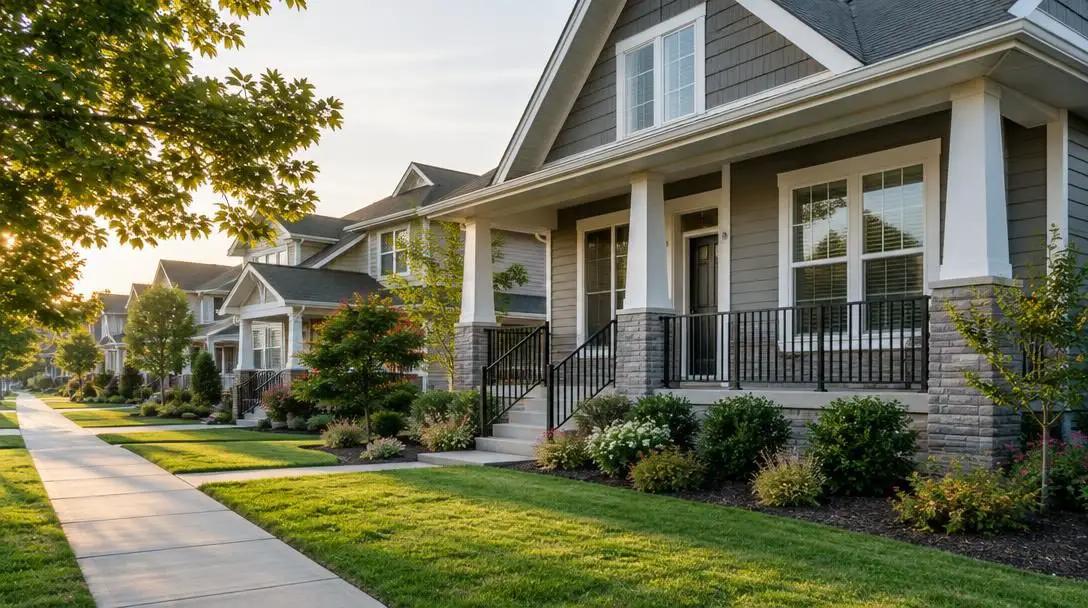
Renting a house has become an increasingly popular housing pathway across the country, particularly among younger demographics. Adults under the age of 35 are now significantly more likely to rent a home than to purchase one, fueling steady expansion across the modern rental market. As individuals and families seek flexible housing solutions that fit evolving lifestyles, property owners and management companies have introduced an unprecedented variety of single-family homes, townhouses, and duplexes into the rental pool.
While an abundance of available inventory provides house hunters with diverse options, it also brings real challenges. The leasing landscape is fast-paced and competitive, making it easy to become overwhelmed by hundreds of listings, complex lease clauses, and wide price discrepancies. Because a standard residential lease is a legally binding contract that typically locks you in for a year or longer, finding the right home requires a structured, objective evaluation rather than a rushed decision based on curbside charm.
Key takeaways
- Evaluating total living costs requires budgeting well beyond the base rent to cover upfront deposits, application fees, and recurring monthly utilities.
- Weighing commute frequency against geographical location helps determine whether the cost savings of a rural home outweigh proximity to major employment hubs.
- Amenities such as on-site fitness equipment or furnished interiors can offset separate personal budget expenses and justify higher monthly rent.
- Choosing adequate bedroom and bathroom counts prevents cramped routines, especially when sharing living quarters with roommates or family members.
- Conducting a thorough physical inspection of structural components, locks, and insulation protects both your safety and your initial security deposit.
Understanding the residential rental journey
Securing a rental house involves several sequential phases, moving from digital research to collecting the keys on move-in day. Navigating this pipeline with confidence requires a clear grasp of what landlords expect at each milestone.
- Property search and initial inquiries: Prospective tenants browse online real estate platforms, contact private landlords or property management firms, compare floor plans and neighborhood rates, and schedule physical or virtual showings.
- The application phase: After finding a suitable house, the applicant submits a comprehensive application form alongside an application processing fee. Landlords review employment history, income stability, background screenings, and previous rental references.
- Lease review and signing: Once approved, the property manager issues a formal lease contract outlining the rental rate, maintenance obligations, guest guidelines, pet policies, and occupancy terms. Both parties examine the clauses and sign the agreement.
- Security deposit and fee collection: Before receiving keys, the tenant pays move-in balances. These upfront charges routinely include a security deposit spanning multiple months of rent, the first month of rent, and any applicable administrative or pet deposits.
- Move-in and handover: The tenant completes an initial walkthrough inspection to record existing cosmetic or structural conditions before taking physical possession of the property.
The five essential tips for choosing a rental home
To avoid costly missteps and secure a property that fits your financial boundaries and day-to-day lifestyle, keep these five core criteria at the center of your search.
| Factor | Primary Consideration | Direct Financial or Lifestyle Impact |
|---|---|---|
| Budget | Base rent versus total monthly outlay | Prevents cash depletion from deposits and recurring utilities |
| Location | Commute frequency and neighborhood tier | Balances transit costs, grocery pricing, and daily safety |
| Amenities | Built-in features like gyms or furnishings | Can eliminate third-party subscriptions and retail purchases |
| Room Situation | Bedroom flex space and bathroom count | Streamlines morning routines and provides remote work space |
| Condition | Insulation, window latches, and door locks | Lowers energy bills, enhances security, and protects deposits |
5. Know Your Budget
The foremost step in any housing search is establishing an uncompromising financial boundary. Many first-time and seasoned renters make the critical mistake of looking exclusively at the advertised base rent when calculating what they can afford. In reality, moving into and maintaining a rental home encompasses a complex cluster of upfront and ongoing expenses.
Before moving in, landlords routinely charge application fees to run background and credit checks, followed by substantial security deposits that can equal multiple months of rent. Once settled, your regular monthly liabilities will include essential utility bills such as electricity, heating gas, municipal water, and residential trash collection. In fact, the sheer volume of upfront capital required to execute a new lease is a primary reason why many tenants choose to remain in their current homes rather than relocate. Ensure your cash reserves are robust enough to cover these secondary costs without draining your emergency savings.
4. Location, Location, Location
A home's geographic position dictates not only your daily transit routine but also broad segments of your monthly budget. When assessing neighborhoods, align your geographic preference with your workplace arrangement. If you work entirely remotely and do not need to commute into a physical office, searching outside major metropolitan centers can yield major savings. Rural rental properties typically feature lower rental rates, and living outside city boundaries often reduces ancillary expenses such as auto insurance premiums, gasoline consumption, dining, and general consumer services.
Conversely, if your job requires you to report to an office even once a week, relocating too far away can result in exhausting travel routines and steep fuel expenses. In urban and suburban settings, rent rates and street safety can shift dramatically within the span of just a few blocks. Prospective renters must carefully weigh transit times, safety considerations, and monthly pricing when picking a destination neighborhood.
3. Amenities
While expansive amenity packages are traditionally associated with multi-family apartment communities, single-family rental homes frequently offer distinctive features that dramatically increase a property's functional value. Private landlords often highlight unique enhancements to entice quality tenants, such as fully finished basements, curated furniture packages, private backyard swimming pools, or dedicated workout equipment.
Although a home equipped with these premium perks may carry a slightly higher monthly asking rent, it can generate significant savings across other areas of your personal ledger. Moving into a residence that already provides complete living room furnishings or an array of quality gym equipment eliminates the need to finance major home goods or pay for an ongoing commercial gym membership.
Amenities that appear to raise the monthly rent can actually reduce your overarching cost of living by eliminating separate memberships and household purchases.
2. Room Situation
Floor plans require forward-thinking evaluation. A solo renter may initially believe that a single-bedroom home is the most practical choice due to its lower price point. However, confining sleeping, working, and lounging activities to one centralized living space can rapidly lead to fatigue and cramped living conditions. If your finances can comfortably accommodate a two-bedroom property, securing that additional square footage can dramatically improve your quality of life.
A second bedroom readily transforms into a quiet dedicated home office, a hobby or gaming zone, or a hospitable guest room for visiting family members. Beyond bedrooms, the configuration of full and half bathrooms is equally pivotal. While one bathroom is adequate for a single occupant, adding roommates, partners, or children creates immediate scheduling bottlenecks. Having multiple full bathrooms is vital when multiple household members need to shower and prepare for school or work at the exact same hour each morning.
1. Condition
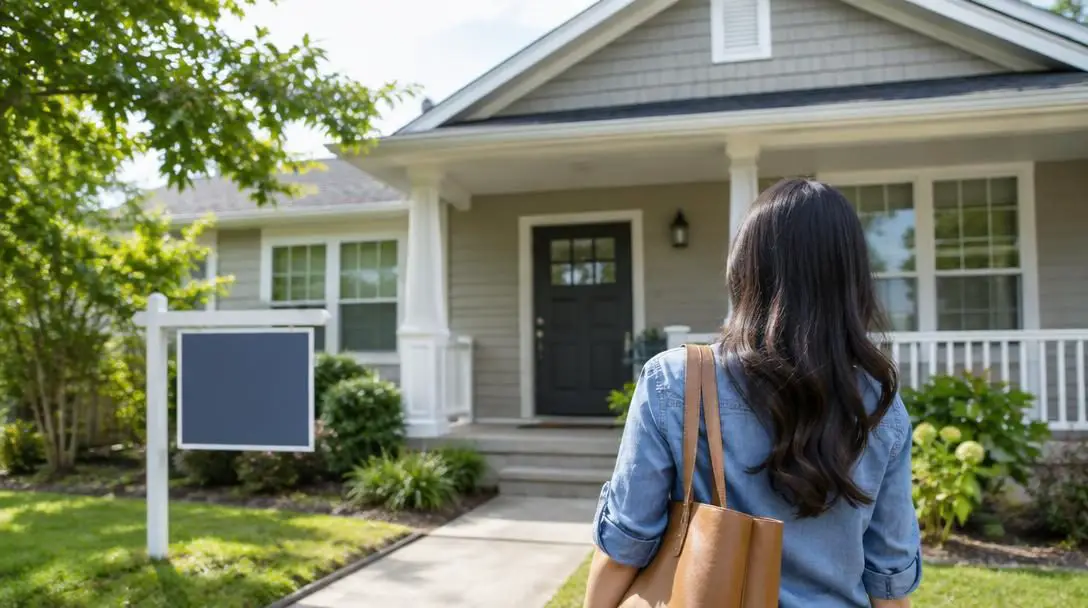
The physical state of a rental home demands rigorous verification before any contract is signed. Renters frequently rush through showings and neglect detailed inspections under the mistaken impression that property maintenance is entirely the landlord's problem. Overlooking structural and mechanical flaws during a walk-through can lead to persistent frustrations throughout the tenancy.
Defects such as deteriorated wall insulation, drafty frames, windows that fail to open or latch properly, and loose exterior door locks directly undermine your household security and send seasonal utility bills soaring. Undertaking an exhaustive property walkthrough allows you to document every existing cosmetic blemish or mechanical problem. Logging these defects on a written pre-move inspection checklist not only compels the landlord to address safety hazards before you occupy the property, but it also creates an essential evidentiary trail that safeguards your security deposit from unwarranted deductions when your lease eventually expires.
How to thoroughly evaluate a rental property
Applying an objective checklist during property tours ensures you do not overlook structural flaws or hidden lifestyle drawbacks while evaluating a home.
- Audit your liquid reserves: Confirm that your available savings can absorb initial background check fees, administrative charges, upfront security deposits, moving truck expenses, and the initial month of rent without dipping into non-negotiable emergency funds.
- Map the real-world transit corridor: Drive the route from the prospective rental home to your workplace, neighborhood grocery stores, and medical facilities during peak traffic intervals to gauge true commute feasibility.
- Conduct a room-by-room physical audit: Test every single window to ensure it glides, latches, and seals correctly. Inspect exterior deadbolts, check plumbing fixtures under sinks for moisture or water stains, and check around baseboards and outlets for drafts indicating weak insulation.
- Tally amenity cost trade-offs: Compare the difference in rent between a standard house and an amenity-rich home against your current line-item expenditures for storage units, fitness memberships, and recreational facilities.
- Execute a signed move-in condition record: Complete a comprehensive inspection alongside the landlord or property manager. Record every scratch, dent, or broken fixture, take dated photographs, and secure the landlord's written acknowledgement on the walkthrough sheet.
Common mistakes renters make
Even seasoned tenants can fall victim to common rental traps when under pressure to find housing quickly. Awareness of these standard pitfalls keeps your search grounded in practicality:
- Fixating purely on baseline rent: Ignoring the compounding impact of regional utility rates, municipal trash charges, and non-refundable application fees can rapidly throw a household budget out of alignment.
- Skimming through the walk-through inspection: Walking casually through an open house without verifying water pressure, appliance functionality, electrical outlets, and lock security often leads to immediate post-move-in repair disputes.
- Compromising excessively on interior space: Choosing an undersized floor plan simply to save a modest amount on rent frequently causes logistical stress, particularly for telecommuting professionals and shared households sharing a single bathroom.
- Neglecting pre-existing property damage: Failing to obtain a landlord-signed condition form detailing pre-existing floor scuffs, chipped paint, or broken hardware leaves tenants vulnerable to deposit forfeiture when moving out.
Frequently asked questions
How much money should I expect to pay upfront before moving in?
Upfront move-in costs typically include an application screening fee, the first month of rent, and a security deposit that can equal one to multiple months' worth of rent. In addition, you may encounter pet deposits or administrative processing fees depending on the property management guidelines.
Is living in a rural rental home always more affordable than an urban home?
In almost all cases, rural rental homes feature lower base rent and are situated in areas with cheaper groceries, auto insurance, gas, and general services. However, if your job requires a frequent commute to an urban office, elevated transportation and fuel expenses can erode those savings.
How can built-in rental amenities save me money?
Homes that come equipped with finished basements, dedicated gym equipment, or full furnishings allow you to avoid purchasing expensive furniture or maintaining recurring monthly commercial gym memberships, effectively offsetting a higher base rent.
Why is inspecting door locks and windows so critical during a showing?
Faulty window latches and damaged door locks present severe personal security concerns. Additionally, windows that fail to close properly or homes with poor wall insulation create drafts that significantly inflate monthly heating and cooling utility bills.
How many bathrooms do I need in a shared rental home?
While one full bathroom is sufficient for a single occupant, households with partners, roommates, or children generally require multiple full bathrooms to prevent daily bottlenecks when everyone needs to prepare for work or school simultaneously.
The bottom line
Navigating the modern rental landscape successfully requires balancing immediate desires with long-term financial health. The abundance of available rental homes provides renters with substantial flexibility, but entering into a legal lease agreement demands meticulous verification. By setting a realistic budget that accounts for all utilities and deposits, selecting a location that matches your work arrangement, calculating the true value of amenities, picking a layout that supports your daily routines, and rigorously documenting property condition, you can secure a rental home that serves as a comfortable, safe, and cost-effective sanctuary.