5 Ways to Choose the Right Accessories for Any Outfit
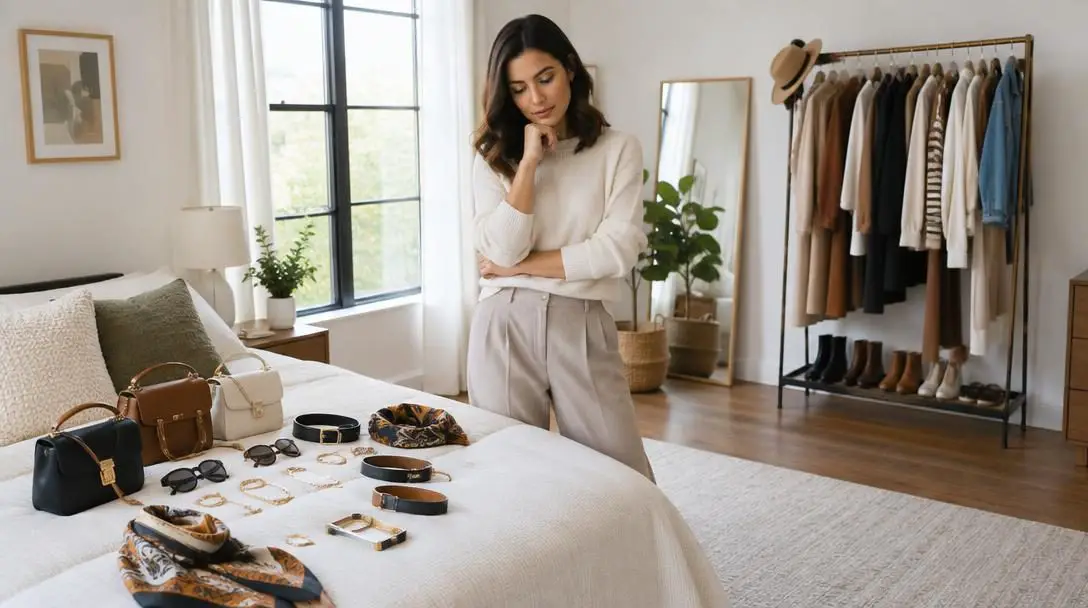
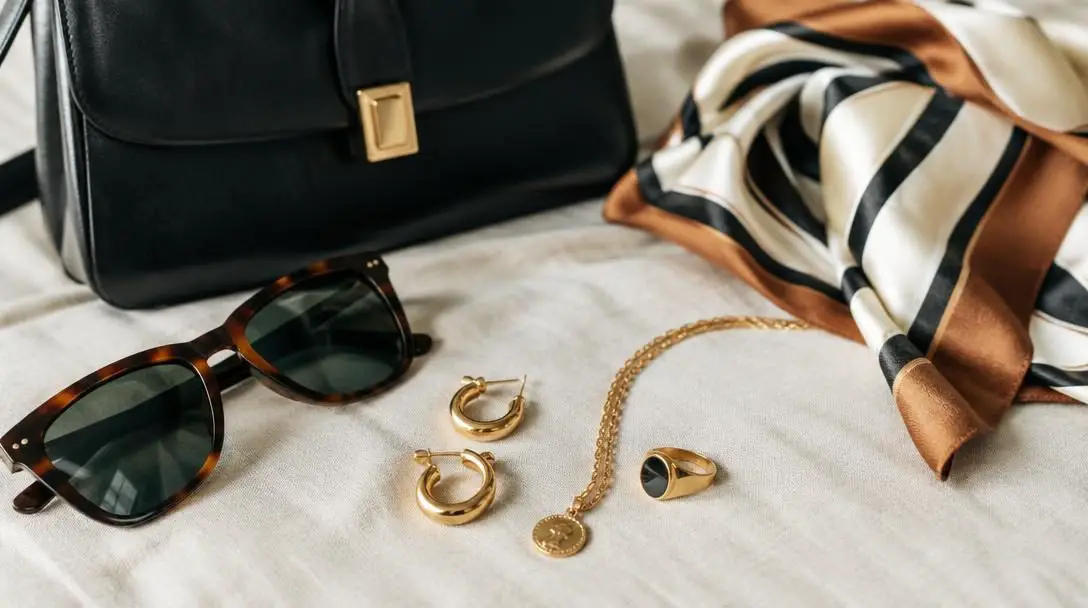
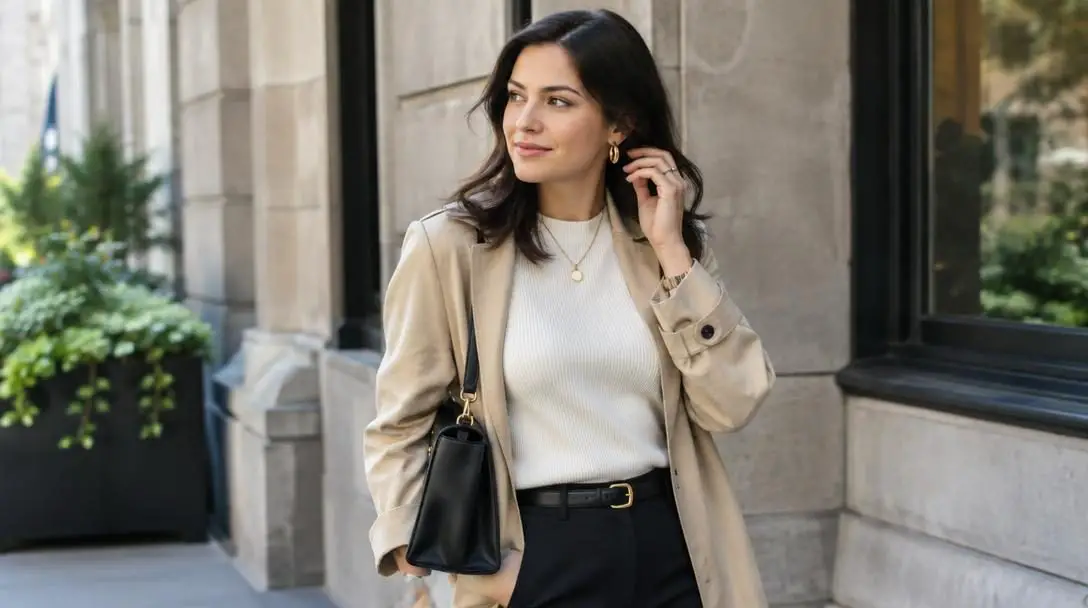
Accessories serve as the foundation of any memorable ensemble. While garments provide the basic framework for daily dressing, the accents you pair with them elevate a look from standard to truly polished, cohesive, and intentional. The right finishing touches bring personal expression to your wardrobe, whether you are dressing for career advancement, celebrating an upscale milestone, or meeting friends for a casual weekend brunch. A simple white t-shirt and denim can instantly transform into an evening-ready outfit with a pair of standout earrings, just as an understated dress becomes executive-ready when anchored by a structured bag. Despite the transformative power of accessories, mastering them often feels intimidating. Many people find themselves torn between doing too little and doing too much, ultimately overcomplicating an ensemble with mismatched accents that clutter rather than complement. Learning how to select accessories with purpose removes the anxiety from styling. By understanding how focal points, proportions, occasions, textures, and simplicity work together, you can turn any chaotic jewelry box or accessory shelf into an efficient, reliable styling toolkit. <div class="takeaways"> <h2>Key takeaways</h2> <ul> <li>Choose accessories that match the formality and etiquette of the occasion to avoid visual clutter and professional missteps.</li> <li>Establish one clear focal point in your ensemble so secondary accents provide support without competing for attention.</li> <li>Embrace simplicity by limiting high-impact items and allowing a single statement piece to anchor your look.</li> <li>Mix textures such as leather, suede, and polished metals to create visual depth across neutral or monochromatic garments.</li> <li>Balance the visual weight of your accessories against your clothing silhouette to maintain clean, proportional body lines.</li> </ul> </div> <h2>At a glance: Five core strategies for styling accessories</h2> <table> <thead> <tr> <th>Strategy</th> <th>Primary Focus</th> <th>Ideal Application</th> <th>Common Pitfall</th> </tr> </thead> <tbody> <tr> <td>Occasion and Style</td> <td>Contextual appropriateness</td> <td>Galas, weddings, and formal job interviews</td> <td>Wearing flashy or noisy pieces that derail professional goals</td> </tr> <tr> <td>Focal Point</td> <td>Visual hierarchy</td> <td>Monochromatic outfits or simple t-shirt and jeans pairings</td> <td>Pairing statement jewelry with busy, intricate prints</td> </tr> <tr> <td>Simplicity</td> <td>Restraint and balance</td> <td>Minimalist daywear or classic evening looks</td> <td>Piling on multiple bold accents in pursuit of impact</td> </tr> <tr> <td>Colors and Textures</td> <td>Tactile and tonal interest</td> <td>Neutral color palettes and tonal dressing</td> <td>Relying on flat, identical fabrics that leave outfits feeling dull</td> </tr> <tr> <td>Proportions</td> <td>Scale and silhouette balance</td> <td>Voluminous skirts, wide-leg trousers, and oversized cuts</td> <td>Allowing bulky jewelry to overwhelm a delicate body frame</td> </tr> </tbody> </table> <h2>The five essential rules for accessorizing any outfit</h2> <p>To build an outfit that feels harmonious and deliberate, you must treat your accessories as deliberate components rather than afterthoughts. These five fundamental strategies provide a structured framework for choosing the right accents every time you dress.</p> <h3>Consider the occasion and style</h3> <p>The specific setting you are entering and your personal aesthetic are the foremost factors to weigh when selecting accessories. Context dictates etiquette; choosing the wrong pieces can convey carelessness and, in high-stakes environments, can even cost you a job or professional opportunity. Dressing for an interview or corporate boardroom calls for quiet professionalism, whereas a cocktail party invites expressive flair.</p> <p>For formal events like weddings and evening galas, classic and understated designs remain the gold standard. A simple clutch, delicate stud earrings, or a slender bracelet pair seamlessly with formal attire. Rather than distracting from a tailored evening suit or a sophisticated floor-length gown, these refined accents highlight the clothing and preserve an elevated, elegant appearance.</p> <aside class="callout tip"> <strong>Tip:</strong> When dressing for corporate or formal environments, choose quiet metal jewelry and structured accessories that do not produce clicking sounds or catch on fabric during movement. </aside> <h3>Determine the focal point</h3> <p>Every successful look relies on a singular visual anchor. A focal point can be an oversized sculptural necklace, dramatic hoop earrings, a bright handbag, a unique hat, or even a bold clothing pattern. Establishing what commands primary attention is the most practical first step in deciding what other items you should wear.</p> <p>When your base outfit is an intricate, vibrantly patterned dress, the garment itself serves as the main attraction. In that scenario, your jewelry and extras must step into a supporting role; delicate studs and an unadorned bracelet are often all you need. Conversely, when your base clothing consists of minimal essentials—such as a crisp white t-shirt and straight-leg denim—you have a clean slate to introduce bold necklaces, standout earrings, or saturated colors that take center stage.</p> <h3>Keep it simple</h3> <p>Simplicity is the defining trait of enduring elegance. Legendary fashion figures like Coco Chanel and Audrey Hepburn built their timeless aesthetics around the discipline of restraint. The guiding rule is straightforward: maintain equilibrium by allowing a single accessory to act as the primary statement piece while keeping remaining items subtle.</p> <p>If you choose to wear an eye-catching pair of large hoop earrings, keep your neckline bare or opt for a barely visible chain, and leave your wrists understated. It is tempting to add extra rings, bracelets, and hair accents in the hope of making a stronger impression, but in sophisticated styling, <strong>less is frequently more</strong>. Restraint keeps your overall presentation clean and cohesive.</p> <blockquote class="pull"> Simplicity is key to creating a truly elegant appearance, allowing balance and intentionality to guide your styling choices. </blockquote> <h3>Experiment with colors and textures</h3> <p>Accessories possess the unique ability to take an outfit from flat to multidimensional through strategic contrast. Introducing varied textures and selective pops of color breathes immediate vitality into everyday clothing combinations without requiring you to buy an entirely new wardrobe.</p> <p>If you are wearing an all-black or neutral monochromatic base, carrying a brightly colored bag or wearing a vivid pair of shoes creates a focal accent that enlivens the entire ensemble. When working with neutral tones, tactile variety is your most effective tool for depth. Combining contrasting materials such as smooth leather, soft suede, and radiant metallic hardware introduces rich dimension while preserving an understated color story.</p> <h3>Pay attention to proportions</h3> <p>Proportions determine how accessories interact with your physical frame and the silhouette of your clothing. Wearing oversized jewelry requires balancing counterparts; pair a chunky necklace or heavy cuff bracelet with tiny stud earrings or a minimal chain so the look remains grounded.</p> <p>Scale is equally critical when dealing with garment silhouettes. Voluminous garments, such as sweeping A-line skirts or wide-leg trousers, introduce significant fabric mass that can swallow your shape. Introducing a structured waist belt restores balance between the volume of the fabric and your body lines, establishing definition and preventing the outfit from feeling messy or overwhelming.</p> <aside class="callout note"> <strong>Good to know:</strong> Matching the scale of your accessories to the weight of your fabric ensures harmony. Lightweight silks look best with fine, airy jewelry, whereas heavy wools and knits can easily carry denser, sculptural pieces. </aside> <h2>The mechanics of visual weight and balance</h2> <p>Understanding why some accessory pairings look effortless while others feel chaotic comes down to <strong>visual weight</strong>. Visual weight refers to how much an object draws the human eye within an outfit. Items with substantial visual weight include chunky metals, neon hues, wide belts, and dense textures. Items with minimal visual weight include thin chains, nude leather goods, and petite stud earrings.</p> <p>When an outfit looks unbalanced, it is almost always because multiple elements of heavy visual weight are competing for dominance in the same visual field. By designating one hero piece, you create an intuitive hierarchy. The viewer's gaze lands naturally on the primary accent and moves smoothly to secondary touches. Subdued supporting pieces provide essential visual rest, allowing the entire ensemble to be perceived as a polished, unified composition.</p> <h2>How to accessorize step-by-step</h2> <p>Putting these styling concepts into practice is easiest when approached as a step-by-step routine. Follow this sequence when assembling your outfit for any event:</p> <ol class="steps"> <li><strong>Evaluate the setting and objective:</strong> Determine the dress code, environment, and tone of your destination. Decide whether the occasion calls for conservative refinement or permits bold creativity.</li> <li><strong>Select your base garments:</strong> Put on your foundational pieces, whether that means a neutral t-shirt and jeans, a tailored suit, or a printed evening dress, and evaluate the neckline and silhouette.</li> <li><strong>Identify your centerpiece:</strong> Choose the single item that will anchor the look. If the garment is vibrant or patterned, let the clothing lead; if the base is understated, choose a standout accessory such as large hoops or a bold bag.</li> <li><strong>Layer in supporting pieces:</strong> Fill in any bare areas with delicate, low-profile accents. Pair bold earrings with a minimal ring or a whisper-thin chain that echoes the style without competing for attention.</li> <li><strong>Incorporate texture and depth:</strong> Review the tactile qualities of your outfit. If the ensemble appears flat, swap in a suede clutch, structured leather shoes, or polished metallic hardware.</li> <li><strong>Check overall proportions:</strong> Step back into a full-length mirror. If your clothing features wide-leg trousers or an oversized skirt, determine whether a waist belt is needed to define your frame.</li> <li><strong>Apply the final edit:</strong> Channel Coco Chanel's timeless advice by looking in the mirror and removing one accessory before walking out the door to prevent an overdecorated appearance.</li> </ol> <h2>Common accessorizing mistakes to avoid</h2> <p>Even with high-quality garments, avoidable styling missteps can detract from your personal presentation. Keep these frequent mistakes in mind to preserve a sharp, intentional look:</p> <ul> <li><strong>Overaccessorizing:</strong> Wearing statement necklaces, stacked bangles, large earrings, and an ornate belt simultaneously creates sensory overload and obscures your natural features.</li> <li><strong>Ignoring the occasion:</strong> Wearing casual, loud, or overly flamboyant accessories to a somber event, formal wedding, or job interview communicates poor judgment and can jeopardize professional advancement.</li> <li><strong>Clashing focal points:</strong> Combining a busy floral or geometric print with heavy statement jewelry forces two assertive design elements to fight for visual attention.</li> <li><strong>Neglecting proportions:</strong> Wearing micro-jewelry with thick winter knits causes the pieces to vanish, while wearing oversized jewelry with delicate slip dresses can pull down the silhouette.</li> <li><strong>Uniform texture syndrome:</strong> Relying exclusively on smooth, identical textiles across your clothes, shoes, and bag leaves an ensemble looking flat, lifeless, and uninspired.</li> </ul> <aside class="callout warn"> <strong>Watch out:</strong> Never compromise functionality for aesthetics. An accessory that causes discomfort—such as an excessively heavy earring or an awkward clutch without a strap—will detract from your confidence and posture throughout the day. </aside> <h2>Building a timeless accessory capsule</h2> <p>Once you are comfortable applying these styling strategies, evaluate your accessory collection to build a functional, versatile wardrobe foundation. A well-curated capsule collection ensures you are equipped for any occasion on a moment's notice.</p> <p>Start by auditing your core essentials. Every functional wardrobe benefits from reliable staples, including high-grade stud earrings, a delicate bracelet, a structured neutral leather bag, a clean waist belt, and a minimal evening clutch. These foundational pieces carry you through professional settings and formal events effortlessly. Once your staples are in place, introduce a small selection of expressive statement pieces—such as sculptural pendants, wide-brim hats, and colorful footwear—that showcase your personal aesthetic and breathe new life into everyday basics.</p> <section class="faq"> <h2>Frequently asked questions</h2> <details> <summary>Can you wear statement earrings and a statement necklace together?</summary> <p>It is generally best to choose one or the other. Wearing bold earrings alongside a heavy statement necklace places two visually dense items in close proximity, crowding your face and neckline. To keep your look balanced, pair a statement necklace with subtle stud earrings, or wear dramatic earrings with an unadorned neckline.</p> </details> <details> <summary>How do accessories affect professional career opportunities?</summary> <p>In workplace environments and job interviews, accessories communicate your attention to detail, discretion, and understanding of workplace culture. Flashy, noisy, or excessively casual accessories can create a distracting impression, whereas refined, understated pieces signal polish, preparation, and situational awareness.</p> </details> <details> <summary>What is the best way to accessorize a busy patterned dress?</summary> <p>Let the dress remain the focal point. Complement complex patterns with minimal, understated accessories, such as simple metal studs, an unembellished clutch, and sleek neutral shoes. Adding oversized or ornate jewelry will clash with the pattern and create visual clutter.</p> </details> <details> <summary>How can I make a monochromatic neutral outfit look interesting?</summary> <p>Incorporate contrasting textures and strategic pops of color. In an all-neutral outfit, pairing smooth leather shoes with a soft suede handbag or adding high-shine metallic accents provides immediate visual depth, ensuring the single-color ensemble looks rich and dimensional rather than flat.</p> </details> <details> <summary>When should I use a belt to adjust my outfit's proportions?</summary> <p>Use a belt whenever you wear voluminous garments that obscure your natural shape, such as wide-leg pants, oversized tunics, or full A-line skirts. Adding a belt cinches the waistline, breaks up large expanses of fabric, and restores balanced proportions between your upper and lower body.</p> </details> </section> <h2>The bottom line</h2> <p>Mastering accessories does not require an endless budget or an overflowing jewelry box. By treating accessories as a balanced styling system—evaluating the occasion, identifying a clear focal point, practicing simplicity, varying textures, and respecting proportions—you can elevate basic garments into polished, expressive outfits. When in doubt, edit your selections with restraint. Intentional styling ensures your clothes and accessories work in harmony, allowing your personal presence to take center stage.</p>