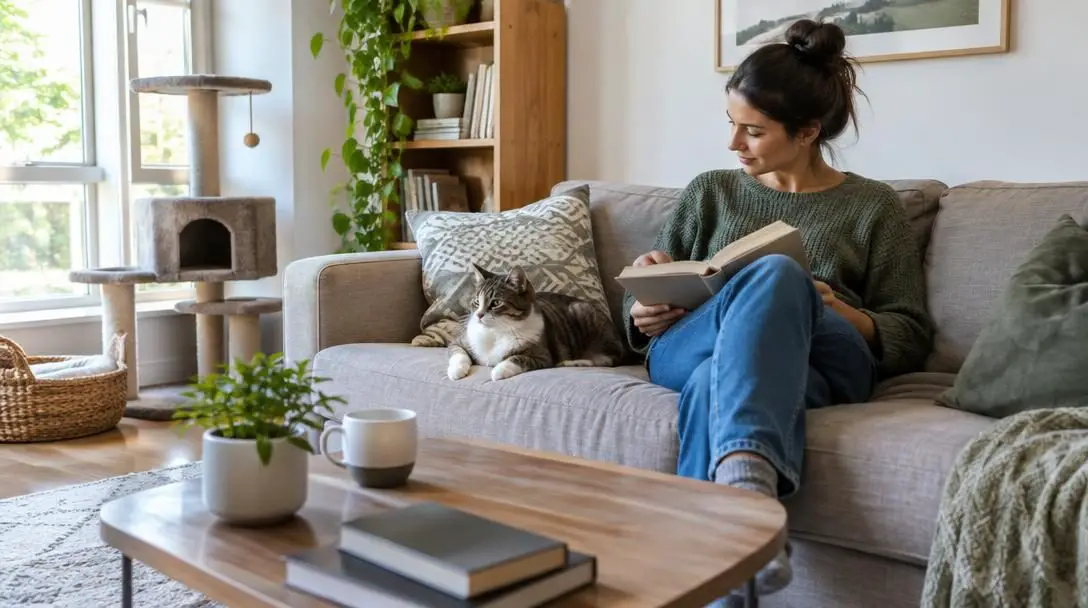
5 Ways To Create A Stress-free Environment For Your Cat
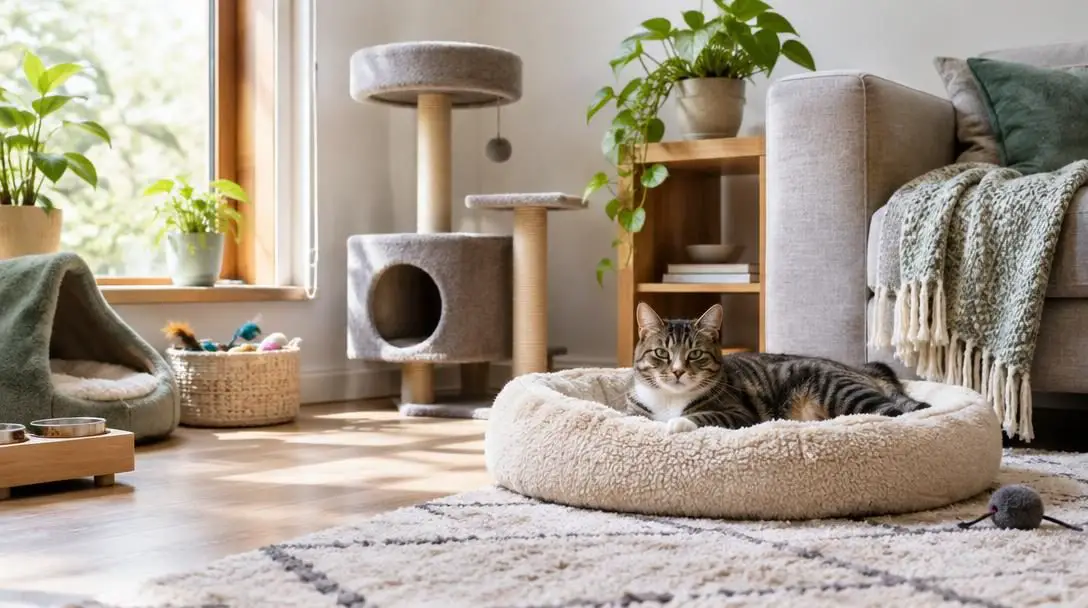
Cats have earned an enduring reputation as remarkably self-sufficient, poised, and emotionally detached animal companions. Because they do not communicate distress through barking, whining, or obvious outward agitation in the way dogs often do, pet owners frequently assume their felines are perpetually calm, aloof, and self-soothing. However, feline nervous systems are exceptionally sensitive and finely tuned to their physical territory, meaning that subtle shifts in their daily environment can trigger significant emotional and physical distress.
When an indoor domestic environment fails to respect a cat's evolutionary biology, chronic anxiety can silently take hold. Feline stress is far more than a passing emotional inconvenience; over time, elevated cortisol levels compromise the immune system, trigger inflammatory bladder disorders, and shorten your companion's lifespan. Transforming your home into a feline-friendly sanctuary requires learning how domestic living arrangements influence your pet and taking deliberate steps to support their core territorial instincts.
Key takeaways
- Felines possess finely tuned nervous systems that make them vulnerable to territorial disruptions, sensory overload, and unpredictable schedules.
- Recognizing the early warning signs of stress—such as excessive grooming, litter box avoidance, and persistent hiding—prevents acute anxiety from becoming a chronic health condition.
- Dedicated vertical territory, strategic scratching outlets, and synthetic pheromones provide baseline emotional reassurance throughout the home.
- Establishing strict household routines and interacting strictly on the cat's own terms are the most effective behavioral tools for reducing feline tension.
Recognizing the signs of feline stress
Because each cat possesses an individual temperament, domestic anxiety rarely manifests in an identical fashion across different pets. A sudden schedule change or a loud household appliance that barely bothers one feline might cause another to retreat into hiding for days. Safeguarding your companion's well-being requires learning to distinguish subtle behavioral modifications from ordinary feline habits.
When domestic felines feel overwhelmed by their living space, their instinctual coping mechanisms manifest in specific physical and behavioral shifts. Watch for these common indicators that your pet is experiencing emotional turmoil:
- Hiding and social retreat: Slinking into dark closets, retreating under beds and sofas, or seeking inaccessible crevices behind appliances to avoid contact.
- Compulsive grooming: Licking, chewing, or barbering coat fibers obsessively, often leaving thinned fur or completely bald patches across the belly, back, and rear legs.
- Litter box avoidance: Urinating or defecating directly outside the perimeter of the box, or spraying horizontal and vertical surfaces with small marks of urine.
- Appetite and hydration disruptions: Showing marked reluctance to eat meals, consuming significantly less food, or refusing to drink clean water.
- Personality inversions: Demonstrating sudden uncharacteristic withdrawal from primary human caregivers, or alternatively exhibiting intense, anxious clinginess.
- Chronic hyper-vigilance: Pacing hallways repeatedly, twitching ears and tail erratically, or failing to settle into the deep, restful sleep states vital for physical recuperation.
- Destructive marking: Gouging carpets, soft upholstery, doorframes, and wallpaper with deliberate, frantic clawing.
Five core ways to create a stress-free environment
Alleviating domestic tension requires catering directly to ancestral survival instincts. By integrating strategic physical furniture, soothing biological aids, and respectful interaction boundaries, owners can eliminate the baseline triggers that keep cats in a state of high alert.
Predictability and choice are the cornerstones of feline security, turning an overwhelming human household into a peaceful domestic sanctuary.
Provide vertical space
Cats are simultaneously apex predators and mesopredators, a dual role that drives their innate instinct to climb and survey terrain from high vantage points. In outdoor settings, elevation protects a cat from ground-dwelling threats while affording an unimpeded view to track movements throughout the territory. In a confined apartment or home, vertical space fulfills this exact same psychological requirement.
Introducing cat trees, sturdy wall-mounted platforms, and padded window perches expands your cat's usable square footage without requiring major architectural changes. From an elevated perch, a nervous or timid cat can monitor family traffic, children, and other household pets from a secure distance without feeling cornered, exposed, or trapped on floor level.
Use pheromone products
Chemical communication governs much of the feline social world. Cats produce specialized facial pheromones that they deposit onto furniture, doorways, and human companions when rubbing their cheeks against them, signaling that an environment is safe, familiar, and cleared of danger. Pheromone products replicate these comforting chemical signals through synthetic analogues available in diffusers, room sprays, and collars.
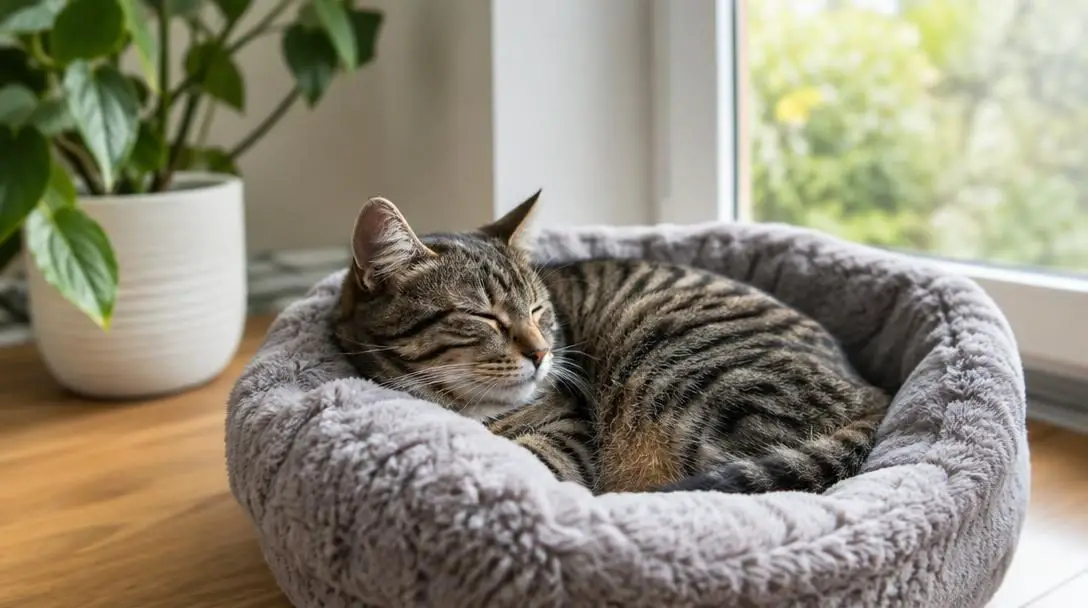
Plugging an ambient diffuser into the room where your cat spends the bulk of their resting time disperses a constant, imperceptible layer of security into the air. Targeted pheromone sprays applied to travel carriers, new pet beds, or newly purchased furniture pieces take the edge off foreign scents and smooth over turbulent transitions.
Establish a routine
For an animal wired to detect danger in the unexpected, unpredictability equals immediate vulnerability. Felines thrive when their daily lives are governed by steady, reliable rhythms. Establishing a daily routine eliminates the chronic apprehension cats experience when they cannot anticipate when meals, social interactions, or territorial maintenance will occur.
Commit to serving meals at set times in the morning and evening rather than scattering feeding windows arbitrarily. Schedule focused, interactive play sessions at the same points each day to satisfy predatory hunting drives, and practice rigorous litter box hygiene by scooping waste promptly every single day so territorial latrines remain pristine.
Offer scratching posts
Scratching is often misunderstood as destructive disobedience, but it is an indispensable biological drive. When a feline scratches a coarse surface, they perform several essential wellness functions simultaneously: shedding dead claw sheaths, stretching the spine and shoulder muscles, visual marking, and depositing territorial pheromones via interdigital scent glands. Crucially, the physical exertion of scratching releases pent-up stress, discharging emotional and physiological anxiety.
To keep your carpets, sofas, and door casings intact, place tall, heavyweight scratching posts wrapped in rough sisal throughout the home. Posts must be tall enough to allow the cat to extend their body fully upward without wobbling, providing an immediate physical release in high-visibility areas.
Give them attention on their terms
While felines deeply appreciate human companionship, their tolerance for handling is dictated by autonomy. Forcing physical contact—such as scooping an unwilling cat off the carpet, restraining them in tight hugs, or trapping them in prolonged petting sessions—triggers an acute fight-or-flight response that breeds lasting wariness toward owners. Interacting on the cat's terms means allowing them to make the initial approach and actively consent to handling.
Offer an outstretched finger or hand and allow the cat to initiate contact by rubbing their cheek against your skin. Keep physical petting focused on low-stress facial zones—such as under the chin and around the base of the ears—while monitoring body language for subtle rejection cues, such as twitching tails, flattened ears, or skin rippling along the spine.
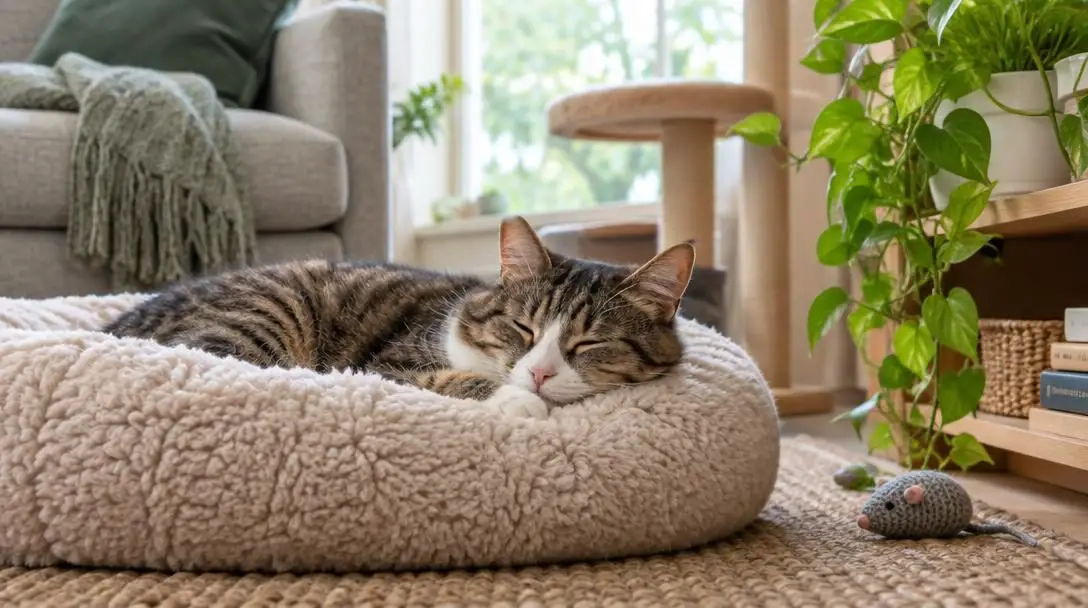
At a glance: comparing core environmental interventions
Every environmental enrichment tool targets a different aspect of feline biology. Use this breakdown to understand how each intervention functions within your living space:
| Enrichment strategy | Primary benefit | Optimal placement | Target behavior addressed |
|---|---|---|---|
| Vertical territory | Elevated safety and environmental surveillance | Living rooms and busy social gathering areas | Hiding under furniture, avoidance of other pets |
| Synthetic pheromones | Mimics natural scent markers to induce calmness | Primary sleeping quarters and near entryways | Generalized anxiety, urine marking, travel fear |
| Predictable routine | Removes territorial uncertainty and anticipatory stress | Kitchen, dining area, and dedicated play zones | Restless pacing, persistent vocalization, food guarding |
| Sturdy scratching posts | Muscle stretching, claw health, and tension release | Beside sleeping areas and room transition thresholds | Destructive clawing of sofas, carpets, and frames |
| Consensual interaction | Builds interpersonal trust and emotional security | Low-traffic, quiet resting spaces | Unprovoked aggression, withdrawal, defensive swatting |
Practical steps to implement household changes
Restructuring an indoor living space to support feline mental health does not require costly architectural renovations. Executing steady, calculated environmental updates transforms the territory into an intuitive sanctuary where your cat feels fundamentally secure.
- Conduct a thorough spatial assessment of your floor plan to map out high-traffic thoroughfares versus low-traffic quiet zones, noting the precise routes your cat uses when startled.
- Install elevated platforms, such as sturdy cat trees or floating wall perches, inside social gathering rooms so your cat can remain in family company without being forced to remain on foot-traffic levels.
- Position tall, heavy-base scratching posts directly alongside sleeping quarters and near room entryways, accommodating the feline urge to stretch and mark scent immediately upon waking.
- Insert synthetic pheromone diffusers into wall electrical outlets across the rooms where your cat spends most of their time, taking care to place them away from drafty windows and open ventilation vents.
- Write down and publish a consistent daily household schedule for morning and evening feedings, interactive play sessions, and daily litter maintenance, ensuring all family members follow the same routine.
- Distribute primary feline resources strategically, providing continuous access to clean water, nutritious food, and spotless litter boxes positioned far away from loud household appliances like washing machines.
- Establish firm family rules regarding gentle handling, requiring both household members and visiting guests to wait for the cat to initiate social contact voluntarily.
Common mistakes pet owners make
Even conscientious cat lovers frequently make subtle management mistakes that inadvertently heighten feline stress. Eliminating these counterproductive patterns helps maintain household harmony:
- Forcing physical comfort: Grabbing an alarmed, hiding, or timid cat to hold and soothe them against their will removes their sense of agency, intensifying panic and triggering defensive aggression.
- Stripping territorial scent profiles: Washing every pet bed, scratching post cover, and cat tree cushion on the same afternoon removes all personal scent signatures simultaneously, disorienting the cat within their own territory.
- Feeding on erratic schedules: Shifting meal hours haphazardly prevents the digestive and nervous systems from relaxing, driving anxious begging, vocalizing, and territorial insecurity.
- Locating resources near loud equipment: Placing litter boxes, water fountains, or food dishes next to noisy appliances like washing machines, tumble dryers, or furnace blowers turns basic biological functions into high-stress tasks.
- Punishing stress-related behaviors: Screaming, clapping, or squirting water when a cat scratches furniture or urinates outside the litter box reinforces fear and destroys owner trust, worsening the underlying anxiety that sparked the behavior.
When to seek professional veterinary help
Creating a stress-free environment is an evolving commitment rather than an overnight fix. Once you have installed vertical perches, introduced synthetic pheromones, established strict routines, distributed scratching posts, and respected handling boundaries, monitor your companion over several weeks. In many cases, nuisance behaviors and anxious posturing will gradually subside as the cat realizes their living space is secure.
However, if issues like chronic hiding, unprovoked aggression, severe over-grooming, or inappropriate elimination fail to resolve, do not delay seeking professional assistance. Persistent stress frequently masks systemic physical illnesses or indicates deep-rooted clinical phobias. Schedule a thorough consultation with your veterinarian to conduct baseline blood work and urinalysis, and consider partnering with a certified feline behaviorist who can develop an individualized desensitization program tailored to your pet's needs.
Frequently asked questions
How can I tell if my cat's behavior is caused by medical illness or environmental stress?
Because physical pain and psychological stress cause nearly identical symptoms—such as hiding, appetite loss, and inappropriate elimination—it is impossible to distinguish between them through visual observation alone. The safest approach is to consult your veterinarian for blood panels and urinalysis to eliminate conditions like urinary tract infections, bladder stones, or arthritis before concluding the issue is purely environmental.
Where is the best location in the house to plug in a synthetic pheromone diffuser?
Position synthetic pheromone diffusers in the rooms where your cat spends the vast majority of their resting and sleeping hours. Avoid plugging diffusers into outlets situated beneath low windows, behind heavy floor-length curtains, or directly next to air conditioning vents, as active airflow will quickly disperse the calming vapors before your cat can inhale them.
Why do cats scratch furniture instead of their designated scratching posts?
Cats usually target household furniture when their designated scratching posts fail to meet biological needs. If a scratching post is too short to allow a full-body vertical stretch, wobbles under weight, or uses an unappealing material, the cat will seek out sturdy, heavy items like couch arms or carpeted stairs. Placing heavy, sisal-wrapped posts directly in front of targeted furniture redirects the behavior naturally.
How does an irregular feeding schedule affect a cat's emotional state?
Inconsistent feeding triggers chronic uncertainty, leaving a cat unsure of when their vital biological needs will be met. This unpredictability elevates baseline cortisol levels, which can lead to behavioral issues such as obsessive food guarding, frantic nighttime vocalization, early morning wake-up attempts, and heightened territorial aggression toward other household pets.
What should I do if my cat hides whenever guests enter the home?
Never drag a hiding cat out from under a bed or closet to greet visitors, as this eliminates their safe refuge and spikes cortisol. Instead, prepare a dedicated safe haven room equipped with a litter box, food, water, a scratching post, and elevated perches. Close the door to keep guests out, allowing your cat to remain calm in an undisturbed, quiet sanctuary until your visitors depart.
The bottom line
Fostering an emotionally balanced home for an indoor cat is not an exercise in indulgence; it is a vital healthcare necessity. Felines are complex, sensitive creatures that experience profound psychological distress when their biological needs are ignored. By viewing your home through your cat's sensory perspective—incorporating vertical climbing routes, respecting territorial scent profiles, providing approved scratching outlets, sticking to a dependable routine, and honoring their personal boundaries—you eliminate the daily friction that breeds anxiety. In return, your cat will reward you with steady companionship, greater confidence, and years of healthy, relaxed living.