5 Ways To Create Lasting Memories When You Travel

Each year, more than one-third of Americans set aside time from their daily obligations to embark on a vacation, with more than 40 percent of those travelers bringing their children along for the journey. Whether crossing oceans or exploring regional destinations, travelers share an almost universal aspiration: ensuring that the trip becomes an unforgettable chapter in their lives. The time and resources dedicated to stepping away from the daily grind are meant to yield personal enrichment and cherished milestones that endure long after unpacking the luggage.
Yet despite the best intentions, the human mind struggles against time, distraction, and the relentless pull of everyday routine. Once the journey concludes and normal obligations resume—complete with work projects, household responsibilities, school schedules, and digital interruptions—the vibrant details of an itinerary can slip away with surprising speed. Leaving memory retention entirely to chance means that spontaneous conversations, subtle flavors, and personal discoveries gradually blur into vague impressions. Preserving the magic of a trip requires a deliberate approach that balances immersion in the present with practical methods for documentation.
Key takeaways
- More than a third of Americans vacation each year, but post-trip routines quickly push unrecorded experiences into the background.
- Setting mobile phones to airplane mode allows travelers to capture photos without suffering constant interruptions from alerts and work messages.
- Initiating conversations with local residents uncovers authentic regional dining and hidden landmarks while sparking meaningful personal stories.
- Maintaining a travel journal preserves sensory and emotional nuances that standard vacation photography routinely misses.
- Organizing physical keepsakes into curated boxes and tracking trips on a color-coded wall map transforms forgotten souvenirs into accessible household archives.
The Science of Travel Recall and Cognitive Retention
Memory preservation during a trip relies on an ongoing balance between full cognitive engagement and intentional, tangible record-keeping. The psychological reality of travel is that the quality of your attention determines how deeply an event is encoded into your memory. When travelers divide their attention between a real-world setting and work emails, text messages, or social feeds, the brain never fully processes the physical environment. Even when standing before iconic architectural wonders or enjoying an exceptional regional dish, divided focus dilutes the sensory inputs—sights, sounds, aromas, and emotional resonance—that form resilient mental pathways.
Furthermore, human recall operates through associative networks. Long-term memories are far more accessible when anchored to physical, sensory touchstones. Rereading a handwritten journal entry composed at an outdoor cafe, examining a transit token collected during a walk, or tracing a pinned route across a map stimulates neural circuits that bring forgotten moments back to the surface. By pairing present-moment mindfulness with deliberate preservation systems, travelers can construct an enduring archive of their journeys.
Without practical habits to preserve what happened, the richness of an itinerary fades into a generic, distant impression.
Five Practical Strategies to Create and Keep Lasting Memories
Protecting the highlights of a trip from fading does not require complex equipment or burdensome routines. By adopting simple, deliberate practices centered on focus, social interaction, writing, physical keepsakes, and visual tracking, anyone can build a reliable memory-retention habit.
Stay Away from the Phone (In Most Cases)
Modern travelers face the constant temptation to check notifications, respond to work inquiries, and refresh social media channels throughout the day. While staying connected feels natural, constant connectivity directly sabotages the immersive quality of a vacation. To truly engage with a destination, the phone should remain tucked out of sight for the vast majority of your time outdoors.
However, leaving the device behind in a hotel room is rarely practical. Modern smartphones serve as exceptional cameras that allow you to capture high-definition photographs and candid family moments at a moment's notice. The most effective compromise is turning your phone onto airplane mode the moment you depart your accommodation. This simple adjustment blocks incoming phone calls, instant messages, and disruptive application alerts while keeping the camera fully functional, allowing you to capture memories without letting the outside world invade your experience.
Get Chatty With the Locals
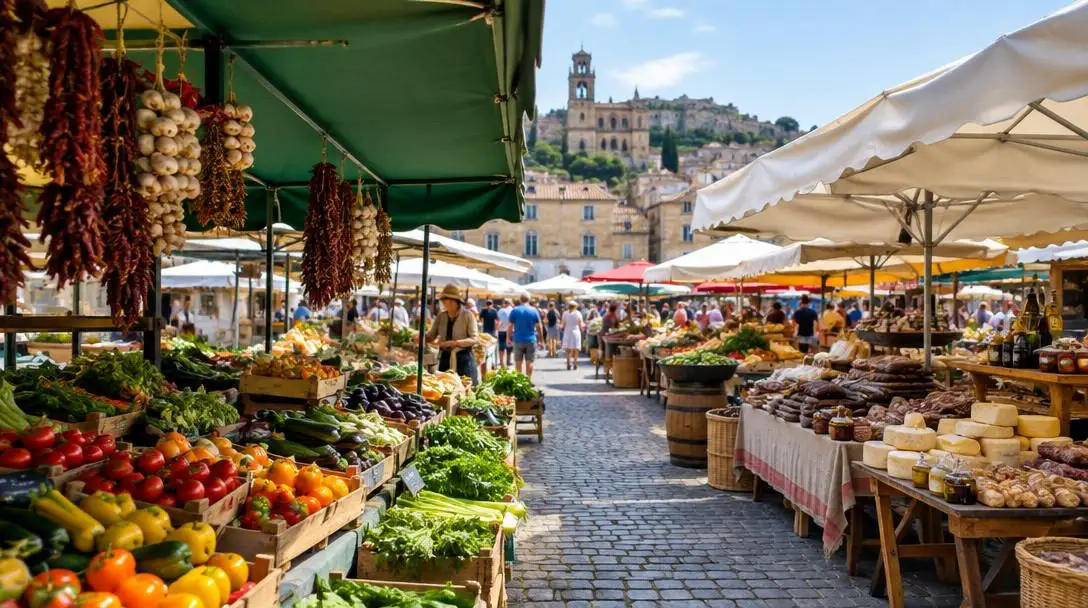
North American travelers often carry an open, extroverted disposition. While cultural norms vary and not every destination embraces casual small talk, many communities around the world welcome friendly, respectful visitors with great warmth. Making an active effort to speak with residents is one of the quickest and most rewarding ways to move beyond the superficial layer of tourism and experience a destination's true culture.
Striking up conversations yields immediate, practical benefits on the ground. Local residents possess firsthand knowledge of the area and can direct you toward hidden neighborhood spots and authentic eateries situated far from tourist-heavy corridors. Beyond culinary and logistical guidance, interacting with residents often leads to lasting penpals and unscripted human connections. These spontaneous interpersonal encounters often become the most vibrant, heartwarming stories you share after returning home.
The Pen is Mightier: Keeping a Travel Journal
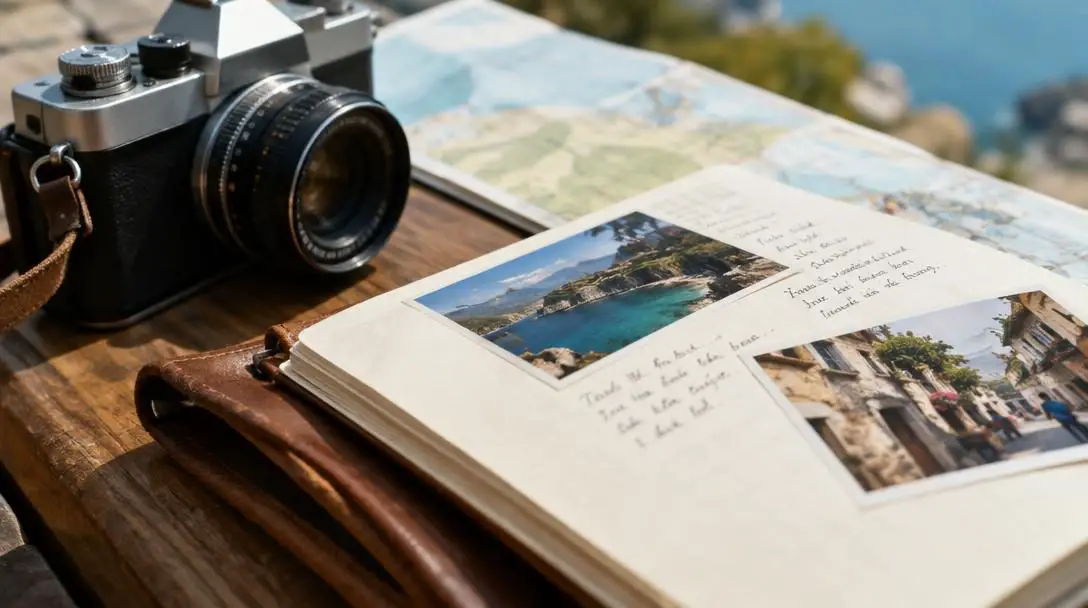
When it comes to safeguarding nuanced personal experiences, nothing surpasses the power of the written word. This timeless practice is why people have maintained personal diaries for centuries, and it remains remarkably effective on the road. Vacation photographs provide visual evidence of a destination, but a journal captures the elements that photos routinely miss: the dialogue exchanged during dinner, the unique scent of a spice market, and the unexpected delays that turned into delightful detours.
Maintaining a travel journal does not necessitate writing extensive daily essays. Brief, bulleted observations recorded while riding a train, resting at a cafe, or winding down before sleep are more than sufficient. Recording the names of people encountered, specific locations visited, and the emotional tone of the day establishes an indelible record. Decades later, opening the pages of a trip notebook instantly revives those original emotions, delivering a warm, evocative return to the exact time and place of the journey.
Curating a Destination Memory Chest
Collecting physical mementos is a time-honored travel tradition, yet countless keepsakes suffer an unfortunate fate once travelers return home. Far too often, paper ephemera, local crafts, transit tickets, and guide maps are dumped into a generic cardboard box and stashed away in a dark closet, attic, or storage unit, never to be seen again. This lack of intentionality reduces meaningful tokens to household clutter.
A far better approach is to curate a dedicated, aesthetically pleasing memory chest for each major adventure. You can choose a small, distinctive decorative box to house curated treasures, including:
- Handmade trinkets or small regional handicrafts discovered in street markets.
- Printed photographs of key moments, candid portraits, and family activities.
- Meaningful paper goods such as transit passes, museum admission slips, handwritten notes, and menus.
Establishing an individual memory box for each trip turns physical souvenirs into a polished, accessible archive. As you continue to travel, you can organize a dedicated display shelf in your living room or study to exhibit your collection of memory boxes, creating an inviting personal library of past travels that family members and guests can easily open and explore.
Pin to Win: Tracking Journeys on a Map
A visual display provides an engaging, ongoing celebration of individual vacations and a lifetime of exploration. Mounting a large, high-quality world map in a prominent area of your home offers a daily reminder of the places you have explored and the adventures you have shared with loved ones. Each time you return from a journey, mark the specific cities and regions you visited by inserting a physical pin directly into the map.
To add depth and character to the display, introduce a color-coded pin system that reflects your travel experiences:
- Revisit pins: Choose one distinct color to designate destinations that resonated so deeply that you fully intend to return in the future.
- Completed pins: Assign a different color to mark locations where you had an exceptional experience, feel you thoroughly explored the area, and have no immediate urge to revisit.
- Aspirational pins: Use an additional color to denote target destinations currently sitting at the top of your future travel wish list.
Over the years, this map evolves from a simple decorative item into a personalized, three-dimensional narrative of your life's adventures, sparking nostalgia and inspiring plans for future departures.

Travel Memory Preservation at a Glance
Each memory-keeping strategy serves a distinct purpose, capturing different dimensions of an itinerary. Combining several methods creates a comprehensive system that preserves visual, narrative, and tangible elements of every vacation.
| Preservation Method | Primary Focus | Captured Details | Long-Term Benefit |
|---|---|---|---|
| Airplane Mode | Undivided attention | Real-time visual moments via camera | Prevents digital interruptions and work intrusion |
| Local Interactions | Cultural immersion | Authentic meals, local tips, human connections | Yields compelling personal stories and penpals |
| Travel Journal | Reflective writing | Sensory impressions, dialogue, specific names | Evokes deep emotional recall years later |
| Memory Chest | Physical keepsakes | Tickets, printed photos, handmade crafts | Transforms loose souvenirs into an organized home archive |
| Pin Map | Visual tracking | Geographic milestones and travel preferences | Creates an interactive, evolving decorative chronicle |
A Step-by-Step Routine for Road-Ready Memory Keeping
Implementing a reliable memory-retention routine does not require extensive administrative work while traveling. Establishing brief, repeatable habits before departure, during the journey, and upon returning home ensures your experiences are captured seamlessly without disrupting your vacation schedule.
- Pack your documentation tools before leaving home, including a blank pocket-sized journal, a reliable pen, and a designated small pouch in your daypack for collecting paper keepsakes.
- Configure your mobile device settings prior to departure, verifying your camera preferences and engaging airplane mode the moment you begin your morning activities.
- Collect paper ephemera systematically throughout the day, sliding train passes, museum stubs, and business cards into your dedicated pouch to keep them flat and intact.
- Set aside ten quiet minutes each evening before sleep to write down specific highlights, recording the names of local residents, dishes sampled, and humorous or unexpected occurrences.
- Process your collected materials immediately upon returning home by selecting your favorite keepsakes, placing them inside a dedicated decorative memory box, and adding a pin to your wall map.
Common Pitfalls That Lead to Forgotten Trips
Even travelers with the best intentions frequently make mistakes that undermine their ability to look back on past adventures with clarity. Recognizing these routine pitfalls makes it significantly easier to avoid them.
- Viewing the world through a screen: Snapping hundreds of rapid-fire photos without pausing to observe the environment directly limits your brain's capacity to absorb ambient sounds, scents, and textures.
- Leaving notifications active: Allowing work alerts and social feeds to buzz in your pocket pulls your consciousness back into domestic routines, diluting your emotional connection to the destination.
- Staying inside a tourist bubble: Sticking strictly to hotel lobbies and tourist-heavy venues without interacting with residents strips away the authentic cultural texture that makes travel rewarding.
- Relying on delayed documentation: Assuming you will recall the details weeks after returning home leads to disappointment, as fine details fade almost immediately once daily obligations resume.
- Neglecting collected keepsakes: Tossing tickets, receipts, and crafts into random storage containers leaves them vulnerable to dust and disorganization, defeating the purpose of gathering them.
- Failing to revisit your archive: Storing journals and memory chests in out-of-the-way locations means they remain unopened for decades rather than serving as living reminders of past adventures.
Tailoring Memory Habits to Solo and Family Itineraries
Different styles of travel call for slightly different approaches to memory keeping. Tailoring your preservation methods to your travel party ensures that recording memories feels like a natural extension of the trip rather than an administrative chore.
Solo travelers naturally enjoy extended periods of quiet contemplation, making in-depth daily journaling an ideal practice. A solo journey allows ample time to sit in quiet plazas or transit stations, reflecting on personal growth and recording detailed observations about the surrounding culture without negotiating anyone else's schedule. Solo travelers can also use local interactions as an antidote to loneliness, regularly initiating friendly conversations with shopkeepers, museum docents, and fellow travelers to forge unexpected friendships.
When traveling with children—a group representing more than 40 percent of vacationing Americans—memory preservation should become an inclusive, collaborative activity. Children often find structured writing daunting after a long day of sightseeing, but they enthusiastically embrace tactile tasks. Involve children directly by having them select small tokens for the trip's memory box, pick out postcards at local kiosks, or decide which color pin belongs on the wall map when returning home. Establishing these traditions transforms memory keeping into a shared family ritual that builds anticipation for every future excursion.
Frequently asked questions
Why is it better to put my phone on airplane mode instead of leaving it in the hotel?
Smartphones feature exceptional cameras that make high-resolution photography quick and convenient. Leaving the device behind means missing spontaneous photo opportunities, whereas switching to airplane mode keeps the camera active while blocking distracting calls, messages, and application alerts.
How can talking to local residents help create better travel memories?
Speaking with residents helps you avoid crowded tourist traps and steers you toward authentic culinary spots and lesser-known regional sights. Furthermore, genuine human interactions often turn into meaningful stories or long-term penpal relationships that outlast generic sightseeing.
What should I do if I don't have time to write long journal entries every day?
You do not need to compose comprehensive essays to preserve valuable details. Spending just five to ten minutes noting brief bullet points—such as the names of streets, specific dishes you ate, individuals you spoke with, or surprising events—creates an evocative record that triggers rich memories years later.
What items work best inside a curated travel memory box?
A destination memory box works best when filled with tactile, meaningful items that do not take up excessive space. Ideal inclusions comprise transit tickets, museum stubs, printed photographs of key moments, small crafts or trinkets from local markets, and handwritten daily notes.
How does a color-coded map enhance travel memory preservation?
A color-coded pin map provides a dynamic, visual summary of your travel history right on your wall. By using different colors to distinguish between places you want to revisit, locations you feel you have experienced completely, and future dream destinations, you turn travel tracking into a personalized art piece.
The bottom line
Vacations represent a significant investment of time, energy, and financial resources. Yet without intentional strategies to capture the essence of your journeys, the finest details of your travels will inevitably be crowded out by the demands of ordinary life. Leaving memory retention to chance is an unnecessary risk when simple, rewarding preservation systems are readily available.
By disconnecting from digital clutter with airplane mode, seeking out genuine local connections, writing down daily sensory details, organizing mementos in curated memory boxes, and tracking milestones on a personalized wall map, you transform fleeting getaways into lifelong assets. Taking deliberate steps to honor and preserve your journeys ensures that the adventures you embark on today continue to inspire and enrich your life for decades to come.