
5 Ways To Safeguard Your Health When Travelling
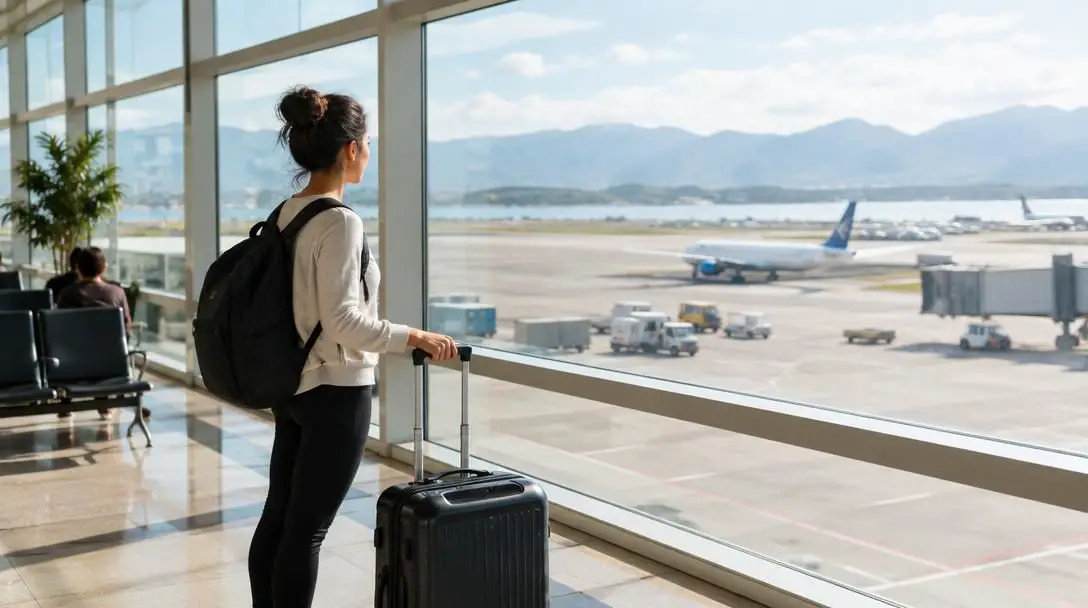
Traveling offers the exhilarating opportunity to explore unfamiliar sights, savor regional cuisines, and create memories that can last a lifetime. Yet far too often, a dream vacation ends with an unwelcome souvenir: returning home exhausted, congested, or confined to bed with an unexpected illness. Because travel thrusts your body into novel environments, shifts your daily routines, and exposes you to crowds from across the globe, staying healthy requires deliberate forethought rather than wishful thinking.
Falling ill after a trip is not an inevitable tax on adventure. By understanding the mechanical stressors of transit hubs, adjusting to unfamiliar environmental conditions, and maintaining consistent personal hygiene, you can protect your physical wellbeing from departure day through unpacking your bags back home.
Key takeaways
- Transit hubs and lodging bring travelers into contact with high-touch shared surfaces that require targeted sanitization.
- Dehydration occurs faster in pressurized aircraft cabins and unfamiliar climates, weakening the respiratory system's natural defenses.
- Sudden environmental shifts, including extreme humidity and high elevations, demand gradual physical pacing.
- A resilient immune baseline relies on consistent micronutrient intake from multivitamins and fresh, balanced meals.
- Vetting dining establishments through official health inspection scores and review platforms helps prevent debilitating foodborne illness.
Why travel disrupts the body's natural defenses
To stay well throughout a journey, it helps to understand why your physiology becomes uniquely vulnerable once you leave home. In your typical everyday life, your immune system operates within a familiar ecosystem. You breathe local air, inhabit spaces with predictable microbial profiles, consume food prepared under known conditions, and follow regular circadian sleep patterns. Your defense mechanisms understand this baseline environment and manage it with minimal friction.
Embarking on a journey dismantles that predictability. Modern transit hubs—such as international airports, busy train depots, bus terminals, and highway service plazas—concentrate thousands of travelers from all corners of the planet into confined spaces. High-touch fixtures like security screening bins, ticket kiosks, handrails, and automated payment screens are touched thousands of times daily. Compounding this microbial exposure are the physical stressors of travel: long stretches of sedentary waiting, irregular meal timings, dehydration, and rapid shifts across time zones. When stress hormones rise and sleep cycles slip, your innate immune barriers weaken, giving opportunistic pathogens a clear path to take hold.
Safeguarding your physical wellness allows you to fully enjoy your itinerary rather than spending valuable travel time nursing aches, fatigue, or stomach upset.
Five core strategies to safeguard your health on the road
Maintaining peak health while exploring new places does not require disruptive protocols, but it does require disciplined consistency. Incorporating five foundational practices into your travel routine builds an active defense against the most common health pitfalls encountered away from home.
Sanitize Everything
One of the most enduring lessons of the COVID-19 pandemic, which reshaped public consciousness in 2020, is the critical importance of sanitizing your immediate surroundings. For decades, standard public health messaging focused almost exclusively on washing hands. While keeping your hands clean remains vital, pathogens routinely linger on shared nonporous surfaces for hours or days before you make contact with them.
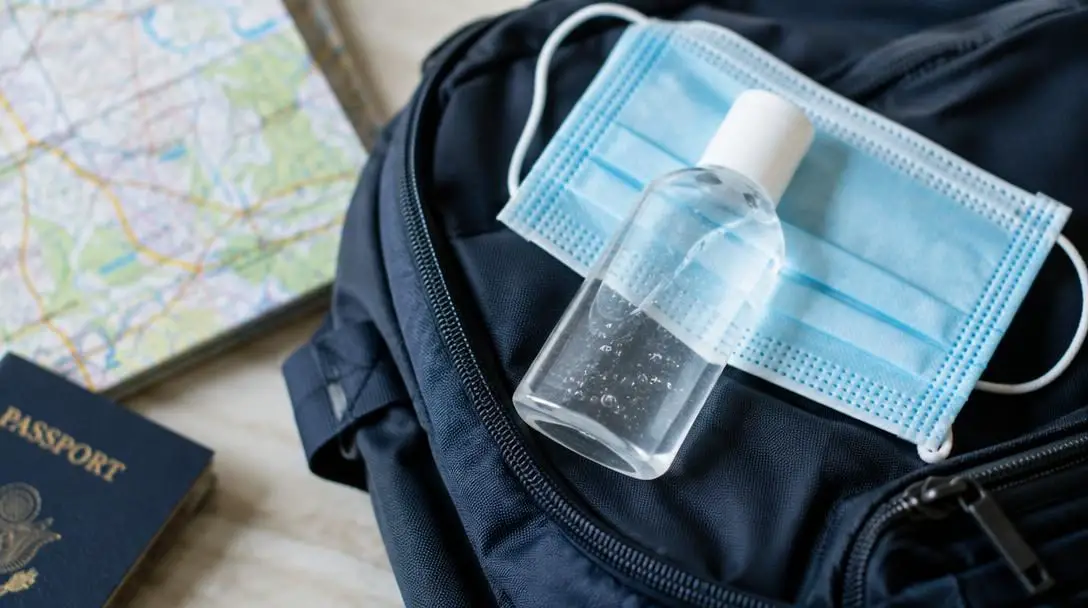
When boarding public transit or checking into accommodations, take a moment to disinfect the high-touch surfaces you will be using. On commercial aircraft, flight turnarounds are often too tight for deep sanitization, leaving tray tables, armrests, seatbelt buckles, window shades, and overhead air vents coated in biological residue from prior passengers. In hotel rooms and rental properties, items like television remote controls, bedside lamp switches, bathroom faucets, and entry door handles are rarely sanitized thoroughly between check-ins. Carrying a dedicated travel pack of sanitizing wipes alongside personal hand sanitizer allows you to neutralize lingering microbes before they transfer to your fingers and face.
Stay Hydrated
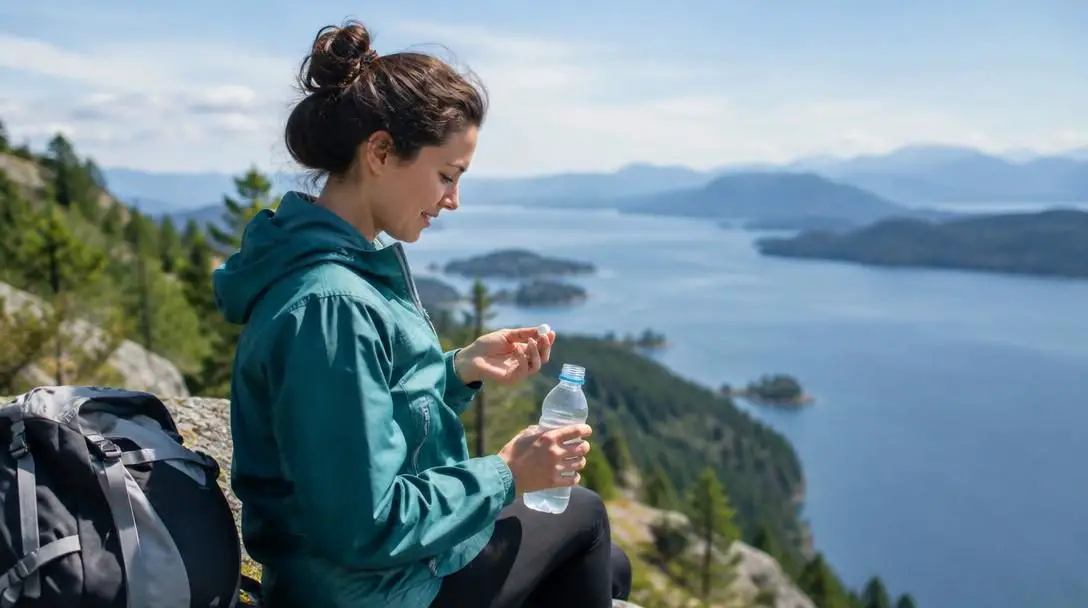
Drinking sufficient water is a foundational health rule that most people recognize but frequently neglect, particularly during travel. At home, replenishing fluids is simple: you can visit your own kitchen tap or refrigerator the moment thirst arises. When traveling, addressing dehydration becomes considerably more complex, as access to clean, potable drinking water is not always guaranteed or convenient when navigating unfamiliar transit systems, museum queues, or outdoor routes.
Environmental factors accelerate fluid loss on the road. The humidity in commercial airplane cabins frequently hovers below twenty percent, causing rapid moisture loss through ordinary respiration and skin evaporation. When your body becomes dehydrated, the mucous membranes lining your respiratory tract dry out, severely compromising your first line of defense against airborne viruses and bacteria. Staying ahead of your fluid needs keeps these mucosal barriers intact while preventing the headaches, cognitive fog, and gastrointestinal sluggishness often mistaken for jet lag.
Mind the Elevation and Temperature
Maintaining aggressive hydration is especially critical when your destination features a climate vastly different from your home environment. Human physiology requires several days to acclimatize to shifts in atmospheric pressure, temperature, and relative humidity. Misjudging how hard your cardiovascular and thermoregulatory systems must work in a new setting can quickly lead to severe exhaustion.
Consider the contrasting physical demands imposed by different weather profiles. A traveler residing in Nevada may be entirely comfortable walking through dry desert summer heat reaching 100 degrees Fahrenheit. However, arriving in Florida on a 90-degree afternoon presents a radically more exhausting challenge; high ambient humidity impedes the evaporation of sweat, crippling the body's natural cooling mechanism. Similarly, arriving in an elevated destination like Denver, Colorado, exposes your lungs to thinner air with lower oxygen pressure, which can trigger shortness of breath, lightheadedness, and profound fatigue during basic physical activity. Listening to your body and moderating your physical pace during the initial days of a trip ensures safe acclimatization.
Take Your Vitamins
Your immune system acts as an internal shield, working continuously to identify and neutralize foreign invaders before they cause clinical symptoms. Sustaining that defense mechanism under the strain of disrupted sleep, irregular schedules, and unfamiliar environments requires providing your body with essential micronutrients.
Establishing a consistent vitamin routine before leaving home and continuing it throughout your trip ensures your immune cells have the fuel needed to operate effectively. A comprehensive daily multivitamin provides a solid micronutrient foundation, while targeted vitamin supplements such as Emergen-C deliver a concentrated boost to support cellular resilience. Beyond packaged supplements, seek out balanced meals featuring whole fruits and vegetables at your destination. Dietary fiber and natural antioxidants nourish the gut microbiome, which houses the vast majority of your active immune defenses.
Don't Trust All Food
While prioritizing fresh produce is excellent for nutritional health, travelers must remember that food safety standards and water sanitation practices vary drastically across jurisdictions. Novel food preparation methods, unpasteurized ingredients, and municipal water supplies carrying unfamiliar bacteria can easily overwhelm an unaccustomed digestive system, causing acute gastroenteritis.
Prudent dining requires active research and vigilance. Before sitting down at an unfamiliar eatery, check user-generated review platforms like Google and Yelp to see if recent diners have raised red flags regarding hygiene, food storage, or undercooked meats. Furthermore, look for official health inspection grades, which are frequently displayed on storefronts or near the cash register by municipal health authorities. When dining in regions with questionable water infrastructure, avoid raw leafy salads washed in tap water and choose steaming-hot, thoroughly cooked dishes or fruits with thick, intact protective skins, such as bananas and oranges.
At a glance: Core travel health strategies
Evaluating each defensive strategy by its target hazard and practical countermeasure helps you organize your daily wellness routine while exploring new destinations.
| Strategy | Primary Risk Addressed | Essential Tools | Key Daily Action |
|---|---|---|---|
| Sanitize Everything | Contact pathogen transmission | Sanitizing wipes, hand sanitizer | Wipe high-touch surfaces immediately upon arrival |
| Stay Hydrated | Mucosal drying and systemic fatigue | Reusable water bottle, clean refill stations | Drink fluids continuously before thirst develops |
| Mind the Elevation and Temperature | Heat exhaustion and altitude sickness | Electrolytes, breathable layers | Schedule light physical activity for the first 48 hours |
| Take Your Vitamins | Depleted cellular immunity | Multivitamins, Emergen-C, whole foods | Take daily micronutrients alongside balanced meals |
| Don't Trust All Food | Bacterial food poisoning (Salmonella, E. coli) | Yelp, Google reviews, inspection certificates | Inspect sanitation ratings and eat cooked or peeled foods |
How pathogens exploit transit and food systems
The transmission of disease during travel relies primarily on two vectors: surface contamination and ingested biological agents. Understanding the mechanics of transmission clarifies why simple preventive steps are so effective.
Viruses and bacteria transfer rapidly through touch. An infected traveler coughs into their palm, touches an airline armrest or a hotel check-in pen, and deposits a film of moisture laden with active viral particles. When the next person grips that armrest and subsequently rubs their eyes, scratches their nose, or eats a snack, the pathogen enters via mucosal tissue. Using alcohol-based wipes breaks down the lipid envelopes of viruses and ruptures bacterial cell membranes, rendering them harmless before they can reach your system.
In the culinary realm, illnesses stemming from bacteria like Salmonella and pathogenic strains of Escherichia coli (E. coli) typically arise from unwashed hands, cross-contamination between raw meats and prep surfaces, or inadequate hot and cold holding temperatures. When regulatory health departments conduct inspections, they evaluate these specific control points. Choosing venues that pass these inspections with high marks substantially lowers your odds of ingesting dangerous bacterial loads.
Step-by-step health routine for transit days
Executing a deliberate, organized routine on departure day removes the guesswork from staying healthy while navigating airports, train stations, and hotels.
- Pack an accessible personal hygiene pouch containing your travel-sized sanitizing wipes, hand sanitizer, and daily vitamins inside your carry-on luggage.
- Carry an empty, refillable water bottle through security checkpoints and fill it completely at a dedicated water filtration station prior to boarding.
- Disinfect your seating area upon arrival on the plane or train, wiping the seatbelt buckle, tray table, armrests, and overhead controls before settling in.
- Drink water consistently throughout the transit period, avoiding heavy reliance on dehydrating beverages like alcohol or excess coffee.
- Inspect your hotel room upon check-in, sanitizing the television remote, bedside lamp controls, and bathroom fixtures before unpacking your personal belongings.
Common hygiene and wellness mistakes travelers make
Even seasoned travelers frequently commit simple errors that leave them vulnerable to sickness. Steering clear of these widespread oversights will help keep your trip on track.
- Relying solely on hand sanitizer: Cleaning your hands is critical, but placing your phone, wallet, or handbag on public counters and transit floors constantly recontaminates your fingers.
- Equating dry heat with humid heat: Assuming 90-degree weather in a humid region feels identical to dry desert climates often leads to sudden heat exhaustion and dangerous fluid depletion.
- Waiting for thirst before drinking water: Thirst is a delayed physiological indicator that dehydration has already begun; you should sip water steadily throughout the day.
- Ignoring official sanitation inspection grades: Choosing restaurants based solely on convenient proximity rather than verified health inspection records increases the risk of severe stomach distress.
- Skipping fresh nutrition during busy days: Relying exclusively on ultra-processed convenience snacks while sightseeing deprives the immune system of essential vitamins and dietary fiber.
Frequently asked questions
Why do travelers often get sick right after returning home?
Post-travel sickness is usually triggered by a combination of physical exhaustion, disrupted sleep patterns, exposure to novel microbes in crowded transit hubs, and dehydrated mucosal membranes that fail to block airborne pathogens.
What surfaces should I sanitize first on an airplane?
Prioritize high-touch hard surfaces that flight crews rarely have time to deep-clean between legs, including the tray table, armrests, seatbelt latch, window shade handle, and overhead ventilation knob.
How does altitude affect hydration levels?
At higher elevations, the air is thinner and drier, which causes your body to breathe faster and lose moisture rapidly through respiration, requiring a substantial increase in daily water intake.
Can taking vitamins guarantee I will not get sick while traveling?
No supplement guarantees complete immunity, but taking multivitamins or supplements like Emergen-C ensures your immune cells have the micronutrients necessary to operate at peak efficiency under travel stress.
How can I safely choose restaurants in an unfamiliar city?
Check verified customer reviews on platforms like Google and Yelp, confirm that the establishment visibly displays a passing inspection certificate from local health authorities, and avoid venues with questionable food-handling standards.
The bottom line
Experiencing the world does not have to come at the expense of your physical wellbeing. By treating hygiene as an active habit, respecting the demands of unfamiliar climates, prioritizing continuous hydration, and remaining discerning about food sources, you can insulate your body from the most common travel-related illnesses. A healthy traveler is an empowered traveler, fully capable of enjoying every step of the journey and returning home energized by the adventure.