5 Ways To Help Yourself Drink More Water
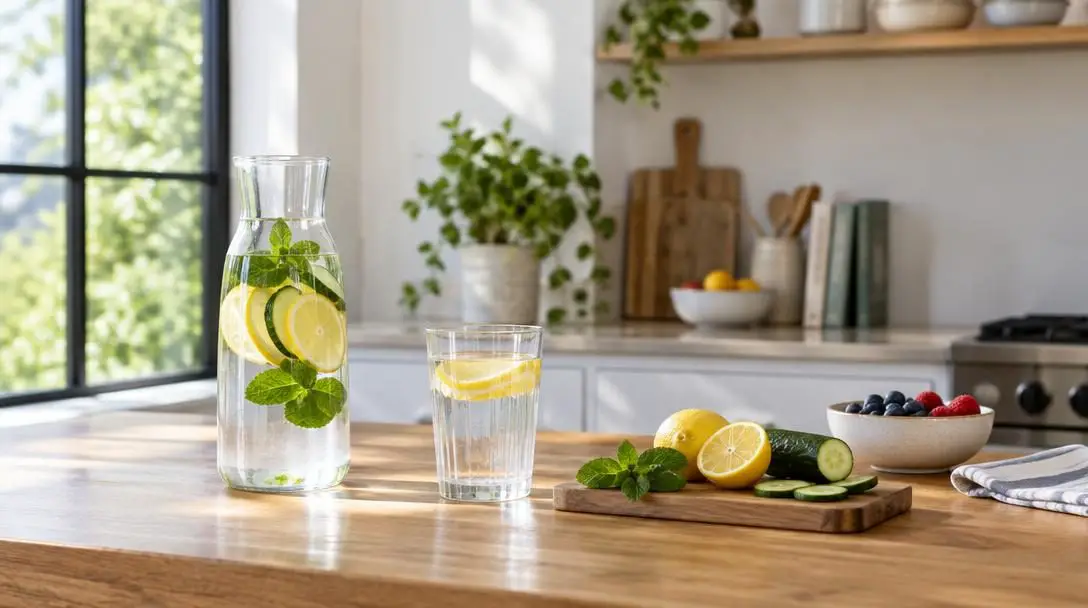
Water is a fundamental necessity for human survival and day-to-day vitality, yet maintaining optimal fluid levels remains a persistent challenge for a large portion of the population. Although clean drinking water is widely accessible in modern households and workplaces, an estimated more than 40 percent of Americans fail to drink the recommended daily amount. When daily intake falls short, the body is forced to operate under strain, which frequently leads to lethargy, brain fog, and a general lack of physical stamina.
Bridging the gap between our current habits and our physiological requirements does not require a dramatic lifestyle transformation. By recognizing the obstacles that prevent regular drinking—from busy work schedules and unappealing tap water to the allure of sweetened beverages—you can implement straightforward adjustments that make hitting your daily fluid targets feel natural, sustainable, and rewarding.
Key takeaways
- Health experts recommend a daily fluid target of 3.7 liters for males and 2.7 liters for females to maintain cellular balance and bodily function.
- More than 40 percent of Americans fall short of their daily hydration targets, often due to busy routines, taste preferences, or water quality concerns.
- Over 70 percent of Americans express concern regarding municipal tap water quality, making home filtration a valuable step toward better hydration.
- Simple adjustments such as sipping through a straw, pairing water with meals, and monitoring intake via dedicated mobile apps make meeting daily goals much easier.
Understanding daily hydration and why your body needs water
Every cell, tissue, and vital organ in the human body relies on continuous fluid intake to perform baseline biological functions. Water acts as the foundational medium for your physiology, facilitating the transportation of essential nutrients, keeping joints properly lubricated, expelling metabolic waste, and stabilizing internal body temperature. Once absorbed through digestion, fluids enter the bloodstream to preserve the volume necessary for efficient cardiovascular circulation and balanced cellular pressure.
To sustain these internal mechanisms, health experts recommend that males consume 3.7 liters per day and females consume 2.7 liters per day. These baseline recommendations account for the continuous losses of water that occur naturally throughout the day via respiration, perspiration, and normal excretion. Because these fluid losses are uninterrupted, hydration cannot simply be accomplished in a single sitting; it requires steady replenishment across your waking hours.
When you fail to supply your system with adequate fluid, the body enters a conservation mode. Even minor fluid deficits can rapidly produce uncomfortable symptoms, including dry mouth, mental fatigue, reduced cognitive focus, and depleted muscular stamina. While many individuals reach for sodas, sweetened teas, or fruit juices to alleviate these feelings, those options flood the bloodstream with concentrated sugars and artificial additives. Clean, filtered, or lightly flavored water delivers true cellular hydration without forcing your metabolism to process unnecessary calories and chemical compounds.
Because the body continually loses fluid through breathing, sweating, and digestion, that volume must be replenished steadily throughout the day.
Five practical ways to drink more water every day
Transitioning from an inconsistent drinking routine to reaching several liters each day requires reducing the friction between you and your water source. Below is an overview of five practical techniques designed to bypass common hurdles like forgetfulness, poor taste, and lack of convenience.
| Strategy | Primary benefit | Implementation method | Primary obstacle addressed |
|---|---|---|---|
| Drink at meals | Pairs fluid intake with existing eating reflexes | Substitute water for sodas, juice, or milk at the table | Busy schedules and skipped drinking breaks |
| Add natural flavor | Enhances palatability without added sugars | Infuse with drops of real fruit juice or sugar-free packets | Boredom with plain, tasteless water |
| Use hydration apps | Provides automated logging and alerts | Download tracker tools and set up working-hour reminders | Digital distraction and forgetfulness |
| Sip through a straw | Promotes passive, frictionless drinking | Keep a straw-equipped bottle or tumbler nearby | Physical effort and resistance to chugging |
| Install a water filter | Removes unpleasant odors and off-flavors | Use countertop pitchers, faucet attachments, or under-sink units | Distaste or concern regarding municipal tap water |
Drink water at every meal
Sitting down to eat breakfast, lunch, or dinner presents a built-in opportunity to replenish your fluids. In many households and dining establishments, default beverage choices lean heavily toward milk, sweetened juices, or carbonated soft drinks. Replacing these high-calorie beverages with a tall glass or bottle of water immediately establishes a recurring hydration anchor in your daily routine.
The biological act of chewing and swallowing dry or dense food triggers a natural reflex to reach for a beverage to cleanse the palate and assist digestion. By ensuring that water is your only table beverage, you naturally consume a significant portion of your recommended 2.7 or 3.7 liters without dedicating extra time to the task. An added advantage is financial: choosing water over specialty beverages when dining out eliminates unnecessary beverage charges from your restaurant bill.
Add some flavor to plain water
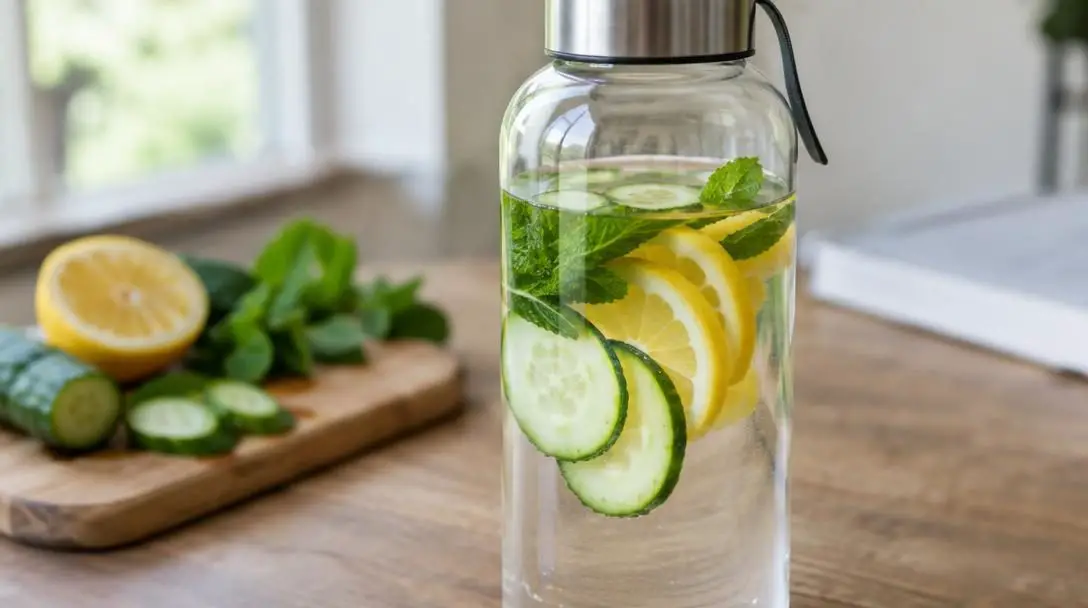
A frequent barrier to drinking sufficient water is simple sensory fatigue. Plain tap or bottled water can seem bland and uninspiring, especially for individuals who are accustomed to intensely sweet sodas and processed beverages. When drinking feels like a flavorless chore, daily intake numbers inevitably plummet.
You can revitalize your intake by introducing light, natural enhancements. Adding a few drops of pure fruit juice introduces a crisp, refreshing note to a cold pitcher without loading it with excessive carbohydrates. Alternatively, single-serve sugar-free flavor packets offer portable taste variety that can be mixed into a reusable bottle during travel or work hours. The goal is to make the taste enticing while taking care not to negate the health benefits by adding heavy spoonfuls of refined sugar.
Take advantage of hydration apps
In a modern work environment filled with deadlines, meetings, and screen-based distractions, it is easy for hours to pass without a single sip of liquid. Many people simply forget to drink until extreme thirst or an afternoon headache sets in. Utilizing smartphone technology helps bridge this gap between intention and execution.
Both iOS and the Google Play Store offer dedicated hydration applications created to turn intake into an interactive, trackable habit. Popular tools include:
- Daily Water Tracker Reminder: Allows users to log volume quickly and set visual milestones throughout the day.
- Hydro Coach: Calculates tailored targets and sends gentle push notifications to remind you to drink.
- WaterMinder: Visualizes your hydration progress through intuitive graphical interfaces and progress rings.
By scheduling subtle notifications that align with your typical working hours, these applications act as a gentle digital prompt, ensuring you steadily chip away at your daily target.
Use a straw to sip effortlessly
The mechanics of how you consume liquid play a surprisingly significant psychological role in the total volume you drink. Tipping back an open-rim glass or repeatedly twisting off a bottle cap requires deliberate physical effort and momentary pauses in your work. In contrast, drinking through a straw makes fluid consumption almost entirely passive and frictionless.
When a large tumbler or insulated bottle with a built-in straw sits within your peripheral vision, your hand naturally reaches for it while reading, typing, or watching television. You will find yourself continuously taking small, effortless sips without interrupting your concentration. Over the course of an eight-hour workday, this subconscious sipping habit allows you to empty multiple large containers with zero perceived effort.
Get a water filter for clean-tasting tap water
Flavor and sensory aversion are powerful deterrents. If the water flowing from your kitchen tap carries a distinct chlorine smell, a metallic tang, or visible cloudiness, you are far less likely to drink it in large quantities. This is a widespread issue: more than 70 percent of Americans express concern about the safety and quality of their municipal water supplies.
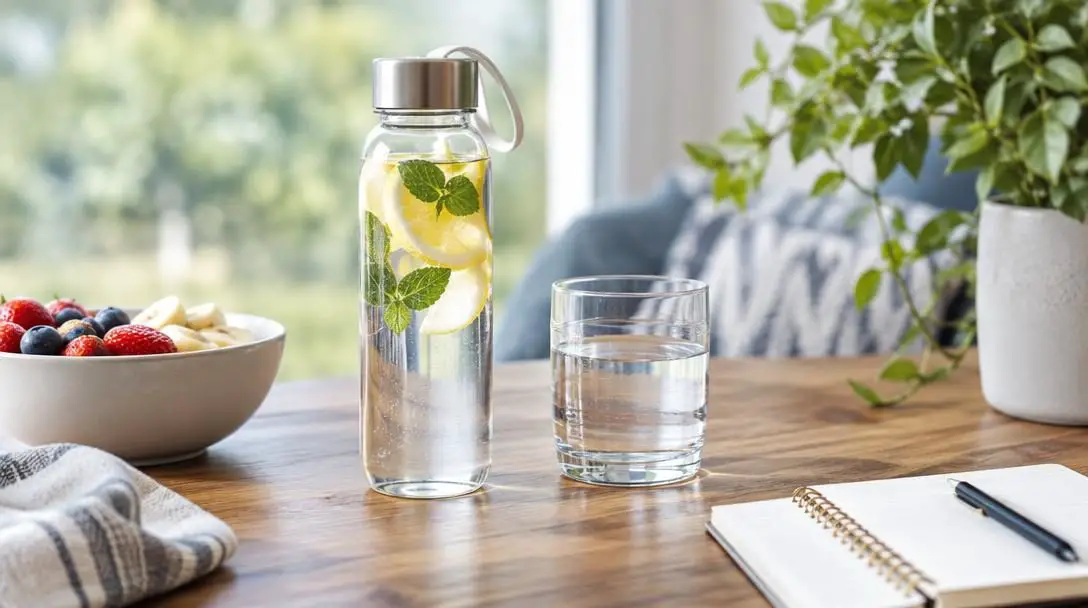
Investing in a reliable water filtration system is one of the most effective ways to remove these sensory and psychological roadblocks. Filtration systems eliminate unpleasant odors, reduce chemical residues, and restore a crisp, clean taste to municipal water. Whether you choose a budget-friendly countertop pitcher, a direct faucet attachment, or a comprehensive under-sink setup, treating your water transforms it from an unpleasant chore into an enjoyable beverage you look forward to drinking.
Step-by-step routine for building consistent hydration habits
Attempting to jump directly from a cup or two of water a day to several liters can feel overwhelming if done haphazardly. Structuring your day around predictable checkpoints ensures your intake stays on schedule without causing physical discomfort.
- Establish a morning baseline: Drink a full glass of filtered water immediately after waking up to jumpstart your daily tally and replenish fluids lost overnight before your morning routine gets busy.
- Equip your work environment: Fill a large, reusable bottle equipped with a straw and place it directly on your workstation or desk within easy arm's reach.
- Schedule digital reminders: Install an app such as Daily Water Tracker Reminder, Hydro Coach, or WaterMinder, and configure alerts to notify you every 60 to 90 minutes during your workday.
- Commit to mealtime swaps: Designate water as your primary beverage during breakfast, lunch, and dinner, setting aside soda, juice, or sweetened milk for infrequent treats.
- Prepare flavor alternatives: Stock your kitchen pantry or commuter bag with natural fruit juice drops or sugar-free mix packets so you can switch up the taste whenever plain water feels unappealing.
Hydration pitfalls and mistakes to avoid
When working to increase daily fluid consumption, many individuals fall into counterproductive routines that undermine their overall consistency. Being aware of these frequent missteps will keep your progress on track:
- Chugging excessive volumes at once: Attempting to consume an entire liter in a single sitting—especially late in the evening—causes digestive fullness and disrupts sleep with frequent bathroom trips. Spread your volume evenly across the day instead.
- Relying on high-sugar enhancers: Masking the taste of water with heavy fruit syrups, sugary cordials, or standard drink mixes loads your body with unnecessary calories and works against your health objectives.
- Waiting until thirst sets in: As noted earlier, thirst is an indicator that mild dehydration has already begun. Sip on a continuous schedule rather than waiting for your throat to feel parched.
- Tolerating bad tap water: Pushing through tap water with an unpleasant taste or chemical odor will eventually erode your motivation. Solve the root issue with an inexpensive filter.
- Choosing wide-mouth, lid-heavy containers: Using containers that require two hands to open and drink from introduces subtle physical barriers that reduce your drinking frequency compared to a quick-access straw cup.
Adjusting your fluid intake for lifestyle and environment
While the standard baseline targets—3.7 liters for males and 2.7 liters for females—serve as excellent guideposts, individual fluid demands are never completely static. Your day-to-day requirements will fluctuate depending on your physical routine, the local climate, and your living environment.
Strenuous physical exertion, high-intensity athletic workouts, and manual labor accelerate fluid loss through heavy sweating. In these situations, your body requires additional water above the daily baseline to preserve muscular endurance, prevent cramping, and support proper heat regulation. Similarly, living or working in warm, humid weather or arid, high-altitude regions speeds up dehydration, requiring proactive increases in intake.
You should also assess the physical configuration of your living space to make clean water as accessible as possible. If you live in an apartment where plumbing modifications are restricted, a compact countertop pitcher or a screw-on faucet filter provides an instant, non-invasive upgrade. For homeowners looking for maximum convenience, an under-sink filtration system delivers high-volume, pristine water directly from a dedicated tap, ensuring you never run out of clean-tasting water.
Frequently asked questions
How much water should I drink each day?
Health authorities recommend a general baseline of 3.7 liters per day for adult males and 2.7 liters per day for adult females. This represents total daily fluid intake from all clean beverage sources necessary to support optimal organ performance and cellular balance.
Why does drinking through a straw help you drink more?
Using a straw reduces the physical friction of drinking. Because it does not require tipping a glass or unscrewing a lid, it encourages continuous, subconscious sipping while you focus on other tasks, leading to higher overall intake across the day.
Can I count soda or juice toward my daily hydration goals?
While sodas and juices contain water, they also carry high concentrations of refined sugar, artificial additives, and excess calories. These ingredients place extra processing demands on your body and can conflict with broader health goals, making pure or lightly flavored water the superior choice.
What should I do if my local tap water tastes bad?
If your tap water has an unpleasant metallic flavor or chlorine odor, using a water filter is the most effective solution. Countertop pitchers, faucet-mounted units, or under-sink systems remove foul tastes and odors, addressing concerns shared by more than 70 percent of Americans who question their municipal water quality.
What are the early warning signs of mild dehydration?
Common initial indicators of inadequate hydration include dry mouth, mental fatigue, reduced cognitive alertness, and depleted physical stamina. Experiencing noticeable thirst also indicates that your body's fluid reserves are already running low.
The bottom line
Consistent daily hydration is not an elusive luxury reserved for wellness enthusiasts; it is a foundational pillar of daily energy, mental clarity, and long-term health. By recognizing that more than 40 percent of people are chronically under-hydrated, you can take deliberate, practical steps to protect your own physical well-being. Equipping yourself with simple tools—such as an effective water filter, an accessible straw tumbler, and interactive tracking apps—removes the hurdles that stand between you and your optimal fluid targets. Start by making small, repeatable adjustments during meals and throughout your workday, and allow your body to experience the transformative benefits of meeting your hydration needs day in and day out.