5 Ways To Inspire Yourself As An Artist
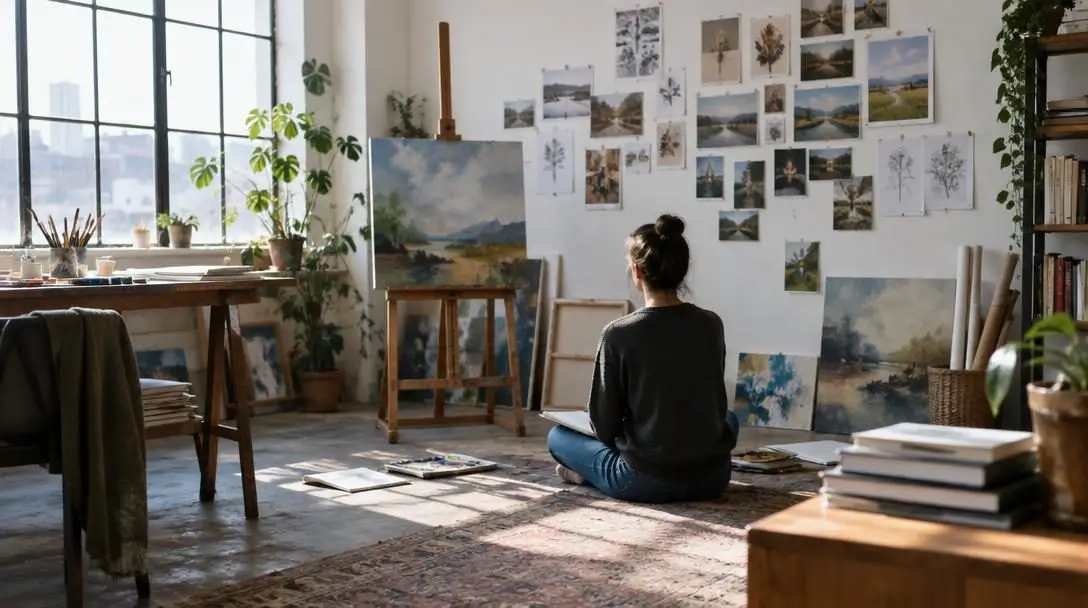
Every artist eventually confronts the silent weight of a creative wall. Hours spent staring at a blank canvas, an empty page, or an abandoned work surface can easily spiral into exhausting overanalysis, where the desire to manufacture something brilliant on command completely smothers natural intuition. This impasse is a universal rite of passage in the artistic life, yet it remains profoundly disheartening when your sole intention is to let your creative impulses guide your hands freely. Artistic stagnation is rarely a permanent failure of talent; rather, it is a clear operational signal that your internal well has run low on raw fuel. Creativity operates as a cyclical conversation between intake and output, requiring sensory, emotional, and intellectual stimulation to generate meaningful expression. By adopting intentional habits that disrupt visual monotony, examine internal sentiment, and welcome unfamiliar perspectives, creators can systematically dismantle mental roadblocks and restore natural creative flow. <div class="takeaways"> <h2>Key takeaways</h2> <ul> <li>Inspiration functions primarily as a psychological response to sensory and intellectual input rather than a purely spontaneous event.</li> <li>Leaving rigid schedules behind during travel and everyday neighborhood walks allows unexpected creative observations to emerge naturally.</li> <li>Interacting with people outside your regular social sphere introduces unfamiliar narratives that directly reshape your creative viewpoint.</li> <li>Meditation serves as an analytical and expressive tool to decode complex emotions and channel them into tangible artwork.</li> <li>Adopting unfamiliar artistic mediums without the pressure of performance removes performance anxiety and strengthens your primary discipline.</li> </ul> </div> <h2>Understanding the Mechanics of Creative Blockage</h2> <p>When creative momentum grinds to a halt, the instinctive response of many creators is to push harder, attempting to forcefully extract an idea through sheer willpower. Demanding that the mind produce brilliance on command, however, almost invariably tightens the mental grip that caused the block in the first place. Artistic expression flourishes within an environment of curiosity and spontaneous rhythm, making forced output feel stiff, repetitive, and deeply uninspired.</p> <p>To understand why this blockage occurs, an artist must recognize that creative work is fundamentally an <strong>output mechanism</strong>. Just as physical endurance requires caloric energy, imaginative output depends on a steady intake of varied experiences, unfamiliar environments, and emotional processing. When you spend extended periods working solely from your existing mental reserve, you inevitably begin to recycle old concepts, leading straight to mental fatigue and creative exhaustion.</p> <p>Breaking free from this stagnation requires a deliberate shift away from production and toward active observation. Actively engaging with the broader world alters how the brain organizes visual patterns, narrative structures, and emotional responses. By purposefully stepping outside your predictable patterns, you dismantle rigid self-expectations and replenish the conceptual storehouse needed to fuel future projects.</p> <aside class="callout tip"> <strong>Tip:</strong> Treat a creative slump as an operational warning that your input levels have fallen behind your output demands, rather than viewing it as a personal failure of ability. </aside> <h2>Five Core Pathways to Reignite Artistic Inspiration</h2> <p>Overcoming an artistic plateau involves exploring diverse sources of novelty, both within your immediate environment and deep within your own psyche. These five distinct avenues provide structured ways to gather fresh mental material, expand technical boundaries, and rebuild confidence in your artistic process.</p> <h3>Travel and Environmental Exploration</h3> <p>Traveling serves as an immediate visual and cultural catalyst, breaking through the repetitive visual noise of daily routines. Earth provides an immense variety of thought-provoking landscapes, architectural styles, and cultural environments. When using geographical travel to jumpstart your creative imagination, rigid, overbooked itineraries often work against you. Structuring every minute of a journey leaves little room for unexpected visual discoveries or contemplative stillness.</p> <p>Allowing a journey to unfold without strict expectations creates space for spontaneous creative sparks. Whether navigating an unfamiliar international city or exploring an unvisited natural reserve, the sensory disruption of navigating new terrain forces the brain into heightened awareness. Observing how light filters through unfamiliar vegetation, noticing regional architectural details, or absorbing the distinct sounds of a foreign street market supplies your subconscious with fresh aesthetic vocabulary.</p> <h3>Engaging with Diverse Walks of Life</h3> <p>Stepping outside your immediate personal circle provides an invaluable window into unfamiliar human experiences. Fascinating individuals exist everywhere, from remote corners of the globe to your own residential neighborhood. Many people carry quiet, remarkable life stories that they rarely broadcast openly. By showing genuine curiosity and engaging in conversations with neighbors, shopkeepers, and fellow travelers, you expose yourself to radically different emotional frameworks and life philosophies.</p> <p>Integrating fragments of other people's perspectives into your work expands your conceptual horizons. Listening to how someone else describes grief, celebration, perseverance, or routine challenges the personal assumptions that unconsciously limit your artistic concepts. Experiencing the world through another person's reality pulls you out of self-absorbed introspection and enriches your artistic storytelling with greater empathy and resonance.</p> <blockquote class="pull"> Inspiration functions as a responsive mechanism fueled by external observation and honest internal inquiry rather than a spontaneous miracle. </blockquote> <h3>Mindful Meditation and Emotional Reflection</h3> <p>While meditation is widely recognized as a vehicle for stress reduction and physical relaxation, it is equally potent as an instrument for artistic introspection. Art frequently acts as an expressive bridge for emotional states that language alone fails to articulate adequately. Whether an artist is navigating intense joy, personal devotion, acute heartbreak, or vague, unresolved melancholy, these internal states demand clarity before they can be effectively translated into physical form.</p> <p>Meditation offers a structured method to sit quietly with your thoughts, identify the underlying origins of complex emotions, and observe them without judgment. Instead of repressing confusing or difficult sentiments, reflective practice helps you decipher what you are genuinely feeling. Translating those clear emotional realities onto a canvas, a musical score, or a manuscript produces artwork imbued with authenticity and emotional honesty.</p> <h3>Experimenting with Unfamiliar Art Styles</h3> <p>Creative fatigue often stems from technical predictability. When you work exclusively within your signature style or preferred medium, the creative process can become mechanical. Intentionally pivoting toward a discipline or aesthetic approach that you have never tried before deliberately disrupts this complacency. Working with unfamiliar tools forces you to surrender mastery and re-enter the posture of an absolute beginner.</p> <p>The primary value of experimenting with outside styles lies entirely in educational self-discovery rather than high-level technical accomplishment. You do not need to master the secondary medium, nor do you even need to find the process comfortable. Stepping outside your established comfort zone forces you to solve creative problems from novel angles, revealing alternative techniques and philosophical approaches that you can later adapt into your primary artistic discipline.</p> <aside class="callout note"> <strong>Good to know:</strong> Experimental work should be strictly separated from commercial or public output so that technical self-consciousness does not hinder your willingness to make mistakes. </aside> <h3>Cultivating an Open and Receptive Mindset</h3> <p>Mental receptivity forms the connective tissue that allows all other sources of inspiration to take root. Remaining open-minded requires an intentional willingness to break away from comfortable social patterns, predictable creative choices, and ingrained habits. When artists dismiss unfamiliar concepts out of hand simply because they do not align with their established tastes, they inadvertently close off vast reservoirs of potential inspiration.</p> <p>Entertaining ideas you would typically overlook invites the unexpected into your studio. This flexibility involves reading books across unfamiliar genres, engaging with art movements you previously found unappealing, and saying yes to novel activities. By approaching unfamiliar stimuli with genuine curiosity rather than immediate critique, you keep your creative faculties nimble, responsive, and capable of discovering artistic value in unexpected places.</p> <h2>Comparing the Five Pathways to Artistic Renewal</h2> <p>Each of the five pathways addresses creative blockages through a different sensory or cognitive channel. Understanding how they contrast helps you identify which practice aligns best with your current creative needs.</p> <table> <thead> <tr> <th>Inspiration Pathway</th> <th>Primary Focus</th> <th>Core Artistic Benefit</th> <th>Key Low-Pressure Action</th> </tr> </thead> <tbody> <tr> <td>Travel</td> <td>External environment</td> <td>Breaks visual monotony and exposes unfamiliar aesthetics</td> <td>Unstructured wandering in an unfamiliar area</td> </tr> <tr> <td>Walks of Life</td> <td>Human connection</td> <td>Expands narrative empathy and alters personal perspective</td> <td>Active listening during casual daily interactions</td> </tr> <tr> <td>Meditation</td> <td>Internal emotional landscape</td> <td>Clarifies complex sentiments for expressive translation</td> <td>Ten minutes of quiet emotional introspection</td> </tr> <tr> <td>Style Experimentation</td> <td>Technical boundaries</td> <td>Removes fear of failure through non-judgmental play</td> <td>Private exercises using an unfamiliar medium</td> </tr> <tr> <td>Mental Openness</td> <td>Cognitive flexibility</td> <td>Dismantles rigid habits and invites spontaneous ideas</td> <td>Engaging with topics or media outside your usual tastes</td> </tr> </tbody> </table> <h2>Practical Daily Habits to Cultivate Fresh Momentum</h2> <p>Transforming abstract concepts into sustained creative energy requires practical, low-friction habits that you can integrate directly into your daily routine. Implementing small, manageable actions prevents the recovery process from becoming another overwhelming obligation.</p> <ol class="steps"> <li><strong>Embark on unstructured local excursions.</strong> You do not need an international plane ticket to practice the observational principles of travel. Dedicate an afternoon each week to exploring an unfamiliar neighborhood in your own city, visiting an unvisited public park, or taking a completely new route home without checking a strict timetable.</li> <li><strong>Initiate low-stakes, curious conversations.</strong> Make a conscious effort to listen attentively to the people you cross paths with throughout your regular routine. Ask open questions when speaking with transit passengers, neighborhood vendors, or local artisans, prioritizing an understanding of their experiences rather than shifting attention back to yourself.</li> <li><strong>Establish a daily reflective sitting practice.</strong> Dedicate ten to fifteen minutes each morning or evening to quiet contemplation. Rather than struggling to silence all thought, focus your attention on your prevailing emotional state, considering what textures, colors, movements, or rhythms might embody that internal feeling.</li> <li><strong>Schedule private, low-stakes experimental sessions.</strong> Carve out dedicated creative sessions devoted exclusively to trying unfamiliar materials, styles, or tools. Decide beforehand that the resulting work will never be displayed, shared online, or evaluated, freeing yourself entirely from performance anxiety.</li> <li><strong>Disrupt your daily behavioral sequences.</strong> Routinely alter the predictable patterns of your day-to-day life. Sample unfamiliar foods, read publications far outside your normal areas of expertise, or rearrange your physical workspace to stimulate mental adaptability.</li> </ol> <h2>Common Traps That Sabotage Creative Recovery</h2> <p>When trying to escape a creative drought, creators often fall into behavioral traps that inadvertently prolong their stagnation. Recognizing these counterproductive tendencies allows you to navigate around them with greater patience and intentionality.</p> <ul> <li><strong>Demanding immediate masterpieces:</strong> Expecting every studio session to yield finished, high-caliber work paralyzes natural creative play and prevents intuitive ideas from emerging.</li> <li><strong>Waiting passively for motivation:</strong> Sitting in isolation waiting for an external burst of lightning rarely succeeds; authentic motivation almost always follows physical engagement with the work rather than preceding it.</li> <li><strong>Isolating yourself excessively:</strong> While focused solitude is essential for technical execution, complete withdrawal from social and physical environments starves the mind of fresh perspectives.</li> <li><strong>Judging experimental efforts by master standards:</strong> Evaluating an unfamiliar medium through the lens of your primary craft leads to frustration, forgetting that new tools exist to stimulate learning rather than showcase virtuosity.</li> <li><strong>Suppressing uncomfortable emotional states:</strong> Bottling up difficult emotions rather than acknowledging them through quiet reflection creates psychological tension that locks up your creative faculties.</li> </ul> <aside class="callout warn"> <strong>Watch out:</strong> Evaluating experimental work with the same critical standards you apply to your primary medium will abruptly shut down your willingness to take creative risks. </aside> <h2>Sustaining Long-Term Creative Vitality</h2> <p>Overcoming a single creative block provides immense relief, but maintaining enduring artistic vitality requires building systems that support your imagination over years of work. Creative longevity is less about avoiding slumps altogether and more about knowing precisely how to care for your imagination when dry spells inevitably arrive.</p> <p>One highly effective long-term strategy involves establishing an <strong>idea archive</strong>. Whenever you encounter a compelling conversation, notice a striking architectural shadow during a local walk, or uncover a sudden emotional insight during quiet meditation, preserve it immediately in a pocket notebook or digital ledger. These fragments do not need immediate purpose; gathering raw observations builds an accessible reservoir of conceptual starting points ready to be tapped whenever your imagination feels depleted.</p> <p>Equally critical is respecting the natural balance between consumption and production. Recognizing that periods of reduced output are often necessary cycles where the mind requires restorative input changes your relationship with your craft. By continuing to explore new landscapes, listen generously to other human narratives, practice mindfulness, experiment without judgment, and embrace cognitive openness, you construct a dependable creative practice that endures through every artistic season.</p> <section class="faq"> <h2>Frequently asked questions</h2> <details> <summary>Does artistic inspiration rely primarily on natural talent or external input?</summary> <p>Artistic inspiration operates primarily as a response to sensory, emotional, and intellectual input rather than innate talent alone. While technical ability plays a role in execution, creative ideas require continuous replenishment through real-world observations, cultural exploration, and internal reflection.</p> </details> <details> <summary>How can I use travel to find inspiration if I cannot afford to travel abroad?</summary> <p>Travel is fundamentally an observational mindset rather than a matter of geographical distance. You can achieve identical creative benefits by taking unstructured walks through unfamiliar local neighborhoods, visiting local botanical gardens, or exploring regional historical landmarks without a rigid schedule.</p> </details> <details> <summary>Why is experimenting with an unfamiliar medium helpful if I do not plan to master it?</summary> <p>Working in an unfamiliar medium temporarily removes the pressure of technical perfection, shifting your focus back toward pure exploration and problem-solving. The unfamiliar approaches and conceptual lessons you encounter during the process can then be integrated into your primary artistic discipline.</p> </details> <details> <summary>How does quiet meditation translate into practical artistic output?</summary> <p>Meditation allows you to clearly identify and examine complex emotional states without judgment. Clarifying what you are genuinely experiencing beneath surface-level thoughts enables you to translate those authentic feelings directly into colors, narratives, compositions, or forms.</p> </details> <details> <summary>What should I do first when sitting before a blank canvas causes overwhelming anxiety?</summary> <p>Step away from the demand to create a finished masterpiece and switch to low-stakes experimental actions. Engaging in non-judgmental play, such as making random marks or exploring an unfamiliar tool without the expectation of displaying the result, helps re-establish intuitive flow.</p> </details> </section> <h2>The bottom line</h2> <p>Creative blocks are not an indictment of your talent; they are an essential signal to step away from repetitive output and replenish your depleted mental well. By pursuing travel without rigid itineraries, listening deeply to individuals across different walks of life, investigating your inner world through meditation, boldly trying unfamiliar artistic styles, and preserving mental openness, you dismantle the frustration of the blank page. Inspiration is not a mysterious force that strikes by chance—it is the natural, inevitable byproduct of a curious mind actively engaging with the world.</p>