5 Weird Homesteading Hacks That Will Make Your Life Easier!
Homesteading requires an ongoing balance between self-sufficiency and practical problem-solving. Whether you are managing a sprawling multi-acre plot, tending a modest suburban mini-farm, or learning to live off the grid, caring for crops, livestock, and domestic animals creates a continuous stream of daily challenges. From sudden frost warnings and aggressive garden pests to dull, rusted hand tools and persistent fleas on working pets, the hurdles of running a small farm can quickly drain your time, physical stamina, and hard-earned budget.
Much like the historic pioneers who settled the frontier, modern homesteaders cannot afford to drive into town for every minor obstacle. The real foundation of a resilient lifestyle is resourcefulness: taking everyday goods, forgotten technological relics, and ordinary household packaging slated for the recycling bin and transforming them into cost-effective farm solutions. Adopting unconventional fixes may look odd to passersby, but these inventive practices can dramatically streamline your regular chore routine while keeping expenses to a minimum.
Key takeaways
- Outward-facing duct tape creates an adhesive physical barrier that traps or redirects climbing garden insects without commercial chemical sprays.
- A pantry-based topical blend of baking soda, apple cider vinegar, lemon juice, water, and Borax provides an affordable wash for managing pet fleas.
- Suspended CDs and DVDs use dynamic movement and flashing sunlight reflections to deter invasive birds and squirrels from fruit and berry crops.
- Combining dry abrasive sand with mineral oil forms a dual-action storage station that cleans dirt and protects metal garden tools against rust.
- Upcycled plastic beverage bottles with removed tops function as miniature greenhouses, insulating tender starter plants against unexpected frosts.
Five inventive homesteading hacks at a glance
Repurposing everyday materials allows homesteaders to address common farm dilemmas across pest deterrence, animal grooming, tool preservation, and crop defense. The table below outlines how each low-cost alternative functions and the practical problems it addresses.
| Hack Name | Primary Purpose | Key Materials Needed | Target Farm Issue |
|---|---|---|---|
| Duct Tape Bug Barrier | Mechanical insect capture | Standard duct tape | Foliage chewing and climbing pests |
| Pantry Flea Treatment | Topical parasite wash | Baking soda, vinegar, lemon juice, Borax, water | Pet scratching and flea irritation |
| Hanging Disc Deterrent | Reflective wildlife deterrent | Discarded CDs or DVDs, twine or string | Bird and squirrel crop theft |
| Oily Sand Tool Bucket | Rust prevention and cleaning | Dry abrasive sand, mineral oil, sturdy bucket | Metal tool corrosion and soil buildup |
| Plastic Bottle Cloches | Thermal seedling protection | Clean plastic beverage containers | Late frosts and cold winds |
Ingenious hacks to streamline your homestead chores
Transforming ordinary household items into practical agricultural tools allows growers to maintain productive yards and gardens without relying heavily on store-bought chemicals or costly equipment upgrades. By understanding the mechanical principles behind each technique, you can substitute expensive supplies with straightforward, low-tech alternatives.
Resourcefulness is the true backbone of sustainable homesteading, turning cast-off household goods into dependable, chemical-free solutions.
Duct Tape Bug Barrier
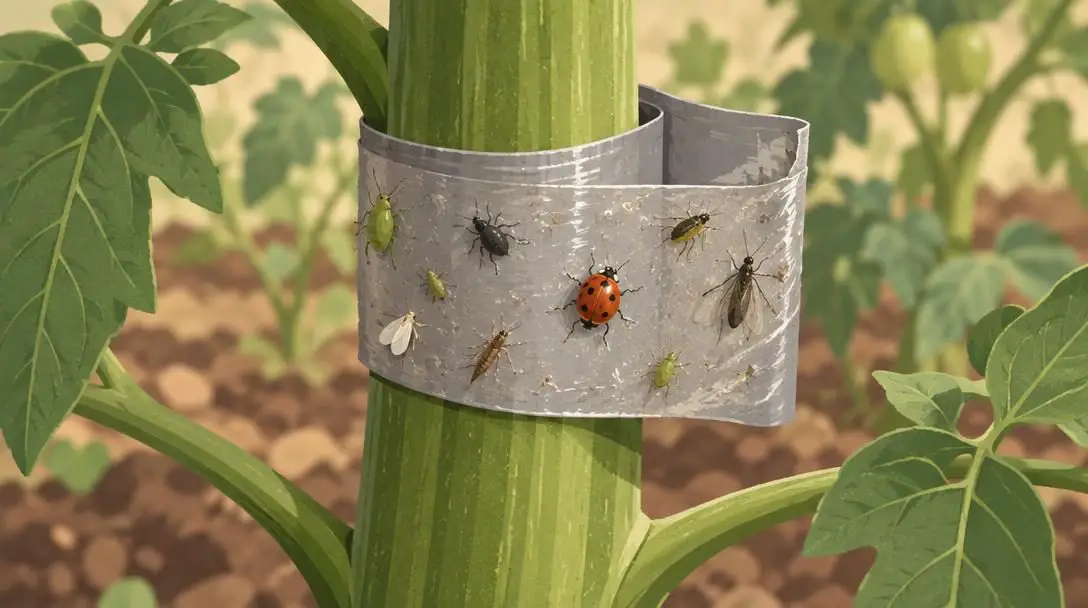
While duct tape is famous for quick household and mechanical fixes, it also operates as an exceptionally effective chemical-free insect barrier. Crawling pests routinely migrate from soil beds up into vegetable stalks and fruit trees, chewing through fresh foliage and ruining ripening produce. Wrapping duct tape around the lower base of vulnerable plant stems with the sticky side pointing outward presents climbing bugs with an impassable physical trap. Unable to navigate the heavy adhesive, the pests either stick fast to the surface or reverse course back toward the ground.
Beyond acting as a stationary perimeter defense, duct tape functions well as an active removal implement. If leaf-eating insects are already damaging your plants, wrapping a short section of tape around your fingers allows you to gently blot bugs right off the leaves. The adhesive lifts the insects away cleanly without tearing or damaging fragile plant tissue.
- Walk your garden perimeter to spot fruit trees and vegetable stalks experiencing heavy traffic from ground-based crawling insects.
- Measure a section of duct tape long enough to wrap completely around the lower base of the plant stem, adding a slight overlap for stability.
- Carefully secure the tape with the smooth backing resting gently against the stalk and the sticky side exposed to the open air.
- Check the wrap to confirm that the fit is secure enough that insects cannot find gaps to crawl underneath the band.
- To clear bugs already feeding on foliage, wrap a loop of tape around your fingers and gently tap the adhesive against the pests to lift them away.
- Mistake to avoid: Fastening the sticky side directly against delicate bark, which can tear the outer plant layer during removal.
- Mistake to avoid: Placing the wrap too high along upper branches, allowing pests to cause damage before reaching the band.
- Mistake to avoid: Leaving old tape in place after it becomes coated with dust, garden soil, or dried debris, which ruins the adhesive trap.
Pantry Flea Treatment
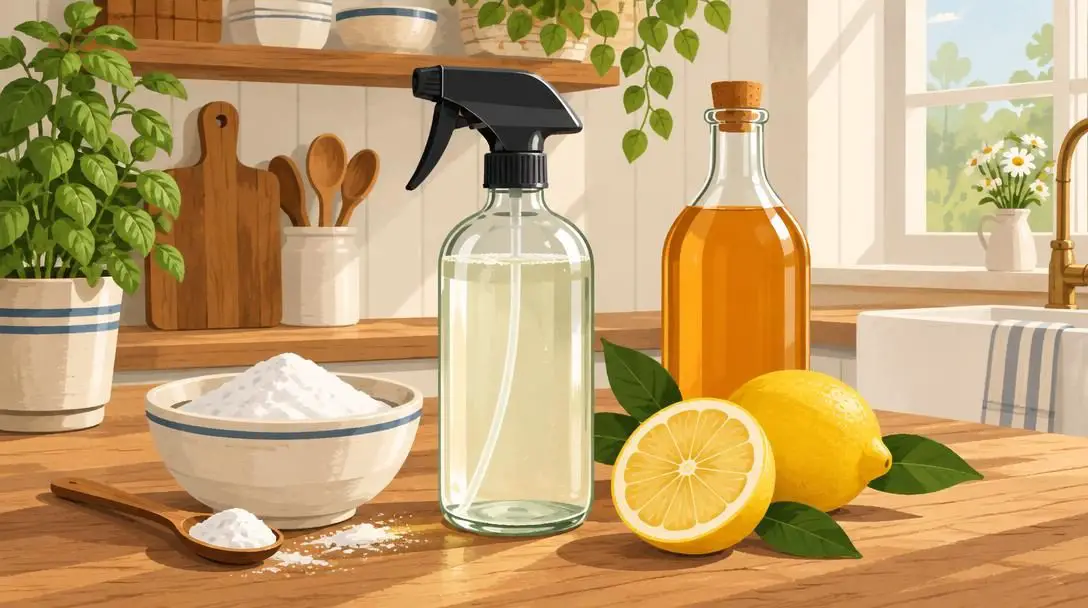
Keeping livestock guardians, working farm dogs, and barn cats comfortable is a major responsibility on any homestead, but routine store-bought parasite treatments can become expensive. Fortunately, you can prepare an effective topical flea wash right in your kitchen using standard pantry ingredients. The formula pairs two tablespoons of baking soda with apple cider vinegar, lemon juice, fresh water, and one teaspoon of Borax to create a pest-fighting wash that breaks the cycle of persistent scratching.
When carefully blended and applied as a liquid wash, the mixture settles into the pet's coat to address active flea infestations. Allowing the treatment to sit for a controlled duration helps relieve the animal's discomfort before you thoroughly bathe and rinse away the residue.
- Assemble your ingredients: two tablespoons of baking soda, apple cider vinegar, lemon juice, one teaspoon of Borax, and clean water.
- Combine the ingredients inside a spray container, shaking or stirring thoroughly until all dry elements dissolve evenly into the liquid.
- Mist the mixture over your animal's coat, being careful to avoid the sensitive regions around their eyes and ears.
- Supervise your pet continuously for a full 25 minutes to prevent them from licking or grooming the damp wash.
- Immediately wash and thoroughly rinse the pet's coat with clean water once the 25 minutes pass to clear away the mixture and dead pests.
- Mistake to avoid: Applying the liquid too near the face, which risks splashing acidic vinegar and lemon juice into eyes and ears.
- Mistake to avoid: Walking away during the 25-minute treatment period, giving the animal an opportunity to lick the wet solution.
- Mistake to avoid: Skipping the final clean water bath, leaving settled residue and detached pests trapped in the coat.
CD and DVD Garden Scarecrow

With digital streaming and wireless Bluetooth setups replacing optical discs in modern computers and vehicle stereos, many households have stacks of obsolete CDs and DVDs collecting dust. Rather than hauling them to a landfill, homesteaders can put these shiny discs to work as dynamic visual deterrents. Traditional garden scarecrows often lose their effectiveness after a few days because birds learn that the motionless figure poses no genuine threat. Dangling discs, by contrast, stay in near-constant motion.
When suspended from tree branches by light cords, old discs spin in the slightest breeze. Their mirrored undersides catch natural sunlight, throwing sharp, erratic flashes of light throughout the surrounding foliage. These unpredictable flashes, coupled with the shifting silhouettes of the discs, startle birds and squirrels by giving the illusion that a larger creature is actively moving within the tree canopy.
- Gather a collection of obsolete, blank, or scratched CDs and DVDs that are no longer usable for media playback.
- Cut individual strands of sturdy twine or outdoor string for each disc you plan to mount.
- Pass the string through the disc's center opening and tie a firm knot that leaves adequate slack for the disc to pivot freely.
- Locate the specific berry bushes and fruit trees on your property that are sustaining heavy damage from birds or squirrels.
- Tie the discs directly to outer branches where direct sunlight and passing breezes can reach them without obstruction.
- Mistake to avoid: Tying the cord too tightly to heavy limbs, preventing the disc from twisting and catching the light.
- Mistake to avoid: Hanging discs deep under dense, shaded leaf canopies where minimal sunlight reaches the reflective face.
- Mistake to avoid: Using weak knots that unravel during sudden wind gusts, dropping the discs to the ground.
Oily Sand Tool Bucket
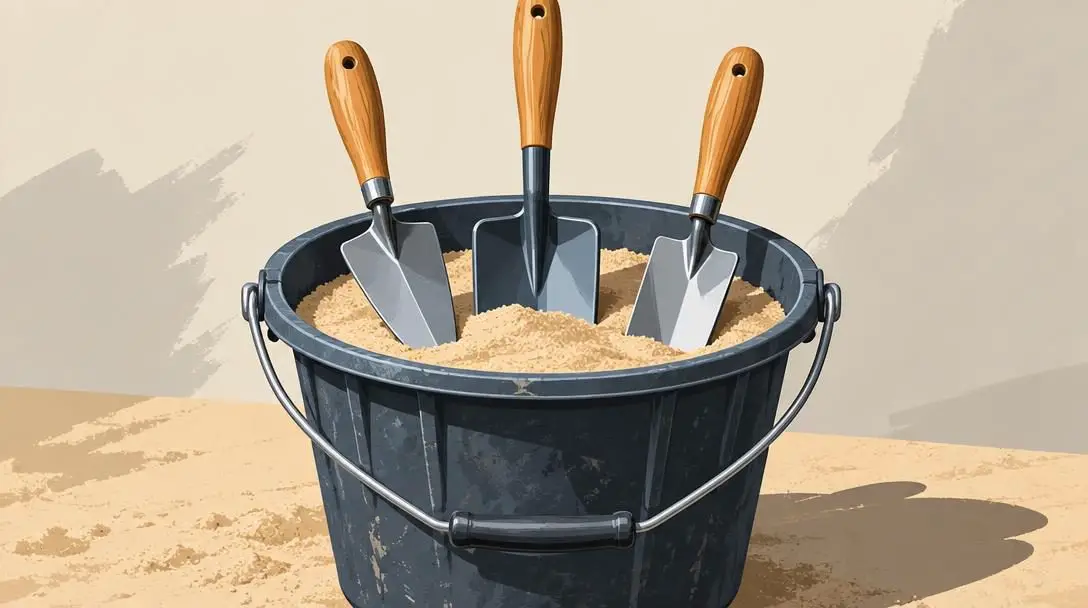
Sticking your prized steel shovels and cultivating tools into an abrasive gritty substance may seem like an easy way to cause damage. However, when clean, completely dry sand is saturated with mineral oil, it creates a self-cleaning, rust-inhibiting storage depot. Homesteading hand tools routinely pick up damp soil and plant sap that foster surface oxidation when left exposed to ambient air. Oily sand solves this problem with zero extra effort each time you finish a chore.
The coarse texture of the sand works mechanically to scour away residual soil and crusted grime as you push the tool downward. Simultaneously, the blended mineral oil coats the exposed steel in an airtight barrier that repels ambient moisture. Storing hoes, trowels, and spade blades submerged in an oily sand bucket with their handles upright also keeps your primary implements organized and ready to grab immediately.
- Choose a durable, heavy-duty bucket large enough to hold the weight of multiple garden implements without tipping over.
- Set the container in a protected, dry location such as an enclosed tool shed or a covered workspace away from rain.
- Pour dry, clean sand into the bucket, checking carefully to confirm there is no dampness present in the material.
- Add mineral oil across the surface of the sand and blend thoroughly until the oil coats the granules evenly.
- Push shovels, hoes, and small hand tools blade-first into the mixture, leaving the handles upright for straightforward retrieval.
- Mistake to avoid: Incorporating damp or wet sand into the container, which seals moisture against the tool surface.
- Mistake to avoid: Leaving the bucket outdoors under open skies where rain can pool inside the sand mixture.
- Mistake to avoid: Submerging wooden handles in the sand while leaving bare metal blades exposed to ambient humidity.
Plastic Bottle Seedling Cloches
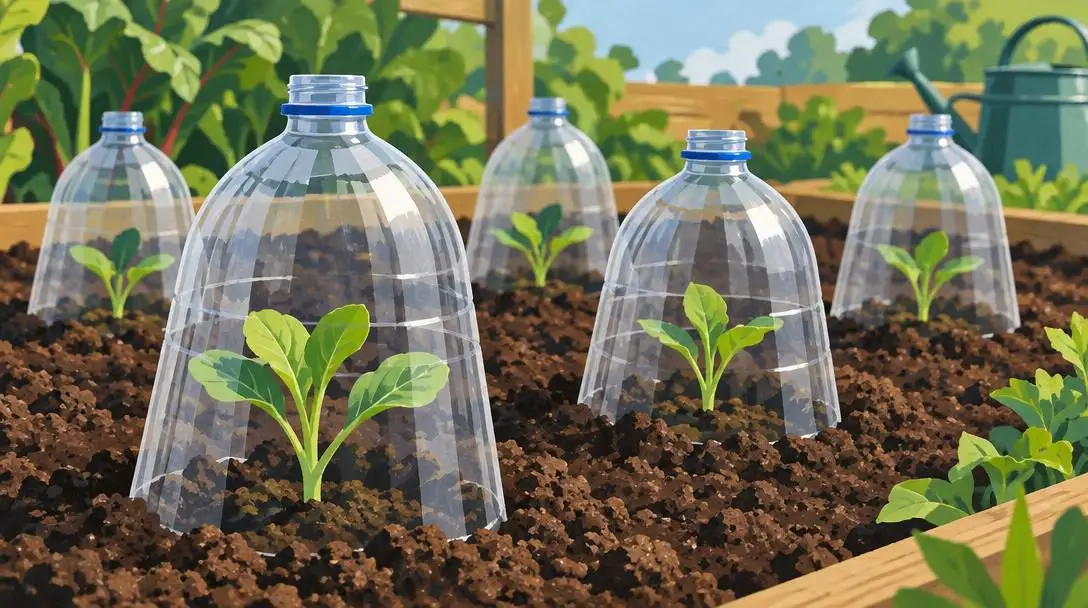
Unpredictable spring temperatures are among the most stressful aspects of growing food, especially when an unexpected late frost threatens tender seedlings. Instead of buying commercial cloches or heating covers, you can repurpose clear plastic beverage bottles to shelter your starter plants. Slicing off the top section creates an open-bottom dome that fits snugly over individual plants, forming an effective miniature greenhouse right in your garden bed.
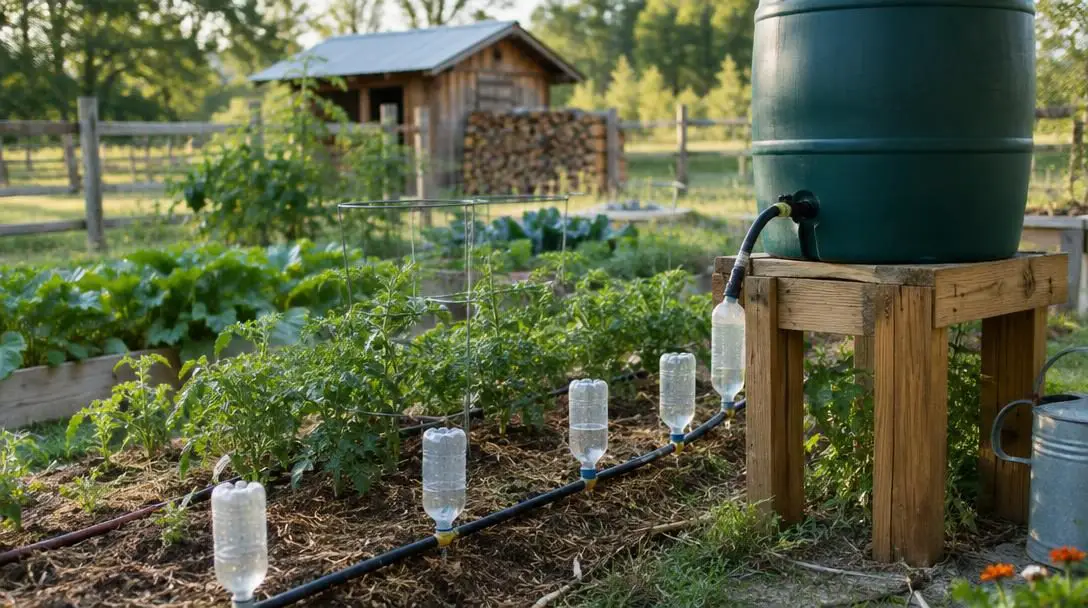
These transparent plastic domes trap solar heat during daylight hours, warming the soil around developing root systems and accelerating initial growth. More importantly, they create a physical shield against sudden cold snaps, driving rain, and chilling winds that can stunt or kill newly transplanted crops. While an array of plastic domes across your garden beds may look unconventional, it gives disposable containers a valuable second life while protecting your harvest.
- Collect empty, clean plastic soda and beverage bottles, keeping only transparent containers that let light pass through freely.
- Carefully cut off the upper portion of each bottle using heavy scissors or a utility blade, creating a wide dome with an open bottom.
- Carry your prepared covers to the garden where tender starter crops or recent transplants have been set into the ground.
- Lower a plastic cover over each individual plant, checking that the leaves have sufficient clearance inside the dome.
- Firm the lower rim of the plastic bottle firmly into the surrounding topsoil so passing wind cannot knock the cloche aside.
- Mistake to avoid: Using dark, opaque, or heavily tinted bottles that filter out the sunlight necessary for early plant photosynthesis.
- Mistake to avoid: Leaving rough, jagged plastic edges that can tear or scrape fragile seedling stems in breezy conditions.
- Mistake to avoid: Resting the dome loosely on top of the soil without anchoring its edges, which invites wind gusts to blow it away.
Planning your long-term homesteading efficiency
Embracing clever, low-tech hacks is a practical entry point into running a more self-reliant homestead, but lasting success requires integrating these quick fixes into a broader management routine. Once you have established these basic practices, take time to evaluate how everyday habits across your property can be improved through proactive planning.
Start by auditing the waste streams leaving your homestead. Items that are normally bound for disposal or recycling—such as plastic buckets, timber cutoffs, wire ties, and food containers—can frequently serve practical functions in animal housing, seedling propagation, or workshop organization. Keeping a tidy supply of reusable materials helps you respond swiftly to unexpected repair needs without making unplanned shopping trips.
Next, establish clear seasonal storage routines for all critical farm implements. Ensuring your equipment is sheltered from damp weather, seasonal humidity, and direct UV exposure will prolong the lifespan of both hand tools and mechanical supplies. Pair your physical protections with careful monitoring of local pest cycles. Watching for early indicators of pest migration allows you to erect barriers like duct tape bands or reflective disc deterrents well before infestations harm your harvest. Finally, maintain a simple log tracking the money saved through home-mixed washes and upcycled garden accessories, giving you a clear view of how day-to-day resourcefulness strengthens your overall farm budget.
Frequently asked questions
Does duct tape damage the bark of fruit trees when used for bug control?
No, provided you wrap the tape with the smooth backing resting against the bark and the sticky adhesive facing outward into the open air. This prevents the strong adhesive from sticking directly to the plant tissue while presenting crawling insects with an unavoidable barrier.
Why must the homemade flea spray sit for exactly 25 minutes before rinsing?
Allowing the baking soda, vinegar, lemon juice, and Borax mixture to rest on the coat for 25 minutes gives the topical solution adequate time to work against active fleas. Promptly washing and rinsing the pet immediately afterward clears away dead pests and prevents skin irritation from dried residue.
Why do hanging CDs and DVDs scare birds away when regular scarecrows fail?
Birds quickly realize that stationary scarecrows pose no real danger. Dangling discs, however, spin unpredictably in the wind and reflect sudden flashes of bright sunlight, creating the visual impression of movement and convincing birds and squirrels that a larger creature is nearby.
What kind of oil should be blended with sand for garden tool storage?
Mineral oil is the recommended choice to blend with thoroughly dry, abrasive sand. When mixed into the sand, the mineral oil lubricates the metal and seals it against ambient moisture, while the gritty sand scours away loose soil and debris every time an implement is inserted.
Can plastic bottle cloches protect plants from a hard freeze?
Repurposed bottle covers provide strong thermal protection against sudden late frosts and freezing winds by trapping ground warmth around delicate starter plants. However, they are primarily designed as short-term shields for seedlings rather than heavy-duty winter insulation against prolonged deep freezes.
The bottom line
Achieving true self-sufficiency on a homestead is rarely about investing in expensive, specialized equipment; it is about looking at ordinary items through a practical, inventive lens. By using duct tape barriers to stop garden pests, whipping up homemade flea washes from kitchen ingredients, deterring orchard birds with shiny discarded discs, preserving hand tools in oily sand, and shielding tender crops beneath upcycled plastic bottles, you can solve persistent farm headaches on a shoestring budget. These five inventive hacks show that with a bit of pioneer ingenuity, everyday castoffs can become your homestead's most reliable allies.