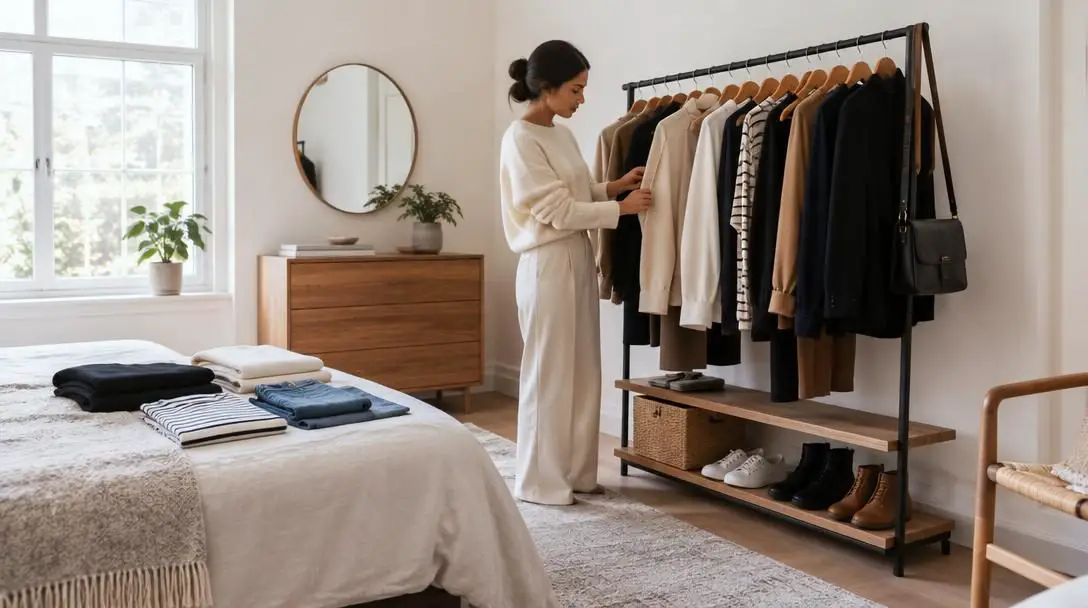
5 Reasons to Make Your Own Clothes
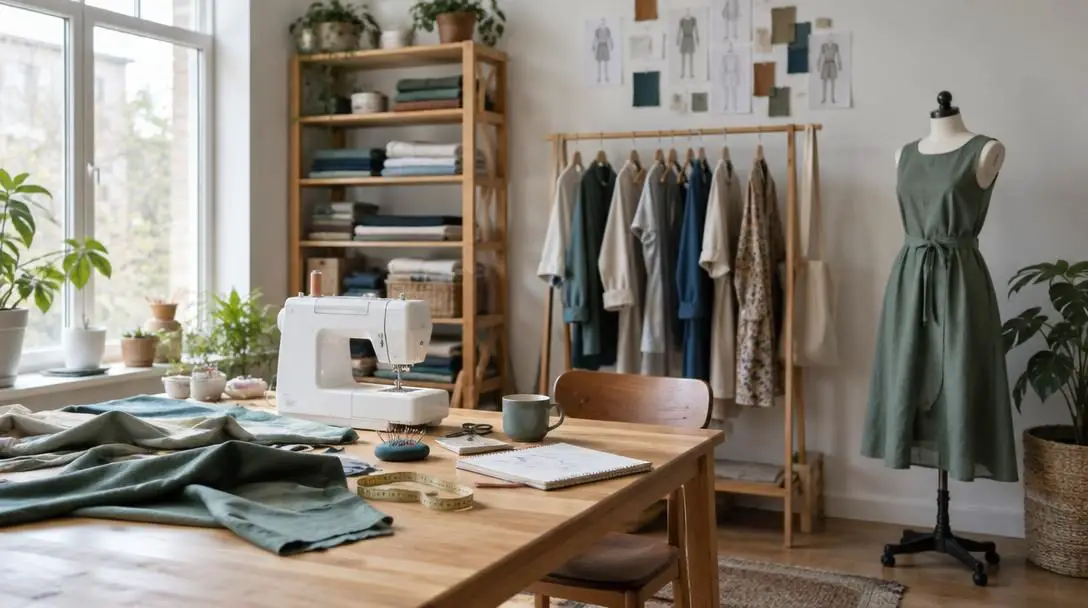
For generations, making clothing by hand was an essential household responsibility. Over the past several decades, ready-to-wear fashion fundamentally shifted that paradigm, filling retail stores with mass-produced options built around generic sizing charts. However, an increasing number of makers are returning to the sewing machine. The genuine satisfaction of turning raw yardage into a wearable garment has ignited widespread enthusiasm for home sewing, offering an empowering alternative to standard retail.
While the creative appeal of tailoring your own wardrobe is immediate, the practical benefits extend far deeper into everyday life. When you sew your own clothes, you regain full authority over garment construction, silhouette, and textile quality. Understanding how garments are drafted, assembled, and finished allows you to curate a functional wardrobe that lasts longer, feels better, and reflects your authentic lifestyle.
Key takeaways
- Constructing garments at home reduces recurring expenses by eliminating alteration fees and allowing you to choose machine-washable fabrics.
- Custom sewing bypasses rigid commercial sizing, creating apparel engineered to your exact body measurements and posture.
- Sewing your own clothes fosters personal design freedom free from fleeting retail trends and seasonal store stock.
- Sourcing yardage locally and utilizing vintage or deadstock textiles supports independent merchants while reducing commercial textile waste.
- Garment construction builds practical spatial awareness, fine motor precision, and durable technical problem-solving skills.
The Evolution of Ready-to-Wear vs. Handmade Clothing
Understanding the value of making your own apparel requires examining the history of garment production. Before modern industrial manufacturing, virtually every item of clothing was constructed by hand. Garments were either sewn at home or commissioned through local tailors and dressmakers. Because production was labor-intensive, clothing was regarded as a lasting capital asset. Garments were fitted specifically to the wearer, sewn with generous seam allowances, and routinely altered, mended, or recut as the owner’s body or needs shifted over time.
The industrial era reorganized this relationship by prioritizing mass automation and introducing standardized sizing tables. While this transition made clothing far more accessible and inexpensive in the short term, it introduced systemic compromises. Standardized sizing is based on theoretical averages, meaning that ready-to-wear items rarely fit an individual body without tension, gaping, or dragging lines. Furthermore, fast-paced retail cycles often incentivize synthetic textiles, delicate dry-clean requirements, and disposable construction techniques that drive massive textile waste.
Crafting your own garments returns ownership of style, construction, and fit back into your hands, prioritizing longevity and comfort over mass convenience.
Today, home sewing functions as an effective counterbalance to the limitations of factory-made fashion. By assembling garments from scratch, you determine the strength of the interior seams, the durability of the closures, and the composition of the fabric next to your skin. This return to hands-on craftsmanship transforms clothing from a disposable purchase into a mindful, customized asset.
Five Compelling Reasons to Make Your Own Clothes
Choosing to sew your wardrobe offers distinct advantages that touch your finances, physical comfort, personal expression, and local community. Below are the five primary reasons to set up a sewing space and begin constructing your own apparel.
1. You’ll save money in the long run
While purchasing tools and textiles requires an upfront investment, long-term financial savings quickly emerge once you produce staple pieces. Ready-to-wear clothing often carries hidden downstream costs, including tailoring fees to fix poorly fitting hems, waistbands, or sleeves. Professional alterations add substantial expense to the initial retail ticket price.
Furthermore, commercial clothing frequently utilizes delicate blends that demand routine dry cleaning. When sewing your own wardrobe, you select durable, pre-shrunk, washable textiles such as linen, cotton, and washable wools that fit your daily laundry routine. Eliminating routine dry cleaning bills and outside alteration services keeps significant money in your household budget over the lifespan of your wardrobe.
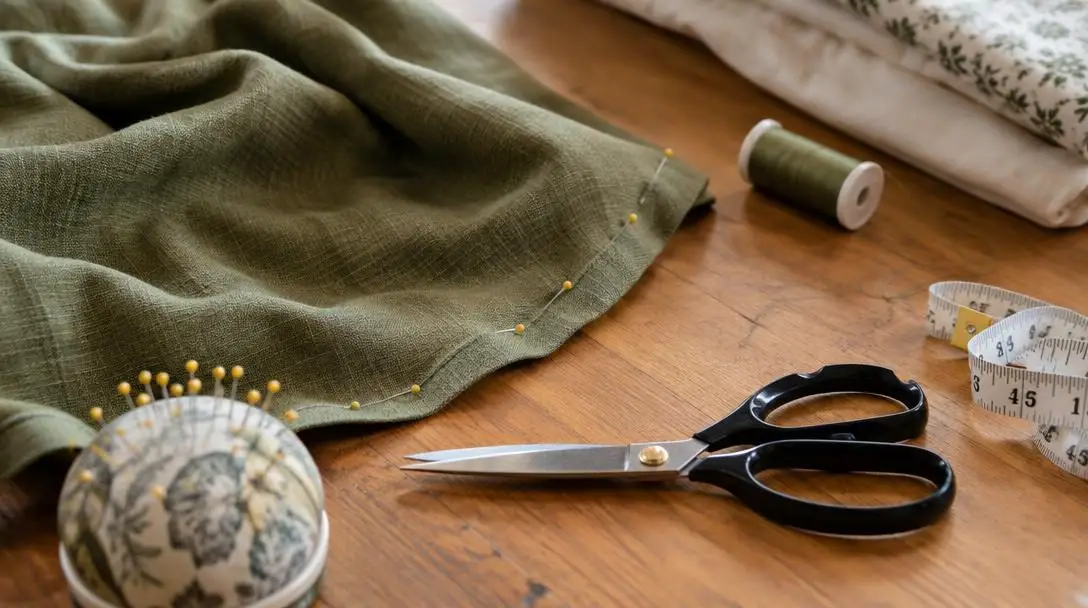
2. You’ll have better-fitting clothes
Off-the-rack garments are notoriously difficult to fit across diverse body types. Retail brands design patterns around idealized standard proportions, assuming uniform ratios between the bust, waist, hips, and back length. If you have broad shoulders, a petite torso, long limbs, or a fuller bust, commercial garments inevitably bunch, pull, or gap.
Home sewing allows you to achieve a customized individual fit before sewing a single permanent stitch. You can blend pattern sizes across different body points, lengthen or shorten hemlines, and adjust balance lines to fit your specific posture. The result is clothing that moves naturally with your body throughout the day, providing an elevated level of comfort that ready-to-wear fashion rarely provides.
3. You’ll be able to express your unique style
Shopping at commercial department stores and fast-fashion boutiques restricts your stylistic choices to the colors, cuts, and aesthetics dictated by current seasonal forecasts. When fashion houses promote a single silhouette or color palette, shoppers are forced to buy what is stocked on store racks, regardless of whether it complements their personal preferences.
When you construct your clothes, you gain complete creative liberty over your wardrobe. You can recreate high-end designer pieces, draft vintage-inspired silhouettes, or assemble functional minimalist workwear. You choose every design detail, from the width of a cuff and the depth of a pocket to the texture and drape of the fabric. Because your pieces are designed and made by you, no one else will be wearing the exact same outfit.
4. You’ll be supporting local businesses and artisans
The supply chain behind retail fast fashion is often opaque, disconnected from local economies, and reliant on overseas mass production. In contrast, home sewists often buy their materials directly from independent neighborhood merchants, regional haberdashers, and local fabric stores.
Purchasing fabric, thread, buttons, zippers, and patterns locally invests your resources directly into your immediate community. Furthermore, garment makers often source vintage fabrics and remnants, giving forgotten bolts of cloth and thrifted materials new purpose. This practice directly keeps salvageable textiles out of municipal landfills while providing high-grade natural fibers that are difficult to find in contemporary ready-to-wear garments.
5. You’ll be developing a valuable skill
In an increasingly automated, screen-centered world, working with physical materials offers profound cognitive and developmental benefits. Operating a sewing machine, interpreting technical blueprints, and translating two-dimensional pattern pieces into three-dimensional forms develops fine motor coordination, mechanical awareness, and creative spatial reasoning.
Unlike disposable digital trends, learning garment construction equips you with a resilient, lifelong trade. You can alter existing garments, repair damaged household textiles, or draft custom clothing for family members. Many dedicated sewists even turn their craftsmanship into bespoke tailoring enterprises or independent design businesses, transforming a personal hobby into a viable commercial craft.
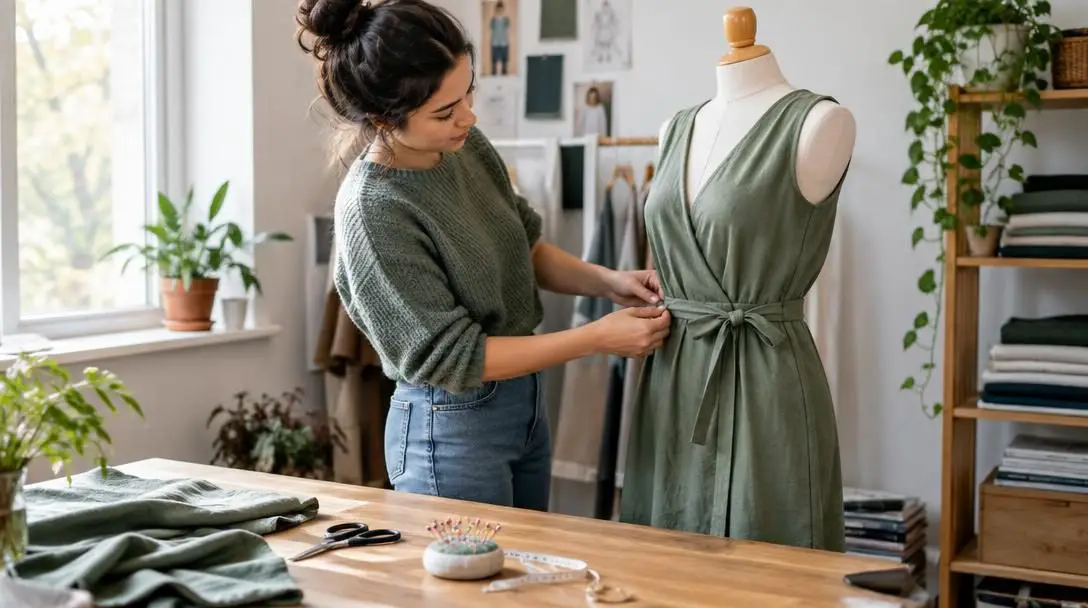
Comparing Ready-to-Wear Fashion and Home-Sewn Garments
The approach you take to your wardrobe directly affects fit, cost transparency, and clothing lifespan. The table below outlines how handmade garments compare to store-bought options across essential criteria.
| Factor | Ready-to-Wear Fashion | Handmade Garments |
|---|---|---|
| Sizing System | Standardized averages; rigid proportions | Customized to exact individual measurements |
| Textile Selection | Predetermined synthetic blends; delicate finishes | Hand-selected natural fibers and washable textiles |
| Design Flexibility | Restricted to seasonal trends and retail stock | Unlimited customization of cut, color, and notions |
| Alteration Costs | High; requires professional tailor adjustments | Zero; sizing adjustments made prior to cutting |
| Environmental Impact | High waste volume; rapid turnover cycles | Supports local shops; utilizes deadstock and vintage cloth |
How Garment Making Works: The Technical Stages
Garment sewing follows an orderly, structured methodology. Every successful project moves through specific production stages designed to turn raw cloth into a durable, structured piece of clothing.
- Taking Measurements: Accurate body measurements provide the critical foundation for the entire project. Sewists measure the high bust, full bust, waist, high hip, full hip, sleeve length, and inseam, recording exact dimensions to guide pattern selection.
- Pattern Selection and Modification: Sewing patterns serve as structural technical blueprints. Before cutting into fabric, sewists grade between lines to blend sizes, alter lengths, or perform common adjustments like broad-shoulder or full-bust alterations.
- Material Selection: The selected textile must match the structural requirements of the pattern. Woven patterns demand stable fabrics like linen, denim, or cotton lawn, whereas knit patterns require materials with specific stretch percentages and recovery. Essential notions, including thread, interfacing, zippers, and buttons, are paired to the textile weight.
- Layout and Cutting: Fabric is ironed, aligned precisely on the grainline, and secured under pattern weights or pins. Sharp shears or rotary cutters are used to cut each piece with clean, precise edges.
- Assembly and Seaming: The cut pieces are pinned and stitched along seam allowances using a sewing machine. Raw edges are finished with a serger, zigzag stitch, or French seam to prevent fraying during laundering.
- Pressing and Finishing: Pressing each seam with an iron as it is sewn shapes the textile fibers and permanently sets the stitches. Hemming, setting closures, and final hand-finishing complete the garment.
Practical Steps to Start Making Your Own Clothes
Beginning a home garment journey requires neither an elaborate commercial studio nor complex industrial equipment. Following a deliberate step-by-step framework prevents overwhelm and develops solid fundamentals from your first stitch.
- Assemble essential equipment: Acquire a dependable home sewing machine that produces consistent straight and zigzag stitches. Assemble fundamental tools, including fabric shears, thread snips, a flexible measuring tape, quality sewing pins, a seam ripper, hand-sewing needles, and a steam iron.
- Learn machine mechanics: Practice threading the upper thread guide, winding the bobbin, inserting needles, and adjusting thread tension. Stitch practice seams on woven cotton scraps to develop control over the foot pedal and steady fabric feeding.
- Select an approachable first project: Begin with simple silhouettes featuring loose closures and few seams. Elastic-waist trousers, simple linen shift tops, or unlined A-line skirts provide excellent practice in seams, hems, and casings without the complexity of tailored collars or invisible zippers.
- Take accurate body measurements: Measure your body wearing your typical everyday undergarments, keeping the measuring tape parallel to the floor without pulling it taut. Compare these numbers against the pattern’s finished garment dimension chart rather than choosing your typical off-the-rack retail size.
- Construct a test muslin: For garments that require precise fitting around the bust, waist, or hips, sew a quick mock-up—known as a toile or muslin—using inexpensive scrap fabric. Verify the fit, mark adjustments directly on the cloth, and transfer those edits to your paper pattern before cutting good fabric.
- Cut along the straight of grain: Align the pattern grainlines parallel to the fabric's woven selvage edge. Accurate grainline alignment guarantees that the finished garment will hang symmetrically without twisting around your torso or legs.
- Press every seam immediately: Keep an iron and pressing board beside your sewing station. Iron every seam open or to one side immediately after stitching before sewing intersecting seams, creating a crisp, professional finish.
Common Beginner Mistakes to Avoid
Every home tailor encounters challenges when first navigating fabric assembly. Recognizing standard pitfalls will prevent ruined fabric yardage, unnecessary frustration, and poorly fitting final garments.
- Ignoring the fabric grainline: Cutting pattern pieces askew from the textile’s natural grain causes garments to torque, drag, and twist uncomfortably around the body after washing.
- Skipping fabric pre-washing: Natural fibers shrink during laundering. Cutting pattern pieces from unwashed fabric results in a garment that fits initially but becomes permanently unwearable after its first wash.
- Using the wrong needle type: Universal needles do not work universally. Delicate fabrics snag under heavy needles, while stretch knit textiles require ballpoint or jersey needles to prevent skipped stitches and torn fibers.
- Neglecting raw seam finishes: Leaving raw interior seam edges exposed allows them to fray during washing and wearing, rapidly compromising the structural integrity of your seams.
- Rushing past written instructions: Skimming over pattern guides often leads to reversed pattern pieces, mismatched notches, inverted collars, or backward sleeves. Read each step thoroughly before cutting or sewing.
What to Consider as Your Skills Grow
Once you develop baseline competence with simple skirts, pants, and tops, you can expand your sewing repertoire into advanced construction techniques. You might tackle structured outerwear, tailored wool coats, welt pockets, hand-sewn buttonholes, or slippery fabrics like silk charmeuse and chiffon. Each project introduces specialized techniques that refine your dexterity and technical fluency.
Over time, your relationship with clothing will evolve. Instead of buying seasonal fast-fashion items on impulse, you will assess garments based on seam finishes, fabric drape, fiber composition, and long-term durability. Whether you choose to produce a full seasonal capsule wardrobe, mend and alter existing garments, or launch a bespoke garment business, sewing grants you lasting independence from the retail clothing cycle.
Frequently asked questions
Is making your own clothes actually cheaper than buying ready-to-wear?
In the short term, buying budget fast fashion can be cheaper than purchasing yardage and tools. However, home sewing becomes substantially cheaper over time because you create durable, high-quality garments fitted precisely to your frame, eliminating recurrent tailor fees, cheap clothing replacements, and dry cleaning expenses.
Do I need an expensive or industrial sewing machine to start?
No, you do not need an industrial machine. A basic, dependable domestic sewing machine capable of sewing a straight stitch, a zigzag stitch, and a standard buttonhole is completely sufficient to make nearly any garment, from tailored trousers to lightweight tops.
Why do sewing pattern sizes not match standard store sizes?
Commercial ready-to-wear sizing has drifted over decades due to vanity sizing, whereas sewing patterns still use standardized historical anthropometric charts. Always select your pattern size based entirely on your physical measurements rather than the number on your commercial clothing labels.
What is a sewing muslin, and why is it recommended?
A muslin, or toile, is a preliminary practice garment sewn from inexpensive, plain cotton fabric before cutting your final yardage. It allows you to test the pattern's proportions, check for fit balance, and alter seams safely without risking your expensive fashion fabric.
What are the easiest fabrics for beginners to sew?
Medium-weight woven natural fibers such as cotton poplin, quilting cotton, linen, and cotton chambray are ideal for beginners. They press well with an iron, do not shift or stretch excessively under the machine presser foot, and do not slip during the cutting process.
The bottom line
Making your own clothes is far more than a practical hobby; it is a transformative return to personal autonomy, intentional design, and mindful living. Bypassing mass-produced retail apparel gives you complete control over your wardrobe's fit, durability, and stylistic voice. By understanding the mechanics of cutting, assembling, and pressing cloth, you develop a lasting, practical skill that saves money, minimizes environmental waste, and produces garments you can wear with lasting pride.