
5 Winter Beauty Tips: How to Keep Your Skin Hydrated and Glowing

Winter beauty care requires deliberate adjustments, particularly when it comes to maintaining dermatological wellness. As seasonal weather patterns shift, environmental conditions present unique challenges for your complexion. Cold outdoor temperatures combined with arid indoor heating systems draw moisture directly out of the surface layers of the skin, leaving it dry, tight, and dull. Routines and formulations that kept your skin radiant during humid summer months often prove inadequate once temperatures drop and sharp winds pick up.
The secret to keeping your skin comfortable and luminous in cold weather lies in understanding how environmental shifts disrupt the skin barrier. When dry air and wind strip away your skin's protective lipid layer, dead surface cells accumulate and natural hydration evaporates rapidly. By implementing a targeted, multi-faceted winter regimen that replenishes lost moisture, blocks ultraviolet radiation, and supports internal hydration, you can preserve a smooth, glowing complexion throughout the season.
Key takeaways
- Freezing outdoor air and artificial indoor heating combine to accelerate surface moisture loss.
- Applying a tailored moisturizer to damp skin immediately after bathing locks in vital hydration.
- Running a clean humidifier filled with distilled or demineralized water counteracts dry indoor air.
- Broad-spectrum sunscreen of SPF 30 or higher remains essential despite cloud cover and cold weather.
- Supporting your barrier requires gentle exfoliation, ample water intake, and nutrient-dense, water-rich produce.
How winter conditions affect skin biology
The outermost layer of human skin acts as a protective shield, engineered to retain vital water while deflecting environmental irritants. Under temperate, balanced conditions, cellular structures and natural sebum work harmoniously to maintain a smooth surface that reflects light evenly, creating a natural glow. However, winter disrupts these natural processes in several distinct ways:
- Accelerated evaporation: Cold air holds significantly less water vapor than warm air, creating a moisture gradient that pulls water out of the skin through transepidermal evaporation.
- Weakened surface barriers: Exposure to sub-zero temperatures and biting winds damages the fragile lipid matrix, resulting in flaking, redness, and discomfort.
- Thermal stripping from hot water: Long, steaming baths and showers taken to fend off the chill dissolve natural lipids, severely impairing the skin's barrier function.
- Cellular accumulation: Slowed natural desquamation causes dead skin cells to linger on the surface, producing a rough, ashen texture and hindering the absorption of topical treatments.
- Unfiltered ultraviolet penetration: Clouds do not filter out the ultraviolet wavelengths responsible for premature aging and cellular damage.
Five core beauty strategies for winter skin
Navigating seasonal changes successfully requires addressing moisture deficits from multiple angles. Below is an overview of the five primary practices essential for winter skin health.
| Strategy | Primary Focus | Key Application Method | Target Outcome |
|---|---|---|---|
| Regular Moisturization | Barrier replenishment | Apply to damp skin after lukewarm washing | Locks in surface water and prevents flaking |
| Humidifier Use | Environmental humidity | Run in bedrooms using distilled water | Prevents indoor heating from drying out skin |
| Sun Defense | UV protection | Broad-spectrum SPF 30 applied 15 minutes before exposure | Guards against photoaging and cellular stress |
| Internal Hydration | Cellular water volume | Drink eight glasses of fluids and eat water-rich produce | Supplies essential water to deeper dermal layers |
| Gentle Exfoliation | Cellular turnover | Mild chemical exfoliants or soft brushes on moist skin | Clears dead cells to improve product absorption |
A targeted winter regimen protects the delicate moisture barrier against the drying combination of freezing winds and arid indoor heat.
Moisturize regularly
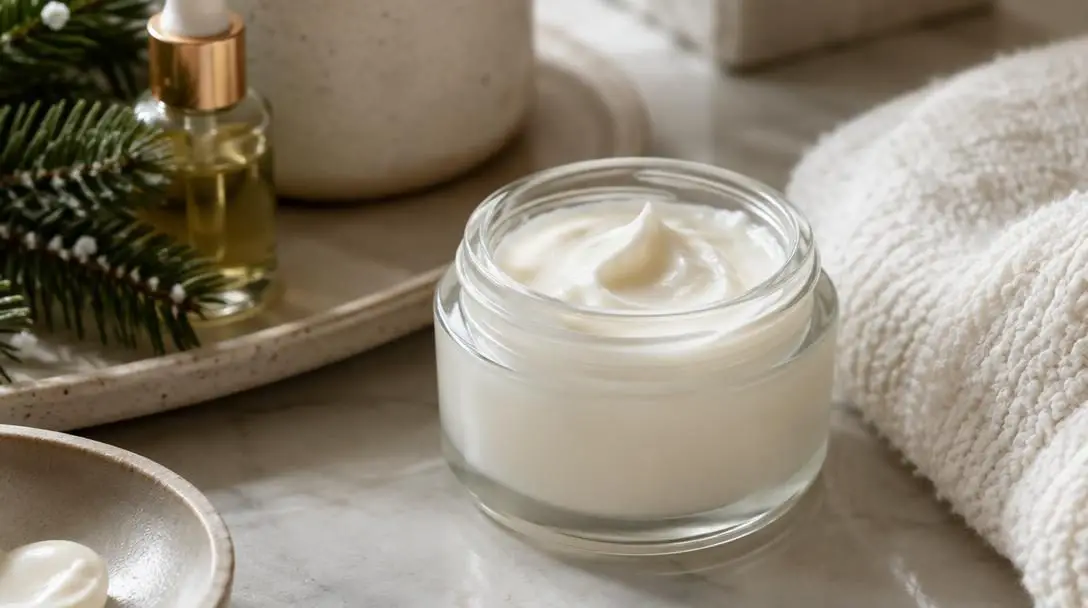
Regular moisturization is the foundation of winter dermatological care. As freezing air diminishes natural sebum production, a quality moisturizer serves as a protective synthetic shield to trap hydration within the epidermis. Selecting a formulation matched to your skin type is essential for optimal results:
- Dry skin: Requires rich, thick, creamy formulas that deliver concentrated lipids and emollients to repair a compromised barrier.
- Oily skin: Benefits most from lightweight, non-comedogenic moisturizers that infuse water without blocking pores or creating excess surface shine.
Timing your application is critical. Moisturizing products should be applied immediately after bathing while your skin is still slightly damp. This technique captures surface water before dry air can evaporate it. Additionally, always bathe in lukewarm water rather than steaming hot water, and pat yourself dry gently with a soft towel to preserve natural moisture.
Invest in a humidifier
While outdoor weather is naturally dry, indoor climate control makes the problem worse. Forced-air heating units substantially reduce indoor humidity levels, causing continuous moisture loss from your complexion while you sleep or work. Installing a humidifier adds clean water vapor back into your immediate living environment.
When selecting a unit, evaluate the overall dimensions of your room to ensure sufficient vapor output, select a format that aligns with your household preferences, and prioritize designs that are straightforward to refill and operate. Set up the unit in the bedroom or home office where you spend the largest portions of your day.
Protect your skin from the sun
A frequent seasonal mistake is assuming that sun safety is unnecessary on cold or overcast days. Solar ultraviolet radiation easily penetrates cloud cover, fog, and glass. Unprotected exposure during winter months leads to accelerated collagen breakdown, fine lines, structural barrier damage, and hyperpigmentation.
Apply a broad-spectrum, water-resistant sunscreen carrying an SPF rating of 30 or higher every morning. Broad-spectrum protection ensures defense against both UVA rays, which accelerate aging, and UVB rays, which cause sunburn. For best performance, apply sunscreen 15 minutes prior to stepping outside so a stable film forms across your face, neck, ears, and hands. Reapply every two hours if you are active outdoors or sweating.
Stay hydrated
Cold temperatures naturally suppress the body's thirst mechanism, making it remarkably easy to become chronically dehydrated without realizing it. Topical products cannot fully compensate for dehydrated internal tissues. Maintaining sufficient fluid intake ensures that skin cells remain plump and functional from within.
Aim to consume at least eight glasses of water throughout each day. If drinking cold water is unappealing during freezing weather, substitute warm water with fresh lemon, soothing herbal teas, or warm vegetable broths. Complement your fluid intake by consuming foods with high water percentages, such as:
- Cucumbers and lettuce
- Oranges and grapefruits
- Strawberries and watermelon
- Clear, vegetable-rich soups
Exfoliate regularly
Low seasonal temperatures slow down cellular shedding, causing dead skin cells to bind together on the surface of your face and body. This buildup produces an uneven texture, blocks light reflection, and acts as a physical barrier that stops hydrating serums and creams from absorbing properly.
Periodic exfoliation clears away this dead surface layer, allowing moisturizers to penetrate deeper into the skin. Choose gentle chemical exfoliators or tools with soft bristles rather than aggressive, coarse scrubs that can cause micro-tears in sensitized winter skin. Always apply exfoliants to moist skin, massage in soft circular motions, rinse thoroughly with lukewarm water, and immediately follow with a nourishing moisturizer to protect the freshly revealed cells.

A structured daily winter skincare routine
Incorporating these core recommendations into an organized daily schedule makes winter skin protection simple and predictable. Follow these sequential steps from morning to evening:
- Hydrate and cleanse: Start your morning by drinking a glass of warm water or lemon water to jump-start internal hydration. Wash your face using lukewarm water and a non-stripping cleanser.
- Moisturize on damp skin: Immediately apply your moisturizer while your face is still damp, selecting a rich cream for dry skin or a lightweight lotion for oily skin.
- Apply broad-spectrum sun defense: Smooth a generous layer of SPF 30 or higher over all exposed areas—including the neck, ears, and back of the hands—at least 15 minutes before leaving the house.
- Maintain fluid intake throughout the day: Keep a thermos of herbal tea or warm water nearby, and incorporate water-dense produce like citrus, cucumber, or warm soups into your meals.
- Exfoliate on scheduled evenings: Once or twice a week, massage a gentle chemical exfoliant or soft-bristled brush across damp skin using circular motions, rinsing with lukewarm water.
- Bathe and seal in moisture: Take a lukewarm shower or bath, pat dry gently with a towel, and apply your body and facial creams immediately to lock in water.
- Activate overnight humidification: Turn on your bedroom humidifier, ensuring it is filled with distilled or demineralized water, to maintain ambient moisture while you sleep.
Common winter skincare pitfalls to avoid
Even a well-intentioned routine can be derailed by everyday habits that unintentionally strip your barrier. Stay alert to these widespread skincare errors:
- Indulging in scalding hot showers: While comforting in cold weather, hot water rapidly strips away protective lipids, worsening dryness and itching.
- Abandoning sunscreen on cloudy mornings: Ultraviolet rays cut through clouds and mist; skipping sun protection invites cumulative photoaging year-round.
- Applying moisturizer to completely dry skin: Lotions and creams seal moisture best when applied over a damp surface; waiting until skin is dry significantly reduces their hydrating potential.
- Using improper product consistencies: Using a light, watery fluid on severely parched skin leaves it under-protected, while heavy ointments on oily skin may clog pores.
- Failing to clean your humidifier: Neglecting regular tank cleanings creates an environment where mold and bacteria multiply, which are then dispersed into your indoor air.
- Scrubbing skin aggressively: Using coarse physical scrubs on wind-chapped skin degrades the moisture barrier, creating redness and flaking.
- Relying solely on topical products: Neglecting internal fluid intake starves skin cells of basic water volume, which topical treatments cannot fully replace.
Monitoring your skin throughout the season
Winter conditions evolve continuously between late autumn and early spring, with shifts in outdoor wind chill, home heating demands, and personal activity levels. Assessing how your complexion behaves from week to week allows you to make precise, comfortable adjustments to your regimen.
Evaluate your daily environment carefully. If you spend eight hours a day in a heated office that feels especially arid, consider adding a compact desktop humidifier to your workspace alongside your bedroom unit. Pay close attention to how your face feels by midday: tightness or flaking indicates that you need a richer, more occlusive cream, while excess shine or congestion signals a need for lighter textures.
Similarly, gauge your skin's sensitivity when exfoliating. If your face feels tender or shows irritation, reduce your exfoliation frequency to give the barrier time to recover. If plain water feels unappealing on freezing days, keep your pantry stocked with diverse herbal teas, citrus fruits like oranges and grapefruits, cucumbers, and warm broths to keep your internal water reserves consistently high.
Frequently asked questions
Why does skin become dull and dry more quickly in the winter?
Cold outdoor air holds less water vapor, while indoor heaters further reduce indoor humidity. This environmental combination pulls moisture directly out of the skin via evaporation, while slowing the natural shedding of dead cells, resulting in a rough, ashen surface.
How soon after bathing should I apply my winter moisturizer?
You should apply moisturizer within moments of bathing while your skin remains slightly damp from lukewarm water. This traps residual surface water against your skin before dry ambient air causes it to evaporate.
Do I really need to wear sunscreen when it is overcast and freezing?
Yes. Clouds do not block the ultraviolet rays responsible for premature aging and cellular damage. A broad-spectrum sunscreen with an SPF of 30 or higher should be worn daily on all exposed skin, 15 minutes before heading outdoors.
What kind of water should be used in a home humidifier?
Always fill your humidifier with distilled or demineralized water. Regular tap water contains minerals that can cause white dust deposits, foster bacterial growth, and clog the appliance's internal components.
Which foods help support skin hydration during cold months?
Water-rich fruits and vegetables such as oranges, grapefruits, strawberries, watermelon, cucumbers, and lettuce provide steady cellular hydration, alongside warm options like vegetable soups and broths.
The bottom line
Winter weather presents serious challenges for skin health, but persistent dryness and dullness are not inevitable. By pairing the right moisturizer for your skin type with damp application, reintroducing humidity into your living spaces, protecting your barrier with daily broad-spectrum SPF 30, drinking ample fluids, and gently clearing dead surface cells, you create a complete defense system against harsh seasonal conditions. Maintaining these core habits allows you to support your skin barrier and enjoy a radiant, healthy complexion until spring arrives.