Finding Your Fashion Style: 5 Tips on How to Develop and Embrace Your Unique Style

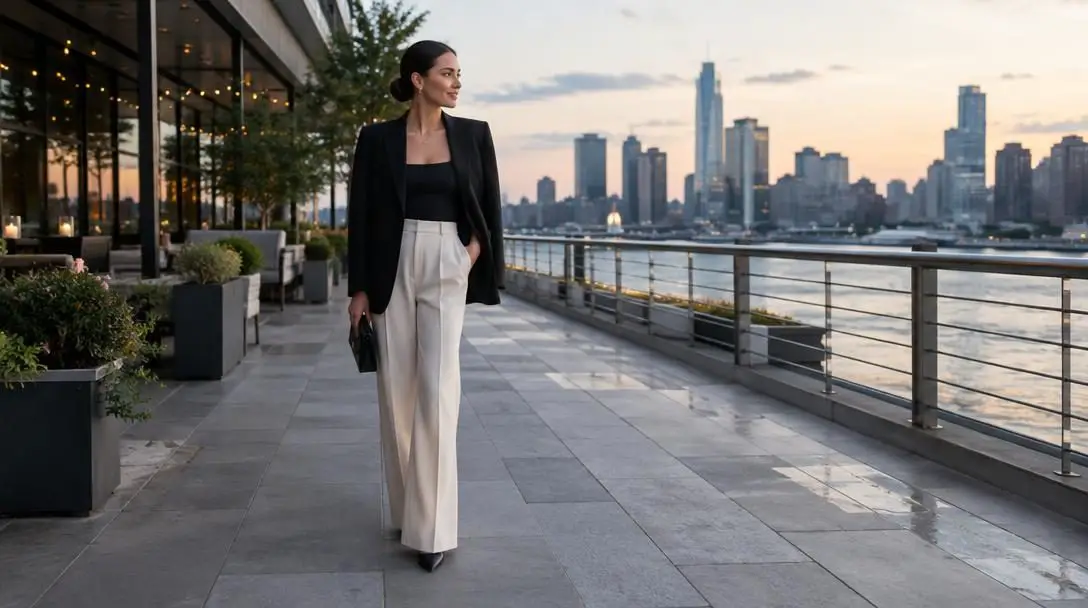
Fashion is fundamentally an avenue of personal expression, offering a visual window into who you are, what you love, and how you navigate the world. Clothing extends far beyond basic utility; it speaks volumes about your personality, your day-to-day lifestyle, and your emotional state. Because garments hold such communicative power, uncovering your personal fashion style is an essential pursuit for anyone seeking to present an authentic visual identity. It operates as an immediate form of non-verbal communication, introducing your perspective before you even speak a single word.
Despite its importance, dressing authentically can often feel intimidating. Many individuals wrestle with hesitation when confronted by an overwhelming variety of retail racks, seasonal shifts, and conflicting trends. Wondering whether an outfit represents your genuine taste or merely copies someone else can create persistent friction each morning. Developing a personal wardrobe does not demand an effortless, innate talent. With intentional attention, structured experimentation, and an appreciation for your daily needs, anyone can cultivate an approach to clothing that feels natural, timeless, and completely their own.
Key takeaways
- Personal style is built on self-reflection, experimentation, and alignment with daily routines rather than chasing transient fads.
- Organizing visual references through a dedicated mood board clarifies recurring themes, silhouettes, and color palettes.
- Selecting cuts tailored to your specific frame ensures everyday garments offer both visual balance and physical comfort.
- Accessories serve as accessible, low-pressure tools to elevate basic clothing pairings and display individuality.
- Genuine confidence amplifies any look, making authentic self-assurance the cornerstone of successful dressing.
The Five Core Principles of Personal Style
Cultivating an enduring personal aesthetic is a gradual process built on curiosity, trial, and an honest understanding of your daily routine. Rather than binding yourself to rigid rules or arbitrary formulas, you can establish an authentic visual identity by leaning into five core principles.
| Style Principle | Primary Objective | Everyday Application |
|---|---|---|
| Take Note of What You Like | Identify recurring visual preferences | Collect imagery from art, cinema, and street style onto a central mood board |
| Experiment With Different Styles | Discover functional and pleasing pairings | Mix contrasting patterns and cuts while prioritizing daily movement |
| Consider Your Body Type | Highlight natural proportions comfortably | Select tailored cuts such as A-line designs or waist-defining garments |
| Accessorize | Inject personality into everyday basics | Incorporate layered jewelry, hats, or scarves to finish an ensemble |
| Have Confidence | Project genuine self-assurance | Wear comfortable pieces that reflect your character rather than external trends |
Take Note of What You Like
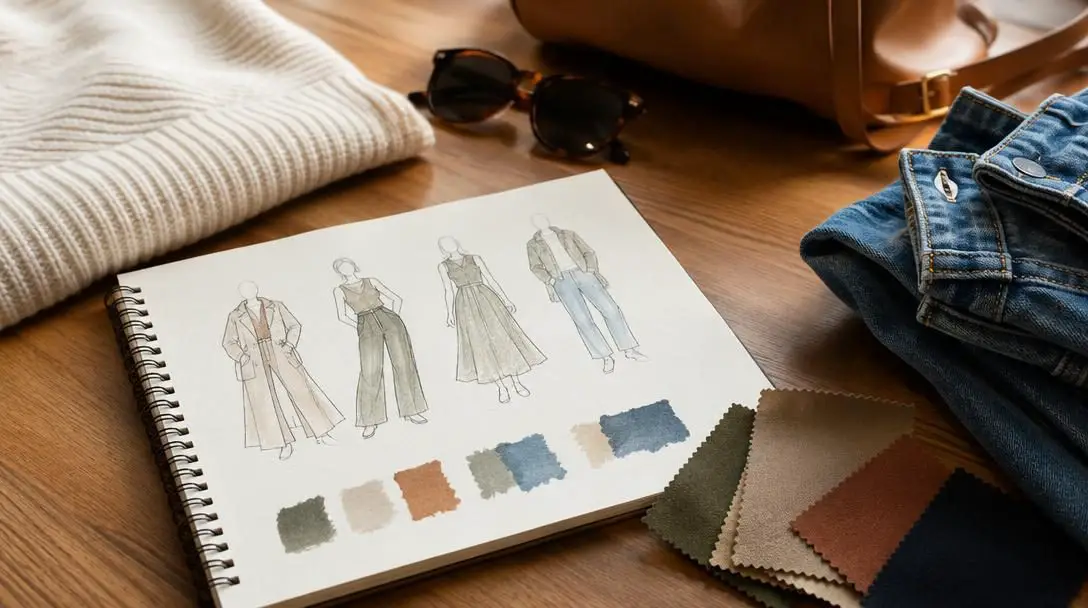
The journey toward defining your aesthetic begins with paying close attention to your natural visual inclinations. Fashion inspiration does not exist solely on runways; it appears everywhere from street style and classic cinema to modern architecture and fine art galleries. The goal is to observe what captures your attention in daily life and record it systematically.
Creating a personal mood board—whether through a digital platform like Pinterest or a physical collage on a bulletin board—allows you to assemble appealing garments, textures, and color combinations in one cohesive space. Over time, recurring patterns will inevitably emerge. You might notice a preference for earth-toned tailoring, structured outerwear, or minimalist silhouettes. These recorded observations give you an objective baseline of what you genuinely admire, preventing impulse purchases that clash with your authentic taste.
Experiment With Different Styles
Actively testing varied garments is necessary when uncovering what truly resonates with your lifestyle. You never need to lock yourself into a single, restrictive aesthetic category. Fashion thrives on exploration, curiosity, and play. Testing new combinations of patterns, unexpected silhouettes, and diverse color schemes allows you to discover where your preferences lie without long-term commitment.
While testing fresh aesthetics, you must always evaluate your everyday reality. An ensemble can be visually stunning on a hanger, but if it prevents you from moving comfortably through a busy commute, running errands, or managing active commitments, it will sit unworn. Balancing style with practical comfort ensures that experimentation produces usable, functional outfits rather than purely decorative additions to your closet.
Consider Your Body Type
Understanding your physical structure is vital when curating a wardrobe that consistently looks flattering and feels comfortable. Garments interact differently with varied proportions, making it helpful to learn which cuts accentuate your favorite features and bring balanced symmetry to your silhouette.
For example, individuals with a pear-shaped figure often look for garments that highlight the waist and harmonize proportions. High-waisted trousers, flowing skirts, and classic A-line dresses accentuate the midsection while offering comfortable ease. Conversely, those with an hourglass figure often lean toward designs that follow natural curves, using fitted tops and waist-defining tailoring to emphasize their natural lines. Dressing with intention means choosing clothing that works alongside your frame rather than forcing your body into ill-fitting cuts.
Accessorize
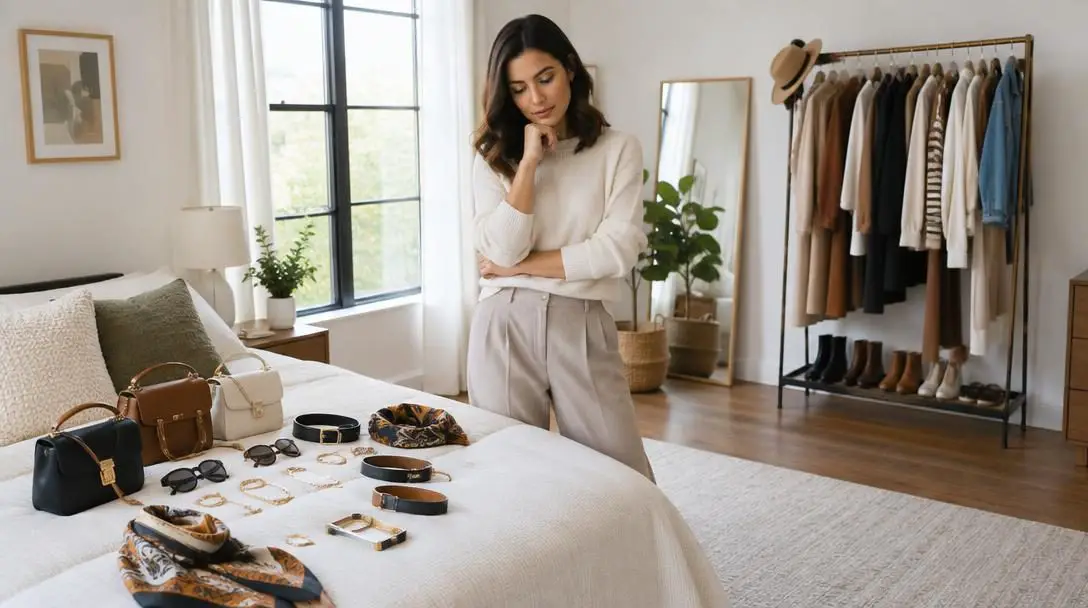
Accessories have an extraordinary ability to transform an ensemble, providing the bridge between an ordinary outfit and a memorable signature look. They serve as an approachable canvas for personal creativity, enabling you to infuse bold character into simple, everyday foundations without requiring an entirely new wardrobe.
There is no rigid handbook to follow when styling accessories. You can integrate hats, textured scarves, or striking statement pieces such as sculptural earrings, stacked rings, layered bracelets, or chunky necklaces. By swapping a delicate chain for an eye-catching pendant or trading a neutral belt for a textured leather strap, you can completely alter the tone of your clothing while letting subtle aspects of your personality take center stage.
Have Confidence
Ultimately, self-assurance is the decisive element in carrying any outfit successfully. Developing a personal style is not about seeking universal approval; it is about finding genuine emotional comfort in the garments you wear. When you feel physically comfortable and visually authentic, your demeanor naturally reflects that certainty, elevating your overall presentation.
You can cultivate this confidence by starting with garments that feel safe and reassuring, gradually expanding your horizons as your self-assurance solidifies. Embracing your unique style requires letting go of external expectations and choosing clothing that acts as a bold, truthful extension of your internal identity.
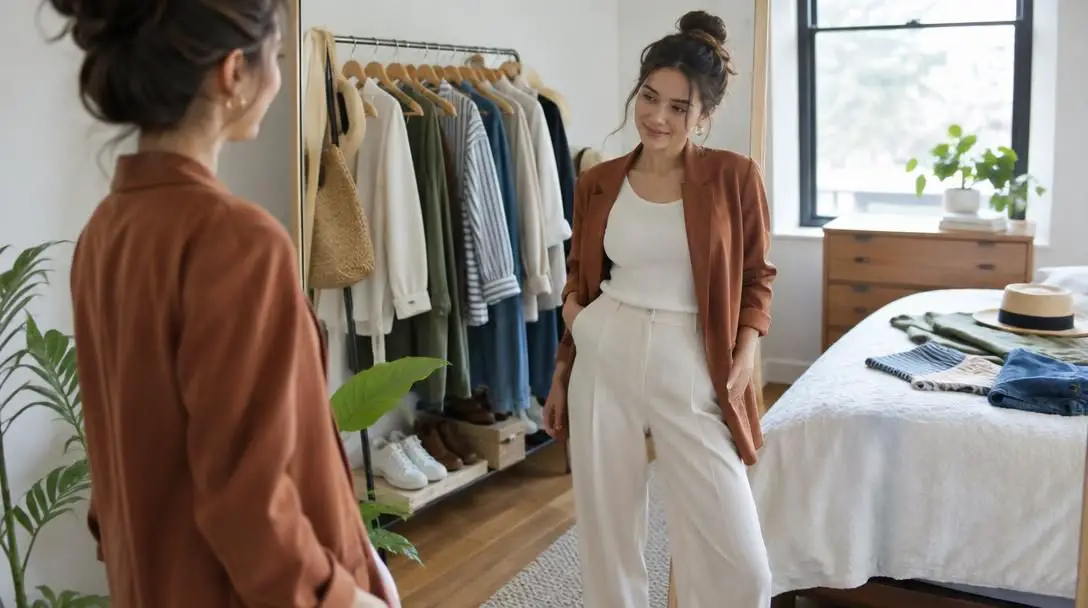
Fashion serves as an avenue of personal expression, offering a visual window into who you are before you speak a single word.
Step-by-Step Guide to Building a Curated Wardrobe
Translating style principles into daily practice requires an orderly method. By working through clear, systematic steps, you can eliminate wardrobe fatigue and establish a collection of clothing that actively serves your lifestyle.
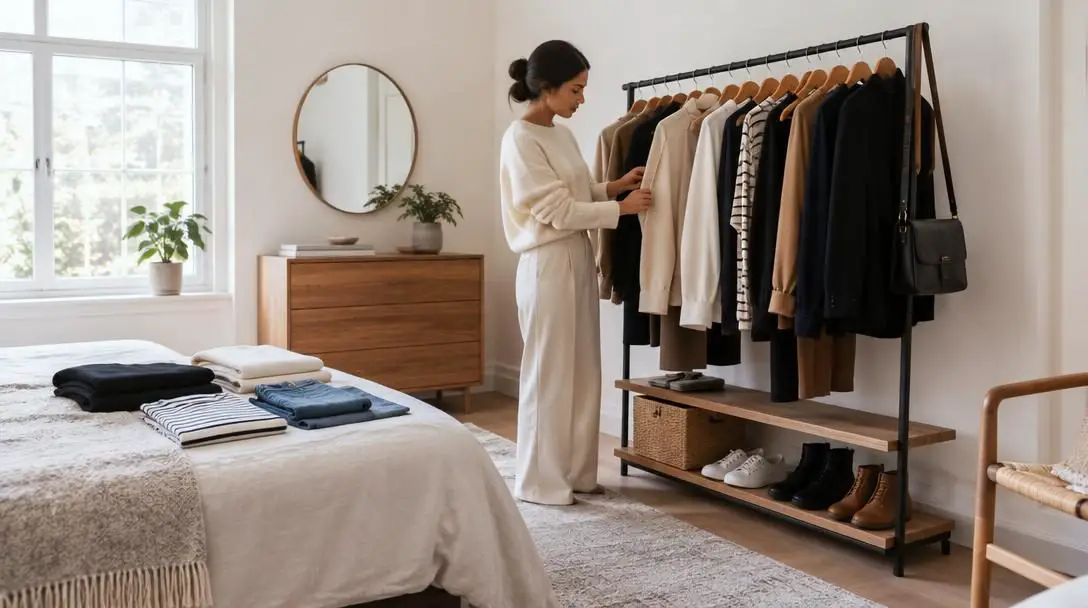
- Conduct a thorough closet assessment: Empty your wardrobe and separate the items you reach for constantly from those that remain unworn. Analyze the commonalities among your favorites—such as specific fits, breathable fabrics, or recurring hues—while identifying why unworn items make you feel uncomfortable or out of place.
- Compile and organize your mood board: Gather visual references using digital platforms or tactile pinboards. Pin street style photographs, editorial layouts, and design elements that consistently draw your gaze, reviewing the collection periodically to spot overarching themes.
- Map your weekly routine: Catalog your typical weekly obligations, noting whether your days demand active commuting, desk-bound office hours, outdoor movement, or casual downtime. Ensure that prospective clothing choices accommodate these realities seamlessly.
- Select foundational silhouettes for your frame: Choose versatile base cuts that complement your specific proportions. Prioritize proven shapes, such as A-line skirts and high-waisted pants for pear frames or tailored, waist-defining pieces for hourglass figures.
- Integrate personal accessories: Select finishing pieces that inject distinct character into foundational tops and bottoms. Experiment with hats, scarves, bold earrings, and layered necklaces to modify the energy of basic outfits.
- Test new ensembles in low-stakes environments: Wear unfamiliar garment combinations at home or during casual weekend outings before sporting them at high-profile events. This gives you a clear sense of how the fabrics move, how comfortable they remain, and whether they bolster your confidence.
Frequent Style Mistakes and How to Sidestep Them
The journey toward an authentic personal style often involves missteps. By recognizing the most common wardrobe pitfalls early on, you can save valuable time, conserve resources, and build a cohesive closet with ease.
- Prioritizing short-lived trends over individuality: Chasing every seasonal fad often produces a disjointed collection of garments that fail to reflect your authentic personality or everyday lifestyle. Focus on building an intentional wardrobe rather than adopting temporary novelties.
- Disregarding fit and bodily proportions: Buying clothes simply because they appear attractive on a mannequin or model frequently leads to disappointment. Garments must be evaluated against your individual structure, prioritizing cuts that complement your natural frame.
- Sacrificing physical comfort for aesthetics: Wearing restrictive, stiff, or impractical garments guarantees discomfort, particularly if you maintain an active or on-the-go schedule. Clothes should support your movement throughout the day, not hinder it.
- Neglecting finishing details: Relying exclusively on standard tops and bottoms without integrating accessories can leave looks feeling incomplete. Scarves, jewelry, and hats provide accessible tools to complete an outfit without requiring complex styling.
- Dressing for outside validation: Selecting clothing solely to meet the approval or standards of others dilutes your creative voice. Style is an individual statement, and authentic confidence stems from choosing items that make you feel grounded.
Assessing Future Purchases for Longevity
As you progress in refining your personal aesthetic, remember that personal style is an ongoing evolution rather than a finished checklist. Your visual tastes, professional responsibilities, and recreational activities will naturally change across different seasons of life. A well-curated wardrobe must remain sufficiently flexible to evolve alongside you.
When considering potential additions to your wardrobe, evaluate them through the framework of your established mood boards and daily schedule. Ask whether a piece works in harmony with your primary accessories, whether it provides the physical ease necessary for your routine, and whether the silhouette accentuates your frame. By prioritizing timeless garments that resonate with your inner self over disposable fads, you construct an enduring wardrobe that continues to reflect who you are.
Frequently asked questions
How can I begin developing my style if I feel overwhelmed by choices?
Start by auditing your current closet to identify the items you wear constantly and note their shared fabrics, colors, and cuts. Concurrently, build a digital or physical mood board to collect appealing visual references. Focusing on what you already love narrows your choices and removes the pressure to follow every passing trend.
What silhouettes work best for pear-shaped versus hourglass body types?
For a pear-shaped figure, silhouettes that define the waist and provide flow through the lower half—such as A-line dresses, high-waisted pants, and flowing skirts—create a balanced aesthetic. For an hourglass figure, designs that follow natural curves and emphasize the natural waistline, such as fitted tops and tailored garments, complement the frame effectively.
How do accessories help elevate an everyday outfit?
Accessories allow you to transform simple foundational pieces into personalized, finished looks without needing an entirely new outfit. Introducing elements like hats, scarves, bold necklaces, or layered bracelets adds depth, color, and texture, making an otherwise plain ensemble stand out.
Why is daily routine so critical when choosing clothing?
An outfit must function within the context of your everyday activities. If you lead an active lifestyle or commute frequently, rigid or fragile clothes will cause frustration and stay unworn. Aligning your wardrobe with your real-world routine ensures your clothes remain both stylish and functional.
How does personal confidence influence overall style?
Confidence is the foundational element that brings any garment to life. Wearing clothing that makes you feel comfortable, secure, and true to yourself radiates an authentic aura that naturally elevates your visual presentation, regardless of external opinions.
The bottom line
Discovering your personal fashion style is an ongoing process of self-discovery, practical editing, and creative expression. By documenting what naturally draws your eye, testing new aesthetics, understanding your frame, utilizing accessories, and honoring your daily comfort, you can build a wardrobe that reflects who you are. Embrace your unique visual identity without hesitation, and let your clothes serve as an empowering reflection of your authentic self.