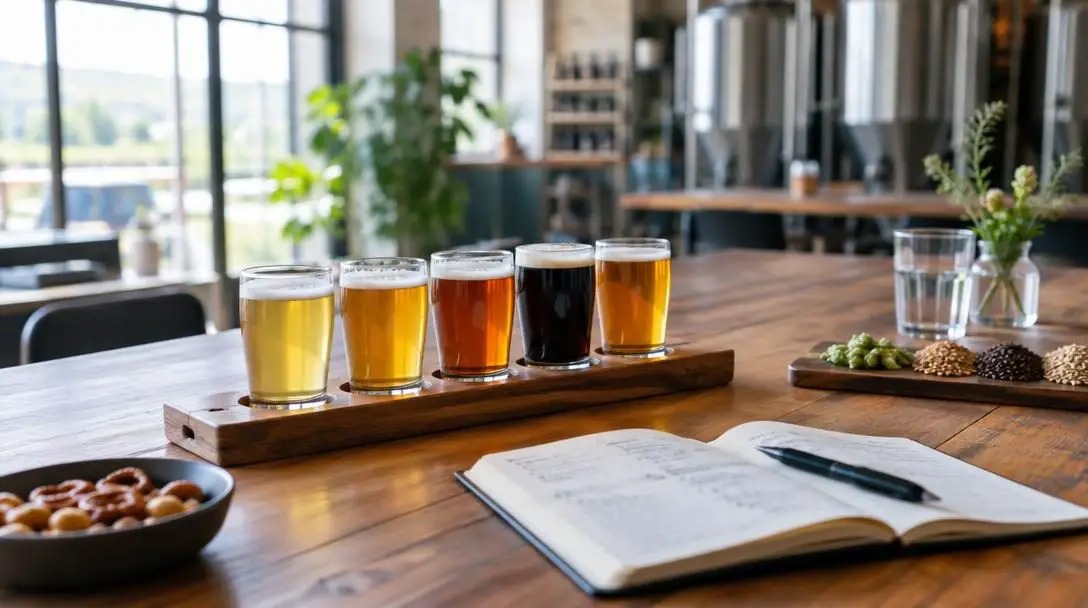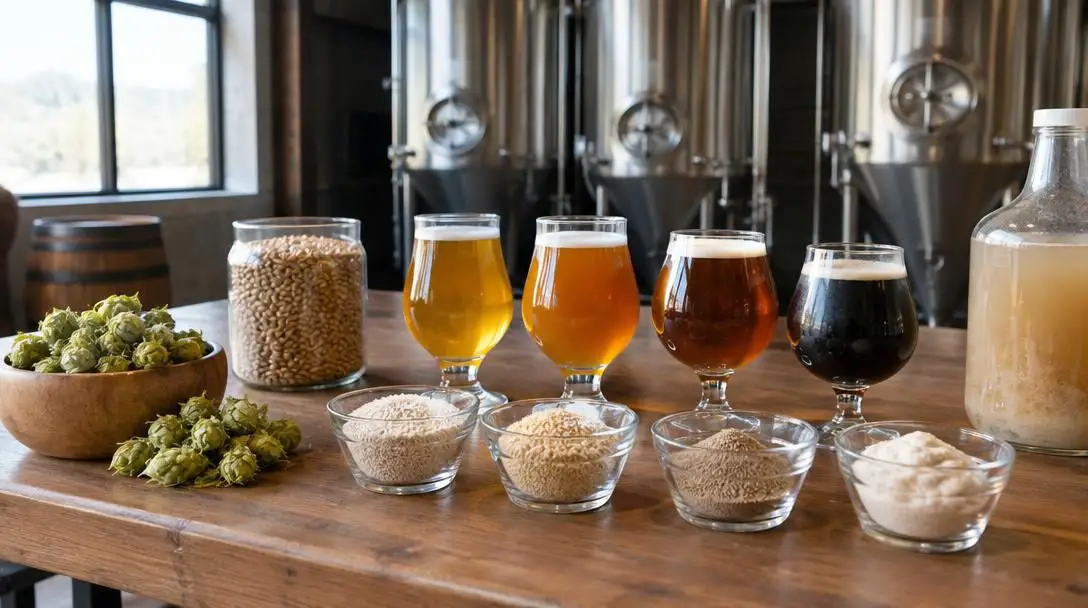
A Guide to Pairing Craft Beer With Food: The Perfect Combinations
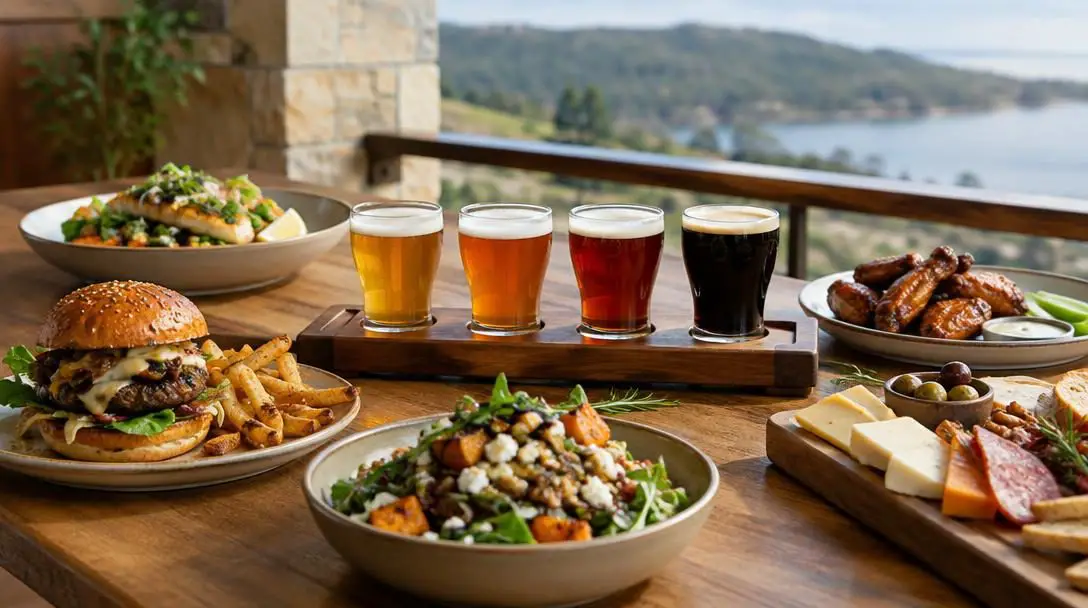
While wine has long dominated high-end dining rooms, craft beer has rapidly claimed its rightful place at the culinary table. Produced in small batches by independent breweries devoted to artisanal ingredients and meticulous brewing processes, craft beer brings an exceptionally diverse spectrum of aromas, bitterness levels, sweetness, and effervescence to modern meals. Pairing beer with food is not merely an alternative to uncorking a vintage bottle; it is an expressive culinary tradition that can elevate subtle ingredients, cut through rich textures, and turn a casual dinner into an unforgettable feast.
Historically, brewing was tightly woven into agrarian village life, where brewers utilized regional grains, native herbs, and local water supplies to craft beverages designed to sustain workers and complement local provisions. Today's craft movement revives that heritage with boundless modern creativity, offering flavor profiles ranging from crisp and light to dark, malty, and boldly tart. By grasping how flavor intensity, texture, alcohol levels, and culinary origins interact, any home cook or dining enthusiast can orchestrate seamless, harmonious pairings.
Key takeaways
- Matching the flavor intensity of the beer and the dish ensures neither element overpowers the other.
- Craft beer styles range widely, from crisp light beers and citrusy wheat beers to robust brown ales, bitter IPAs, roasty stouts, and tangy sours.
- Considering food texture, effervescence, and alcohol warmth allows you to cut richness, cleanse the palate, or complement hearty comfort foods.
- Looking to regional culinary heritage provides an intuitive and reliable blueprint for choosing the right style for international recipes.
The Core Dynamics of Beer and Food Pairing
Unlocking the synergy between plate and pint requires a working knowledge of four primary characteristics: flavor intensity, dish texture, alcohol percentage, and regional heritage. When balanced thoughtfully, the beverage acts as a liquid condiment, bringing out latent nuances in a dish while the food smooths over harsh edges in the drink.
Flavor and intensity form the foundation of any pairing. A delicate culinary creation, such as a mild white fish or leafy green salad, will instantly vanish beneath the aggressive hop bitterness of an intense brew. Conversely, a light-bodied lager will taste watery and flat when set against a richly spiced barbecue feast. Establishing parity between the strength of the recipe and the boldness of the beer guarantees that both can be savored in equal measure.
Food texture and carbonation interact dynamically on the palate. Craft beer naturally possesses effervescence, which can slice through heavy fats, melt-in-your-mouth cheeses, and creamy dairy sauces like a culinary palate cleanser. Meanwhile, viscous, dense foods find an ideal counterpart in full-bodied brews that mirror their substantial mouthfeel.
Alcohol content contributes warmth and body to a pour. Beers with higher alcohol by volume demand robust, savory entrées that possess sufficient depth to temper the alcohol's potency. If an alcoholic brew is paired with something too delicate or searingly spicy, the heat of the alcohol can overwhelm the taste receptors, turning an enjoyable meal into a harsh experience.
Regional cuisine honors historical partnerships that evolved organically over centuries. Traditional beer recipes were engineered alongside local pantries, producing regional alliances that remain unbeatable today. Exploring what farmers, bakers, and brewers ate in a style's homeland provides an immediate, foolproof roadmap for pairing success.
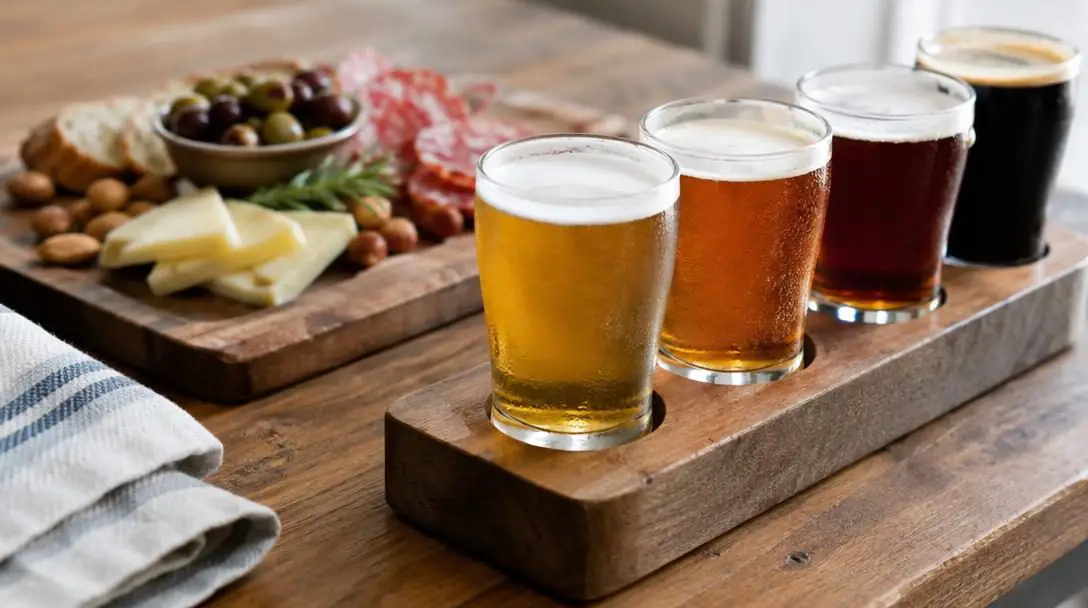
Pairing beer with the right dish can enhance the flavors of both the beer and food, resulting in a more enjoyable and memorable dining experience.
Craft Beer Styles and Pairings at a Glance
Before diving into individual styles, reviewing the classic craft categories side by side highlights how contrasting flavor profiles cater to different culinary preparations.
| Beer Style | Primary Flavor Notes | Ideal Food Companions | Complementary Effect |
|---|---|---|---|
| Light Beer | Clean, crisp, delicate, refreshing | Salads, fish dishes, light pasta | Cleanses without overpowering subtle ingredients |
| Wheat Beer | Slightly fruity, smooth, cloudy | Sausages, pretzels, spätzle, Asian curries | Balances doughy textures and cools vibrant spices |
| IPA (India Pale Ale) | Hoppy, bitter, bold, aromatic | Pizza, burgers, spicy buffalo wings | Cuts through grease and stands up to fiery marinades |
| Brown Ale | Nutty, toasty, sweet caramel malts | Grilled steak, chicken, stews, casseroles | Echoes caramelized crusts and braised savories |
| Stout | Roasted malts, dark chocolate, espresso | Chocolate desserts, beef stroganoff, shepherd’s pie | Enriches dark meats and echoes baked cocoa |
| Sour Beer | Tart, acidic, crisp, tangy | Oysters, shrimp, salads, citrus desserts | Acts like lemon juice, cutting fat and lifting seafood |
Comprehensive Style Pairing Guide
Every craft style brings distinct brewing traditions, malt bills, hop varieties, and yeast characteristics to the glass. Below is an in-depth exploration of six fundamental craft categories and how to pair them effectively.
Light Beer
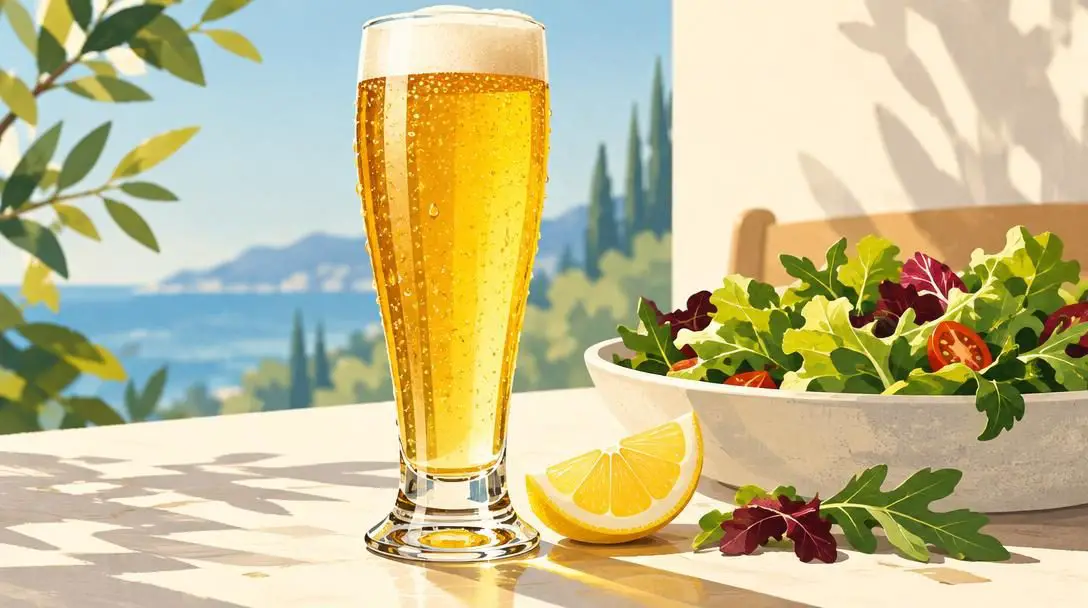
- Flavor Profile: Clean, crisp, light, and refreshing
- Signature Pairings: Fresh green salads, delicate white fish, light pasta dishes
- Key Advantage: Preserves subtle, mild flavors without palate fatigue
Light craft beers emphasize gentle grains and subtle hop character, resulting in a brew that is remarkably refreshing and easy to drink. Because light beers lack heavy sweetness or biting bitterness, they are best matched with understated courses that would be obliterated by bigger pours. Fresh leafy salads tossed with light dressings, steamed or lightly seared white fish, and delicate pasta dishes tossed in olive oil or white wine sauces find an ideal partner here. The gentle effervescence scrubs the tongue without masking the nuances of fresh ingredients.
Wheat Beer

- Flavor Profile: Smooth, bready, and slightly fruity
- Signature Pairings: Sausages, soft pretzels, spätzle, Thai curries, Asian stir-fries
- Key Advantage: Bridges comforting starch and fiery culinary spices
Brewed with a substantial portion of malted wheat, wheat beers offer a velvety mouthfeel accented by a distinctly fruity flavor and aromatic yeast notes. This profile makes them a legendary staple of traditional German cuisine, seamlessly accompanying savory sausages, warm salted pretzels, and buttered spätzle. Beyond European classics, wheat beers are a stunning foil for spicy Asian and Indian cuisine, such as coconut curries and sizzling stir-fries. The wheat's soft, bready body soothes burning spices while its light fruitiness brightens exotic seasoning blends.
IPA (India Pale Ale)
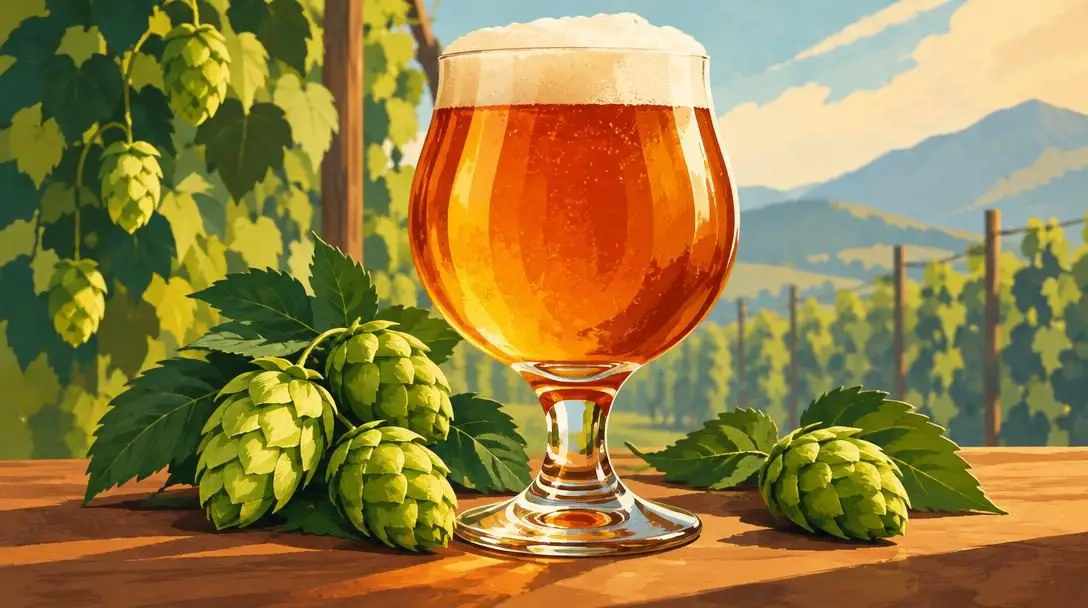
- Flavor Profile: Strong, distinctly hoppy, resinous, and bitter
- Signature Pairings: Pepperoni pizza, juicy burgers, spicy buffalo wings
- Key Advantage: Pierces through dense animal fats and complements capsaicin heat
Defined by generous additions of aromatic hops, IPAs deliver a strong, hoppy flavor with pronounced bitterness and vibrant floral, pine, or tropical aromatics. This commanding presence requires hearty, bold foods that will not be pushed aside. IPAs shine brilliantly alongside casual comfort foods like loaded pizza and gourmet burgers, where the hop bitterness slices cleanly through melted cheeses and rich ground meats. Furthermore, IPAs make an outstanding match for spicy buffalo wings, matching the fiery cayenne kick stride for stride.
Brown Ale
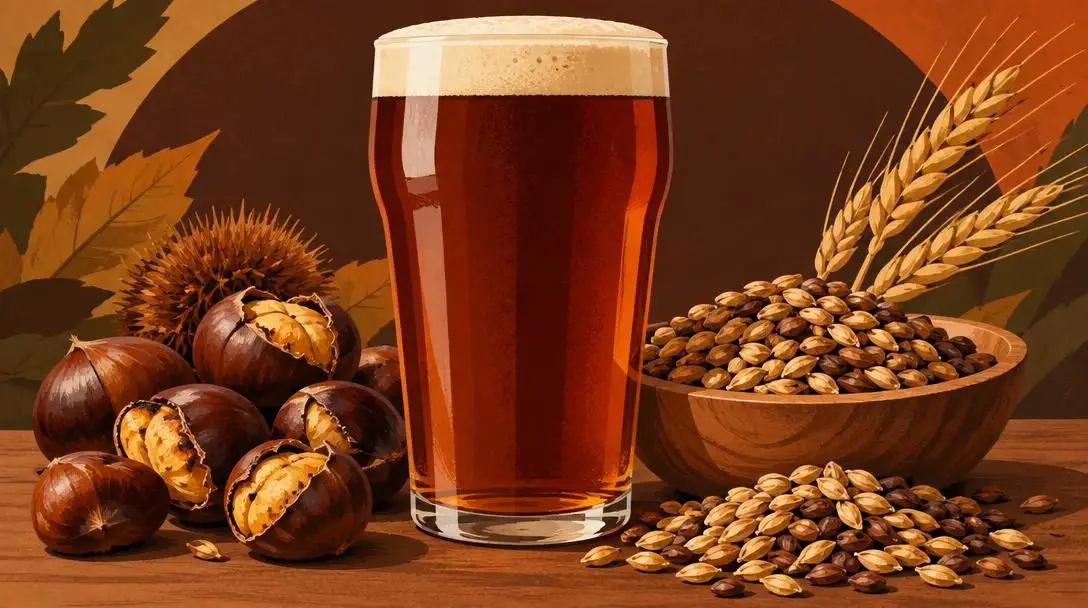
- Flavor Profile: Nutty, toasted, biscuit-like, with mild caramel sweetness
- Signature Pairings: Grilled steak, roasted chicken, hearty stews, baked casseroles
- Key Advantage: Mirrors the Maillard reaction in seared and roasted foods
Brown ales strike a comforting middle ground, favoring roasted specialty malts that produce a pleasant nutty flavor and caramelized undertones without aggressive hop bite. This malty backbone makes brown ale a natural companion for grilled meats, such as charred flank steak or barbecue chicken, where the beer's toasted notes mimic the caramelized crust formed during grilling. Brown ales also pair effortlessly with slow-cooked, hearty stews and home-style casseroles, adding depth to braised broths and root vegetables.
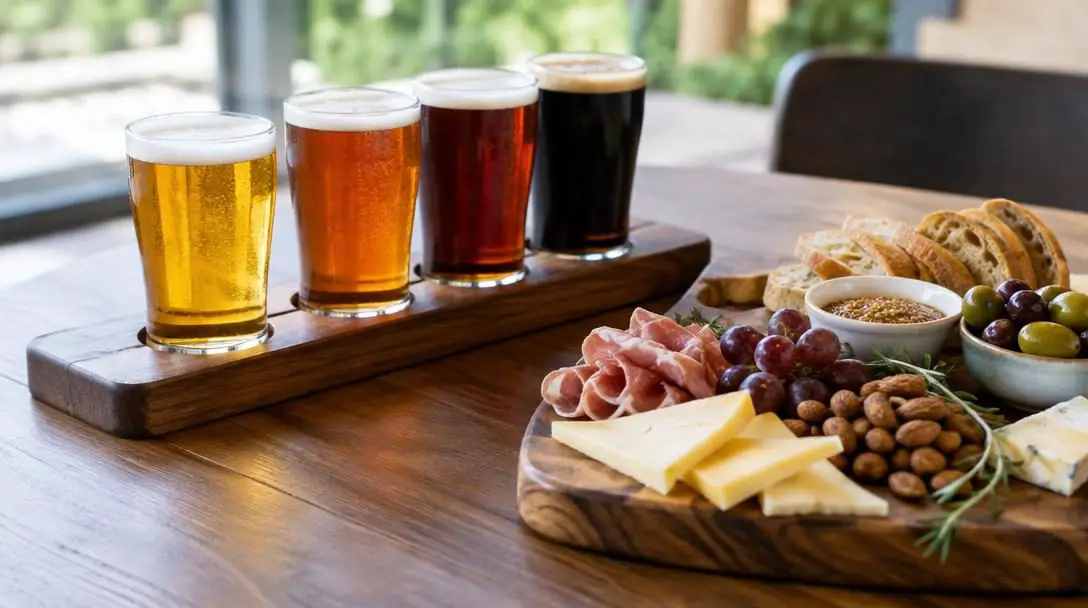
Stout
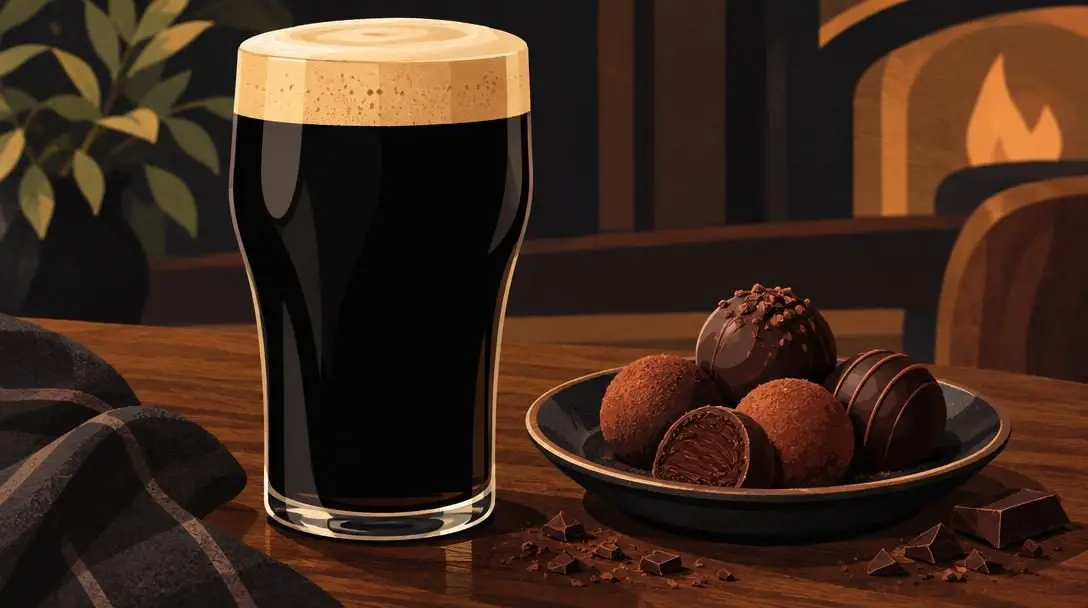
- Flavor Profile: Rich, roasted, coffee-like, and bittersweet chocolate
- Signature Pairings: Chocolate brownies, beef stroganoff, shepherd’s pie
- Key Advantage: Unlocks deep savory complexity or luxurious dessert decadence
Stouts are famed for their opaque appearance and deeply rich, roasted flavor, achieved by using dark roasted barley during mashing. These grains yield evocative notes of dark cacao, espresso, and molasses. Because of this dark richness, stouts excel in two distinct realms: decadent chocolate desserts and deeply savory comfort entrées. A velvety stout elevates chocolate cakes, tarts, and mousses by adding a roasty counterpoint to high sugar levels. When shifted to the dinner course, it marries exquisitely with hearty comfort foods like creamy beef stroganoff and slow-baked shepherd's pie.
Sour Beer
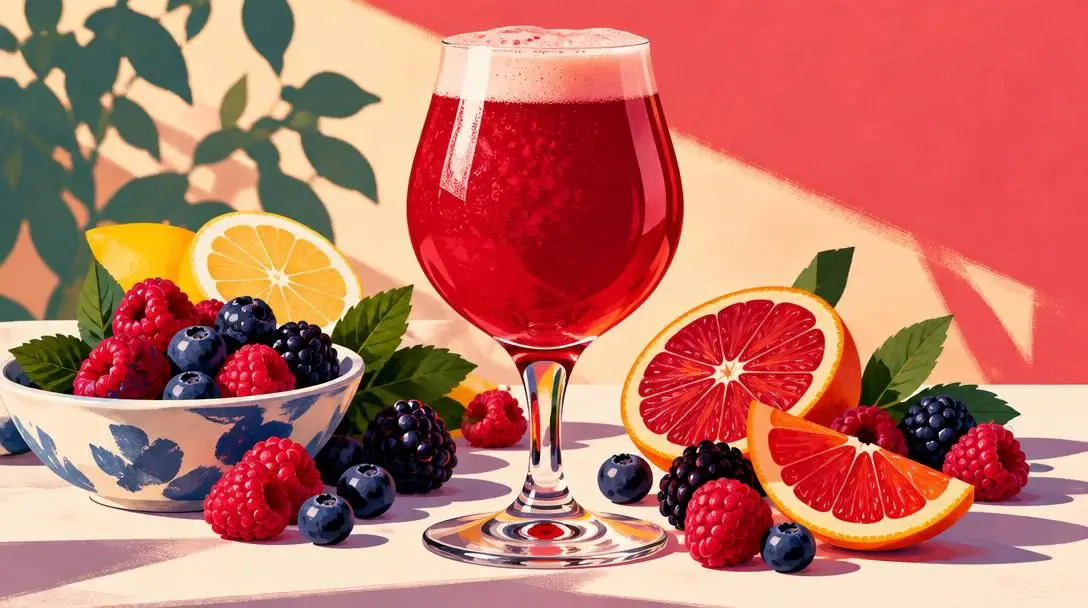
- Flavor Profile: Tart, acidic, crisp, and vibrant
- Signature Pairings: Fresh oysters, sautéed shrimp, dressed salads, citrus tarts
- Key Advantage: Mimics fresh citrus to brighten seafood and cut rich oils
Crafted through traditional wild fermentation or kettle-souring techniques, sour beers showcase a tart, acidic flavor that instantly awakens the palate. In culinary applications, sour beer behaves much like a squeeze of fresh lemon juice or a splash of fine vinegar. It serves as an exquisite pairing for raw oysters and sautéed shrimp, where the sharp acidity cuts through salinity and seafood sweetness. Sours are equally delightful with vinaigrette-dressed salads and tangy citrus-based desserts, where the matching acidity keeps the palate crisp and refreshed.
Step-by-Step: Designing a Meal Around Craft Beer
Organizing a meal centered around beer does not require professional sommelier credentials. By systematically evaluating each element of your menu, you can craft balanced, multi-course dining experiences at home.
- Decide on your focal point: Determine whether the dinner starts with a specific recipe or a rare bottle. If you own an exceptional stout, build your main dish or dessert around it; if you have fresh seafood ready to cook, look toward crisp light or sour beers.
- Assess flavor intensity: Gauge the strength of your ingredients. Mild items like poached fish require delicate light beers, while heavily seasoned barbecue or roasted meats demand assertive brown ales or IPAs.
- Match textures and mouthfeel: Pair dense, heavy dishes such as shepherd's pie with full-bodied stouts, while relying on the bright effervescence of light or sour beers to lift lighter fare like salads.
- Account for regional roots: Lean into culinary geography. Pairing German bratwurst with an authentic wheat beer or rich British stews with a traditional brown ale provides natural, time-tested balance.
- Serve at the right temperature: Avoid serving all beers ice-cold. While refreshing light beers benefit from a crisp chill, malt-forward brown ales and stouts reveal their nutty, roasted complexities much better at cellar or cool room temperatures.
- Taste thoughtfully: Take an initial sip of beer to gauge its profile, take a bite of the dish, and follow with another sip of beer to note how carbonation, sweetness, and bitterness evolve.
Common Mistakes to Avoid
Even seasoned food lovers encounter occasional stumbling blocks when pairing beer. Steer clear of these common missteps to ensure your food and beverage sing in unison:
- Overwhelming delicate dishes: Pouring an aggressive, high-IBU IPA or a heavy stout with a mild white fish or leafy greens will completely obliterate the food's subtle notes.
- Ignoring the alcohol level: High-alcohol craft beers carry heavy palate weight. Serving high-ABV brews alongside light foods makes the alcohol feel harsh, hot, and unbalanced.
- Pairing heavy food with overly light beer: Sinking a delicate light lager into a thick, savory beef stew will cause the beer to taste watery, dilute, and absent.
- Clashing tartness with excessive heat: Pairing sharp sour beers with blisteringly spicy wings can trigger an uncomfortably stinging sensation on the tongue. Leave fiery wings to hoppy IPAs or soothing wheat beers.
Practical Tips for Elevating Your Dining Experience
Branching out into unfamiliar beer styles creates endless possibilities for expanding your culinary repertoire. Use these practical strategies to sharpen your palate:
- Experiment with new combinations: Taste is deeply subjective. Never hesitate to pair unusual styles with personal favorites to discover unexpected flavor harmonies.
- Ask for recommendations: When dining out at craft-focused taprooms, ask your server or bartender for their pairing advice. Knowledgeable staff can introduce you to emerging seasonal releases.
- Consider the time of year and occasion: Align your pairings with seasonal rhythms. Bright, effervescent wheat beers and sours suit warm summer patio dinners, whereas warming stouts and brown ales shine in winter.
Frequently asked questions
Why does craft beer pair so well with food compared to wine?
Craft beer offers a remarkably wide spectrum of flavor elements that wine lacks, including roasted malt sweetness, toasted grain notes, hop bitterness, and cleansing carbonation. These diverse characteristics allow beer to complement everything from subtle fish dishes to dark chocolate and fiery curries.
What is the best craft beer to serve with spicy foods?
Both IPAs and wheat beers excel with spicy food. IPAs have strong, hoppy bitterness that stands up to bold spices and cuts through rich sauces like buffalo wings. Wheat beers, with their smooth body and light fruitiness, offer a soothing, refreshing contrast to hot curries and stir-fries.
Can you pair craft beer with rich desserts?
Yes. Stouts are legendary dessert companions, offering roasted malt profiles reminiscent of dark chocolate and espresso that blend seamlessly with chocolate cakes and brownies. Sour beers also pair brilliantly with fruit-forward or citrus-based desserts.
What should I do if a beer overpowers my dish?
If a beer overwhelms your food, switch to a style with lower flavor intensity or lower alcohol content. For example, replace an assertive IPA or heavy stout with a clean light beer or a smooth wheat beer that respects delicate ingredients.
Does beer serving temperature affect how it pairs with food?
Serving temperature significantly impacts flavor perception. Crisp light beers and tart sours taste best chilled, while malt-forward brown ales and rich stouts reveal their nutty, roasted qualities and aromatic complexity when served slightly warmer than refrigerator temperature.
The Bottom Line
The world of craft beer offers an extraordinary playground for culinary discovery. By treating craft brewing as a fine culinary art rather than an afterthought, you can unlock layers of flavor that wine simply cannot replicate. Matching intensity, considering mouthfeel, and paying homage to regional heritage provides an enduring blueprint for memorable home dinners. Whether opening a crisp light beer beside fresh seafood or pouring an inky stout next to a molten chocolate dessert, embracing an adventurous palate guarantees that every meal becomes a celebration of flavor.