Baby Supplies on a Budget: Top 5 Creative Saving Tips
Welcoming a new baby into the home is an exciting milestone, but equipping a nursery and maintaining daily essentials can quickly place a heavy strain on family finances. Between sleep equipment, travel gear, feeding necessities, and an endless stream of diapers and apparel, retail costs add up fast. For expectant and new parents, keeping a close watch on household expenditures is an essential part of early family planning.
Fortunately, managing costs does not require compromising on your child's comfort, happiness, or safety. By focusing on practical utility, evaluating disposable versus reusable goods, and planning purchases around seasonal sales and versatile items, parents can assemble high-quality nursery essentials on a modest budget. The following comprehensive guide details the top five creative saving strategies to keep your nursery fully stocked without overspending.
Key takeaways
- Choosing gender-neutral clothing and gear allows items to be easily reused for future siblings or resold.
- Switching from single-use items to reusable alternatives like cloth diapers and cloth wipes caps recurring weekly expenses.
- Prioritizing core necessities prevents impulse spending on short-lived novelty baby gadgets.
- Timing purchases around sales, coupon codes, and baby registry completion perks yields substantial savings.
- Crafting select supplies at home lowers costs as long as every handmade item strictly adheres to infant safety standards.
The Financial Reality of Equipping a Nursery
Preparing for an infant requires gathering supplies across several distinct categories: feeding, diapering, clothing, travel, and sleep. Because retailers market an overwhelming variety of specialized accessories, first-time parents often feel intense pressure to purchase a dedicated product for every single caretaking task. However, newborn infants outgrow developmental stages, motor skills, and clothing sizes at a rapid pace. An outfit designed specifically for a newborn may only fit comfortably for a few short weeks, while developmental entertainment gear may only hold a baby's interest during a brief window of infancy.
Financial strain rarely stems from a single major nursery purchase; rather, it results from the accumulation of dozens of small, discretionary purchases that offer limited practical utility. Furthermore, consumable day-to-day items such as disposable diapers and single-use wipes create a continuous drain on household earnings month after month. Recognizing that infants thrive on consistent care, safety, and basic nourishment rather than luxury accessories enables parents to adopt a mindful spending approach that emphasizes longevity, versatility, and functionality.
Top 5 Creative Saving Tips for Baby Supplies
Adopting strategic shopping habits before and during your baby's first year can dramatically lower total child-rearing expenses. These five proven strategies help families reduce upfront costs, curb ongoing recurring bills, and make the most out of every purchase.
Go for Gender-Neutral Baby Supplies
One of the most effective methods for maximizing the longevity of your purchases is selecting gender-neutral baby supplies. Opting for neutral aesthetics is particularly helpful if you do not know the baby's sex prior to birth, but its greatest financial benefit emerges over the long term. When clothes, nursery furniture, and everyday gear avoid hyper-gendered colors and motifs, they can easily be preserved and reused for future children regardless of gender, eliminating the need to buy duplicate items later on.
Modern baby retailers offer an extensive range of stylish, functional gender-neutral products that do not feel dull or restrictive. Simple palettes featuring whites, grays, creams, soft greens, and warm yellows fit seamlessly into any nursery design. Everyday staples that lend themselves particularly well to gender-neutral selections include:
- Onesies and bodysuits in classic colors like white, heather gray, and muted earthy tones.
- Practical diaper bags designed with clean, utilitarian lines that work equally well for any caregiver.
- Swaddling blankets and sleep sacks decorated with neutral geometric patterns, animal prints, or solid tones.
Look for Deals and Timing Discounts
Securing major savings on baby gear depends heavily on timing and price comparison. Rather than buying items at full retail price right when an immediate need arises, parents can save significant amounts by planning their procurement well in advance. Monitoring retail promotion schedules and searching for digital markdowns allows families to purchase premium goods at budget-friendly price points.
Expectant parents should actively track promotional discounts across multiple platforms before the baby is born. Creating a digital baby registry is an especially effective strategy, as many major retailers offer complimentary welcome kits, free shipping perks, and valuable completion discounts on remaining registry items as the due date approaches. Recommended approaches for capturing sales include:
- Shopping seasonal sales sections and clearance events at both physical baby boutiques and large e-commerce platforms.
- Gathering promotional codes and manufacturer coupons before finalizing checkout totals.
- Comparing identical models across multiple competing platforms to ensure you are receiving the lowest available baseline price.
- Leveraging registry completion discounts to purchase higher-ticket travel and sleep gear.
Choose Reusable Options Over Disposables
Disposable goods provide temporary convenience, but they represent a constant drain on your budget. Items like single-use diapers, synthetic wipes, and disposable nursing pads require continuous weekly repurchasing throughout infancy. In contrast, reusable baby supplies require an upfront financial investment that is quickly offset because the goods can be laundered and returned to service hundreds of times.
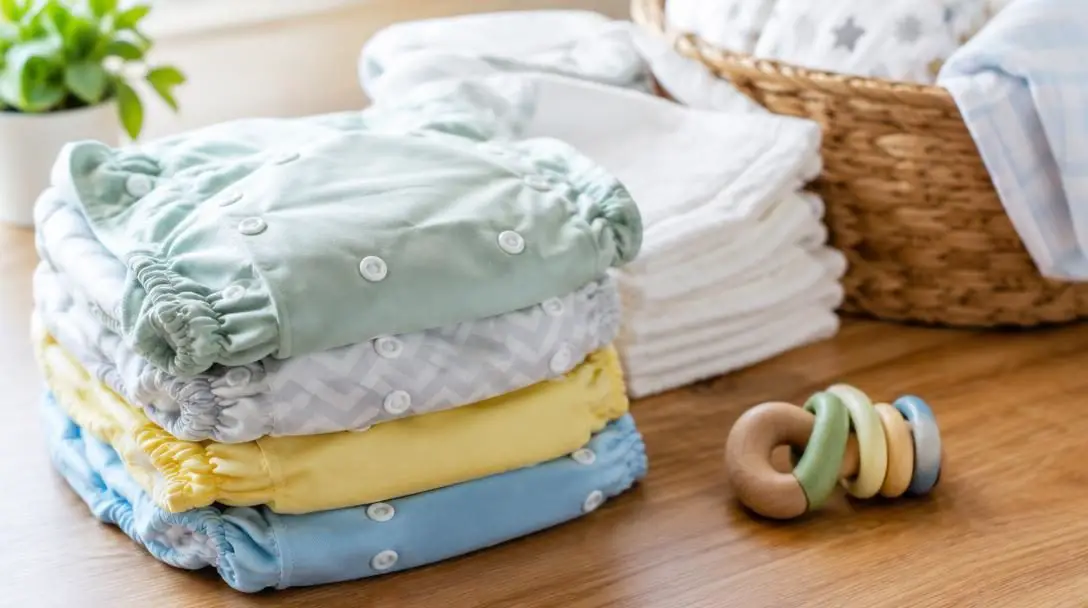
Cloth diapering has evolved significantly in recent years, offering modern pocket diapers, all-in-ones, and adjustable snaps that are simple to use, highly effective, and available in countless stylish designs. Pairing cloth diapering with homemade or fabric wipes cuts out paper waste and recurring store trips entirely. Furthermore, high-quality reusables can be preserved in clean storage and used for subsequent children, compounding your total household savings over time. Common reusable switches include:
- Cloth diapers fitted with adjustable rise snaps to grow alongside your child.
- Washable cloth wipes made from soft cotton flannel or terry cloth.
- Reusable fabric nursing pads that replace boxes of disposable adhesive breast pads.
"Managing your costs does not mean sacrificing the comfort, happiness, or safety of your infant."
Prioritize Your Baby Supply List
Before purchasing any nursery goods, it is critical to separate absolute necessities from optional luxury items. When compiling your master nursery list, split your requirements into essential daily living supplies and non-essential convenience items. Essential supplies cover the fundamental physiological and safety needs of the infant: proper nutrition, safe transit, dry diapering, and warmth.
By establishing a clear, prioritized checklist, you establish firm boundaries that prevent impulse purchases fueled by targeted retail marketing. Once the essential items have been secured within your allocated budget, any remaining funds can be thoughtfully applied toward secondary, decorative, or convenience items. Priority items to secure first include:
- Diapers (cloth systems or bulk newborn and infant sizes).
- Feeding essentials, including baby bottles, nipples, and breastfeeding accessories.
- A rigorously crash-tested, safety-certified infant car seat.
- Practical clothing basics sized for the first three to six months.
- Safe sleep surfaces and clean crib sheets.
Create Your Own Baby Supplies
Taking a hands-on approach by making everyday nursery items at home is an excellent way to personalize your baby's space while keeping retail expenses low. Homemade crafts allow parents to repurpose clean fabric scraps and repurpose household materials that might otherwise go unused. Handcrafted nursery elements also carry sentimental value that store-bought goods rarely match.
However, safety must remain the absolute priority when crafting baby goods. Any homemade item that enters an infant's environment must be securely constructed with durable stitching, free from choking hazards such as loose buttons or small beads, and assembled from non-toxic, skin-friendly fabrics. Practical DIY projects suitable for novice crafters include:
- Cutting and hemming absorbent flannel cloths to produce washable, reusable baby wipes.
- Assembling a nursery mobile constructed from lightweight paper shapes or soft felt suspended safely out of the infant's reach.
- Sewing simple baby apparel such as elastic-waist bloomers, bibs, and pull-on leggings.
- Tailoring fitted crib sheets using breathable, natural cotton fabrics.
Comparing Upfront Costs and Long-Term Value
Evaluating baby gear requires looking past the immediate price tag to calculate the total lifetime cost of an item. Some strategies demand higher initial capital but eliminate recurring costs, while others focus on smart timing to capture deep retail discounts.
| Saving Strategy | Initial Expense Level | Recurring Cost Impact | Reusability for Future Siblings | Primary Practical Benefit |
|---|---|---|---|---|
| Gender-Neutral Gear | Standard retail baseline | Zero recurring fees | Extremely high | Eliminates duplicate gear purchases across multiple children |
| Promotional Sales & Registries | Discounted upfront cost | Depends on product type | Moderate to high | Reduces initial cash outlay on major nursery investments |
| Reusable Diapering & Wipes | Moderate upfront investment | Near-zero recurring fees | Extremely high | Replaces continuous weekly purchases with simple laundering |
| Strict List Prioritization | Lowest possible baseline | Cuts unnecessary buys | Not applicable | Eliminates impulse buys on short-lived novelty gadgets |
| Safe DIY Nursery Projects | Very low material costs | Zero recurring fees | Moderate | Customizes nursery decor and basics using existing supplies |
Practical Steps to Implement Your Savings Plan
Translating these saving strategies into an actionable routine requires an organized, methodical approach. Follow these structured steps during your pregnancy or early postpartum period to keep nursery expenses firmly under control.
- Draft your prioritized inventory: Write down your core essentials, focusing strictly on diapers, feeding bottles, an approved car seat, and wardrobe basics sized for the first three to six months. Keep luxury gadgets on a secondary list.
- Build a gender-neutral registry early: Populate your baby registry with neutral-colored items, versatile diaper bags, and swaddles in gray, cream, or white tones. Ensure your account is eligible for completion discounts and free shipping perks.
- Track promotions and compare retailers: Before purchasing remaining essentials, look up coupon codes, monitor seasonal sales sections, and cross-reference prices across physical and online merchants.
- Assemble your reusable washing kits: Purchase or assemble a working rotation of cloth diapers, cloth wipes, and reusable nursing pads. Establish an organized hamper and laundering routine before the baby arrives.
- Complete DIY projects with strict safety checks: Sew simple items like fabric wipes or crib sheets using clean, breathable cloth. If crafting a mobile, test all knots and attachments to guarantee it cannot drop into the crib.
Common Spending Mistakes to Avoid
Even conscientious parents can fall into retail traps when preparing for a child. Steering clear of these common budgeting errors will keep your nursery planning grounded and financially sustainable:
- Overbuying newborn-sized clothing: Because babies grow rapidly, stocking dozens of newborn onesies often results in unworn clothes. Allocate the bulk of your clothing budget to the three-to-six-month range instead.
- Buying single-purpose novelty appliances: Retailers heavily market specialized bottle warmers, wipe warmers, and designer sterilizers. Most of these tasks can be easily accomplished with standard kitchen items like warm water baths.
- Relying entirely on a single store: Buying all your baby supplies from one retailer out of convenience often means paying higher baseline prices. Taking a few moments to compare prices across platforms yields substantial savings over time.
- Neglecting construction safety on DIY projects: Homemade supplies should never sacrifice child health. Ensure that all crafted bedding fits tightly without loose excess fabric, and avoid using buttons or small decorative parts that could present choking risks.
- Selecting hyper-gendered patterns on big-ticket items: Purchasing strollers, high chairs, or car seats adorned with heavily gender-specific themes makes them harder to pass down to future children of a different sex.
Frequently asked questions
Is cloth diapering really cheaper than using disposable diapers?
Yes. Although cloth diapering requires an upfront investment in diaper shells, inserts, and laundry supplies, it eliminates the continuous weekly expense of purchasing boxes of disposables. Over the course of infancy, cloth diapering can save parents hundreds of dollars, and the same set of diapers can often be laundered and reused for future children at virtually no additional cost.
What clothing sizes should budget-conscious parents buy before birth?
Parents should buy only a minimal number of newborn-sized basics, as infants outgrow them within a few weeks, and some larger babies bypass newborn sizing entirely. It is much more practical and cost-effective to focus your purchases on clothing sized for three to six months, which offers room for growth and extended wear.
How can I take advantage of baby registry completion discounts?
Most major online and physical baby retailers offer a completion discount—typically between 10 and 15 percent—on items remaining on your registry a few weeks before your due date. You can add higher-ticket essentials like car seats or crib mattresses to your registry list and purchase them yourself using this discount code along with any free shipping promotions.
What baby supplies are safe to make at home?
Safe and straightforward DIY baby supplies include washable fabric wipes, basic bibs, elastic-fitted cotton crib sheets, and decorative hanging mobiles. Whenever crafting baby items, inspect all seams to ensure durability, use breathable non-toxic textiles, eliminate small choking hazards like buttons, and hang mobiles safely out of an infant's reach.
Why are gender-neutral baby supplies considered a money-saving tool?
Choosing neutral colors such as white, gray, cream, or muted patterns allows baby clothes, swaddling blankets, diaper bags, and nursery gear to be seamlessly reused for subsequent children, regardless of their gender. This versatility doubles or triples the lifespan of your initial investment and prevents you from having to purchase completely new wardrobes and accessories for future siblings.
The Bottom Line
Welcoming a new baby into your family is an unforgettable experience that does not need to be overshadowed by financial stress. By prioritizing essential nursery equipment, opting for versatile gender-neutral designs, adopting reusable alternatives, and utilizing seasonal discounts, parents can provide exceptional care on a reasonable budget. Maintaining these resourceful habits early on establishes a healthy financial foundation that will continue to support your growing family through toddlerhood and beyond.