5 Tips to Subtly Encourage Your Child to Stay Active
Physical activity is essential for a child's overall growth, health, and emotional well-being. Yet in a world where screens, digital media, and indoor entertainment dominate daily routines, helping young people maintain an active lifestyle has become an uphill battle for many families. Tablets, gaming consoles, television, and smartphones provide continuous sensory stimulation while demanding almost no physical movement, gradually crowding out opportunities for spontaneous play.
When physical activity is presented as a rigid command or an enforced chore, children frequently push back with stubborn resistance. By using subtle encouragement, parents can reshape their home environment and daily habits so that movement feels natural, enjoyable, and effortless. Shifting away from heavy-handed mandates toward shared fun helps children discover intrinsic motivation, paving the way for lifelong vitality and physical confidence.
Key takeaways
- Subtle encouragement replaces direct commands with indirect adjustments that make physical movement a natural and fun choice.
- Regular activity supports muscle and bone development, healthy weight maintenance, and emotional resilience while reducing risks of chronic illness.
- Children instinctively mirror adult behavior, making active parental modeling far more influential than verbal instructions.
- Integrating motion into daily transit, household chores, and weekend family routines eliminates the friction of scheduling formal workouts.
- Screen boundaries paired with active movement apps can successfully bridge digital entertainment and physical exertion.
The Reality of Modern Childhood and Sedentary Habits
Physical movement serves as a fundamental pillar in developing young bodies and minds. From a purely physiological standpoint, engaging in regular physical play stimulates healthy muscle and bone development, builds cardiovascular stamina, and helps maintain a healthy body weight. Consistently staying active significantly reduces the long-term risk of developing serious chronic conditions, including childhood obesity, type 2 diabetes, and cardiovascular diseases.
The benefits extend well beyond physical metrics. Active play provides children with a vital outlet for nervous tension, daily stress, and pent-up energy. Moving their bodies sharpens cognitive focus, improves emotional regulation, and nurtures mental resilience. Whether through informal games of tag or coordinated playground activities, active children learn to navigate challenges, cope with frustration, and develop spatial awareness alongside social cooperation.
Despite these well-documented advantages, modern family life introduces significant friction. Digital screens provide immediate entertainment and instant gratification without requiring children to leave the sofa. Because modern entertainment is engineered to capture attention indefinitely, simply demanding that a child turn off a device and go exercise often sparks defensive power struggles. The challenge for caregivers is not simply commanding children to move, but creating an environment where active alternatives feel equally enticing.
Why Subtle Guidance Succeeds Where Commands Fail
When children feel forced into an activity, their natural impulse is often avoidance or outright defiance. Exercise presented as a duty can quickly take on negative connotations, turning physical exertion into a tedious chore. Subtle encouragement, by contrast, relies on gentle, indirect shifts in routine and surroundings. Rather than arguing over fitness goals, parents can arrange daily life so that active play becomes the most appealing, intuitive option available.
When physical movement is experienced as joy, exploration, and connection rather than an obligation, children build lifelong intrinsic motivation that outlasts parental reminders.
Children rarely engage in movement out of an abstract appreciation for metabolic health or cardiovascular strength. Instead, they run, jump, climb, and dance because an activity sparks their curiosity, excites their senses, or connects them with friends and family. By framing movement as an enjoyable shared experience rather than an enforced rule, families can foster an enduring, positive relationship with physical activity that persists well into adulthood.
Five Core Strategies to Subtly Inspire Daily Movement
Transforming household habits does not require sudden upheavals or exhausting schedules. Parents can employ five foundational approaches to weave dynamic energy into ordinary days without sparking conflict or resistance.
| Strategy | Primary Objective | Actionable Application |
|---|---|---|
| Make It Fun | Stimulate play-driven excitement | Introduce spontaneous games, music, dance sessions, and challenges |
| Lead by Example | Demonstrate active habits through imitation | Join in outdoor play, take family walks, and model regular exercise |
| Incorporate into Daily Routines | Normalize everyday motion | Walk or bike to school, share physical chores, and schedule active outings |
| Limit Screen Time | Remove sedentary obstacles | Set clear device parameters and introduce interactive movement apps |
| Create Positive Reinforcement | Build confidence and self-efficacy | Celebrate effort and reward milestones with enjoyable experiences |
Make It Fun
Because children are innately driven by enjoyment, reimagining movement as play is the most reliable way to spark active engagement. When children see an activity as lighthearted and amusing, physical exertion ceases to feel like hard work. Parents can introduce active challenges, family dance-offs, or backyard obstacle courses that transform standard physical motion into shared laughter.
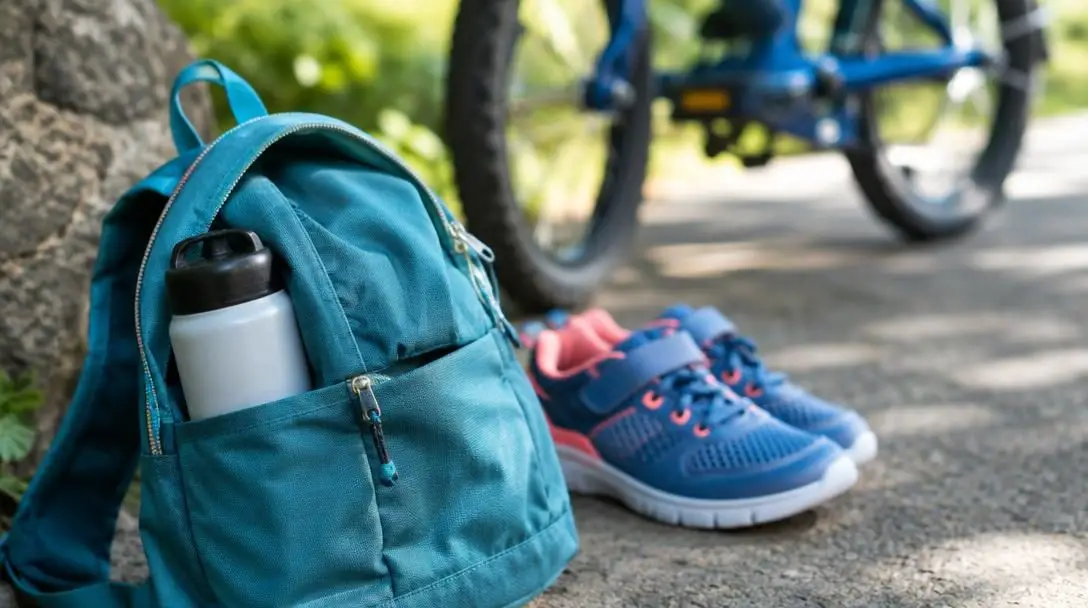
Encouraging sports, dance styles, or playground games that match your child's natural interests ensures that excitement remains high. Inviting friends, neighbors, or siblings to participate adds a layer of social connection that often turns a simple game into an absorbing afternoon of spontaneous running and cooperative teamwork.
Lead by Example
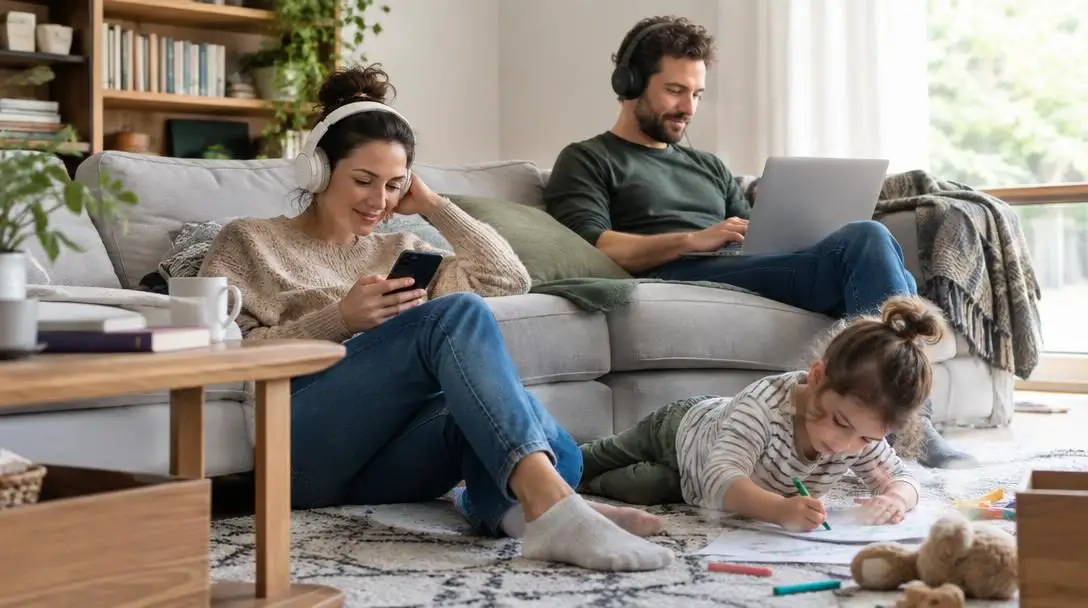
Children are perceptive observers who routinely model their lifestyle patterns on adult behavior. If parents spend all their leisure hours sitting in front of screens, children quickly absorb the belief that sedentary downtime is the natural standard. Conversely, seeing a parent prioritize an evening walk, stretch on the rug, or run around during a game of catch normalizes regular activity as a rewarding part of human life.
Whenever possible, involve yourself directly in their activities. Joining in a bike ride or kicking a ball around the yard demonstrates genuine enthusiasm rather than passive monitoring. This shared participation reframes active recreation as quality bonding time, creating warm associations with movement that endure over time.
Incorporate Physical Activity into Daily Routines
Treating exercise as an isolated event that must be scheduled into an already packed calendar often creates friction for busy families. A far more sustainable approach weaves movement seamlessly into the standard fabric of daily living. Transforming regular transportation habits offers an immediate starting point: walking, scooting, or cycling to school, local stores, or nearby appointments naturally adds healthy steps to every week.
Household responsibilities also offer meaningful opportunities for physical effort. Involving children in practical tasks such as raking leaves, carrying grocery bags, sweeping the patio, or tidying living spaces teaches life skills while keeping bodies moving. When these activities become normal family habits, staying active ceases to feel like an added chore.
Limit Screen Time
Unrestricted access to digital devices almost inevitably squeezes out time that would otherwise be spent in creative, active play. When entertainment requires no physical effort, children naturally settle into sedentary patterns that are difficult to break. Establishing clear, consistent household boundaries around device usage frees up valuable space for spontaneous movement and unstructured games.
At the same time, modern technology does not need to be an all-or-nothing proposition. Parents can balance sedentary viewing by introducing movement-focused digital media. Video games and applications centered on yoga, dance, martial arts, or rhythmic coordination bridge the gap between digital affinity and physical exertion, offering energetic alternatives on days when outdoor play is impractical.
Create Positive Reinforcement
Recognizing and validating a child's progress builds the self-assurance needed to tackle physical challenges. Rather than focusing solely on competitive success or raw athletic skill, parents should direct their praise toward personal effort, persistence, and visible improvement. Celebrating a child who attempted a new maneuver, kept trying after stumbling, or ran enthusiastically reinforces positive self-image.
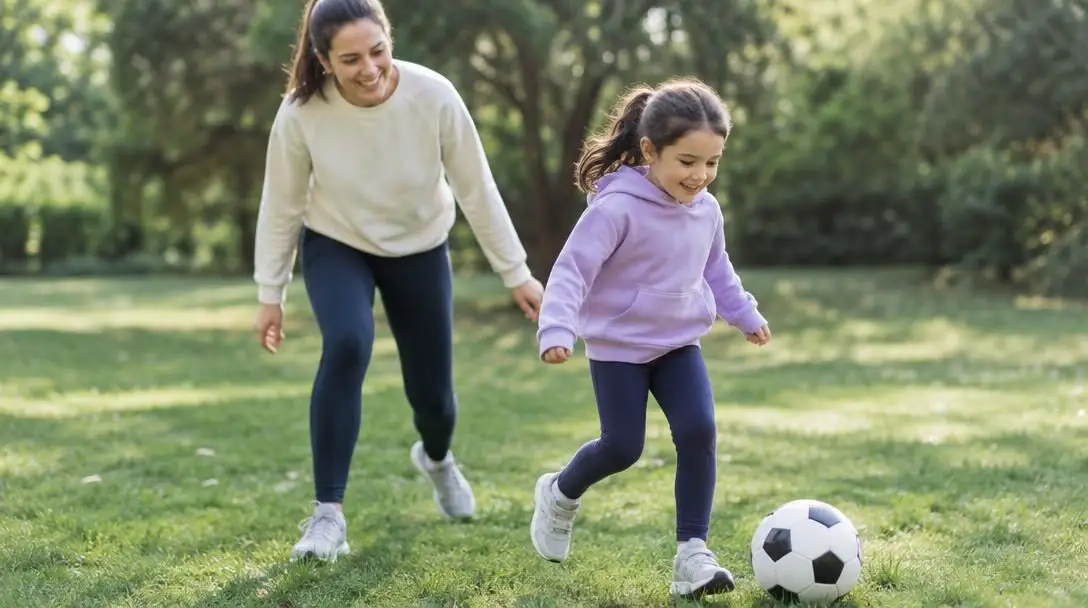
Pairing effort with non-material rewards further strengthens these constructive patterns. Rewarding active milestones with family trips to a favorite nature trail, an afternoon at a local swimming facility, or an extra session at the playground connects movement with fun family celebrations, enhancing intrinsic motivation.
Practical Steps for Everyday Routines
Putting subtle encouragement into practice does not require drastic adjustments. Families can gradually integrate small, consistent actions that make daily life more dynamic and active:
- Reassess everyday transportation choices by walking, scooting, or cycling whenever distances, footpaths, and weather conditions permit.
- Assign dynamic household chores, inviting children to participate in sweeping, carrying lightweight supplies, raking outdoor areas, or assisting with gardening.
- Stock easily accessible recreation supplies, placing sports balls, cones, jump ropes, or frisbees in high-visibility areas close to the door.
- Organize social movement dates by inviting friends or classmates to local parks where group games and active exploration unfold naturally.
- Curate active indoor media alternatives, keeping dance, yoga, or motion-based fitness programs ready for quick interactive sessions.
Common Mistakes That Discourage Young Movers
Even well-intentioned caregivers can inadvertently create friction when encouraging physical activity. Being aware of these recurring missteps protects a child's enthusiasm and keeps the atmosphere encouraging:
- Using physical exercise as a punishment: Assigning push-ups, running laps, or extra physical labor as a disciplinary consequence conditions children to associate movement with shame and resentment.
- Over-scheduling organized sports: Filling every free afternoon with structured practices and rigid competitions can cause physical fatigue and mental burnout, leaving zero room for creative, unstructured play.
- Centering conversations on body weight or size: Emphasizing aesthetic appearance or body mass can trigger anxiety, self-consciousness, and disordered attitudes toward movement. Focus instead on energy, strength, and joy.
- Demanding immediate, intense participation: Pushing a child accustomed to quiet indoor hobbies directly into exhausting workouts causes physical soreness and resentment; gradual progression is essential.
- Issuing passive instructions while remaining inactive: Telling children to go outside while adults stay seated on phones creates an impression of unfairness. Shared participation yields far better results.
- Over-emphasizing high-stakes competition: Focusing strictly on winning scores or superior performance often discourages children who are still finding their footing and confidence in athletic settings.
Sustaining Motivation Across Seasons and Milestones
Sustaining an active lifestyle requires recognizing that a child's interests and physical abilities evolve over time. What captivates an energetic toddler—such as climbing playground structures or playing tag—rarely appeals to an older child or pre-teen who may prefer structured sports, skateboarding, dance routines, or social hiking with peers. Parents must observe these developmental shifts and remain willing to pivot toward activities that align with changing identities and peer connections.
Weather and seasonal shifts also challenge household momentum. When winter cold, summer heat, or rainy seasons strike, sedentary screen time can quickly expand if alternatives are not readily available. Preparing active indoor activities—such as living-room obstacle courses, movement-oriented video games, indoor scavenger hunts, or family dance challenges—ensures that bad weather never brings movement to a complete standstill.
Finally, fostering ongoing, open communication keeps children engaged in their own wellness. Involving your child in discussions about family screen limits, weekend outings, and activity choices gives them personal ownership over their health. When young people feel their voices and preferences matter, they embrace active living as an expression of personal autonomy rather than parental oversight.
Frequently asked questions
How can I encourage my child to move without starting an argument?
Focus on subtle, indirect changes rather than demanding that they stop what they are doing to go exercise. Suggest active, fun alternatives like a walk to a favorite destination, an interactive game with family, or inviting friends over for outdoor play. Incorporating movement naturally into daily life removes the friction of power struggles.
What should I do if my child dislikes organized sports?
Organized athletics are only one pathway to physical health. Many children prefer unstructured, non-competitive activities such as bike riding, roller skating, swimming, climbing, nature exploration, or home dance sessions. Focus on personal enjoyment, bodily coordination, and cardiovascular play rather than competitive scores.
How can technology be used to promote physical activity?
Technology does not have to be entirely passive. Interactive screen applications—such as digital dance games, youth-oriented yoga videos, martial arts routines, and augmented-reality outdoor games—leverage a child's digital interest to get them up on their feet and actively moving indoors.
Why is positive reinforcement more effective than demanding performance?
Praising personal effort and steady progress builds self-confidence and intrinsic motivation. Demanding high athletic performance or focusing on outcomes can cause stress, fear of failure, and withdrawal, especially in children who do not view themselves as naturally athletic.
How do household chores contribute to a child's daily physical activity?
Everyday chores like sweeping, vacuuming, raking leaves, carrying groceries, and tidying outdoor areas engage major muscle groups and increase total daily energy expenditure. These responsibilities normalize physical exertion as an integrated, productive part of daily life.
The Bottom Line
Helping your child develop a dynamic, active lifestyle does not require exhausting training regimens or contentious daily battles over screen time. By employing subtle, positive encouragement, parents can transform physical movement into a celebratory, enjoyable aspect of household life. When children discover the inherent pleasure of moving their bodies through laughter, play, exploration, and family connection, they cultivate healthy physical and emotional habits that will support them throughout their entire lives.