Celebrity Fashion Lines You Need to Check Out
Celebrity fashion ventures have fundamentally transformed from novelty merchandising campaigns into powerhouse design houses that command respect across the global garment industry. When public figures step beyond endorsement agreements to establish their own apparel labels, they bring distinct points of view honed by years in the spotlight, working with world-class stylists, and navigating high-profile red carpets. These enterprises span an extraordinary aesthetic spectrum, ranging from uncompromising bespoke tailoring and avant-garde streetwear to boundary-breaking intimate apparel and approachable department store staples.
Rather than merely relying on name recognition, the most enduring celebrity fashion lines thrive by challenging industry conventions, introducing expansive sizing matrices, and embracing meticulous production standards. Whether reimagining everyday wardrobe essentials or presenting dramatic runway showcases, these brands demonstrate how personal creative vision can reshape mainstream style and consumer culture worldwide.
Key takeaways
- Celebrity-founded apparel lines have evolved from promotional merchandise into legitimate market leaders that compete with traditional luxury and ready-to-wear houses.
- Groundbreaking labels prioritize functional values such as body inclusivity, gender-neutral tailoring, and accessible pricing without sacrificing refined design.
- Successful founders frequently channel their distinct cultural backgrounds and personal aesthetics into coherent collections spanning footwear, denim, loungewear, and couture-grade tailoring.
- Critical industry recognition from institutions like the Council of Fashion Designers of America has validated the transition of entertainment icons into serious fashion designers.
At a glance: Leading celebrity fashion ventures
The following overview outlines how prominent celebrity-founded labels compare across their founding eras, design hallmarks, and core product focus areas.
| Brand | Founder | Launch Year | Primary Aesthetic | Signature Categories |
|---|---|---|---|---|
| Yeezy | Kanye West | 2015 | Avant-garde streetwear, utilitarian, earthy | Footwear, heavy cottons, distressed separates |
| Savage x Fenty | Rihanna | 2018 | Empowering, inclusive, expressive | Lingerie, sleepwear, foundational garments |
| Victoria Beckham | Victoria Beckham | 2008 | Minimalist luxury, sharp tailoring | Structured trousers, blazers, midi dresses |
| Jessica Simpson Collection | Jessica Simpson | 2005 | Approachable, trend-forward, commercial | Footwear, denim, outerwear, athleisure |
| The Row | Mary-Kate and Ashley Olsen | 2006 | Quiet luxury, architectural draping | Cashmere knitwear, virgin wool coats, leather goods |
| L.A.M.B. | Gwen Stefani | 2004 | Eclectic street, punk-rock, global fusion | Graphic apparel, statement bags, hardware accents |
| Daya by Zendaya | Zendaya | 2016 | Gender-fluid, modern, street-luxe | Unisex streetwear, velvet separates, eveningwear |
| Draper James | Reese Witherspoon | 2015 | Classic Southern charm, preppy, feminine | Gingham dresses, floral blouses, tailored separates |
Pioneers of quiet luxury and high-end tailoring
High-end fashion requires an uncompromising dedication to textile sourcing, pattern engineering, and structural fit. The most prestigious celebrity-founded luxury houses have succeeded by distancing themselves from overt personal publicity and focusing steadfastly on the discipline of sartorial craftsmanship.
Victoria Beckham
- Founder: Victoria Beckham
- Debut year: 2008
- Core category: Luxury ready-to-wear and accessories
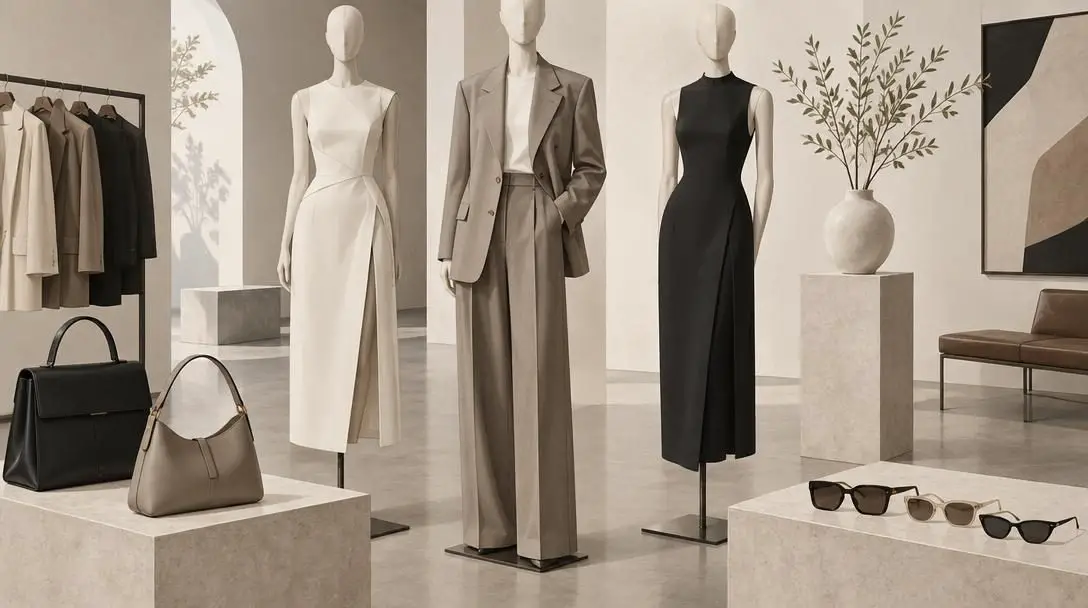
- Distinguishing aesthetic: Minimalist tailoring and architectural midi hemlines
Following her international pop music career with the Spice Girls, Victoria Beckham debuted her namesake fashion label in 2008 to widespread acclaim from discerning critics. The brand rapidly defied skeptical industry expectations by presenting collections defined by sophisticated restraint, precise construction, and a complete absence of gimmicks. Operating at an elevated luxury price point, the fashion house positions itself as an authentic reflection of Beckham's mature personal wardrobe, favoring clean, elongate lines over fleeting trend cycles.
The label's sustained prestige rests upon its tailored separates, including immaculately cut blazers, structured trousers, and razor-sharp skirts engineered to transition seamlessly from high-level corporate settings to evening engagements. In addition to signature midi dresses known for their structural silhouettes, the house produces handcrafted leather handbags and bold architectural sunglasses, securing its reputation among red-carpet regulars and luxury enthusiasts.
The Row
- Founders: Mary-Kate and Ashley Olsen
- Debut year: 2006
- Inspiration: London's Savile Row tailoring heritage
- Honors: Multiple awards from the Council of Fashion Designers of America (CFDA)
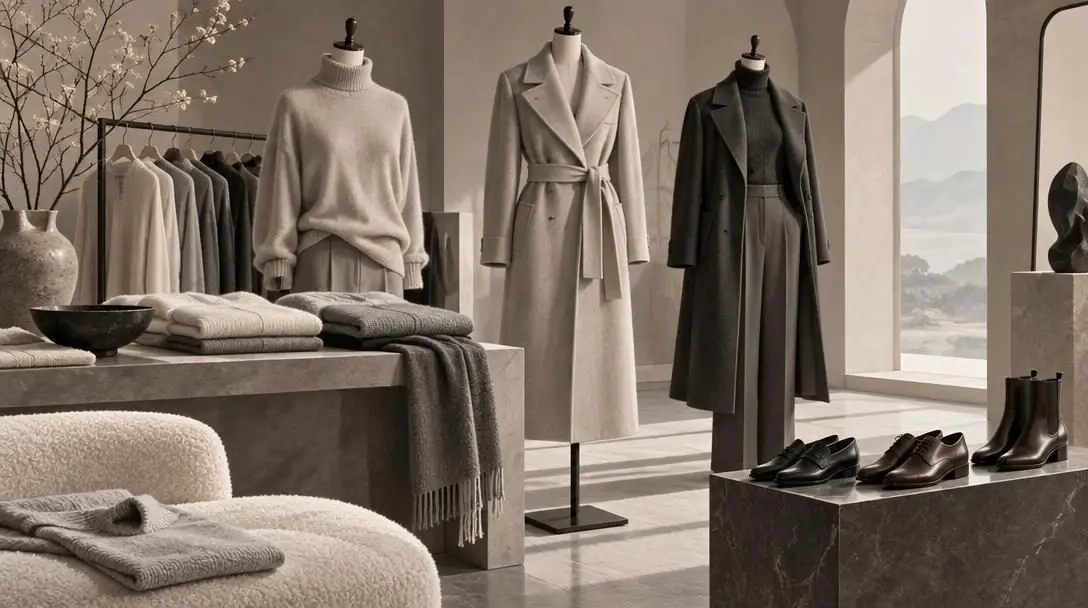
Established in 2006 by former child stars Mary-Kate and Ashley Olsen, The Row was founded on a meticulous quest to produce the perfect white T-shirt before expanding into a globally renowned luxury house. Borrowing its name from London's historic tailoring epicenter, Savile Row, the fashion house eschews loud logos, ostentatious marketing, and seasonal micro-trends. Instead, the design philosophy champions quiet sophistication, pristine internal construction, and discreet, uncompromising artistry.
The Row relies on an austere, muted palette to emphasize garment architecture, employing fluid yet precise draping techniques across ultra-premium fabrics including pure cashmere, virgin wool, and double-faced silk. The Olsen twins have successfully carried this understated vision into leather goods, fine footwear, and refined eyewear collections that range from delicate optical reading glasses to geometric sunglasses. Their commitment to flawless craftsmanship has earned prestigious critical accolades from the Council of Fashion Designers of America, cementing The Row's position as an undisputed powerhouse in contemporary haute couture.
True luxury lies in the discipline of exceptional tailoring and flawless materials rather than flashy logos or passing seasonal fads.
Innovators in streetwear and subcultural fashion
Streetwear thrives on authenticity, cultural rebellion, and distinct subcultural references. When prominent musical artists channel their stylistic influences into apparel, they bridge the gap between everyday casual wear and runway-level presentation.
Yeezy
- Founder: Kanye West
- Collaborator: Adidas (footwear line)
- Notable presentation: Yeezy Season 3 at Madison Square Garden
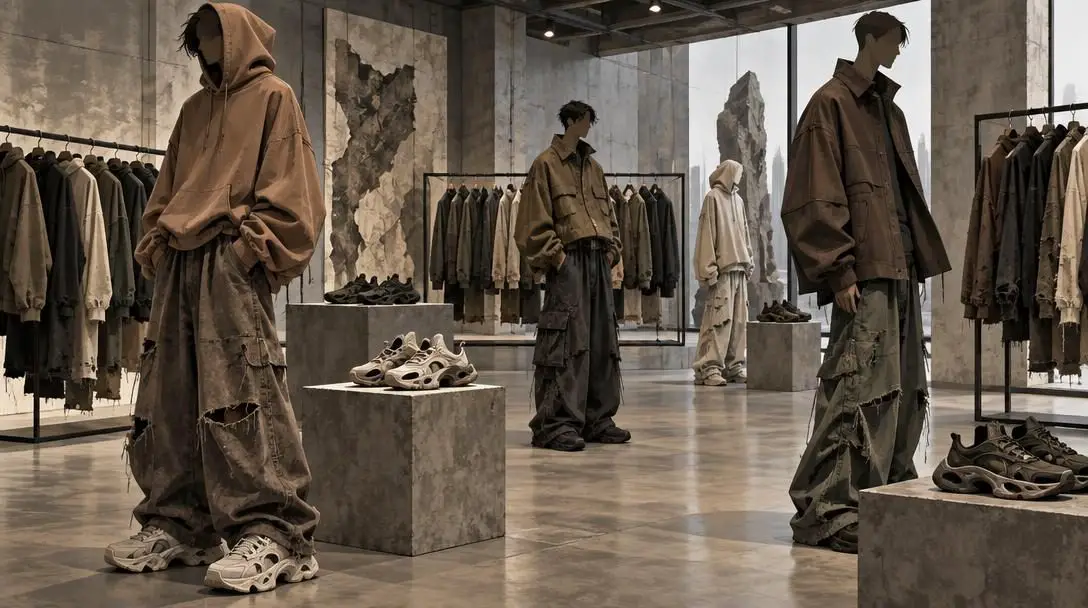
- Signature elements: Heavy cottons, drop shoulders, and muted earth tones
Kanye West's Yeezy line revolutionized the global streetwear landscape by merging utilitarian minimalism with high-fashion proportions. The venture challenged conventional apparel boundaries by introducing boxy, oversized fits, dropped shoulder seams, and distressed textiles executed in dense cottons and raw-edged knits. Rather than using conventional bright streetwear palettes, Yeezy adopted a signature monochromatic, earthy range focused on soft beiges, weathered grays, and muted organic greens.
The label's unprecedented commercial mania centered largely on the groundbreaking Yeezy Boost footwear series created alongside Adidas. New shoe silhouettes sold out within seconds, prompting dedicated shoppers to camp out in front of retail stores and navigate hours-long digital queues. West further disrupted industry norms by turning seasonal launches into monumental arena events, exemplified by the massive Yeezy Season 3 showcase staged at Madison Square Garden, permanently reshaping how the fashion ecosystem views the intersection of music, streetwear, and luxury commerce.
L.A.M.B.
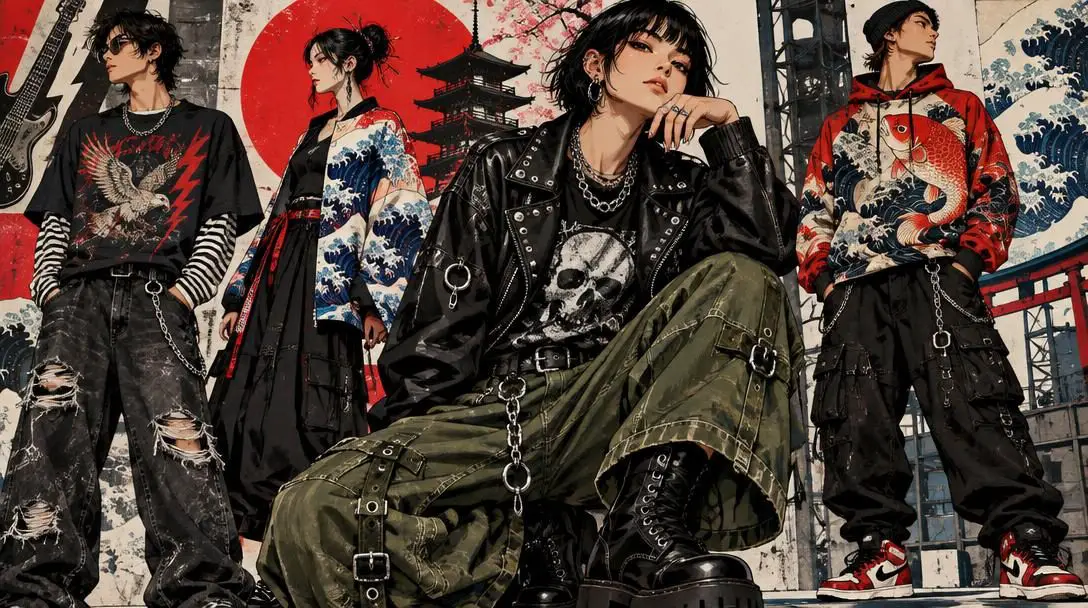
- Founder: Gwen Stefani
- Debut year: 2004
- Name origin: Acronym for Love. Angel. Music. Baby.
- High-profile clientele: Nicole Kidman, Teri Hatcher, and Paris Hilton
Debuting in 2004, L.A.M.B.—an acronym standing for Love. Angel. Music. Baby.—represented a direct creative extension of singer Gwen Stefani's boundary-pushing personal style. Drawing inspiration from an eccentric combination of global subcultures, the label successfully merged vintage Hollywood glamour, Jamaican dancehall aesthetics, Japanese Harajuku street fashion, and classic punk-rock rebellion. Stefani took a deeply immersive, hands-on role in the creative development, hand-selecting textiles, drafting unique print motifs, and maintaining strict oversight of garment production.
The brand established a recognizable visual language through bold geometric prints, high-contrast patterns, distinctive industrial hardware, and utilitarian accents. L.A.M.B. achieved major retail success by offering consumers an accessible route to alternative edge, capturing an enthusiastic customer base and earning placement in the personal wardrobes of notable celebrities including Nicole Kidman, Teri Hatcher, and Paris Hilton.
Trailblazers in inclusivity, body diversity, and accessible style
Traditional fashion houses long operated with restrictive sizing standards and narrow aesthetic representations. In response, modern celebrity entrepreneurs have spearheaded seismic shifts across retail by championing radical inclusivity, universal body representation, and affordable price architectures.
Savage x Fenty
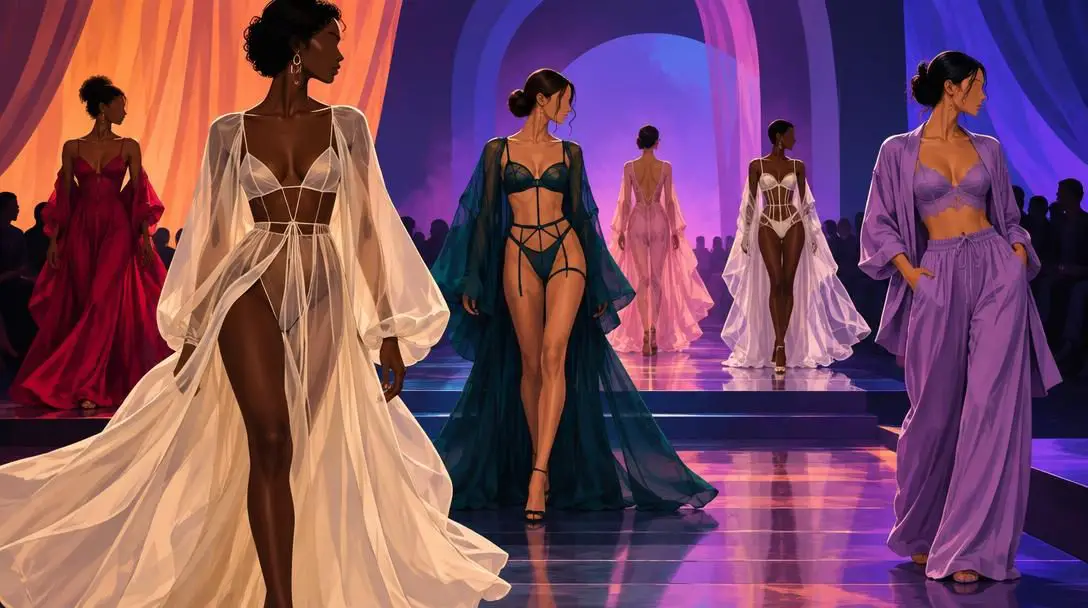
- Founder: Rihanna
- Debut year: 2018
- Core product lines: Intimate apparel, foundational undergarments, and loungewear
- Brand ethos: Unapologetic body celebration across all sizes, shades, and abilities
Launched by pop superstar Rihanna, Savage x Fenty thoroughly modernized the lingerie and loungewear industries by redefining conventional notions of beauty and sensuality. Rooted in the founder's personal philosophy of unapologetic self-acceptance, the brand was engineered from inception to serve individuals across every silhouette, physical shape, and skin tone. By offering show-stopping foundational garments, supportive undergarments, and comfortable sleepwear, the brand proved that sensual design does not need to be limited to exclusionary sizes.
Savage x Fenty captured global attention through revolutionary runway presentations that featured models across a broad continuum of body proportions, ethnicities, and physical abilities. By combining dramatic entertainment spectacles with an expansive sizing framework, the label established a new, highly competitive industry standard that forced heritage intimate-apparel manufacturers to reassess their own design and marketing strategies.
Daya by Zendaya
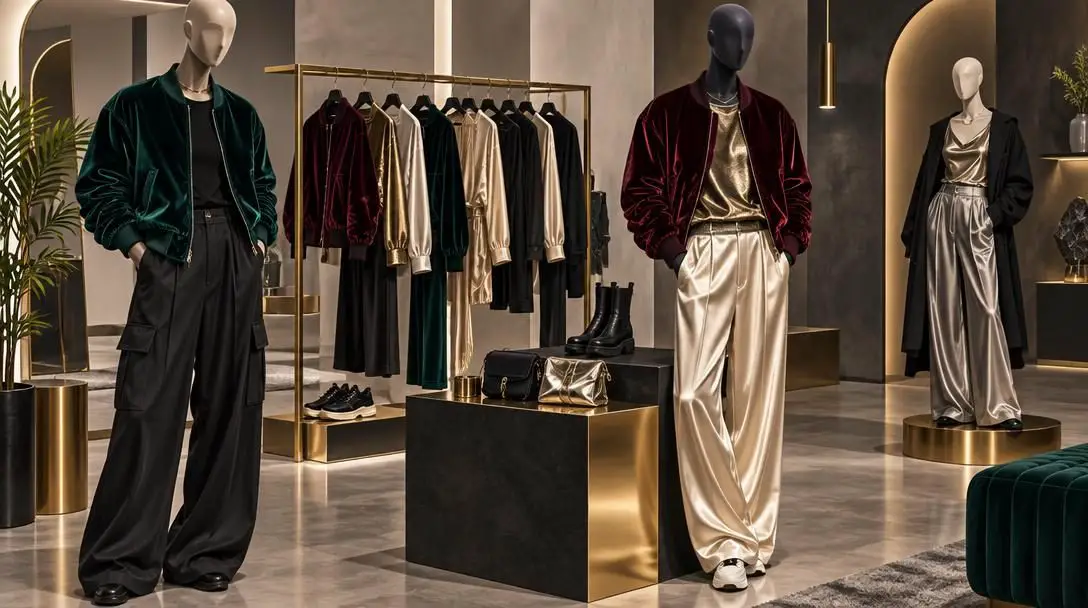
- Founder: Zendaya
- Debut year: 2016
- Size availability: Continuous sizing from XS through XXL
- Design priority: Gender-neutral silhouettes and accessible pricing
Introduced in 2016, Daya by Zendaya channeled the acclaimed actress's celebrated red-carpet flair into an accessible, progressive apparel collection. The label bridged the divide between aspirational fashion and real-world affordability, delivering a rich mix of sporty athleisure, sleek loungewear, and evening separates crafted from tactile materials such as plush velvet, smooth satin, and eye-catching metallic finishes.
A defining hallmark of Daya by Zendaya was its commitment to social and physical inclusivity. The brand offered extended sizing spanning continuously from XS to XXL at accessible price tiers, while actively prioritizing gender-neutral silhouettes and unisex cuts. Zendaya designed the collection to empower customers to dress without the limitations of traditional gender norms, creating an open, versatile wardrobe built for individual self-expression.
Commercial licensing powerhouses and heritage lifestyle collections
Building an enduring commercial brand requires consistent quality control, reliable distribution channels, and a deep, authentic connection to consumer lifestyle needs. The following brands established expansive retail footprints by aligning their personal stories with accessible products.
Jessica Simpson Collection
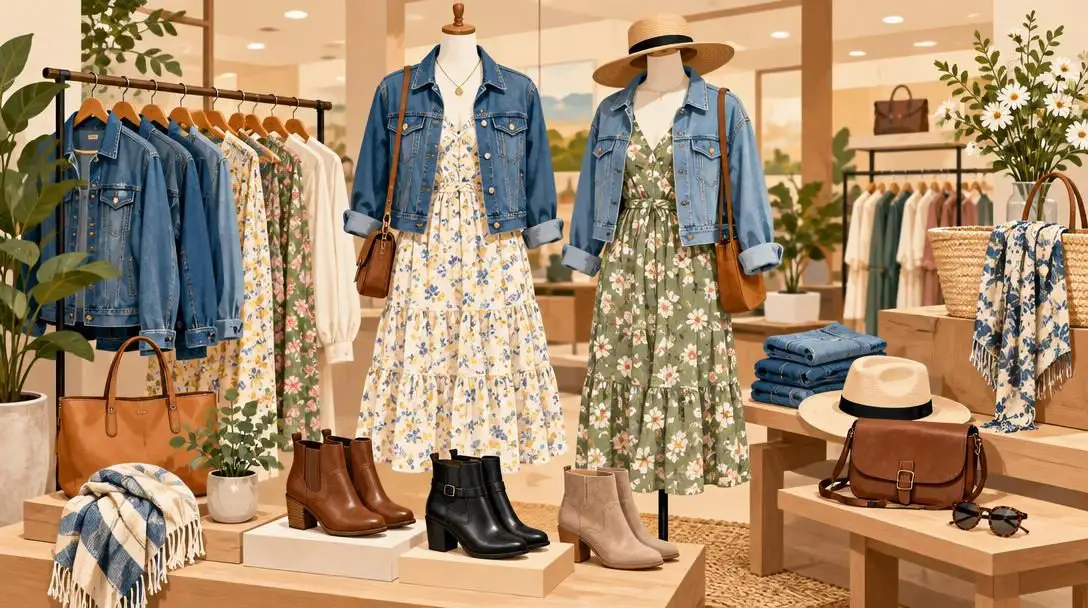
- Founder: Jessica Simpson
- Debut year: 2005
- Catalog breadth: Footwear, denim, outerwear, dresses, and athleisure
- Market status: Widely cited by business publications like Forbes as a retail empire
The Jessica Simpson Collection remains one of the most commercially triumphant licensing enterprises in modern retail history. Launched in 2005, the enterprise sidestepped the common pitfalls of short-lived novelty fashion by zeroing in on high-demand, attainable, trend-conscious wardrobe staples. Guided by Simpson's understanding of everyday consumer preferences, the brand quickly scaled into a massive apparel and accessories empire recognized by business publications including Forbes.
The label's sustained commercial dominance relies on a multi-category product catalog spanning affordable footwear, comfortable denim, versatile outerwear, dresses, and casual athleisure. By prioritizing accessible pricing structures alongside inclusive cuts designed for diverse body types, the Jessica Simpson Collection proved that celebrity apparel lines could maintain multi-decade longevity through dependable department-store partnerships and genuine mass-market appeal.
Draper James
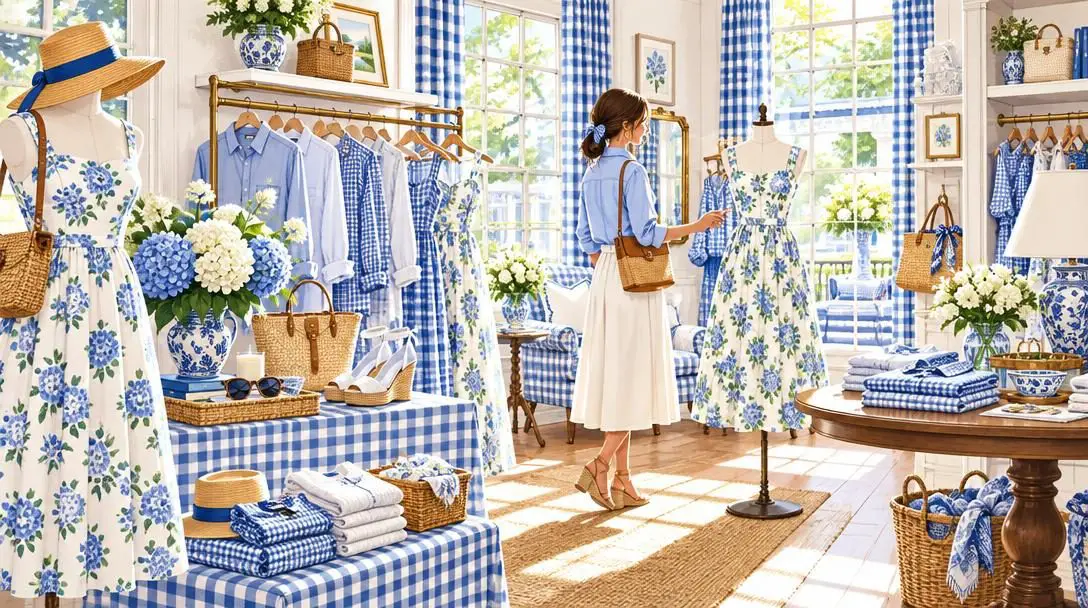
- Founder: Reese Witherspoon
- Debut year: 2015
- Heritage inspiration: Grandparents Dorothea Draper and William James
- Headquarters origin: Nashville, Tennessee
Academy Award-winning actress and producer Reese Witherspoon founded Draper James in 2015 to honor the warmth, gracious hospitality, and classic aesthetic of her Southern heritage. The lifestyle label drew its moniker directly from Witherspoon’s grandparents, Dorothea Draper and William James, and remains deeply anchored in the regional customs and sensibilities of her upbringing in Nashville, Tennessee.
The brand's aesthetic is characterized by timeless feminine dresses, crisp tailored button-down shirts, preppy separates, and upbeat accessories. Draper James relies heavily on traditional pattern work, including cheerful gingham checks, crisp stripes, and vibrant floral prints. By balancing classic, polished silhouettes with easy everyday comfort, the brand serves consumers seeking an inviting, heritage-inspired wardrobe rooted in Southern charm.
Frequently asked questions
Which celebrity fashion line is considered the most commercially successful in retail history?
The Jessica Simpson Collection is widely recognized by business outlets like Forbes as one of the most commercially successful celebrity licensing operations in history, generating immense revenue across footwear, denim, dresses, and lifestyle accessories.
How did Mary-Kate and Ashley Olsen's brand, The Row, gain serious fashion industry respect?
The Row established industry credibility by focusing exclusively on impeccable tailoring, Savile Row-inspired construction, pristine fabric sourcing (such as cashmere, virgin wool, and silk), and quiet luxury, earning multiple awards from the Council of Fashion Designers of America (CFDA).
What made Savage x Fenty's approach to fashion shows so revolutionary?
Rihanna's Savage x Fenty revolutionized the runway by casting models across an expansive range of body sizes, skin tones, and physical abilities, demonstrating that high-fashion sensuality and expressive lingerie belong to everyone.
What design characteristics define Kanye West's Yeezy collections?
Yeezy apparel is celebrated for oversized, boxy cuts with drop shoulders, heavy-weight distressed cotton fabrics, and a distinct neutral, earthy color scheme composed of muted greens, soft beiges, and grays, alongside the iconic Yeezy Boost footwear.
Are celebrity clothing brands accessible at everyday price points?
Yes. While lines like The Row and Victoria Beckham operate at high-end luxury price points, brands such as Daya by Zendaya, Draper James, and the Jessica Simpson Collection were purposefully engineered to provide attainable pricing without compromising on style.
The bottom line
The landscape of celebrity fashion has outgrown the era of superficial promotional endorsements. Today's most notable star-founded labels succeed because their creators invest deeply in distinct visual identities, rigorous garment construction, and meaningful connections with diverse customer communities. Whether setting new standards for quiet elegance on international runways, redefining streetwear footwear culture, or ensuring that lingerie and loungewear celebrate all bodies, these brands have secured a permanent, influential place within modern apparel retail.