Dog Pedigree Profile: German Shepherd
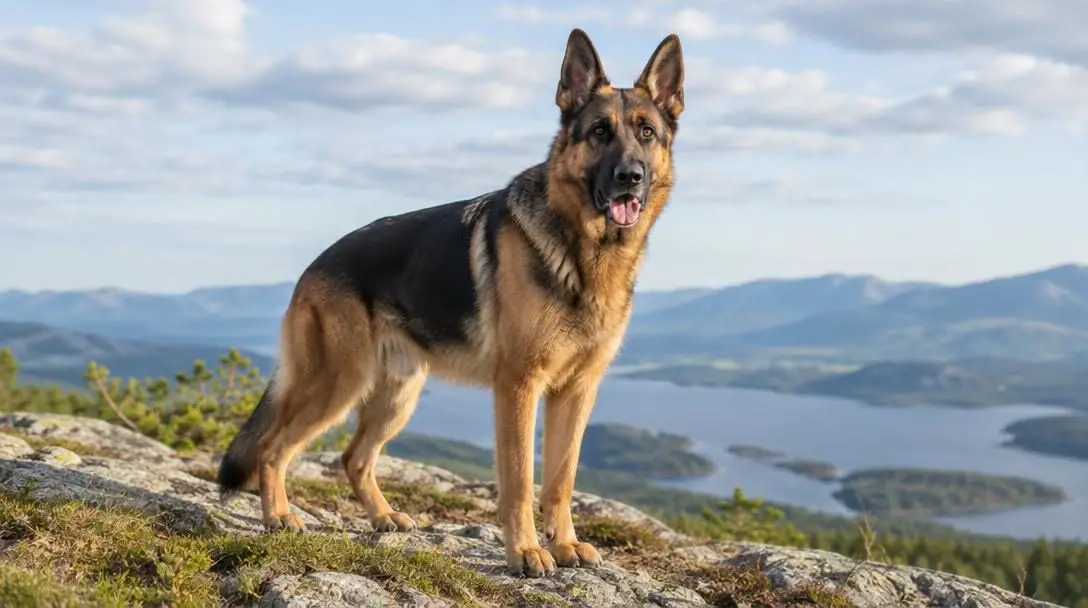
While regional preferences fluctuate around the world, the German Shepherd consistently stands as one of the most popular canine breeds in the United States. According to registration statistics from the American Kennel Club, the breed trails only retrievers and French bulldogs in total registrations. Despite this widespread prominence, the German Shepherd is a comparatively young breed whose global footprint expanded remarkably fast over the course of the twentieth century.
Prospective owners and working-dog enthusiasts must recognize that the breed's striking silhouette and celebrated competence stem from an uncompromising working background. Integrating a large, powerful dog engineered for vigilance, speed, and independent problem-solving into a modern household demands realistic expectations, structured leadership, and sustained physical commitment.
Key takeaways
- Established in Germany by Max von Stephanitz in the late nineteenth century, the breed gained official recognition in 1919.
- Ranked among the top three most registered breeds in the United States, German Shepherds trail only retrievers and French bulldogs in American Kennel Club popularity.
- Their working capabilities span pastoral herding, law enforcement patrol, narcotics and explosive detection, search and rescue, and assistance work.
- With an average lifespan of nine to 13 years, the breed faces elevated risks for hip dysplasia, arthritis, bloat, and diabetes.
Origins and the Vision of Max von Stephanitz
During the twilight of the nineteenth century, pastoral agriculture was a standard livelihood across continental Europe, and native herding dogs were indispensable to rural communities. However, these local herders varied wildly in physical conformation, temperament, and work ethic. A former German cavalry officer named Max von Stephanitz observed that while regional pastoral dogs were undeniably useful, they lacked a standardized blueprint uniting athletic power, endurance, and keen mental focus into a singular working animal.
Von Stephanitz set out with a definitive goal: to engineer a dog possessing size, agility, and exceptional intelligence that would serve as the definitive standard for utilitarian working breeds. In 1899, his search led him to purchase a dog he considered the embodiment of this functional ideal, bestowing upon him the name Horand von Grafarth. Horand exhibited the firm physical build, acute responsiveness, and balanced temperament von Stephanitz sought to standardize across future generations.
Working alongside dedicated collaborators, von Stephanitz used Horand von Grafarth as the foundational stud, pairing him systematically with select female herders who shared complementary functional traits. Strict selection criteria governed every step of the breeding program, favoring utility and work capacity above ornamental appearance. Through rigorous standardization and performance trials, the German Shepherd was officially recognized in 1919. As industrialized farming reduced the need for rural pastoral dogs, the breed transitioned seamlessly into military, civil defense, and public safety roles across the globe.
Working Capabilities Across Modern Disciplines
The German Shepherd was conceived and refined exclusively as an elite utility dog, and that heritage defines the breed to this day. Their physical stamina, combined with an intense eagerness to cooperate with a human handler, places them at the center of complex, high-stress occupations that demand physical bravery and nuanced decision-making.
In municipal law enforcement, police departments routinely assign German Shepherds to specialized K-9 divisions. Beyond pursuing and apprehending fleeing suspects, their olfactory prowess makes them premier assets for locating hidden narcotics and tracing volatile explosives. In emergency management scenarios, German Shepherds participate extensively in disaster search-and-rescue missions, climbing unstable debris to locate trapped individuals. While golden retrievers and Labrador retrievers represent the majority of seeing-eye guide dogs, German Shepherds also serve successfully as mobility and guide animals for handlers needing physical stability alongside dedicated navigation.
Conceived from the outset as an uncompromising working animal, the German Shepherd blends raw physical power with an innate drive to cooperate alongside human handlers.
Despite their broad adaptation into military and municipal agencies, the foundational instinct of the German Shepherd remains rooted in pastoral management. In agricultural settings, they continue to herd livestock, relying on their agility, boundary awareness, and commanding presence to maneuver large flocks across open fields.
Temperament, Guarding Drives, and Public Perception
Public appraisal of the German Shepherd's temperament is often polarized. In practice, the breed's disposition is a complex spectrum: some individuals demonstrate an innately gentle, tolerant demeanor with minimal intervention, while others show strong territorial drives, acute reactivity, or overt aggression if left unmanaged. This variance highlights why thorough socialization and consistent obedience work are indispensable components of responsible ownership.
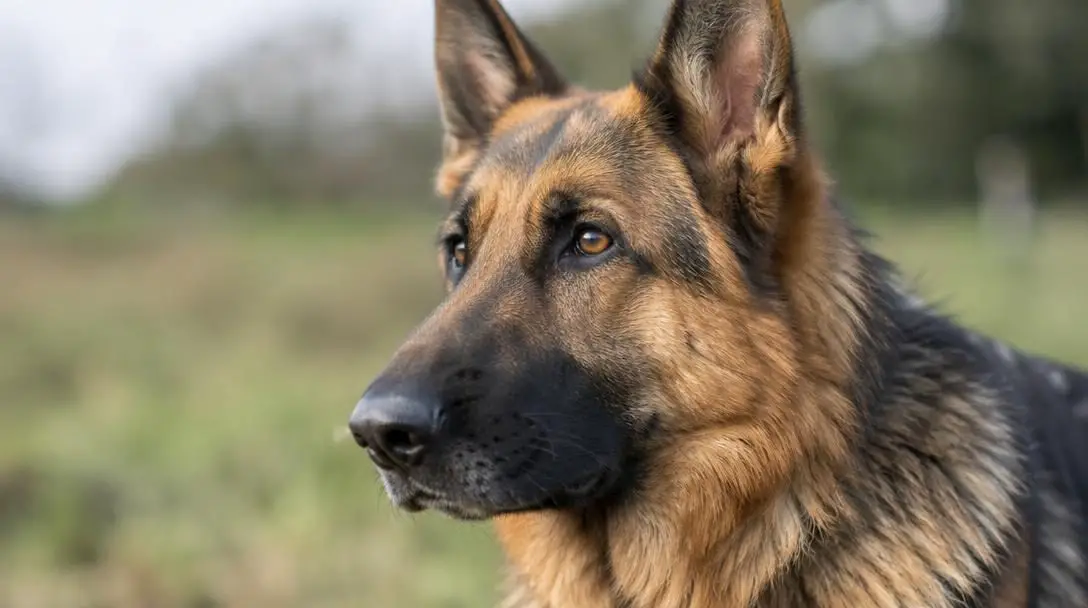
Under the supervision of an experienced handler, natural guarding tendencies can be steered productively. Well-domesticed German Shepherds are famous for unwavering loyalty and typically will not bite unless directly provoked or compelled to defend their immediate pack. However, their sheer physical power makes any lapse in control serious. The breed possesses exceptional jaw strength, which contributes to an unsettling statistic: German Shepherds send more bite victims to hospital facilities than any other single dog breed.
This hospitalization metric frequently leads the public to label the entire breed as inherently dangerous. In reality, their vast registered numbers across suburban households skew raw injury reporting. When raised with structured boundaries, clear household leadership, and ongoing exposure to neutral public environments, the domestic German Shepherd behaves as an observant, steady guardian rather than an unpredictable hazard.
Health Profile and Common Medical Vulnerabilities
Like the vast majority of deep-chested, large-frame canines, German Shepherds face a shortened life expectancy relative to smaller companion animals. On average, a healthy individual lives between nine and 13 years, with longevity shaped heavily by genetic heritage, orthopedic screening, and lifestyle management.
The heavy skeletal structure and dynamic movement of the breed place acute stress on weight-bearing joints. Two of the most common orthopedic afflictions seen in German Shepherds are hip dysplasia and degenerative arthritis. Dysplasia involves an improper seating of the femur head within the pelvic socket, creating chronic friction, inflammation, and eventual lameness as the dog advances in age.
Beyond orthopedic concerns, the German Shepherd's deep thoracic cavity makes the breed particularly susceptible to gastric dilatation-volvulus, commonly known as bloat. This life-threatening medical emergency occurs when the stomach fills with gas and twists on its axis, cutting off local blood supply. Metabolic conditions such as diabetes also present frequent health hurdles, requiring long-term dietary surveillance, insulin regulation, and consistent veterinary supervision to sustain everyday comfort.
Regional Offshoots and Variant Breeds
While the standard German Shepherd remains unmistakable worldwide, decades of dedicated breeding outside of Germany—most notably throughout North America—have generated distinct branch breeds. Although these offshoots feature unique coat colorations, distinct skeletal frames, or milder working drives, they retain the core intelligence, vigilance, and structural loyalty established by the foundation lineage.
White Shepherd
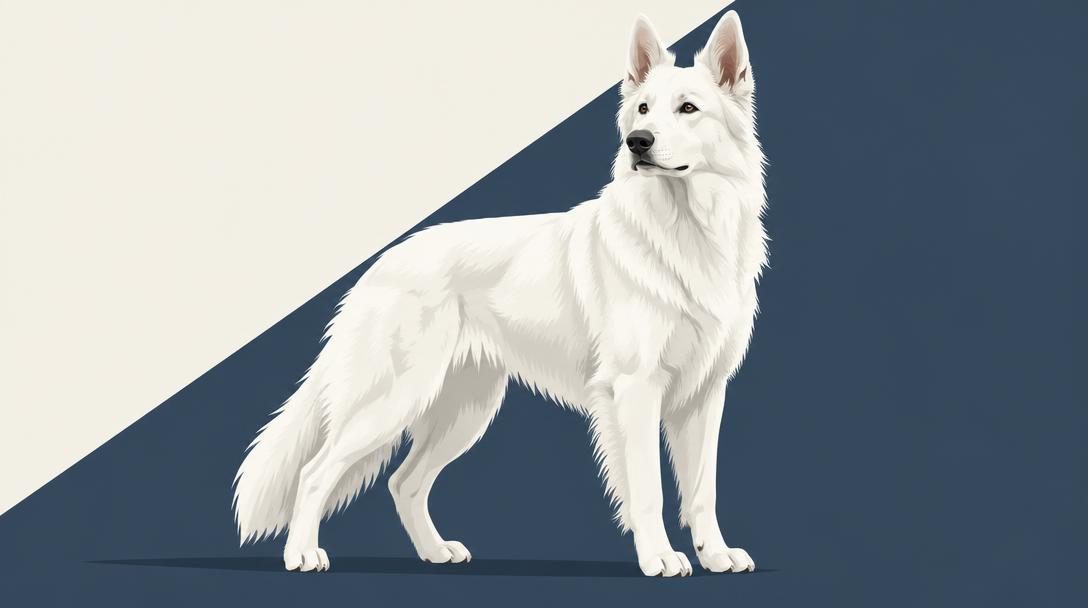
- Primary Development: United States and Canada
- Distinguishing Trait: Solid white coat derived from recessive genetic traits
- Core Function: Companion, obedience sports, and light working duties
The White Shepherd emerged through deliberate North American preservation of the recessive white coat gene present in the breed's earliest ancestors, including lineage linked back to Horand von Grafarth's grandfather. While rejected by European show standards that favored dark pigment, American fanciers valued these dogs for their striking presentation, balanced herding drive, and gentle responsiveness around the home.
White Swiss Shepherd

- Primary Development: Switzerland
- Distinguishing Trait: Elegant, snow-white double coat with dark skin pigmentation
- Core Function: Family companion, therapy assistance, and tracking
Developed primarily from white-coated dogs exported from the United States and Canada to Switzerland during the 1970s, the White Swiss Shepherd (Berger Blanc Suisse) was formally cultivated into a distinct, globally recognized entity. Breeders selected heavily for a composed, less aggressive temperament, resulting in a gentle, highly trainable working companion that exhibits lower reactivity than traditional patrol-line dogs.
King Shepherd

- Primary Development: United States
- Distinguishing Trait: Massive, robust bone structure and imposing height
- Core Function: Family protection, estate guardian, and companion
Engineered during the 1990s by American breeders crossbreeding traditional German Shepherds with Shiloh Shepherds, Great Pyrenees, and Alaskan Malamutes, the King Shepherd was developed to deliver an imposing physical presence without extreme predatory drive. They possess a heavy-boned build, weather-resistant coat, and calm protective instincts geared primarily toward household family protection.
East-European Shepherd
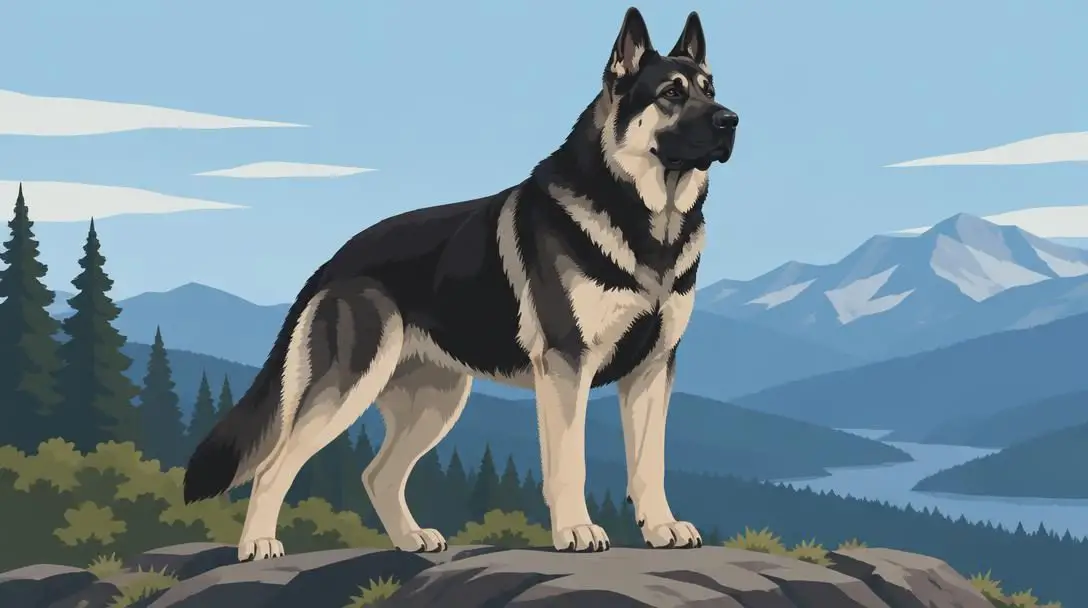
- Primary Development: Former Soviet Union
- Distinguishing Trait: Massive head, broader chest, and heightened cold tolerance
- Core Function: Military patrol, perimeter defense, and cold-climate tracking
Originating in the 1930s to fulfill the tactical demands of Soviet military installations and border security, the East-European Shepherd was bred by pairing imported German lines with indigenous northern and Central Asian canines. The result is a heavier, taller dog with superior resistance to sub-zero climates and an uncompromising, vigilant disposition suitable for intensive perimeter defense.
Shiloh Shepherd

- Primary Development: United States
- Distinguishing Trait: Giant frame, plush double coat, and smooth, level backline
- Core Function: Therapy companion, search and rescue, and gentle family guardian
Initiated by breeder Tina Barber in the late twentieth century, the Shiloh Shepherd program sought to recreate the large, stable herding dogs of vintage European stock while minimizing modern hip issues and excessive nervous aggression. Incorporating lines from the Alaskan Malamute and oversized German working stock, the Shiloh is characterized by its broad head, gentle demeanor, and substantial companion presence.
Comparative Analysis of German Shepherd Variants
The following comparative overview outlines how regional development programs adapted foundational German working stock to achieve unique structural builds, coat types, and specialized operational strengths.
| Breed Variant | Primary Origin | Distinguishing Trait | Primary Focus |
|---|---|---|---|
| Standard German Shepherd | Germany | Angular build, erect ears, versatile drive | Multi-discipline working dog, K-9, herding |
| White Shepherd | United States & Canada | Solid white double coat | Agility, obedience, family companion |
| White Swiss Shepherd | Switzerland | Pristine white coat, dark pigment | Therapy, companionship, tracking |
| King Shepherd | United States | Giant stature, straight backline | Estate guarding, household protection |
| East-European Shepherd | Former Soviet Union | Heavy frame, cold resistance, broad head | Border security, military patrol, defense |
| Shiloh Shepherd | United States | Large plush build, level back, soft drive | Therapy work, gentle companionship |
Integrating a Working Dog into Modern Family Life
Understanding how a German Shepherd behaves in a domestic setting requires viewing household dynamics through the lens of pastoral and utility instincts. These dogs operate through structured social hierarchies, daily routines, and constant nonverbal communication with their human counterparts.
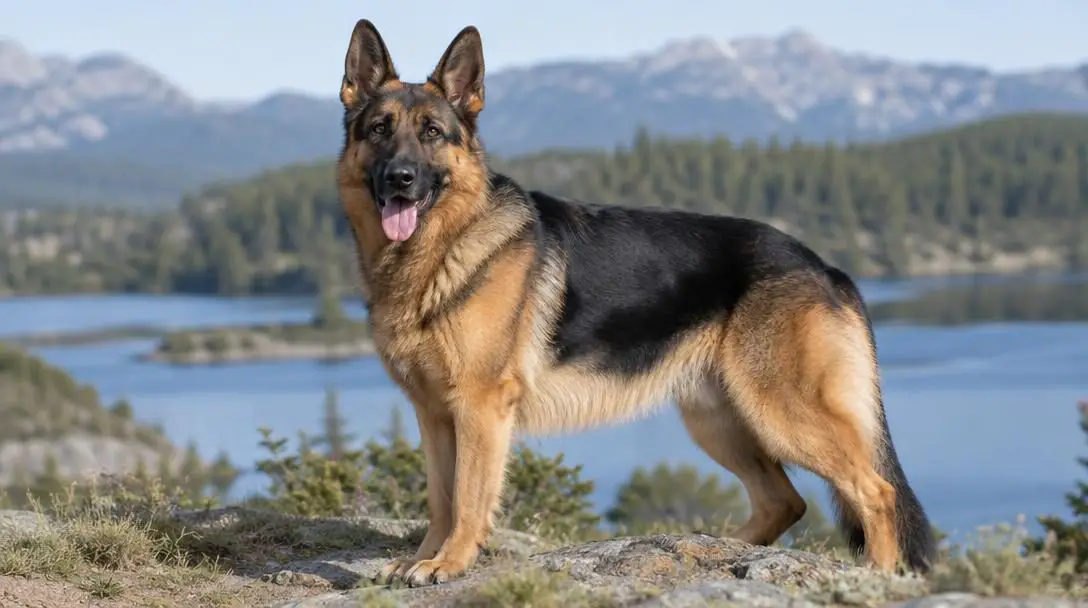
Inside a residence, herding lineage frequently manifests as an urge to keep family members grouped safely together. A German Shepherd will typically position itself in central hallways or entry points where it can monitor movement between rooms. Because they possess extreme intelligence and sharp situational awareness, they pick up on subtle changes in human posture, vocal tones, and schedule shifts. When given daily direction and clear tasks, they direct this mental focus into calm, observant guardianship.
Conversely, idle confinement produces negative behavioral outcomes. An understimulated German Shepherd will channel its unspent drive into excessive vocalization, pacing, destructive chewing, or hyper-vigilant boundary guarding. Channeling their physical energy and mental focus creates a dependable, composed family member that integrates smoothly into domestic activities.
Practical Steps for Bringing Home a German Shepherd
Welcoming a strong, high-drive dog into a residential home requires systematic preparation before the animal ever steps through the front door. Following a methodical setup process prevents behavioral friction and sets baseline expectations early.
- Assess your physical living environment: Verify that your property features secure perimeter fencing of sufficient height, clear walking pathways, and a quiet, low-traffic indoor rest station where the dog can decompress undisturbed.
- Engage an experienced working-dog trainer: Establish contact with a professional dog trainer who specializes in large, high-drive working breeds to help direct natural guarding instincts and reinforce early obedience.
- Establish a structured exercise schedule: Reserve two distinct blocks of time each day dedicated to aerobic exercise, interactive retrieval games, and mental training drills to drain built-up energy reserves.
- Initiate systematic early socialization: Introduce your dog intentionally to neutral public spaces, a variety of foot surfaces, traffic noises, and unfamiliar people to build confidence without fostering territorial defensiveness.
- Formulate a preventative health and veterinary budget: Establish a medical fund for routine diagnostic exams, orthopedic screenings, parasite control, and emergency care covering conditions like bloat, arthritis, and diabetes.
- Harmonize household rules and vocal cues: Ensure that every family member uses identical verbal cues, leash mechanics, and spatial boundaries to eliminate confusing mixed signals.
Critical Pitfalls and Common Mistakes to Avoid
Even conscientious owners can encounter serious difficulties if they fail to respect the innate needs of a powerful working breed. Avoiding these typical management missteps will preserve household safety and promote balanced mental development:
- Neglecting professional guidance early: Assuming an intelligent dog will self-regulate without structured guidance often backfires, as high drive without direction leads to uncurbed territorial reactivity.
- Underestimating adult physical power: Failing to establish loose-leash walking while the dog is young creates hazards later, where sudden lunges or pulling can overpower an unprepared handler.
- Treating physical exercise as a substitute for mental work: Running a German Shepherd for miles builds endurance without curing boredom; these dogs require puzzles, scent games, and task-oriented obedience to stay mentally fulfilled.
- Confusing defensive reactivity with household loyalty: Excusing growling, lunging, or snapping at legitimate visitors as desirable protection can quickly devolve into an uncontrolled bite incident.
- Ignoring subtle markers of joint discomfort: Overlooking early symptoms of stiffness, hesitation before climbing stairs, or mild limping delays crucial orthopedic care for conditions like arthritis and hip dysplasia.
Lifestyle Alignment and Considerations Before Adoption
Committing to a German Shepherd is a significant life decision that will shape your daily household routine for a decade or more. Before finalizing an adoption, prospective handlers should reflect on several key practical considerations:
First, evaluate your actual daily availability. A German Shepherd cannot thrive on brief backyard turnouts and passive affection; they demand hands-on training, interactive games, and structured mental exercise every single day. If your professional and personal schedule regularly leaves the house empty for ten to twelve hours at a stretch, an active working breed will quickly develop behavioral neuroses.
Second, examine the baseline energy level of your household. If your family leans toward quiet, sedentary relaxation indoors, the constant physical presence, movement, and intensity of a herding breed may create chronic stress. Finally, prepare for the financial realities of veterinary care across their nine to 13-year lifespan. Managing large-dog joint treatments, specialized senior nutrition, and sudden digestive emergencies requires substantial long-term fiscal commitment.
Frequently asked questions
How much daily exercise does an adult German Shepherd require?
An adult German Shepherd typically needs between 60 and 90 minutes of active exercise each day. This requirement is best met through a combination of vigorous cardiovascular movement, such as brisk walking or running, alongside structured mental stimulation like obedience routines, scent tracking, or interactive puzzle games.
Are German Shepherds safe around young children?
German Shepherds can be gentle and devoted companions for children when properly raised and socialized. However, due to their large size, innate herding instincts, and powerful bite, interactions with young children should always be directly supervised by adults, and the dog must receive consistent obedience training from an early age.
Why do German Shepherds rank so high in hospital bite statistics?
Their high standing in bite statistics is heavily influenced by their massive overall population in the United States, as they are the third most registered breed behind retrievers and French bulldogs. Additionally, their jaw strength means that an accidental or defensive bite causes more significant tissue damage than bites from smaller breeds, leading to a higher rate of required hospital care.
What are the most common early symptoms of hip dysplasia?
Early indicators of hip dysplasia include a distinctive "bunny-hopping" gait when running, difficulty or slowness when rising from a resting position, reluctance to climb stairs or jump into vehicles, audible joint clicking, and noticeable muscle loss in the hindquarters as the dog shifts weight forward.
Can a German Shepherd adapt comfortably to apartment living?
While a spacious home with a fenced yard is ideal, a German Shepherd can adapt to apartment living if the owner is committed to meeting the dog's exercise and mental enrichment needs. The owner must provide multiple daily outdoor training sessions, dedicated off-site walks, and proactive mental puzzles to prevent boredom and disruptive vocalization indoors.
The bottom line
The German Shepherd remains an athletic, intellectually capable canine whose versatility spans police work, agricultural herding, and devoted household companionship. While their celebrated loyalty and guarding instincts make them deeply rewarding partners, their heavy build, strong bite, and high mental drive require experienced, committed handling. By providing consistent socialization, purposeful daily work, and conscientious veterinary oversight, owners will cultivate a stable, confident companion that honors the noble utility envisioned by Max von Stephanitz over a century ago.