The Best Comic Book Of All Time? Here’s 5 Contenders
When comic book enthusiasts debate the greatest achievements in superhero history, the conversation usually gravitates toward sprawling multi-year creative runs, transformative franchise relaunches, or the cultural dominance of Marvel and DC. Yet assessing an overarching comic universe requires a fundamentally different mindset than evaluating a single standalone issue. A single issue does not have the luxury of gradual world-building or decompressed storytelling; it must deliver a self-contained, emotionally resonant, and visually arresting punch across roughly two dozen pages.
Determining the greatest single comic book issue of all time is inherently subjective, given the wide spectrum of artistic styles, narrative tones, and historical eras that define the medium. Some readers revere historic milestones and legendary debuts, while others measure greatness by emotional devastation, cosmic grandeur, or deep psychological tension. Nevertheless, five specific issues have earned universal recognition for reshaping industry standards, altering character trajectories forever, and leaving an indelible mark on popular culture.
Key takeaways
- Evaluating a single comic issue demands tight pacing, clear narrative stakes, and immediate emotional resonance within strict page limits.
- Iconic issues range from historic character debuts and massive cosmic conclusions to groundbreaking psychological confrontations.
- Milestone stories often break conventional superhero safety nets by introducing permanent loss, physical demise, or moral ambiguity.
- Modern readers must be mindful of comic-to-film differences, graphic content warnings, and the distinction between monetary collector value and narrative quality.
At a glance: The top five comic book issues
While hundreds of single issues have garnered critical acclaim over the decades, these five contenders consistently anchor the debate regarding the pinnacle of comic book storytelling.
| Issue | Key characters | Central conflict | Defining storytelling impact |
|---|---|---|---|
| Infinity Gauntlet #6 | Thanos, Nebula, Earth's heroes | Stopping Nebula after she seizes absolute cosmic power | Subverts expectations by forcing the ultimate villain to fight alongside the heroes |
| The Incredible Hulk #181 | Wolverine, Hulk, Wendigo | A vicious three-way brawl in the Canadian wilderness | Demonstrates how a character debut can function as a relentless, timeless action masterclass |
| Superman Vol. 2 #75 | Superman, Doomsday, Lois Lane | A catastrophic physical slugfest through the heart of Metropolis | Captured mainstream global attention by depicting the brutal demise of an invincible icon |
| The Amazing Spider-Man Vol. 1 #121 | Spider-Man, Green Goblin, Gwen Stacy | Rescuing Gwen Stacy from the George Washington Bridge | Shattered the myth that supporting love interests were perpetually safe from harm |
| Batman: The Killing Joke #1 | Batman, The Joker, James Gordon, Barbara Gordon | A psychological ordeal designed to prove one bad day can break anyone | Explored the fine line separating hero from madman, concluding on an unsettling ambiguous note |
The top five contenders for the greatest comic book of all time
Each of the following five issues represents a watershed moment in sequential art. Whether through cosmic spectacle, bone-crushing action, shocking tragedy, or psychological torment, these issues pushed the boundaries of what a single comic could accomplish.
Infinity Gauntlet #6
- Central antagonist: Nebula (after usurping the Infinity Gauntlet)
- Key plot twist: Thanos stripped of power and forced into an alliance with heroes
- Narrative scale: Cosmic universe-level stakes
Modern audiences around the globe are intimately familiar with the blockbuster cinematic adaptations centered on Thanos and his quest to gather the Infinity Stones to eliminate half of all living beings in the universe. However, the comic book source material in Infinity Gauntlet #6 unfolds along a dramatically different trajectory than its cinematic counterpart. In the comics, Thanos has already succeeded in wiping out half of universal life before the final chapter even begins, establishing a pervasive atmosphere of dread and desperation.
Rather than concluding with a predictable battle against the Mad Titan, the narrative delivers a sudden, dramatic reversal: Nebula seizes the gauntlet directly from Thanos. Stripped entirely of his omnipotent dominance, Thanos finds himself vulnerable. In an unforgettable turn of events, the greatest threat the universe has ever known is compelled to fight alongside Earth's surviving protectors in a desperate bid to strip Nebula of absolute power. This unexpected dynamic elevates the finale into a masterclass of cosmic conflict.
The Incredible Hulk #181
- Debut character: Wolverine
- Cover description: "The world's first and greatest Canadian superhero"
- Core dynamic: Relentless back-and-forth melee combat
First appearances of iconic characters will always command immense attention and premium prices on the collector market, but early introductory issues do not always hold up as cohesive, enjoyable stories. Many historic debuts suffer from rushed pacing, dated dialogue, or early characterizations that bear little resemblance to what the hero eventually becomes. The Incredible Hulk #181 stands as a rare exception, offering an action-packed experience that remains just as thrilling today as when it was first published.
The issue throws readers immediately into the fray as Wolverine makes his explosive full debut. After launching an attack against the Hulk, Wolverine turns his ferocious attention toward another threat before locking horns with the green behemoth in a brutal back-and-forth struggle. The relentless skirmish established Wolverine's scrappy, fearless nature right out of the gate. Sporting an early visual design distinct from his modern costume, the cover heralded him as "The world's first and greatest Canadian superhero," cementing this issue as an enduring milestone in action storytelling.
Superman Vol. 2 #75
- Publication date: November 1992
- Primary antagonist: Doomsday
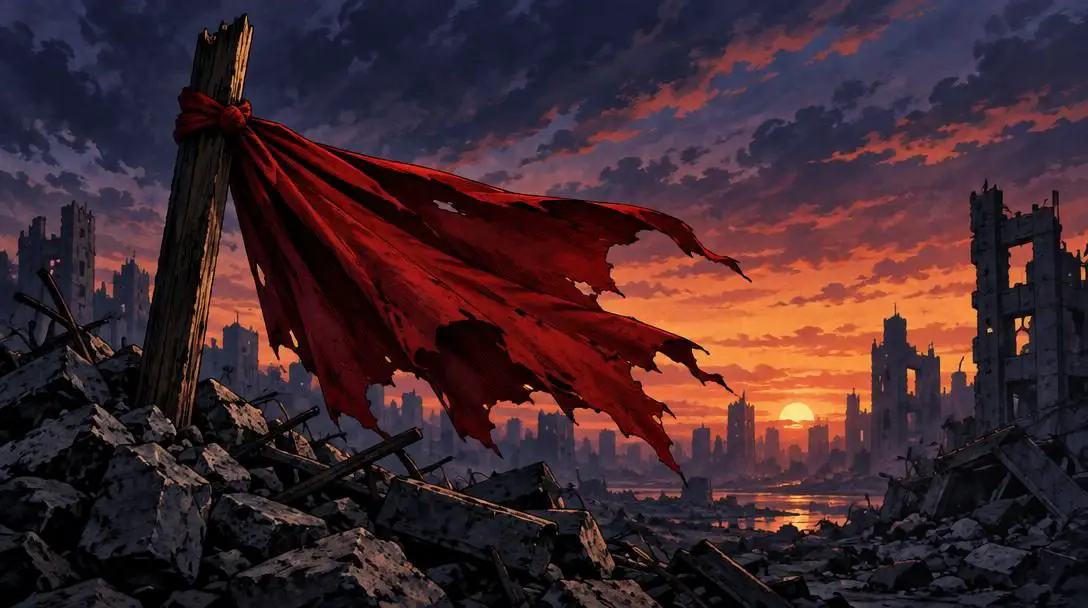
- Iconic imagery: Superman's tattered cape fluttering on a pole
When Superman Vol. 2 #75 arrived on newsstands and comic shop shelves in November 1992, it transcended the boundaries of the comic book hobby to become a worldwide cultural phenomenon. Mainstream television networks, newspapers, and international media outlets covered the event exhaustively, driving massive lines of curious readers outside local comic retailers. The premise seemed completely impossible: the death of Superman, an American pop culture titan who had been treated as virtually indestructible for more than half a century.
The issue fulfilled its catastrophic promise through a visceral, exhausting clash against the monstrous brute Doomsday. Told through sprawling full-page splash panels that highlighted the physical devastation inflicted on Metropolis, the battle culminated in a titanic simultaneous blow where both combatants struck each other down. As Lois Lane and frantic paramedics rushed to his side, Superman faded into the beyond, leaving Earth stripped of its greatest champion. With its unforgettable image of a tattered cape hanging from a makeshift cross, this issue remains one of the most historically impactful comics ever printed.
The shocking failure to save the woman he loved redefined Peter Parker's journey and signaled a darker, more mature era for superhero comics.
The Amazing Spider-Man Vol. 1 #121
- Historical era: Early 1970s
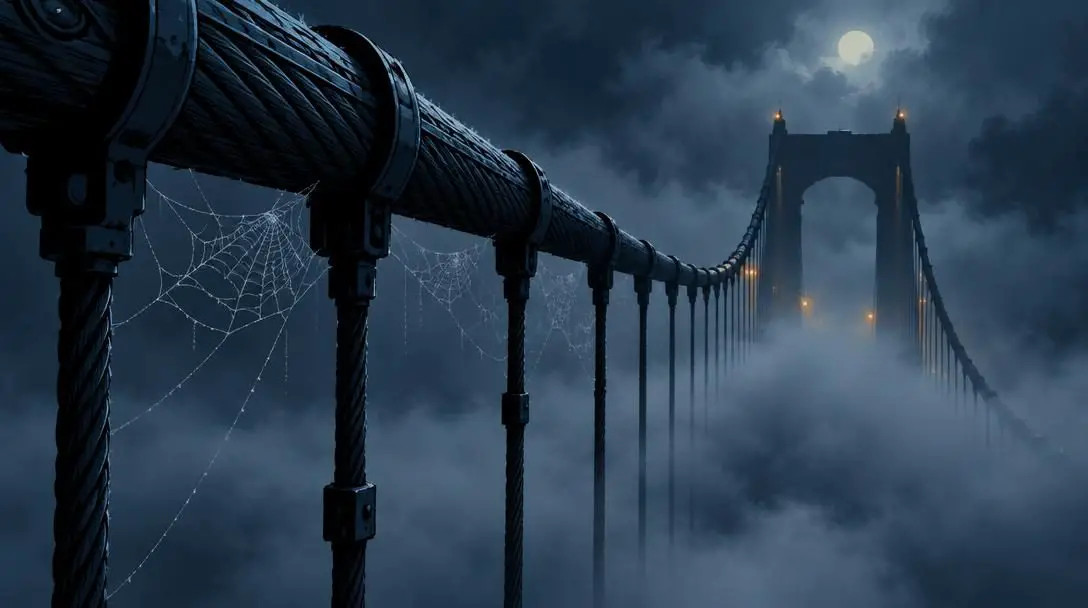
- Key setting: The George Washington Bridge
- Defining tragedy: The death of Gwen Stacy
Few comic book heroes boast as deep a catalog of legendary storylines as Peter Parker, but "The Night Gwen Stacy Died" in The Amazing Spider-Man Vol. 1 #121 stands uncontested as his most defining narrative crucible. Published in the early 1970s, this issue irrevocably altered the landscape of mainstream superhero comics by proving that main supporting cast members and romantic interests were no longer insulated by plot armor.
The tragedy unfolds from deeply personal turmoil: Norman Osborn unspools psychologically following his son's drug overdose, directing his unhinged fury toward Spider-Man. Assuming his Green Goblin persona, Osborn kidnaps Gwen Stacy and drags her to the top of the George Washington Bridge. During the ensuing confrontation, Gwen is hurled into the void. Spider-Man fires a web-line to break her fall, believing for a fleeting instant that he has saved her life, only to discover that the sudden arrest of momentum snapped her neck. The devastating failure compelled Peter Parker to seek revenge while ushering the entire medium into a more mature, consequence-heavy era.
Batman: The Killing Joke #1
- Format: Prestige one-shot issue
- Central thesis: One bad day can drive anyone insane
- Key victims: Barbara Gordon and Commissioner James Gordon
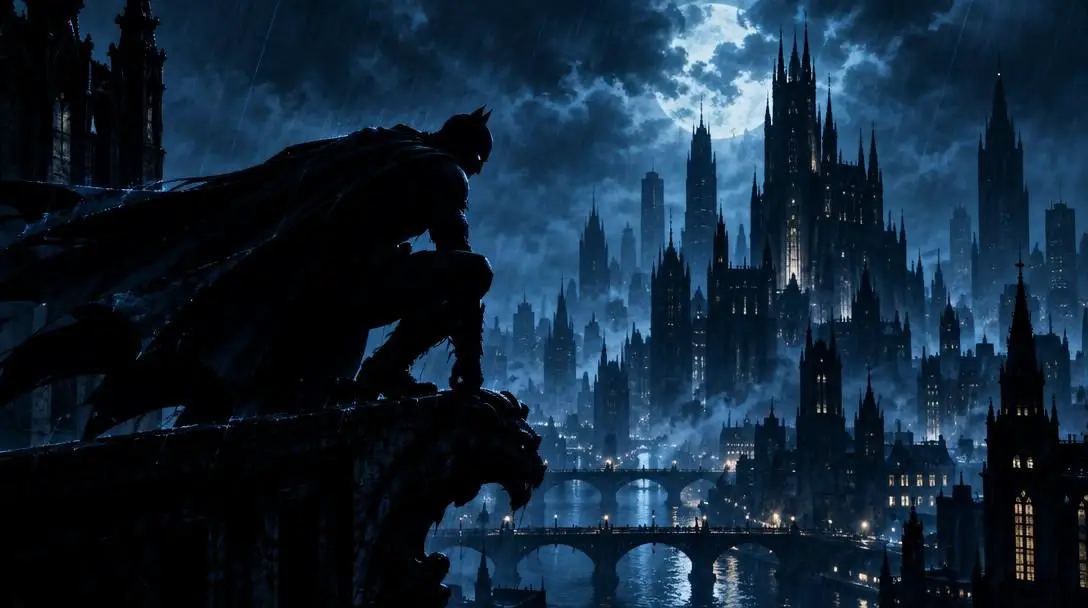
No exploration of elite comic book storytelling can omit Batman: The Killing Joke #1. Abandoning standard detective tropes, this psychological one-shot delves into the fractured minds of Gotham City's greatest adversaries. The Joker orchestrates a harrowing sequence of events, shooting and paralyzing Barbara Gordon and subjecting Commissioner James Gordon to horrific psychological torture, all designed to validate his cynical worldview that a single catastrophic day can reduce any civilized mind to pure madness.
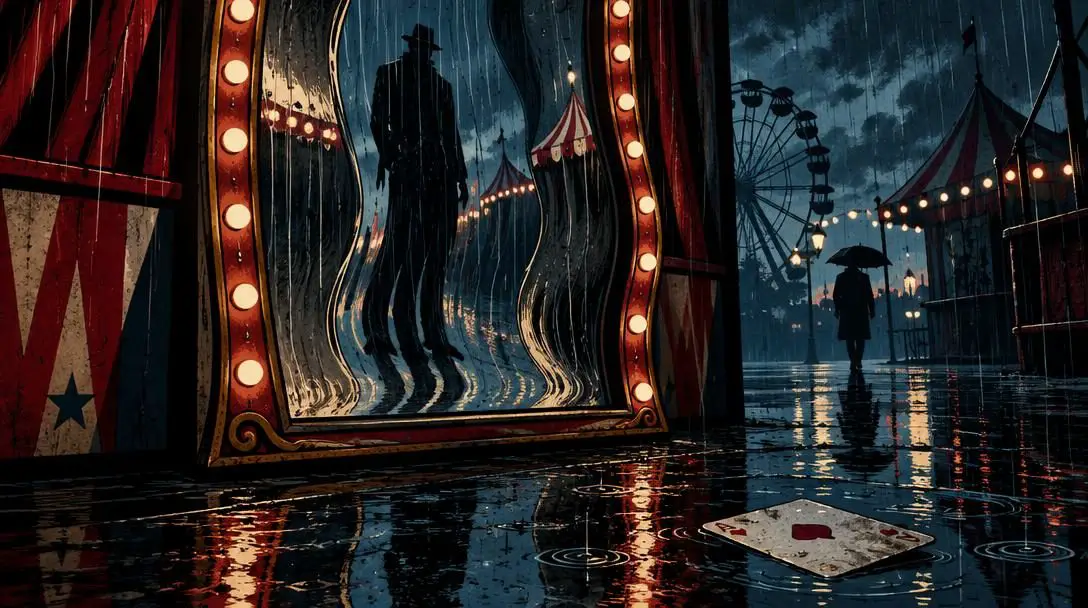
The physical confrontation between Batman and the Joker resolves not in a conventional brawl, but in an unsettling dialogue. The Joker recounts a dark joke about two asylum inmates trying to escape, which unexpectedly elicits laughter from the Dark Knight. As the rain pours down, the laughter abruptly ceases. The final sequence remains open to interpretation, with countless fans and analysts arguing whether Batman crossed his ultimate moral boundary and snapped the Joker's neck. That unresolved, haunting ambiguity guarantees the issue's enduring legacy.
What makes a single comic book issue legendary?
Understanding why these five specific books continue to dominate critical discussions requires examining the structural mechanics that separate an ordinary monthly installment from an all-time classic. While long-running series depend on incremental character growth and serialized subplots, standalone masterworks achieve greatness through precise narrative craftsmanship:
- High, unambiguous stakes: Whether the survival of all existence is threatened in Infinity Gauntlet #6 or the physical survival of an icon is on the line in Superman Vol. 2 #75, legendary issues establish immediate, comprehensible jeopardy that grips the reader from the opening panel.
- Tightly controlled pacing: Because standard issues offer limited page space, creators cannot afford wasted panels. The Incredible Hulk #181 demonstrates how kinetic, relentless action can establish personality traits, fighting styles, and rivalries without sacrificing narrative rhythm.
- Permanent narrative consequences: Classic issues rarely depend on convenient status-quo resets. The tragedy of The Amazing Spider-Man Vol. 1 #121 carried emotional resonance that permanently reshaped Peter Parker's worldview for subsequent decades.
- Philosophical resonance: Beyond physical combat, the finest issues explore the ideological clash between hero and villain. Batman: The Killing Joke #1 forces readers to examine the fragile line between order and chaos, leaving behind haunting moral questions rather than simplistic triumphs.
How to collect and read landmark comic issues
If you are interested in exploring or collecting these historic issues, navigating the modern comic landscape with a strategic plan will prevent unnecessary expenses and frustration.
- Decide between original physical printings and collected editions: Recognize that rare key issues such as The Incredible Hulk #181 and The Amazing Spider-Man #121 command enormous prices in high-grade original condition. Readers seeking the stories rather than collector investments should pursue trade paperbacks, collected graphic novels, or digital archives.
- Read the preceding contextual stories: Although each contender delivers a powerful self-contained punch, absorbing the preceding issues enhances appreciation. Reviewing the initial chapters of the Infinity Gauntlet saga or the escalating feud between Norman Osborn and Peter Parker adds tremendous emotional gravity to their climactic chapters.
- Inspect physical condition and grading standards: If you are hunting for vintage original printings, such as Superman Vol. 2 #75 from late 1992, carefully evaluate staple integrity, spine stress marks, page coloration, and cover gloss. For high-tier vintage keys, third-party authentication provides crucial security.
- Verify iconic cover identifiers: Historic comic issues are renowned for specific cover hallmarks. Look for Wolverine's original costume and the Canadian superhero banner on The Incredible Hulk #181, or the evocative image of Superman's torn cape affixed to a pole on Superman #75.
- Engage with broader fan theories and debates: Enrich your reading experience by participating in discussions surrounding ambiguous storytelling moments. Formulating your own perspective on the ending of The Killing Joke—deciding whether Batman killed the Joker or merely shared a grim chuckle—is one of the most rewarding aspects of comic fandom.
Common mistakes readers and collectors make
Both newcomers and experienced comic enthusiasts frequently encounter pitfalls when diving into historic milestone issues. Keeping these missteps in mind will help you build realistic expectations:
- Assuming comic books follow modern film storylines: Modern movie adaptations freely remix decades of comic lore. Expecting Infinity Gauntlet #6 to match the Marvel Cinematic Universe will lead to confusion, as key comic elements—such as Nebula claiming the gauntlet and Thanos teaming up with heroes—never occurred on film.
- Overlooking graphic content warnings: Not all celebrated superhero books are appropriate for all ages. Handing Batman: The Killing Joke #1 to a young child without evaluating its graphic violence and disturbing psychological themes is a common error.
- Equating speculative price with literary quality: A comic book's market value does not automatically correlate with storytelling excellence. The best issues succeed because their dialogue, pacing, and artwork remain gripping over time, not because they fetch high prices at auction.
- Expecting neat, triumphant resolutions: Landmark comic milestones rarely wrap up with sunny endings. The brutal demise of Gwen Stacy, the physical expiration of Superman, and the chilling laughter of Batman and the Joker demonstrate that comic greatness is frequently born from failure, grief, and moral compromise.
Where to take your reading journey next
Once you have read and analyzed these five landmark contenders, you can use your impressions to chart your next reading adventure across sequential art history:
If the sprawling galactic warfare of Infinity Gauntlet #6 caught your interest, immerse yourself in major publisher crossover events that unite disparate heroes against cosmic threats. If the electric introduction in The Incredible Hulk #181 stood out, trace Wolverine's artistic and thematic evolution as he transitioned from a scrappy Canadian agent into the heart of the X-Men franchise.
Conversely, if you found yourself captivated by the somber gravity of Superman Vol. 2 #75 or the dark psychology of Batman: The Killing Joke #1, explore the late 1980s and early 1990s eras of DC Comics. This period redefined superhero narratives by tackling gritty real-world anxieties, complex psychological trauma, and long-lasting dramatic consequences. Finally, consider formulating your own top five list by defining the specific storytelling criteria that matter most to you.
Frequently asked questions
Does the comic book version of Infinity Gauntlet end like the Marvel movie?
No. In Infinity Gauntlet #6, Thanos has already wiped out half of all life before the final issue begins. The climax features Nebula stealing the Infinity Gauntlet from Thanos, which forces the Mad Titan to temporarily ally himself with Earth's surviving heroes to stop her from wielding absolute power.
Why is The Incredible Hulk #181 so significant if Wolverine only guest-starred?
The Incredible Hulk #181 marks the first full appearance of Wolverine, dubbed on the cover as the world's first and greatest Canadian superhero. Unlike many early character introductions that feel dated, the issue features an intense, fast-paced brawl against the Hulk that established Wolverine's scrappy personality and fearless combat style immediately.
Did Superman actually stay dead after Superman Vol. 2 #75?
While Superman eventually returned in later storylines, Superman Vol. 2 #75 depicted his brutal physical death following a mutual knockout blow against Doomsday. The issue was treated as a monumental cultural event in November 1992, drawing massive international mainstream news coverage and unprecedented lines outside comic book stores.
How did Gwen Stacy die in The Amazing Spider-Man #121?
During a battle on the George Washington Bridge, the Green Goblin knocks Gwen Stacy off the structure. Spider-Man shoots a web-line and catches her, initially believing he has saved her life. However, he quickly realizes that the sudden deceleration of his web snapped her neck, delivering an emotional shock that redefined superhero stakes.
Did Batman kill the Joker at the end of Batman: The Killing Joke #1?
The conclusion is deliberately ambiguous. After the Joker tells a joke about two asylum inmates, Batman begins laughing alongside him in the pouring rain before the laughter abruptly stops. Many readers and comic historians believe Batman snapped the Joker's neck on the spot, but the narrative leaves the final outcome open to interpretation.
The bottom line
Declaring a single issue as the absolute best comic book of all time will always inspire impassioned debate among readers, collectors, and historians. Whether you prefer the cosmic reversals of Infinity Gauntlet #6, the breathless debut action of The Incredible Hulk #181, the cultural earthquake of Superman Vol. 2 #75, the heart-wrenching loss in The Amazing Spider-Man #121, or the unsettling psychological depth of Batman: The Killing Joke #1, each of these five contenders proves how profound sequential storytelling can be when crafted with precision and daring vision.